Tag: Lambert Tree

  • Long Shadows II

    Long Shadows II

    Facebook post #73 (#72 added to previous WWII Jersey post)

    Just slightly more upliftingly, I just discovered an unexpected resident with our Essex family in 1939:

    Vera Wisser, aged 17, Jewish refugee

    I can find nothing else about Vera, but she was the maximum age for qualification for the kindertransport. This scheme was not a government initiative but volunteers were permitted to organise temporary immigration for unaccompanied children. It was on condition that the immigrants would cost the state nothing, including eventual repatriation.

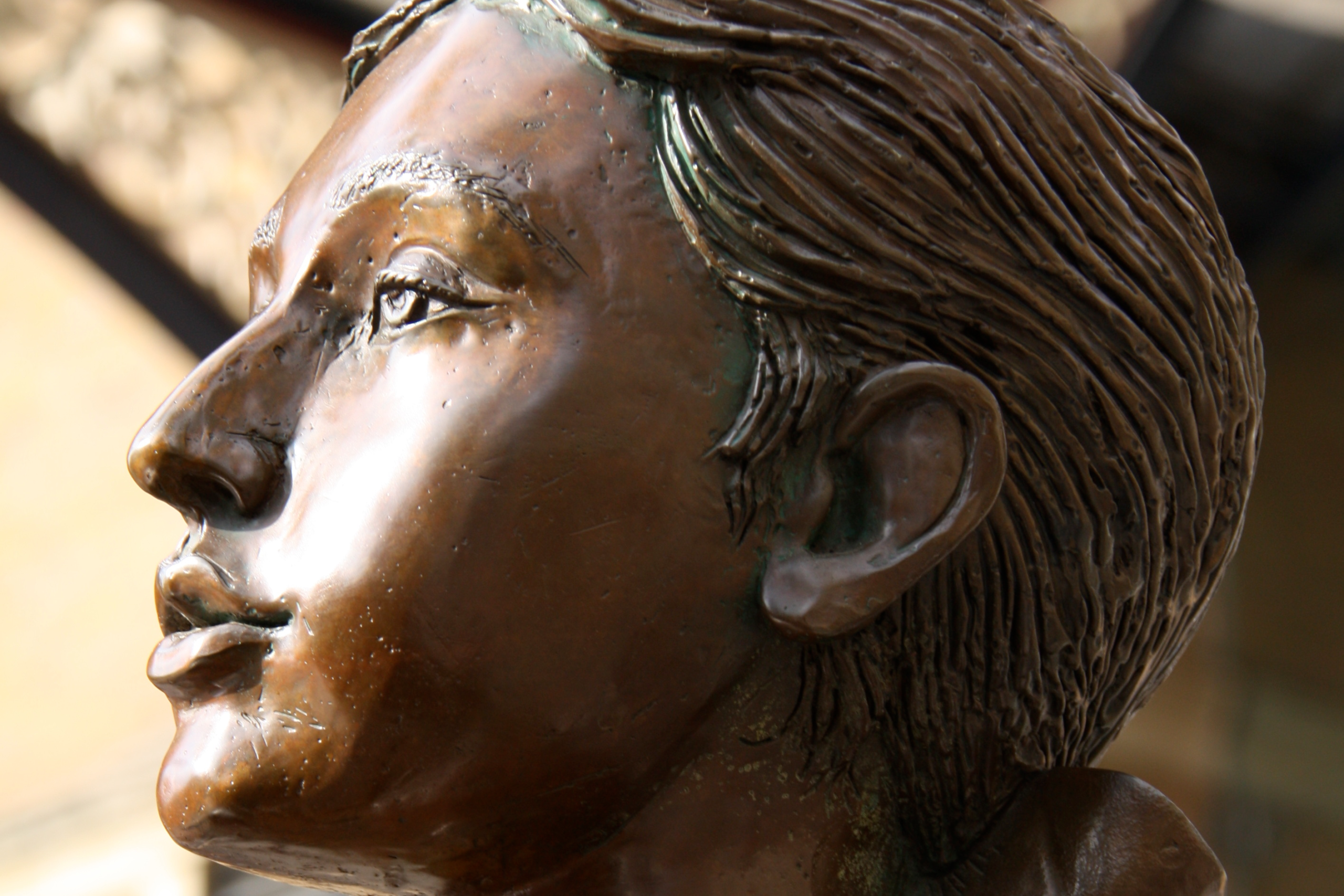
    Kindertransport, Liverpool St Station
    Kindertransport, Liverpool St Station (Tony Avon)

    The right were objecting to refugees, of course, e.g. “German Jews Pouring Into This Country” (Daily Mail). But an appeal for foster homes was put out on the BBC Home Service in November 1938. Cursory checks were made on potential foster homes, and eventually 10,000 children were settled.

    “Some never saw their parents again; all suffered the pain of separation; some were so traumatised they couldn’t speak of what had happened to them for decades afterwards – not even to their children. But in each the light of defiance, humour and commitment to life shines through.” (Moss)

    It seems probably that Vera was one of the 10,000. She would have landed at Harwich, and taken by train to Liverpool St – the pic is of the kindertransport monument there – and back up to Saffron Walden. The Barnards could afford it, and doubtless Vera was helpful around the house – Willmary, Newport. Still, a pleasing find.

    Willmary, Newport
    Willmary, Newport (Heritage England)

    Pathé News – arrival at Harwich: https://www.youtube.com/watch?v=-T9xvo1jyRE

    Stephen Moss, Guardian: https://www.theguardian.com/…/the-kindertransport…

    See also: Essex – post #28 – . Nazi trains – post #67.
  • Gold Man

    Gold Man

    11 Jun 2022 (#066)

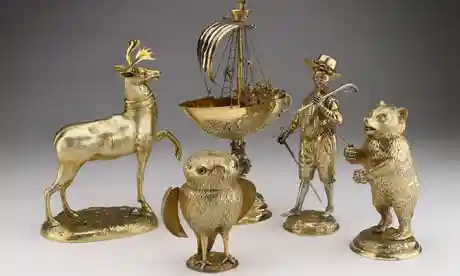
    Update on Family Tree Post #11. I finally saw the family gold 🙂 at the Ashmolean. A small room full of gold things, and a big room full of silver things, bequeathed by cousin Michael Wellby.

    Wellby Gold at the Ashmolean
    Wellby Gold at the Ashmolean

    Michael was a descendant of the wife of James Larard the clockmaker (post 35), whose family made the Dunkirk little ship (post 17). Harriett’s sister Charlotte married George Burrows, an officer in the Court of Chancery, Westminster Hall, and they lived close to the Larards in Kennington.

    Their son George was a provisions merchant in Norwood, Croydon, moving in the 1880s to Ladywood, the Orpington mansion pictured in post 40. I’ve found that George had premises by Holburn Viaduct, near an early Nestlé depot, and owned the brewery in St Mary Cray. In 1901, he was at 211 Piccadilly. Their daughter Alice met and married diamond merchant Edward Wellby in Orpington. Edward was also a director of the hallmarked family silver dealers, and a neighbour when at his 9 bedroom country house, Crofton Hurst. In 1939, their son Hubert is listed as an antique silver dealer in Eton. Edward left £152k when he died the following year (around £9m today).

    [At the age of eighteen, Hubert’s son Michael took a part-time job in the family business] where he acquired a lasting passion for the beauty and craftsmanship of early silver. He opened his own shop in Grafton Street in the 1960s, specialising in German silver of the sixteenth and seventeenth centuries, in which he became an acknowledged expert. Both at auctions in London and on trips to the continent with his wife, Joy, he made many discoveries and acquired many rarities. Several of these were sold through the shop but a few exceptional pieces were added to the personal collection which has now been bequeathed to the Ashmolean.

    Artdaily

    Update: my friend James Sallis sent this pic of 22 Piccadilly today (2022).

    22 Piccadilly
    22 Piccadilly
  • The End of the Saxe-Coburg-Gothas

    The End of the Saxe-Coburg-Gothas

    Facebook post #004 (Jan 2020)

    On 4 July 1917, a 21-year old Royal Navy air mechanic was one of three killed in a bombing raid on Felixstowe. This I learned today in researching family history: James Cordell was my grandad’s third cousin, and hailed from Southampton. As I’ve been looking at old planes with my son lately, I dug a bit deeper.

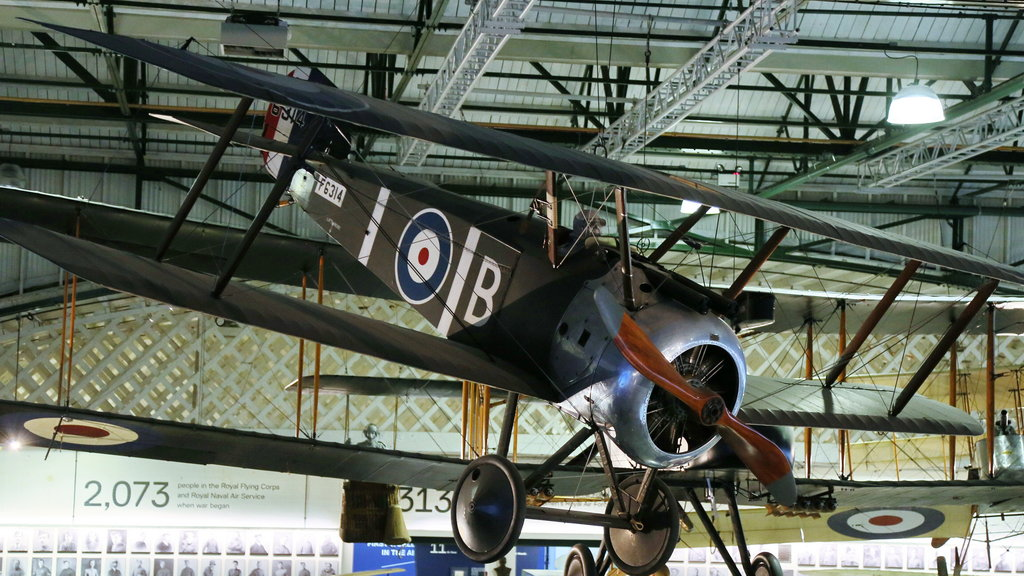
    So, by 1917, planes like the Royal Aircraft Factory BE2 below (which we saw at RAF Hendon) had become increasingly successful in bringing down the Zeppelin airships which had terrorised London early in the War.

    Royal Aircraft Factory B.E.2B (1914-19) Replica
    Royal Aircraft Factory B.E.2B (1914-19) Replica (my photo)

    But The resulting hiatus was suddenly ended by a series of raids by the giant Gotha biplane bombers of the new ‘England Geschwader’. The first two raids were aborted, their bombs being dropped on the south coast. The fourth was redirected due to weather conditions, and killed cousin James.

    James looked after kite balloons which were beginning to have some success as observation platforms from which to spot ‘U-boats’. Flying boats based nearby were developing new techniques to destroy the submarines. Seaplanes developed in Felixstowe provided early funding for the companies which made them, and which came together after the War to form English Electric – of Lightning and Canberra fame.

    In 1968, EE became a founding component of GEC, where both my parents worked. I moved to Wellingborough to work for GEC Reliance, and this is why my children were born in Northants. The Felixstowe site was used after the War by Supermarine, who developed the Southampton flying boat below, to replace the older models. Later, of course, they created the Spitfire.

    Supermarine Southampton (1925-36)
    Supermarine Southampton (1925-36) (my photo)

    Back in 1917, the third raid, on 13 June, was on London. 17 planes dropped 4 tonnes of high explosives. 162 people were killed, including 18 children in a primary school in Poplar. As a result of these raids, Jan Smuts was commissioned to review the air services. His report led directly to the foundation of the RAF, which started in 1918 as the Independent Air Force. It consisted of nine squadrons of planes including the De Havilland DH9A and Sopwith Camel, below, which now have pride of place at RAF Hendon.

    The revulsion to all things German after the raids led directly to the royal family rebranding itself from Saxe-Coburg-Gotha to Windsor on 17 July 1917.

  • Box of Coconuts

    Box of Coconuts

    Facebook post #001 (Nov 2019) [updated]

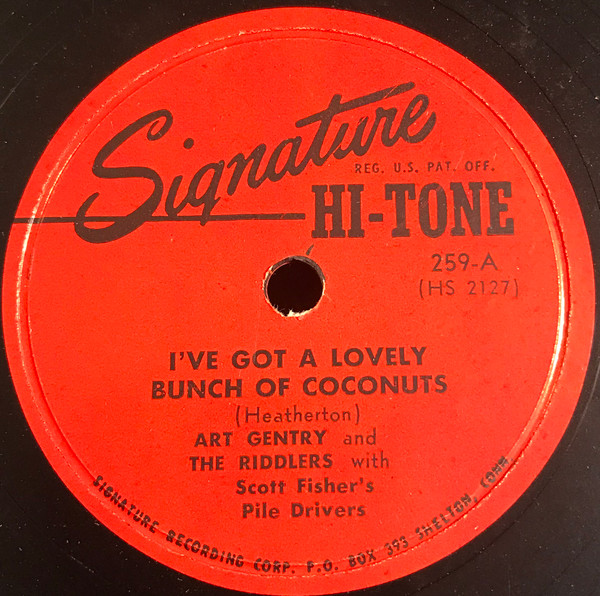
    Finally got something to boast about on the family tree. My grandad’s 3rd cousin, the composer Harold Box, gave this to the world.

    Fred Heatherton is credited as composer – that’s a songwriting pseudonym for a collaboration of English songwriters Harold Elton Box (1903–1981) and Desmond Cox (1903–1966). The song was published by Box and Cox Publications.

    I've Got a Lovely Bunch of Coconuts 7 inch Single
    I’ve Got a Lovely Bunch of Coconuts (Discogs)