Author: mark

  • Bentley (VW) (2000 on)

    Bentley (VW) (2000 on)

    Acquired by the Volkswagen Group in 1998, Bentley underwent a dramatic transformation, shifting from financial instability to becoming a highly profitable luxury icon. VW invested heavily over £1 billion to modernize the Crewe production facilities while maintaining the brand’s bespoke craftsmanship. The new platform Arnage and the SZ-based Continental and Azure continued, powered by an updated version of the Rolls-Royce heritage V8.

    The new era produced game-changing models like the Continental GT (2003) and the Bentayga SUV, blending performance with luxury. Now operating under Audi’s management within the VW Group, Bentley has evolved into a “Sustainable Luxury Mobility” leader, aiming for a fully electric lineup and carbon neutrality by 2030, marking a new chapter focused on electrification.

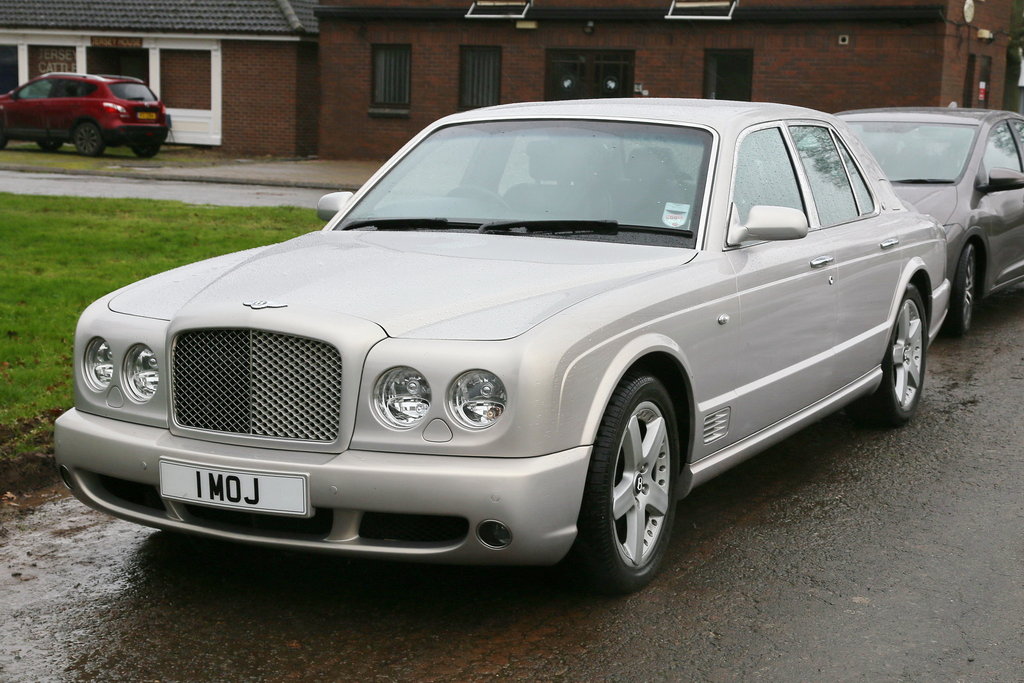
    Bentley Arnage

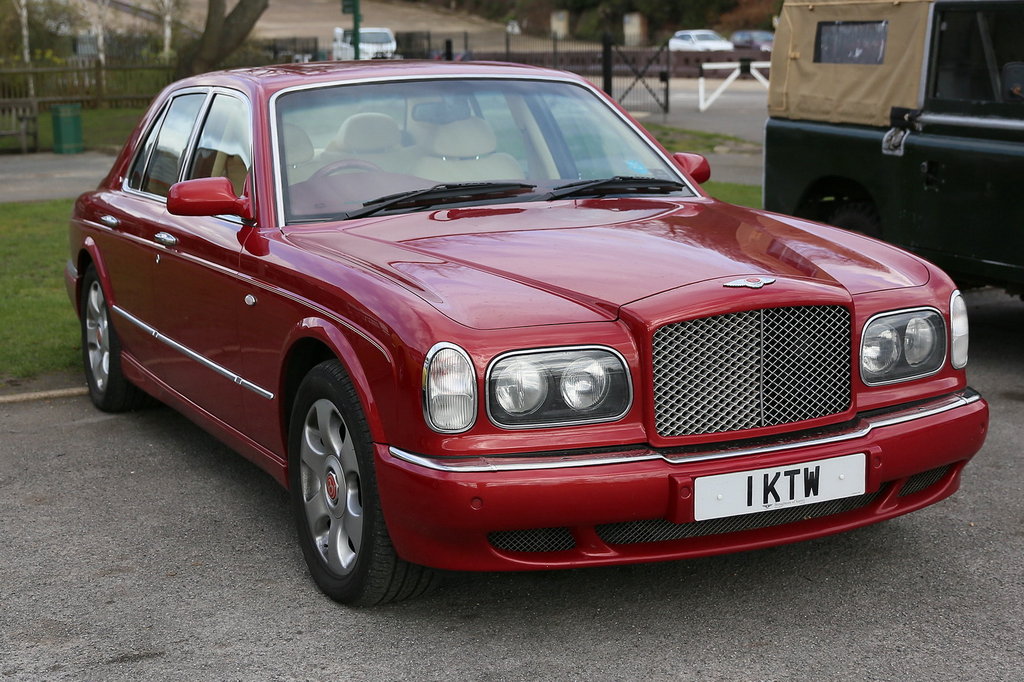
    As Silver Seraph but with sportier twin-turbo BMW V8. Also offered with the Turbo R engine for customers who preferred low-down torque, and for political reasons. Continued after the separation from Rolls-Royce with the old engine.

    Years

    1998-2005

    Engine

    4398cc V8 2T BMW; 6750cc V8 T

    Body Style

    Saloon

    Production

    c. 1182 Green Label (BMW); c. 7318 Red Label (evolved heritage engine)

    Power: Weight

    .

    Dimensions

    .

    Bentley State Limousine

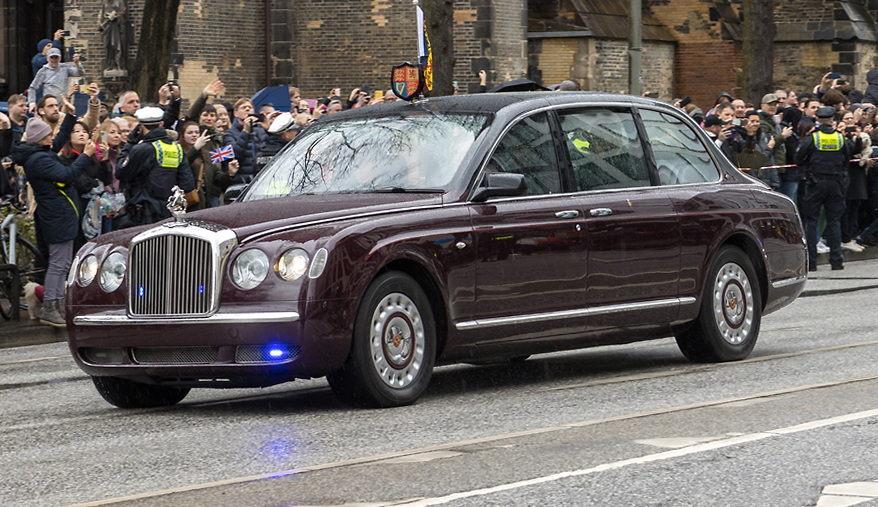
    Stretched Arnage, coachbuilt by Bentley’s Mulliner division, as a gift for HM Queen Elizabeth II, who had direct design input. A statement of intent from Bentley, also showcasing work from a ‘Best of British’ consortium.

    Years

    2002

    Engine

    6750cc V8 T

    Body Style

    Limousine

    Production

    2

    Power: Weight

    .

    Dimensions

    .

    Photo: Wikipedia

    Bentley Continental GT

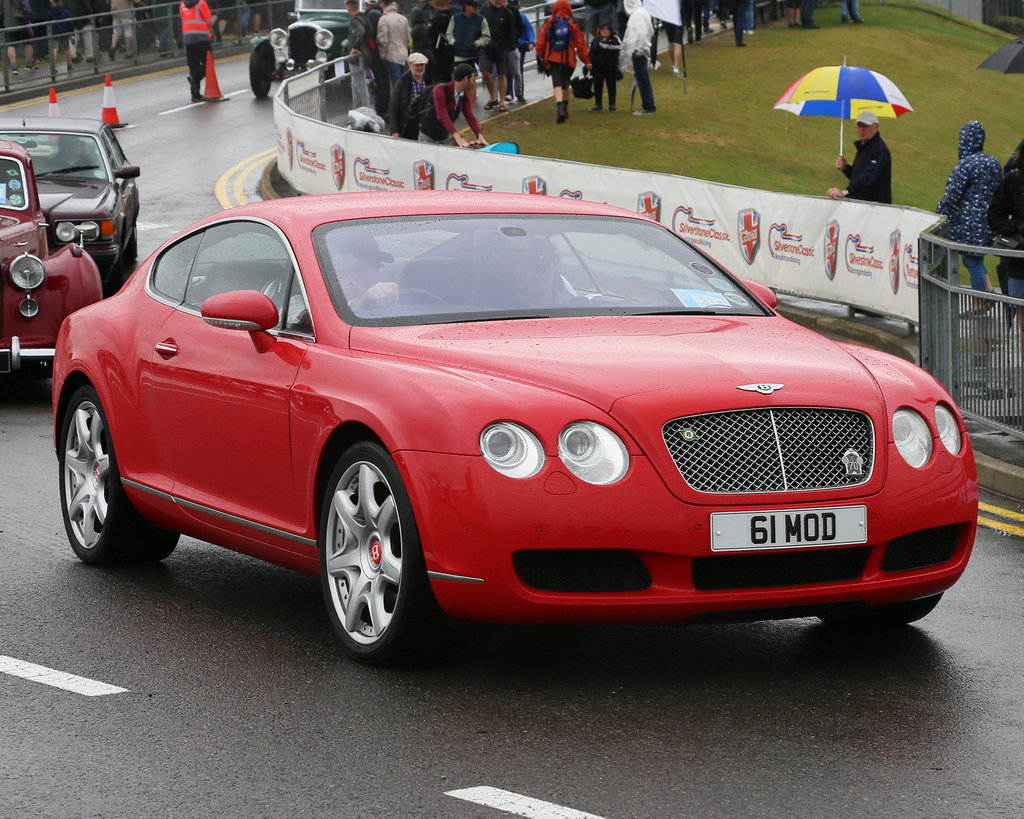
    A mass-produced replacement for the Continental, albeit with significant hand finishing. Featured a twin-turbo version of the W12 used on the VW Phaeton, and on the same very refined and rigid (but heavy) platform. Permanent 4WD.

    Years

    2003-11

    Engine

    5998cc W12 2T

    Body Style

    GT coupé

    Production

    c. 40.000

    Power: Weight

    .

    Dimensions

    .

    Bentley Arnage

    Face-lift to match Continental

    Years

    2005-09

    Engine

    4398cc V8 2T BMW; 6750cc V8 T

    Body Style

    Saloon

    Production

    inc above

    Power: Weight

    .

    Dimensions

    .

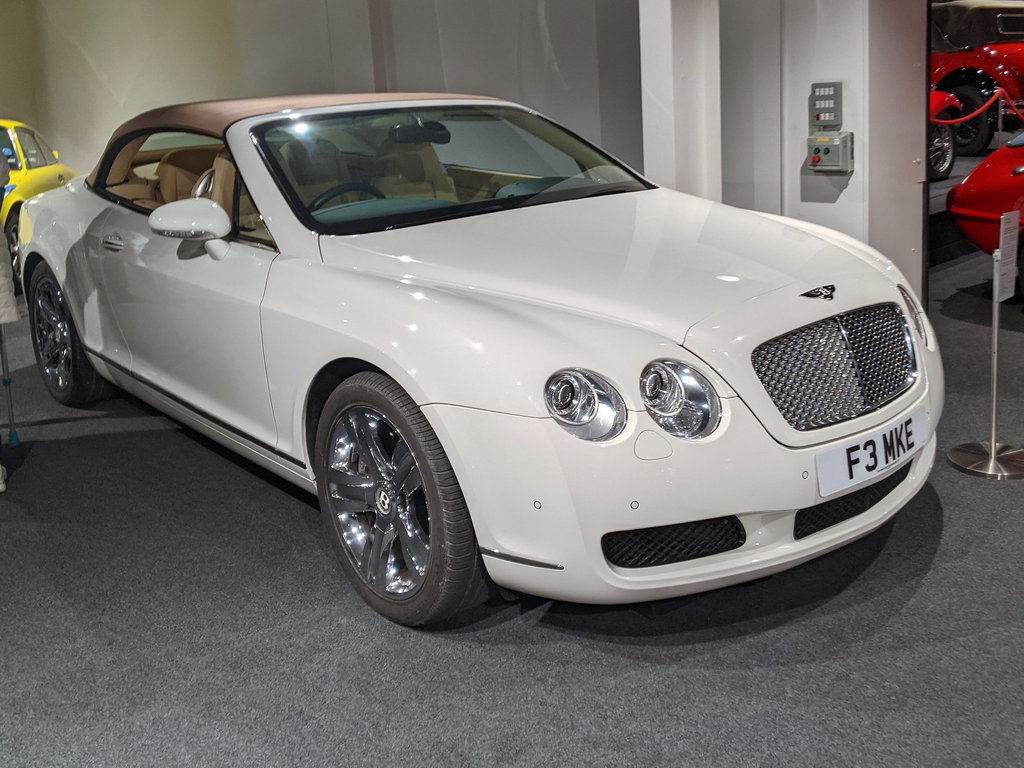
    Bentley Continental GTC

    Convertible version of GT

    Years

    2006-11

    Engine

    5998cc W12 2T

    Body Style

    GT convertible

    Production

    Inc above

    Power: Weight

    .

    Dimensions

    .

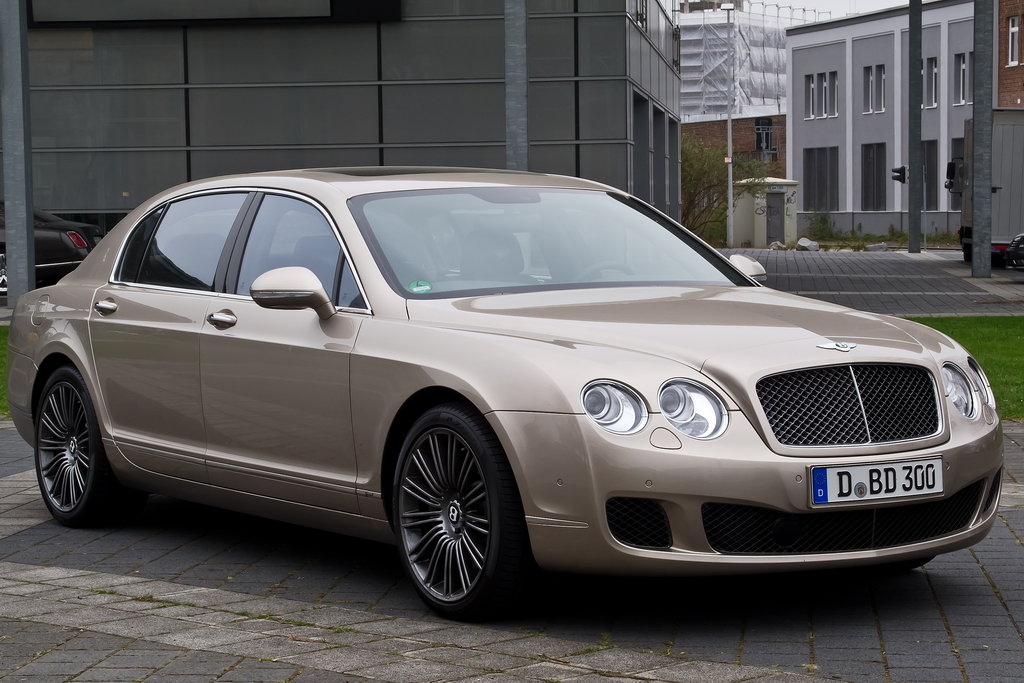
    Bentley Continental Flying Spur

    Extended saloon version of GT.

    Years

    2005-13

    Engine

    5998cc W12 2T

    Body Style

    Saloon

    Production

    c. 20,000

    Power: Weight

    .

    Dimensions

    .

    Photo: Wikipedia

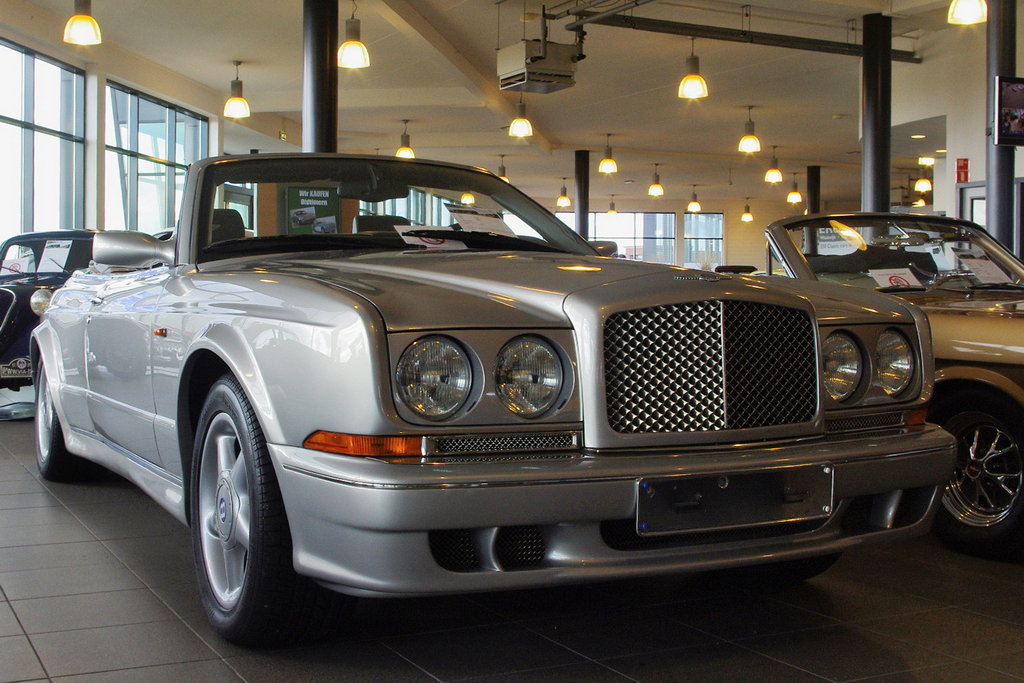
    Bentley Azure Gen 2

    Re-engineered to Arnage platform from ageing SZ platform. Probably a victim of the Financial Crisis, which encouraged consolidation at Bentley.

    Years

    2006-09

    Engine

    6750cc V8 2T

    Body Style

    Convertible

    Production

    c. 1100

    Power: Weight

    .

    Dimensions

    .

    Photo: Flickr

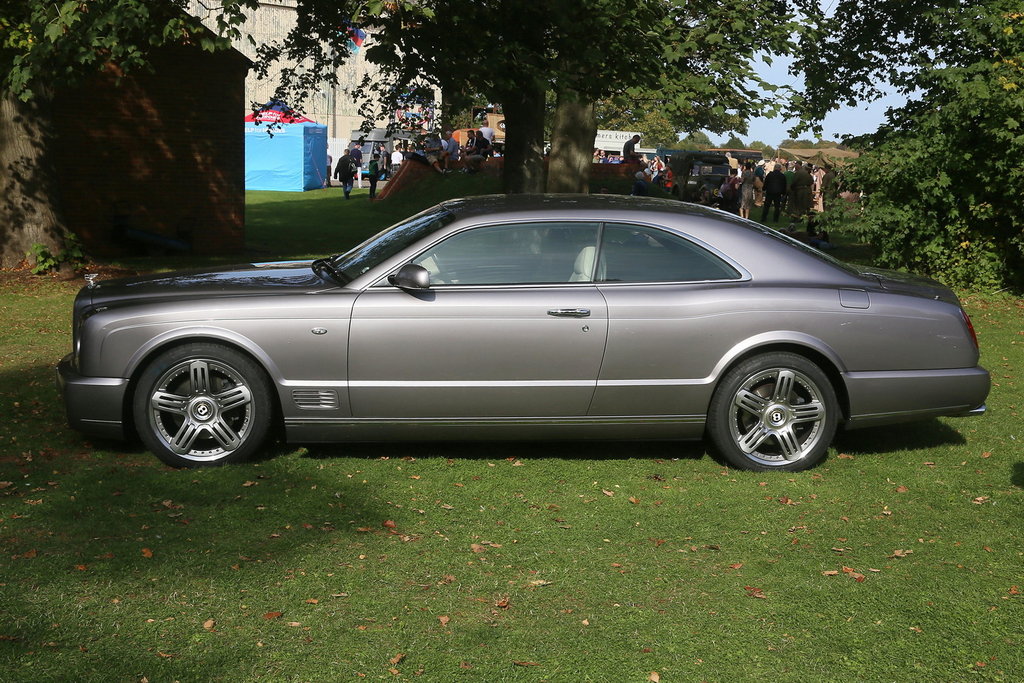
    Bentley Brooklands Coupé

    Belated proper replacement for the SZ-platform Continental, with strictly limited production.

    Years

    2008-11

    Engine

    6750cc V8 2T

    Body Style

    Production

    430

    Power: Weight

    .

    Dimensions

    .

    Coupé

    Bentley Mulsanne

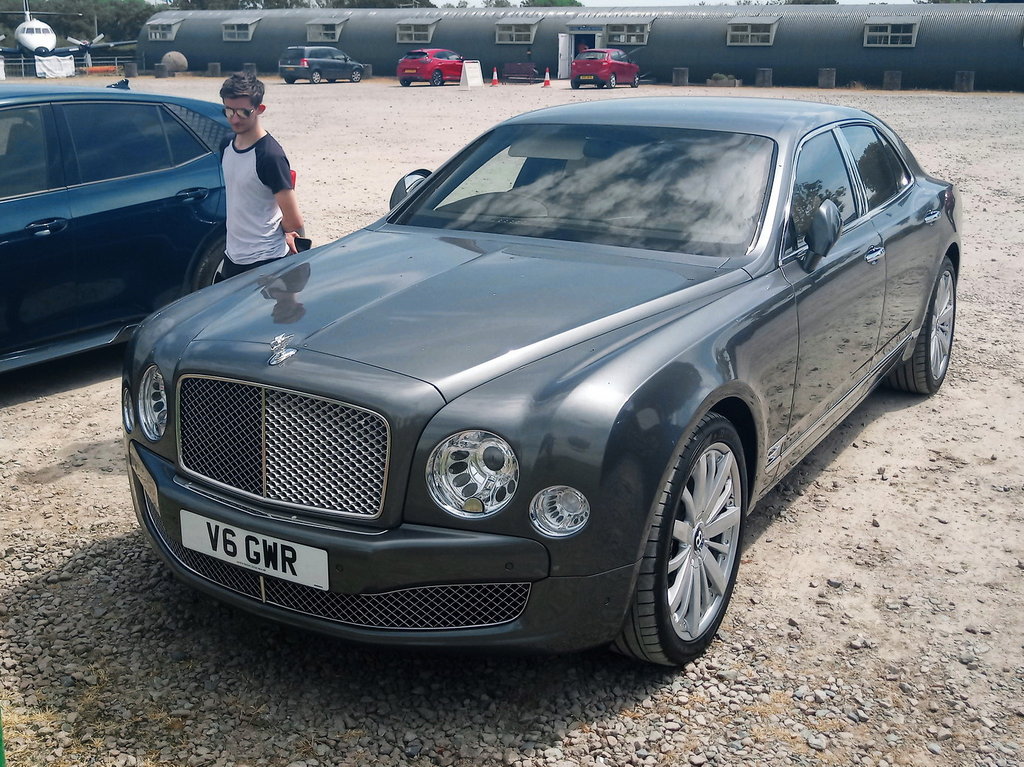
    Arnage replacement, with Cosworth re-engineered classic V8, which ended after 61 years when the Mulsanne was retired in favour of the the SUV. On its own unique RWD chassis to provide the required experience.

    Years

    2010-20

    Engine

    6750cc V8 2T

    Body Style

    Saloon

    Production

    7300

    Power: Weight

    .

    Dimensions

    .

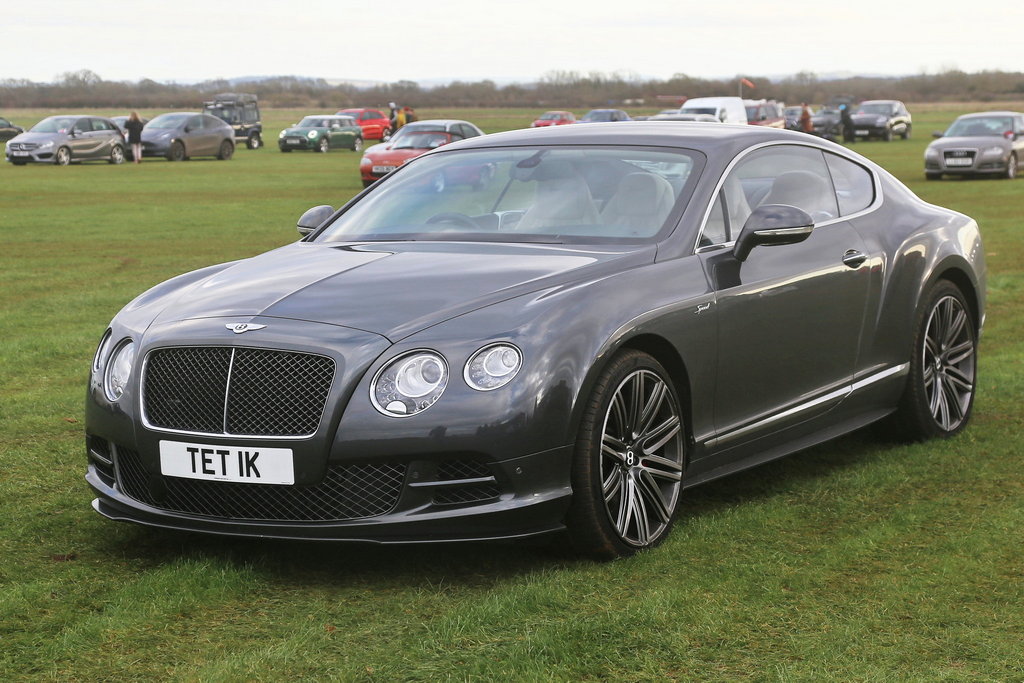
    Bentley Continental Gen 2 W12

    Updated Continental which had to replace also the Arnage-based Azure and Brooklands.

    Years

    2011-18

    Engine

    5998cc W12 2T

    Body Style

    GT coupé/convertible

    Production

    Inc above

    Power: Weight

    .

    Dimensions

    .

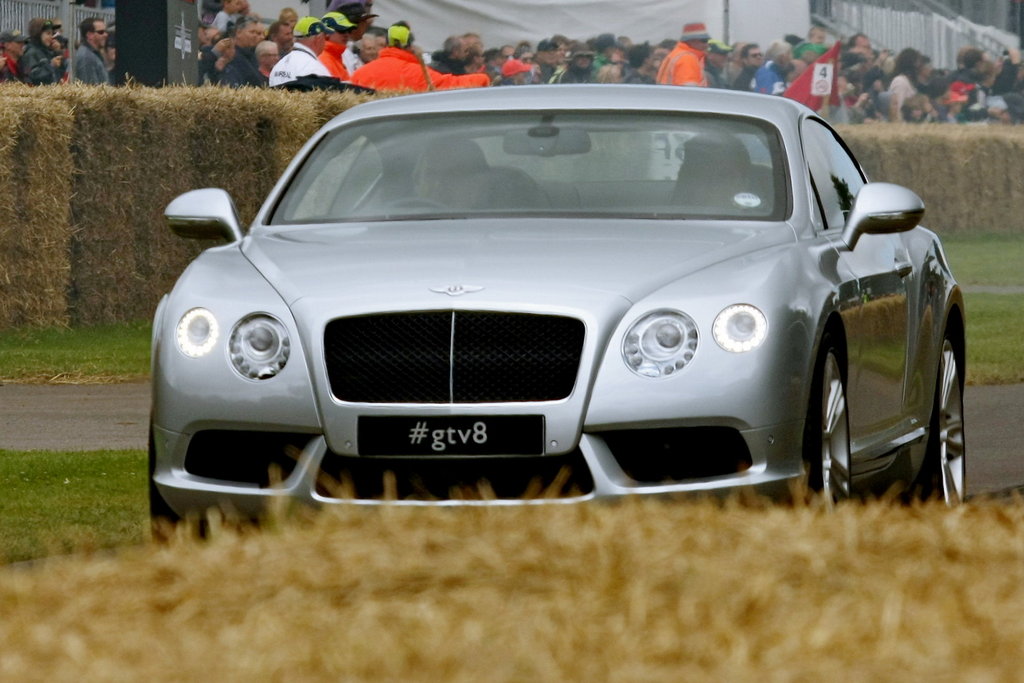
    Bentley Continental Gen 2 V8

    New 4-Litre option powered by a V8, developed jointly with Audi.

    Years

    2011-18

    Engine

    3993cc V8 2T

    Body Style

    GT coupé/convertible

    Production

    c. 35,000

    Power: Weight

    .

    Dimensions

    .

    Bentley Flying Spur Gen 2

    Partially replaced the Arnage as well as Gen 1 Spur, and Mulsanne was a much bigger, more expensive car.

    Years

    2013-19

    Engine

    3993cc V8 2T; 5998cc W12 2T

    Body Style

    Saloon

    Production

    c. 12,000

    Power: Weight

    .

    Dimensions

    .

    Photo: Wikipedia

    Bentley Bentayga

    Popular luxury SUV

    Years

    2015-20

    Engine

    3996cc V8 2T; 5950cc W12 2T; 2995cc V6 T PHEV; 3956cc V8 SC/2T Diesel

    Body Style

    SUV

    Production

    c. 20,000

    Power: Weight

    542/600-624/456–462 bhp

    Dimensions

    .

    Photo: Flickr

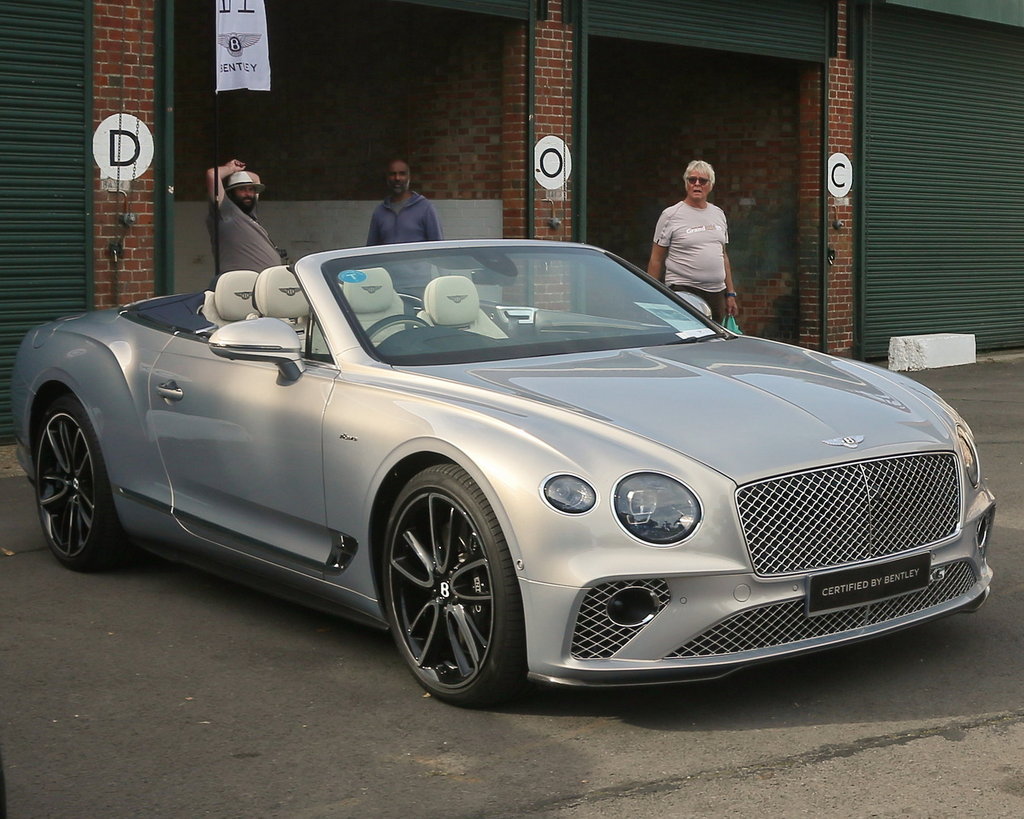
    Bentley Continental Gen 3

    Now on Porsche MSB platform like the Panamera. The first production car precision ‘Super Formed’ in aluminium.

    Years

    2018-24

    Engine

    3993cc V8 2T; 5998cc W12 2T

    Body Style

    GT coupé/convertible

    Production

    c. 25,000

    Power: Weight

    .

    Dimensions

    .

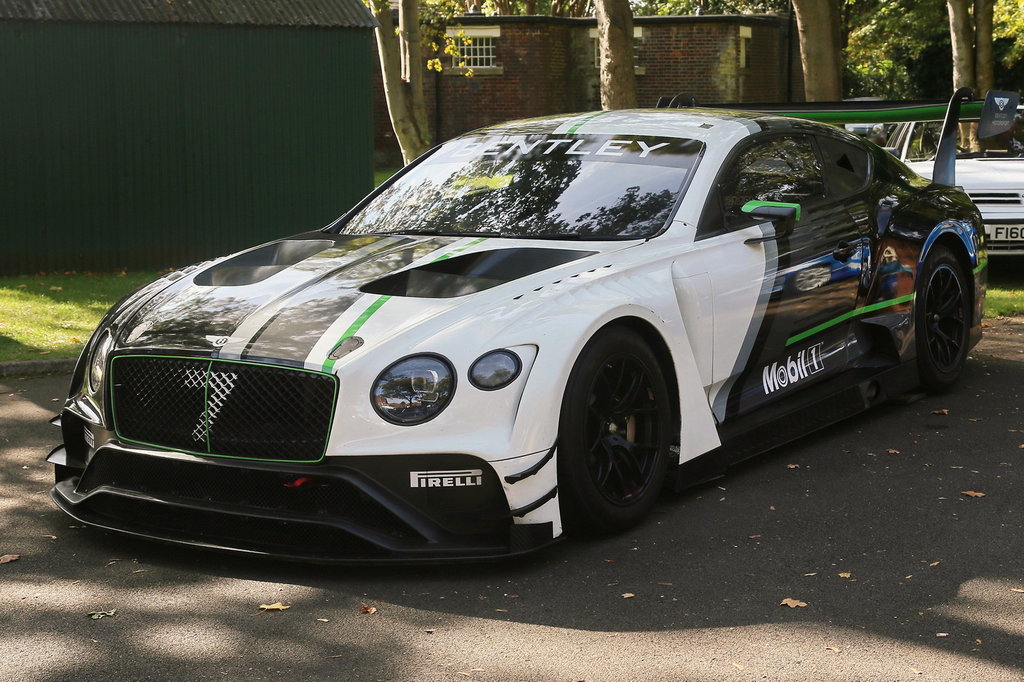
    Bentley Continental Gen 3 GT3

    Successful endurance racer using a modified version of the V8 engine.

    Years

    2018-21

    Engine

    3993cc V8 2T

    Body Style

    Coupé racer

    Production

    15-20 + 3000 GT3-R road cars

    Power: Weight

    .

    Dimensions

    .

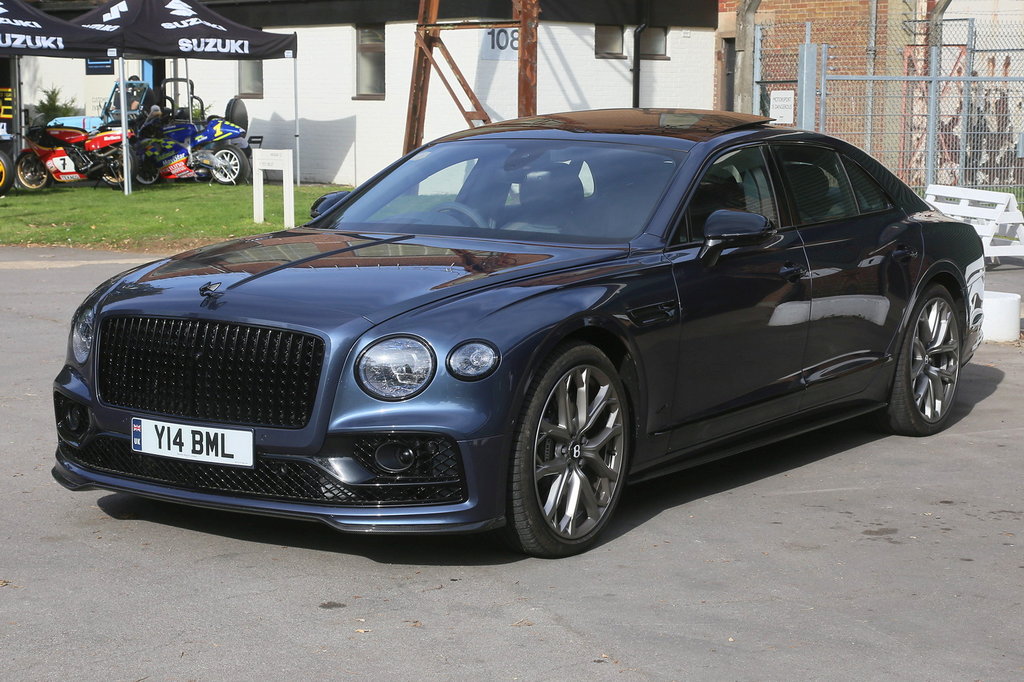
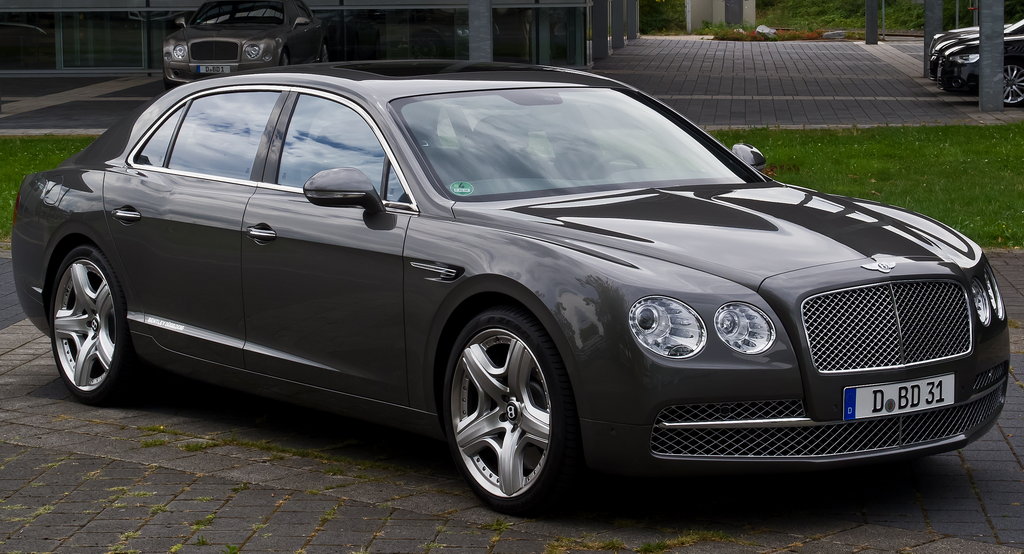
    Bentley Flying Spur Gen 3

    Like the Continental, now also on the MSB platform, thus retiring the D1 Phaeton platform. Further upmarket and expensive options available as the Mulsanne was retired.

    Years

    2019 on

    Engine

    2894cc V6 2T hybrid; 3993cc V8 2T; 5950cc W12 2T

    Body Style

    Saloon

    Production

    c. 14,000

    Power: Weight

    .

    Dimensions

    .

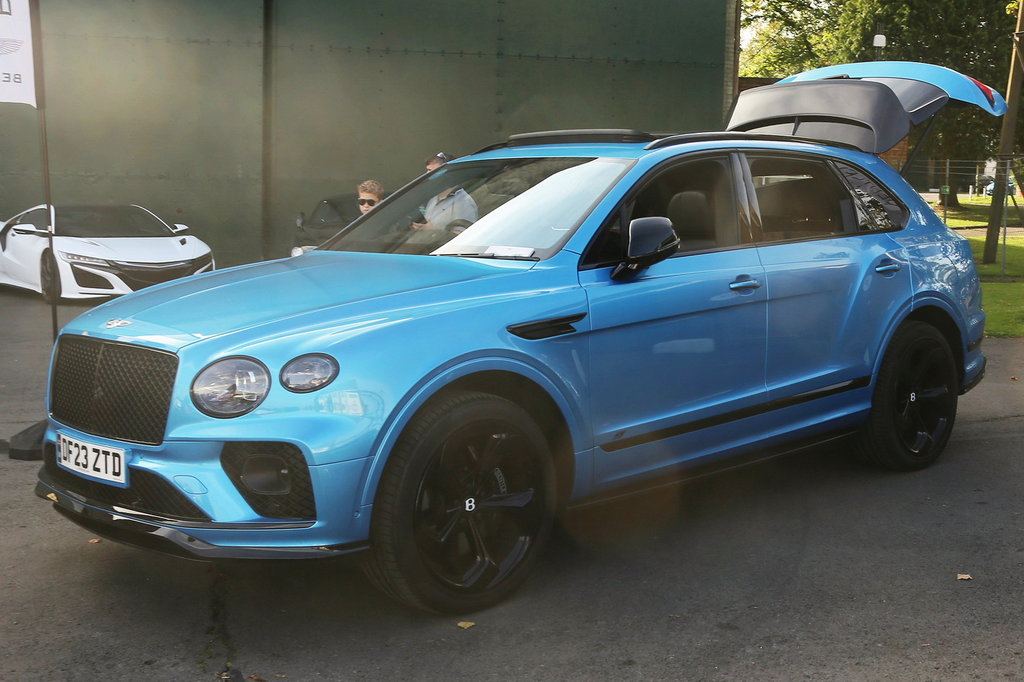
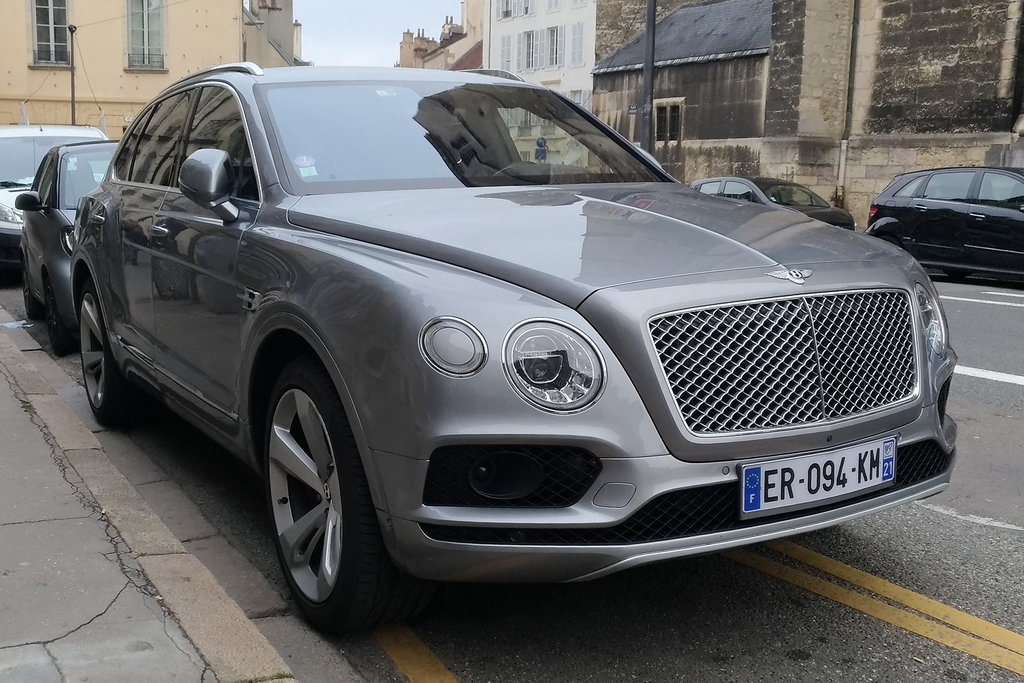
    Bentley Bentayga & EWB

    New front and rear styling and updated interior. Extended Wheelbase model intended to replace Mulsanne. W12 only on Speed Models which ended in 2024.

    Years

    2020 on

    Engine

    2995cc V6 T PHEV; 3996cc V8 2T with PHEV option; 5950cc W12 2T;

    Body Style

    SUV

    Production

    c. 20,000

    Power: Weight

    542/600-624/456–462 bhp

    Dimensions

    .

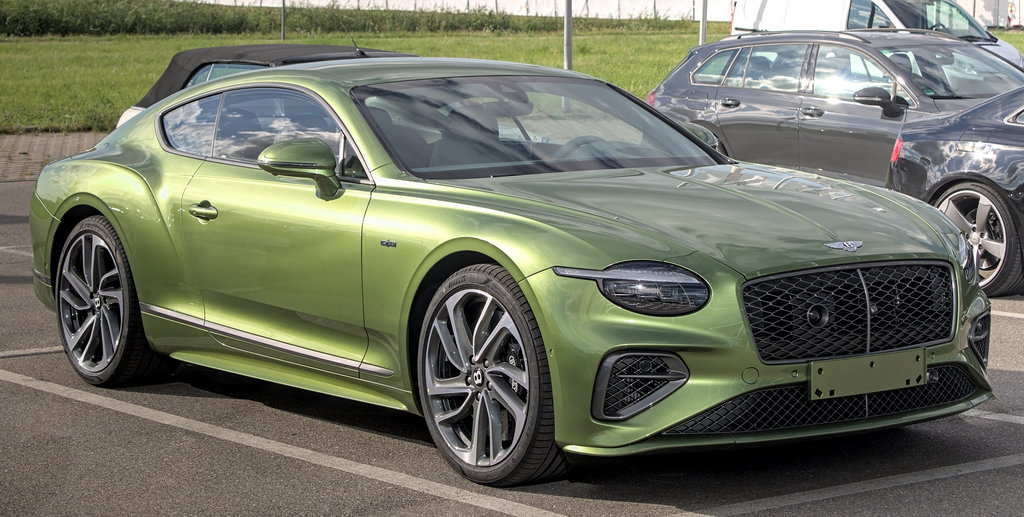
    Bentley Continental Gen 4

    More power (but heavier due to bigger battery), spelling the retirement of the W12. First Bentley since 1959 to have single headlights.

    Years

    2024 on

    Engine

    3993cc V8 hybrid

    Body Style

    GT coupé

    Production

    Power: Weight

    771 bhp.

    Dimensions

    .

    Photo: Wikipedia

  • Bentley (RR) (1933-1998)

    Bentley (RR) (1933-1998)

    In 1931, Rolls-Royce secretly acquired Bentley to eliminate a rival that was outperforming its top models. This merger lasted 67 years, during which Bentley’s identity shifted from a raw racing brand to a refined “Silent Sports Car.”

    Production initially moved from London to Derby, and later to Crewe in 1946, with most Bentleys becoming refined versions of Rolls-Royce chassis and engines. This era produced icons like the 1952 R-Type Continental, once the world’s fastest four-seater. Under later ownership by Vickers, Bentley regained its performance edge with the Mulsanne Turbo, eventually outselling Rolls-Royce before the 1998 split.

    Bentley 3.5-Litre

    ‘Silent sports car’ version of the Rolls-Royce 20/25 on a shorter wheelbase, with twin carbs; also a hypoid rear axle allowing lower propshaft and overall lines. half were by Park Ward; Vanden Plas & Hooper made some sports bodies.

    Years

    1933-7

    Engine

    3669cc S6 OHC

    Body Style

    Tourer, saloon, DHC, specials

    Production

    1177

    Power: Weight

    .

    Dimensions

    .

    Bentley 4.25-Litre

    As with the Rolls-Royce, a bigger engine for heavier bodies, but slightly less smooth. Park Ward again made most, but there were many variations.

    Years

    1936-39

    Engine

    4257cc S6 OHV

    Body Style

    Tourer, saloon, DHC, specials

    Production

    1234

    Power: Weight

    .

    Dimensions

    .

    Bentley 4.25-Litre Mk V

    Like the Rolls-Royce, coil ifs and a step towards post-war standardisation.

    Years

    1939

    Engine

    4257cc S6 OHV

    Body Style

    Saloon, DHC, specials

    Production

    11

    Power: Weight

    .

    Dimensions

    .

    Photo: Wikipedia

    Bentley Mk VI

    80% had Blatchley-designed standard bodies from Pressed Steel, Cowley; other bodies were often aluminium. Bigger engine from mid-1951. Early Silver Dawn based on this car.

    Years

    1946-52

    Engine

    4257/4566cc S6 IOE

    Body Style

    Saloon, DHC, specials

    Production

    5201

    Power: Weight

    .

    Dimensions

    .

    Bentley R-Type

    Bigger boot. Automatic option later made standard. Later Silver Dawn based on this car.

    Years

    1952-55

    Engine

    4566cc S6 IOE.

    Body Style

    Saloon, DHC, specials

    Production

    2320

    Power: Weight

    .

    Dimensions

    .

    Photo: Flickr

    Bentley Continental R

    Slightly higher performance engines. Fabulous aluminium bodies, usually by H. J. Mulliner. Could effortlessly cruise at 100 mph, with little wind noise, thanks to aerodynamic testing at Rolls-Royce. Fins were functional stabilisers.

    Years

    1952-55

    Engine

    .

    Body Style

    2-dr saloon

    Production

    207

    Power: Weight

    .

    Dimensions

    .

    Bentley S1

    As Silver Cloud, but commoner.

    Years

    1955-59

    Engine

    .

    Body Style

    Saloon, a few specials

    Production

    3107

    Power: Weight

    .

    Dimensions

    .

    Bentley Continental S1

    Slightly higher performance engines. Attractive bodies, mostly by H. J. Mulliner or Park Ward. Fastest 4-seater in the world at the time.

    Years

    1955-59

    Engine

    .

    Body Style

    2-dr saloon, DHC.

    Production

    431

    Power: Weight

    .

    Dimensions

    .

    Photo: Flickr

    Bentley S2

    As Silver Cloud

    Years

    1959-62

    Engine

    .

    Body Style

    Saloon

    Production

    1932

    Power: Weight

    .

    Dimensions

    .

    Bentley Continental S2

    Slightly higher performance engines. Fabulous bodies, by Mulliner Park Ward (now part of Rolls-Royce) or James Young, blending modern lines and performance with traditional craftsmanship and quiet.

    Years

    1959-62

    Engine

    6230cc V8 OHV

    Body Style

    2/4-dr saloon, DHC

    Production

    388

    Power: Weight

    .

    Dimensions

    .

    Bentley S3

    As Silver Cloud

    Years

    1962-65

    Engine

    6230cc V8 OHV

    Body Style

    Saloon

    Production

    1318

    Power: Weight

    .

    Dimensions

    .

    Bentley Continental S3

    The last Bentley wihout an exact Rolls-Royce equivalent for 20 years. Controversial front end styling at the time.

    Years

    1962-65

    Engine

    6230cc V8 OHV

    Body Style

    2-dr saloon; 4-dr Flying Spur saloon, DHC

    Production

    312

    Power: Weight

    .

    Dimensions

    .

    Photo: Flickr

    Bentley T1

    As Silver Shadow. Coachbuilt 2-dr and DHC rare.

    Years

    1965-70/1970-76

    Engine

    6750cc V8 OHV

    Body Style

    2/4-dr saloon; DHC

    Production

    1712 + 155

    Power: Weight

    .

    Dimensions

    .

    Bentley T2 / Continental

    As Silver Shadow. Corniche rebranded Continental from 1984

    Years

    1977-80/1977-94

    Engine

    6750cc V8 OHV

    Body Style

    2/4-dr saloon; DHC

    Production

    558 + 10 LWB + 501

    Power: Weight

    .

    Dimensions

    .

    Bentley Mulsanne / S

    As Silver Spirit

    Years

    1980-92

    Engine

    6750cc V8 OHV

    Body Style

    Saloon

    Production

    2039

    Power: Weight

    .

    Dimensions

    .

    Photo: Flickr

    Bentley Eight

    Cheaper Mulsanne with cloth upholstery and mesh grille. Firmer suspension improved handling.

    Years

    1984-92

    Engine

    6750cc V8 OHV

    Body Style

    Saloon

    Production

    1734

    Power: Weight

    .

    Dimensions

    .

    Bentley Turbo R

    Mulsanne Turbo ran from 1982, but the Turbo R (“Roadholding”) brought radical handling improvements worthy of a real Bentley. ‘S’ and then new Turbo R in 1995. and the last cars were the ‘ultra’ RT version with Continental T engine.

    Years

    1985-98

    Engine

    6750cc V8 OHV

    Body Style

    Saloon

    Production

    5923 inc 252 RT

    Power: Weight

    .

    Dimensions

    .

    Bentley Brooklands

    Incremental improvements over Mulsanne (as per Silver Spirit II on but not always at the same time).

    Years

    1992-98

    Engine

    6750cc V8 OHV

    Body Style

    Saloon

    Production

    1722

    Power: Weight

    .

    Dimensions

    .

    Photo: Flickr

    Bentley Continental R, T

    Long-awaited Bentley coupé, uniquely since 1965 not using a Rolls-Royce body. By diverging from the Corniche, the car may have saved both brands, and laid the groundwork for their separation. World’s most expensive production car.

    Years

    1991-2003

    Engine

    6750cc V8 OHV

    Body Style

    Coupé, S & (SWB – shown) T higher performance

    Production

    1546 + 349

    Power: Weight

    .

    Dimensions

    .

    Photo: Wikipedia

    Bentley Azure

    4-seater convertible grand tourer based on Continental R. Pininfarina assisted with the design work .

    Years

    1995-2003

    Engine

    6750cc V8 OHV

    Body Style

    Convertible GT

    Production

    1311

    Power: Weight

    .

    Dimensions

    .

  • Rolls-Royce (BMW) (2003 on)

    Rolls-Royce (BMW) (2003 on)

    The BMW takeover was a strange corporate chess match. In 1998, Volkswagen outbid BMW for the Crewe factory and the Bentley name, but BMW executed a tactical sidestep, buying the rights to the Rolls-Royce brand separately from the aerospace parent company. This forced a five-year transition where VW were contracted to build Rolls-Royce cars under licence, until the brands parted ways in 2003.

    By this time, had purpose-built a new facility in Goodwood, Sussex to receive the engine and body-in-white from Germany for final assembly, painting, trimming and testing. BMW’s stewardship of Rolls-Royce BMW’s stewardship of Rolls-Royce could be called a masterclass in blending stereotypically strong German engineering meets British heritage, craftsmanship, and ‘waftability’.

    Rolls-Royce Phantom

    Finally, Goodwood and Dingolfing were ready. The N73, bored to match RR traditions (in mm and Nm torque), was paired with a hand-welded aluminium spaceframe. An imposing (if brutalist) statement, and world-leading comfort.

    Years

    2003-16

    Engine

    6749cc V12 BMW N73

    Body Style

    Saloon, coupé, DHC

    Production

    10,000+

    Power: Weight

    .

    Dimensions

    .

    Rolls-Royce Ghost

    BMW were focused on establishing their flagship and testing the market. In 2006, they decided to invest in in a modified 7-series platform with bespoke components, and a focus on soundproofing and all round air suspension.

    Years

    2010-20

    Engine

    6592cc V12

    Body Style

    Saloon

    Production

    7000+

    Power: Weight

    .

    Dimensions

    .

    Photo: Wikipedia

    Rolls-Royce Dawn

    On the Ghost platform, but replacing the Phantom DHC, the Dawn is the last open top combustion car made by Rolls-Royce.

    Years

    2015-23

    Engine

    6592cc V12

    Body Style

    Saloon

    Production

    1500+

    Power: Weight

    .

    Dimensions

    .

    Rolls-Royce Wraith

    The coupé version of the Ghost, and the fastest and most powerful Roll-Royce ever made. Introduced “Satellite Aided Transmission” technology, using GPS data to select the most appropriate gear for road ahead – and add waftability.

    Years

    2013-22

    Engine

    6592cc V12 twin-turbo

    Body Style

    Coupé

    Production

    2500+

    Power: Weight

    623 bhp

    Dimensions

    .

    Photo: Wikipedia

    Rolls-Royce Phantom VIII

    New generation ‘Architecture of Luxury’ (should that be Ultra-Luxury?) starting again at the top. The spaceframe is laser welded, and glued, with final sub-sections hand-finished. Quietest car ever made and literally an art gallery.

    Years

    2017 on

    Engine

    6750cc V12

    Body Style

    Saloon

    Production

    3000+

    Power: Weight

    .

    Dimensions

    .

    Photo: Wikipedia

    Rolls-Royce Cullinan

    Tall car on the new platform, named after the Cullinan Diamond, the largest gem-quality rough diamond ever discovered. Very popular.

    Years

    2018 on

    Engine

    6750cc V12

    Body Style

    Saloon

    Production

    10,000+

    Power: Weight

    .

    Dimensions

    .

    Rolls-Royce Ghost II

    Now on the shared AoL platform, arguably more authentically a Rolls-Royce, albeit it with continuity of styling, again by Thurner. New suspension with the new platform, and lots of attention to the interior.

    Years

    2020 on

    Engine

    6750cc V12

    Body Style

    Saloon

    Production

    Inc above

    Power: Weight

    .

    Dimensions

    .

    Photo: Wikipedia

    Rolls-Royce Spectre

    Full-sized electric grand tourer, on the shared AoL platform, to replace the Wraith.

    Years

    2022 on

    Body Style

    GT coupé

    Production

    .

    Power: Weight

    .

    Dimensions

    .

    Photo: Wikipedia

  • Rolls-Royce (1945-2002)

    Rolls-Royce (1945-2002)

    Following WWII, Rolls-Royce transitioned car production from its original Derby site to Crewe, marking a shift toward modern manufacturing. The Silver Wraith was the final chassis-only model developed at Derby, but the 1946 Bentley Mark VI and 1949 Silver Dawn introduced “Standard Steel” bodies built entirely at Crewe. The 1955 Silver Cloud perfected this formula before the 1965 Silver Shadow revolutionised the brand with monocoque construction and advanced hydraulics. Despite engineering triumphs, the 1971 bankruptcy led to a split from the aero-engine division. The Crewe era concluded with the BMW-powered Silver Seraph (1998–2002).

    Rolls-Royce Silver Wraith

    Only car immediately post-war. It was given a much more rigid chassis, front coil springs, and the engine from the pre-war Bentley V. As before the war, capacity was raised as bodies got heavier. The last Rolls-Royce sold only as a chassis.

    Years

    1946-51

    Engine

    4257/4566/4887cc S6

    Body Style

    Saloon; various. LWB; limo

    Production

    1883 (inc 639 LWB)

    Power: Weight

    .

    Dimensions

    .

    Rolls-Royce Silver Dawn

    Factory-built body based on Bentley Mk VI (itself based a the pre-war Mk IV), with a detuned engine. 1952 update followed the R-Type Bentley.

    Years

    1949-51/1951-52/1952-55

    Engine

    4257/4566cc S6

    Body Style

    Saloon

    Production

    785

    Power: Weight

    .

    Dimensions

    .

    Photo: Flickr

    Rolls-Royce Phantom IV

    Ultra-exclusive – actually restricted to heads of state! Still the choice for the British Royal Family for state occasions. Manual transmission and steering. Engine used by Alvis for military vehicles and the Salamander fire engine (q.v.).

    Years

    1950-56

    Engine

    5675/6515cc S8 IOE

    Body Style

    Limousine

    Production

    18

    Power: Weight

    .

    Dimensions

    .

    Photo: Wikipedia

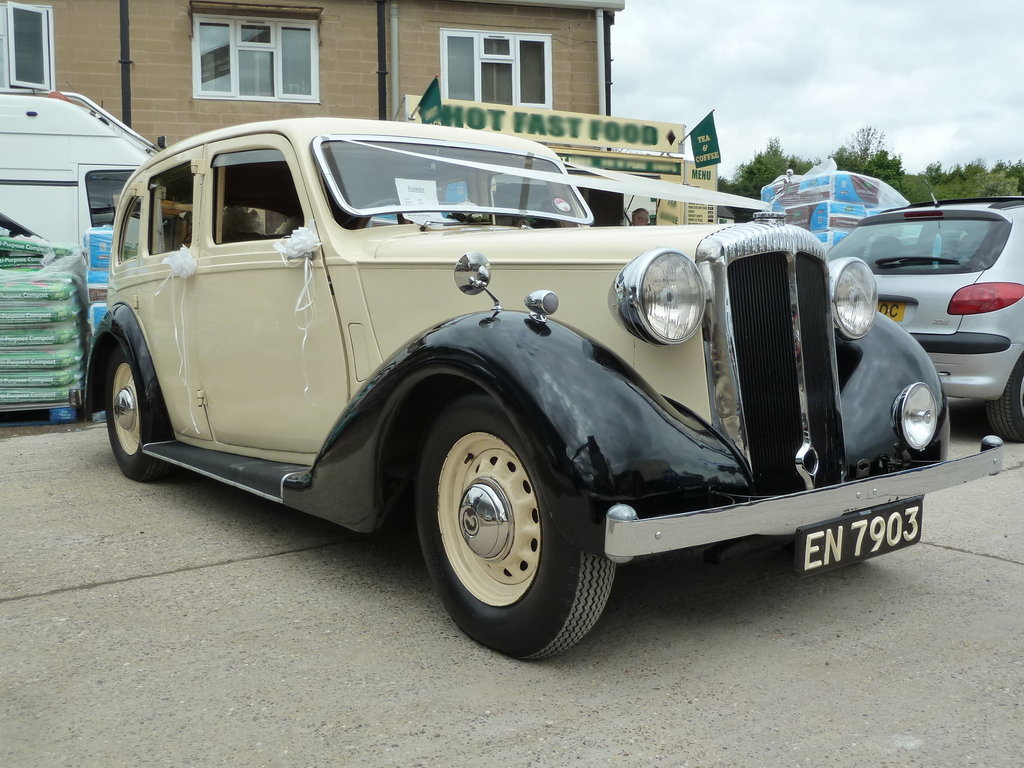
    Rolls-Royce Silver Cloud I

    New, very rigid welded box section chassis, with ifs coil, rear leaf suspension (LWB option). Almost all had the standard Pressed Steel shell, with alloy doors, boot and bonnet. Power steering aircon available as options from 1956.

    Years

    1955-59

    Engine

    4887cc S6

    Body Style

    Saloon; a few specials

    Production

    7322 (all Mks)

    Power: Weight

    155 hp: 1.95 t

    Dimensions
    5.38 x 1.9 m

    Photo: Wikipedia

    Rolls-Royce Silver Cloud II

    New Rolls-Royce V8 engine gives much improved torque and acceleraton, albeit more complicated to maintain.

    Years

    1959-62

    Engine

    6230cc V8

    Body Style

    Saloon; a few specials

    Production

    Inc above

    Power: Weight

    .

    Dimensions
    .

    Photo: Wikipedia

    Rolls-Royce Phantom V

    Twenty foot long and 2.75 tons. Power steering! Based on the Silver Cloud LWB but a foot and half (46 cm) longer wheelbase and opulent coachbuilt bodies by James Young or by Mulliner and Park Ward (bought by RR and merged).

    Years

    1959-68

    Engine

    6230cc V8

    Body Style

    Limousine; sedanca and sports specials

    Production

    518

    Power: Weight

    2.5 t.

    Dimensions
    6.1 m

    Photo: Flickr

    Rolls-Royce Silver Cloud III

    Lightened by c. 5%. New quad headlamps, and slightly lower grille. Higher compression engine giving c. 7% more power. Remodelled interior.

    Years

    1962-65

    Engine

    6230cc V8

    Body Style

    Saloon; a few specials

    Production

    Inc above

    Power: Weight

    c. 220 hp

    Dimensions
    .

    Rolls-Royce Silver Cloud III

    Most famous of the specials: by Mulliner Park Ward, and derived from their earlier Bentley bodies.

    Years

    1962-65

    Engine

    6230cc V8

    Body Style

    Coupé, DHC

    Production

    Inc above

    Power: Weight

    .

    Dimensions
    .

    Rolls-Royce Silver Shadow I

    New generation ‘slab-sided’ unitary Rolls-Royce, more compact and modern that the Silver Cloud it replaced. The concept emerged from work with BMC. Self-levelling independent suspension and disc brakes. Bigger engine from 1970.

    Years

    1965-76

    Engine

    6230cc/6750cc V8

    Body Style

    Saloon

    Production

    16,717

    Power: Weight

    .

    Dimensions
    .

    Rolls-Royce Phantom VI

    The last separate-chassis Rolls-Royce, with bodies by MPW and updated engine (bigger from 1978), transmission, brakes, steering, aircon. When used by Queen Elizabeth II, the Spirit of Ecstasy was replaced by a St George slaying the dragon.

    Years

    1968-90

    Engine

    6230/6750cc V8

    Body Style

    Limousine; a few Landaulet

    Production

    309 + 65 larger engine

    Power: Weight

    .

    Dimensions
    .

    Photo: Flickr

    Rolls-Royce Silver Shadow Coupé

    Coachbuilt (Mulliner Park Ward or rarely James Young) coupé and convertible models. Became the Corniche in 1971.

    Years

    1965-70/1966-70

    Engine

    6230cc/6750cc V8

    Body Style

    2-dr saloon/DHC

    Production

    1386 / 1737 DHC

    Power: Weight

    .

    Dimensions
    .

    Photo: Flickr

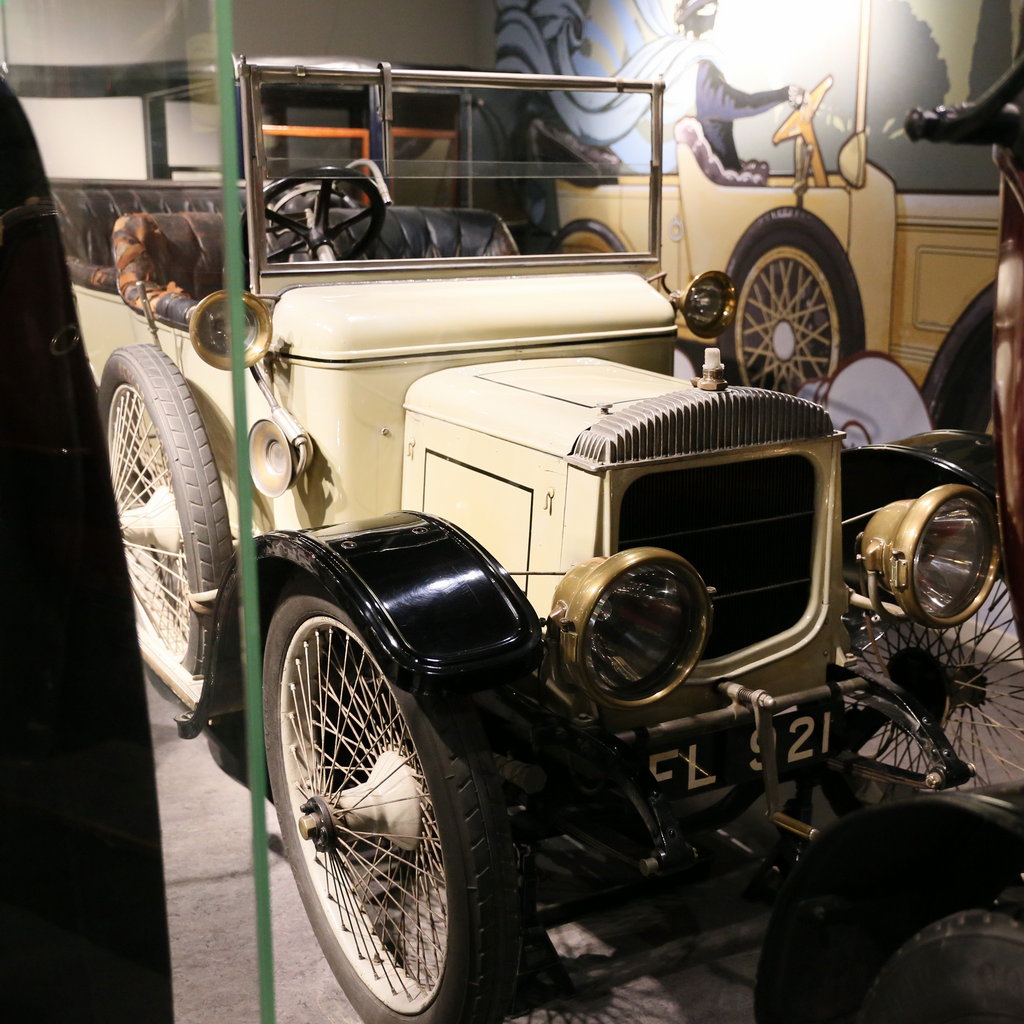
    Rolls-Royce Camargue

    Limited production Pininfarina-styled alternative to Corniche, not to everyone’s taste, and costing half as much again. Struggled to justify its tag as the world’s most expensive production car, although the world’s best aircon helped.

    Years

    1975-85

    Engine

    6750cc V8

    Body Style

    2-dr coupé

    Production

    531

    Power: Weight

    .

    Dimensions
    .

    Photo: Flickr

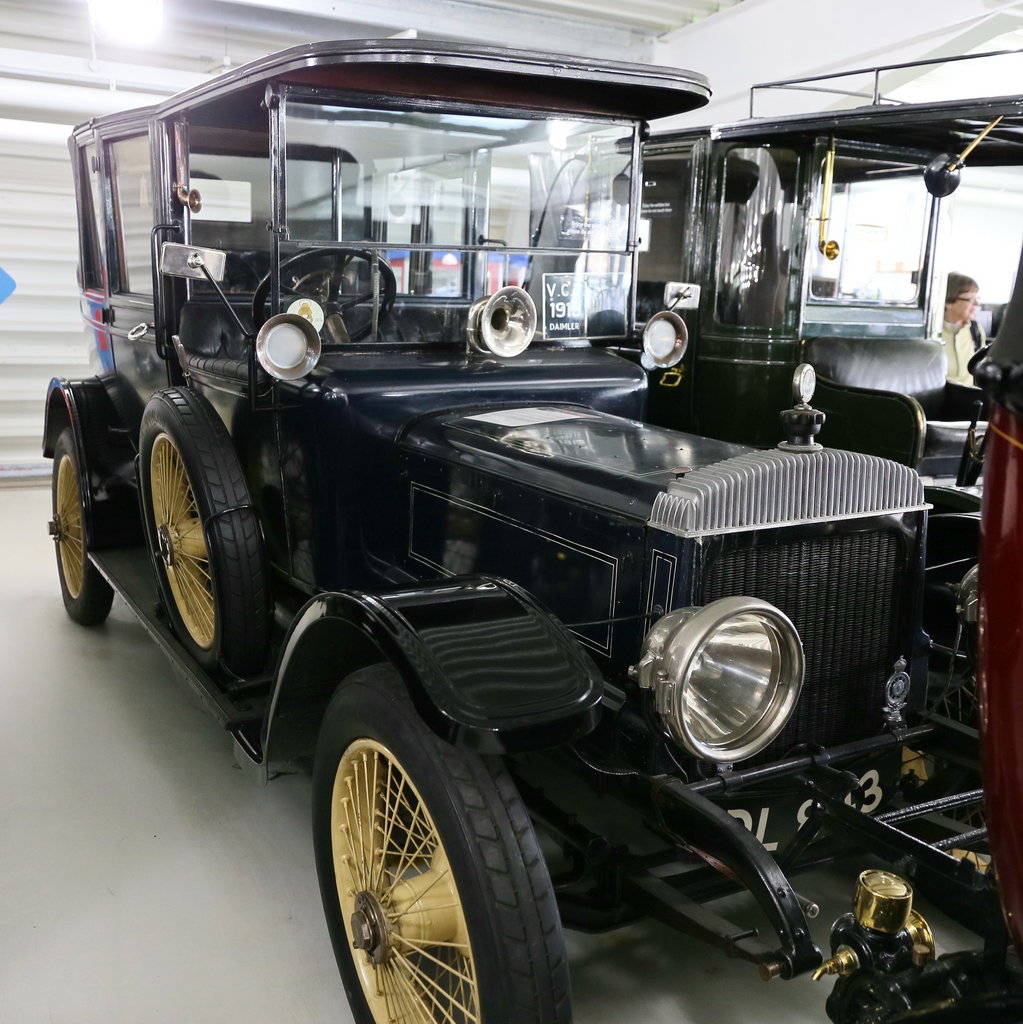
    Rolls-Royce Silver Shadow II

    Rack and pinion steering, improved aircon. Facelift including air dam.

    Years

    1977-80

    Engine

    6750cc V8

    Body Style

    Saloon

    Production

    8422

    Power: Weight

    .

    Dimensions
    .

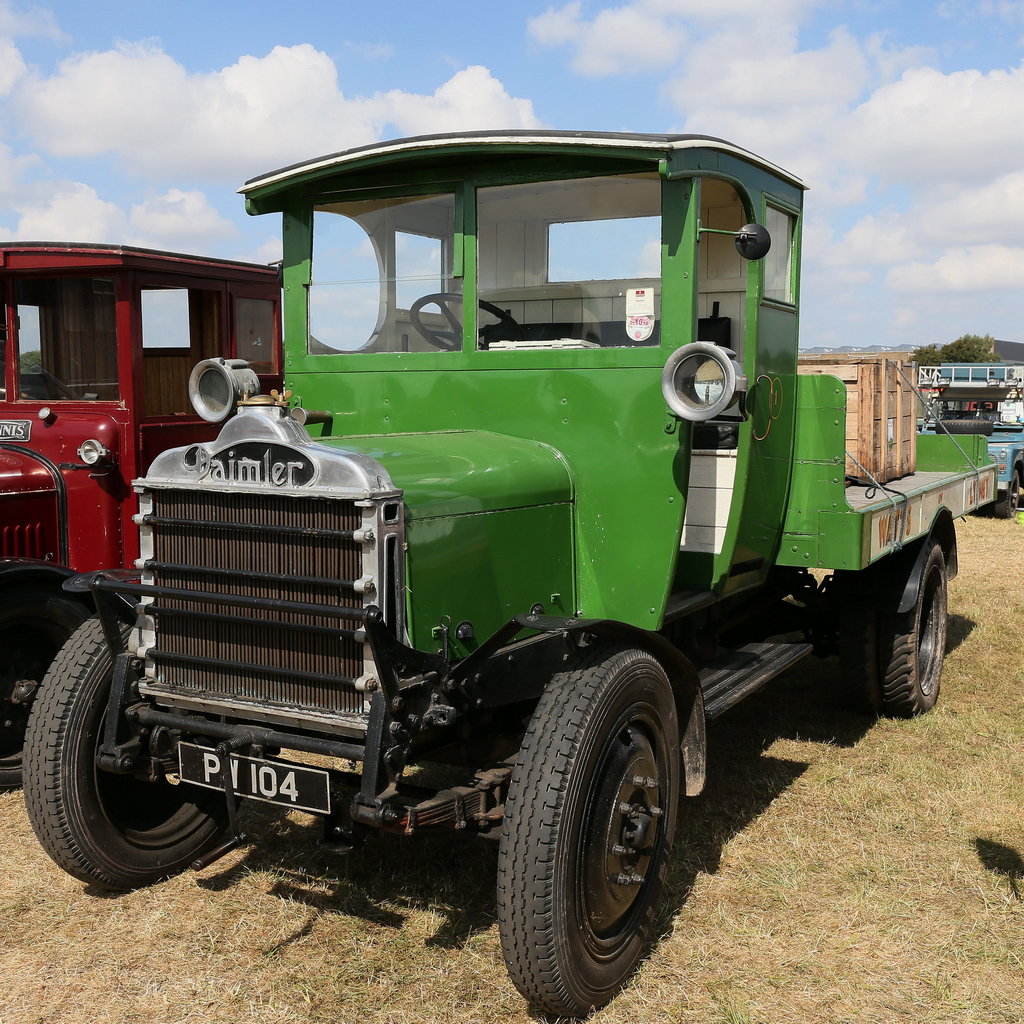
    Rolls-Royce Corniche II/III/IV

    Coupé dropped in 1981 after Silver Spirit launch. III had revised fuel injection and interior; IV had improved transmission, suspension and roof automation. Last 25 “S” cars had turbo; model dropped at launch of New Silver Spirit (IV).

    Years

    1986-89/1989-92/1992-95

    Engine

    6750cc V8

    Body Style

    Coupé, convertible

    Production

    c. 968 + 266 DHC / 452

    Power: Weight

    .

    Dimensions
    .

    Corniche III had colour-coded bumpers and new wheels
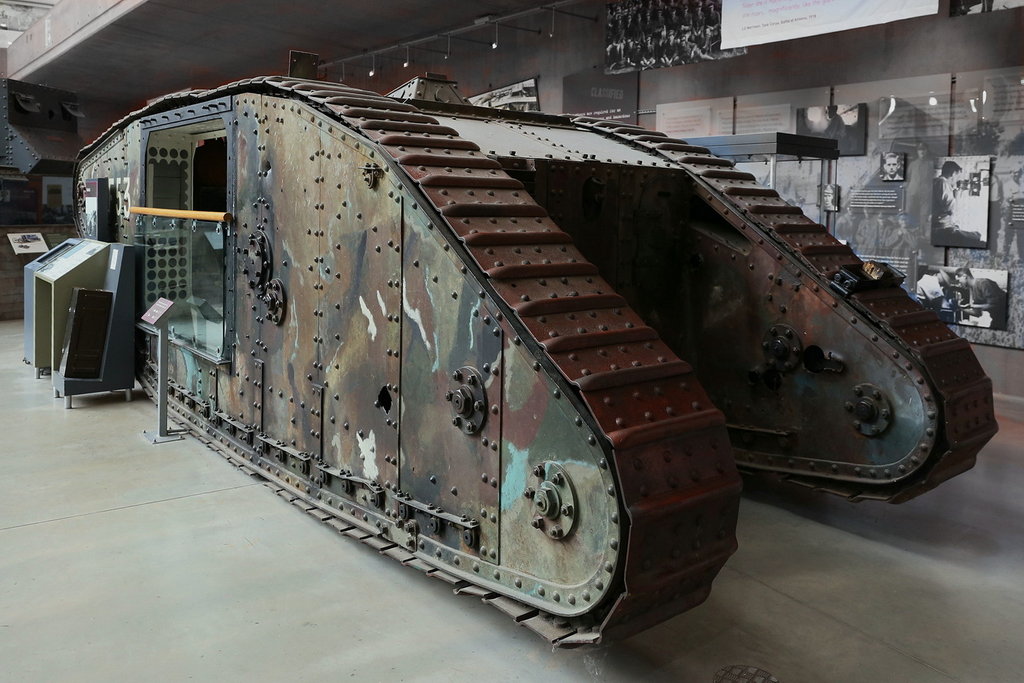
    Rolls-Royce Silver Wraith

    10 Silver Shadow MkI “Limousine” cars were made in 1967 with 4″ improved rear leg room, and a LWB MkI was available from 1969. When the MkII was launched the LWB became the Silver Wraith.

    Years

    1977-80

    Engine

    6230cc/6750cc V8

    Body Style

    LWB saloon

    Production

    Inc with Shadow

    Power: Weight

    .

    Dimensions
    .

    Photo: Wikipedia

    Rolls-Royce Silver Spirit / Silver Spur I

    Longer, lower, heavier Silver Shadow replacement on same basic platform; still with peerless ride and interior craftmanship. Fuel injection from 1986. Silver Spur has 4″ wheelbase extension for rear cabin space.

    Years

    1980-89

    Engine

    6750cc V8

    Body Style

    Saloon

    Production

    8126/6240

    Power: Weight

    .

    Dimensions
    .

    Rolls-Royce Silver Spirit II/III/IV

    Silver Spirit/SilverSpur updated with active suspension; III had new auto and more power; Silver Dawn (1996 on) had low-pressure turbo from the Bentley Brooklands; the Flying Spur had the LWB and Turbo R engine.

    Years

    1989-98

    Engine

    6750cc V8

    Body Style

    Saloon

    Production

    1508 & 3000+ Silver Spur & 133 FS

    Power: Weight

    .

    Dimensions
    .

    Almost always alloy wheels now

    Rolls-Royce Silver Spur Limousine

    Silver Spirit-based Phantom replacement, in a various guises: first the approved 4- and 6-dr Robert Jankel cars; then an MPW 42″ stretch; then, from ’91 the 24″ stretched Touring Limo evolving to the Park Ward limo from 1996

    Years

    1984-99

    Engine

    6750cc V8

    Body Style

    Limousine

    Production

    316

    Power: Weight

    .

    Dimensions
    .

    Photo: Flickr

    Rolls-Royce Silver Seraph

    Vickers-financed all-new car with traditionally peerless attention to detail: a brand figurehead, but the Crewe future was now Bentley. The famously smooth BMW M73 engine was used, with BMW drivetrain, electronics, brakes and aircon.

    Years

    1998-2002

    Engine

    5379cc V12 BMW NA

    Body Style

    Saloon/Park Ward Limousine

    Production

    1443 + 127 Park Ward

    Power: Weight

    .

    Dimensions
    .

    Photo: Flickr

    Rolls-Royce Corniche V

    Bentley-Azure-based replacement for the Corniche IV, so actually on the older SZ platform and using the venerable Rolls-Royce V8. Styling brought up-to-date to match the Seraph. First RR with fully retractable soft top.

    Years

    1999-2002

    Engine

    5379cc V12 BMW NA

    Body Style

    Saloon/Park Ward Limousine

    Production

    384

    Power: Weight

    .

    Dimensions
    .

    Photo: Wikipedia

  • Rolls-Royce (1905-1939)

    Rolls-Royce (1905-1939)

    Founded in 1904, following a meeting between Charles Rolls and Henry Royce, the marque quickly defined automotive luxury. The 1906 Silver Ghost established their reputation for “the best car in the world” through unprecedented silence and reliability.

    Post-WWI, they expanded with the Phantom series and US production in Springfield. After acquiring Bentley in 1931, they pivoted toward the advanced Phantom III V12. By 1939, Rolls-Royce shifted focus to aero-engines, like the Merlin, to support the war effort.

    Rolls-Royce 10 HP

    Made by Royce in Manchester, based on his earlier prototype; sold by Rolls. Discontinued before the planned 20 were made because, tellingly) a twin was felt less appropriate than the larger models.

    Years

    1904-06

    Engine

    1800/1995cc S2

    Body Style

    Tourer

    Production

    16

    Power: Weight

    .

    Dimensions
    .

    Photo: Wikipedia

    Rolls-Royce 15 / 20 / 30 HP

    Suitable for larger bodies. The 15 HP (shown) followed a 3-cylinder fashion but quickly discontinued as the remaining models were modular 2, 4 or 6 cylinders.

    Years

    1905/1905-08/1905-06

    Engine

    3000cc S3

    Body Style

    Various

    Production

    6/40/37

    Power: Weight

    .

    Dimensions
    .

    Photo: Flickr

    Rolls-Royce 40/50 ‘Silver Ghost’

    Produced in Derby from July 1908. ‘Silver Ghost’ was a demonstrator – the 12th car built: only becaming official for the range retrospectively. Autocar called it the “best car in the world” – a phrase which has stuck for the brand.

    Years

    1906-14

    Engine

    7036/7428cc S6

    Body Style

    Various

    Production

    7874

    Power: Weight

    .

    Dimensions
    .

    Rolls-Royce 40/50 ‘Alpine Eagle’

    Another unofficial moniker – this was the Continental model – productionised from the 4-speed higher tune car prepared for the team’s splendid performance in the Alpine Trial of 1914.

    Years

    1914

    Engine

    7428cc S6

    Body Style

    Sports tourer

    Production

    Inc above

    Power: Weight

    .

    Dimensions
    .

    Rolls-Royce Twenty

    The economy Rolls-Royce, intended to appeal to owner-drivers. New single-casting engine with removable head. Could do 60 mph with recommended body weight – but this weight was often exceeded.
    Years

    1922-29

    Engine

    3127cc S6

    Body Style

    Various

    Production

    2940.

    Power: Weight

    .

    Dimensions

    .

    Rolls-Royce 40/50 Silver Ghost

    The Silver Ghost developed over time, and by 1919 had electric lighting and starting. They had much more power than the early cars, allowing for heavier bodies on longer wheelbases. More standardised, also suiting USA production.

    Years

    1918-26 (1921-26 in US)

    Engine

    7428cc S6 SV

    Body Style

    Various

    Production

    Inc above

    Power: Weight

    .

    Dimensions

    .

    Rolls-Royce 40/50 New Phantom

    Replacement for the Silver Ghost, with a new OHV engine, cast in 2 groups of 3 cylinders with a single head (aluminium from 1928). Chassis largely unchanged. Improved brakes. Cantilever rear springs like later Silver Ghosts.

    Years

    1925-31

    Engine

    7668cc S6 OHV

    Body Style

    Various

    Production

    3512

    Power: Weight

    .

    Dimensions

    .

    Rolls-Royce 20/25

    Bored out to achieve more power to carry larger bodies. The most successful inter-war Rolls-Royce, and the basis of the ‘silent sportscar’ Bentley, to retain the resources and market of that newly acquired company.

    Years

    1929-36

    Engine

    3669cc S6

    Body Style

    Various

    Production

    3827

    Power: Weight

    .

    Dimensions

    .

    Rolls-Royce Phantom II

    All new underslung chassis with semi-elliptic leaf springs all round, gearbox bolted to engine. With open drive shaft, this allowed car to sit lower improving handling and looks. Continental had shorter wheelbase and stiffer springs.

    Years

    1929-35

    Engine

    7668cc S6

    Body Style

    Various

    Production

    1681 (inc 281 Continental)

    Power: Weight

    .

    Dimensions

    .

    Rolls-Royce Phantom II Tourer

    One of the pinnacles of pre-war design, the sleek and ‘majestic’ tourers could cruise in near-silence at 70 mph, with notably good handling.

    Years

    1929-35

    Engine

    7668cc S6

    Body Style

    Various

    Production

    Inc above

    Power: Weight

    .

    Dimensions

    .

    Rolls-Royce 25/30

    Another bore out for more power for bigger bodies.

    Years

    1936-38

    Engine

    4257cc S6

    Body Style

    Various

    Production

    1201

    Power: Weight

    .

    Dimensions

    .

    Photo: Flickr

    Rolls-Royce Phantom III

    Royce’s last design, using aero experience and W. O. Bentley consultancy, the new aluminium alloy V12 engine offered peerless smoothness and performance. Complications such as 2 ignition and 3 oil systems though. Very heavy car too!

    Years

    1936-39

    Engine

    7338cc V12 OHV

    Body Style

    .

    Production

    727

    Power: Weight

    .

    Dimensions

    .

    Various

    Rolls-Royce Wraith

    25/30 replacement. Welded chassis, front coil springs, crossflow head. Speed-adaptive damping, like the Phantom.

    Years

    1938-39

    Engine

    4257cc S6

    Body Style

    Various

    Production

    492

    Power: Weight

    .

    Dimensions

    .

    Photo: Flickr

  • AC (1945-2000)

    AC (1945-2000)

    After WWII, AC Cars transitioned from military production (including fire engines and components for Fairey aviation), continuing to make ‘invalid carriages’ for the UK government. In 1947, they introduced a new range of luxury saloons and tourers, using their own pre-war engine.

    The 1950s marked a turning point with the aluminum-bodied Ace and Aceca, which gained fame with Bristol engines. In 1961, collaborating with Carroll Shelby, AC created the legendary Cobra by fitting a Ford V8 into the Ace chassis. Despite racing success, financial issues in the 1970s led to the mid-engined 3000ME, before production ceased in 1984.

    AC 2-Litre

    Aluminium panels on wooden frame and steel chassis, rigid axles with springs and now hydraulic dampers. Capable of 80 mph.

    Years

    1947-58

    Engine

    1991c S6

    Body Style

    2/4-dr saloon, DHC, Buckland tourer

    Production

    1284

    Power: Weight

    .

    Dimensions

    .

    Photo: Flickr

    AC Ace

    John Tojeiro design using a ladder-type tubular frame, independent leaf spring suspension, and an open 2-seater alloy body possibly inspired by Ferrari. Bristol-engined from ’56 (initially optional) and Bristol extended production until ’63. Zephyr engine an option from ’61.

    Years

    1953-63

    Engine

    1991/1971/2553cc S6

    Body Style

    Sports

    Production

    220 / 466 / 37

    Power: Weight

    .

    Dimensions

    .

    AC Aceca

    Fixed head version of the Ace – with a hatchback!

    Years

    1954-63

    Engine

    1991/1971/2553cc S6

    Body Style

    Sports coupé.

    Production

    357

    Power: Weight

    .

    Dimensions

    .

    AC Greyhound

    AC’s grand tourer, with 10″ longer wheelbase and independent coil spring suspension and rear trailing arms.

    Years

    1959-63

    Engine

    1991/2216/2553cc S6

    Body Style

    2+2 sports coupé

    Production

    82

    Power: Weight

    .

    Dimensions

    .

    Photo: Flickr

    AC Cobra 260 / 289

    A natural extension from the straight 6 Zephyr-engined Ace (including lower lines), but transformational. Achieved in collaboration with Carroll Shelby, who had long cherished the idea of a merger with an American V8 and lightweight sportscar body.

    Years

    1962-68

    Engine

    4261/4727 cc V8

    Body Style

    Sportscar

    Production

    75 / 571 / 27

    Power: Weight

    .

    Dimensions

    .

    289 Sports (1965-68) had Mk III (427) body with narrower wings

    AC Cobra 427 / 428

    Designed in collaberation with Ford USA. 4″ main chassis tubes, coil spring suspension all around. Wider wings and grille. The standard model could do 164 mph! Not commercially successful. 428 was lower tuned bigger-engined version purely for road use.

    Years

    1965-66

    Engine

    4261/4727 cc V8

    Body Style

    Sportscar

    Production

    306

    Power: Weight

    425-485 bhp

    Dimensions

    .

    AC 427 / 428

    The GT version of the Cobra, with body styled and built by Frua. High production costs meant that it was not profitable.

    Years

    1965-73

    Engine

    6997/7016 cc V8

    Body Style

    GT coupé or convertible

    Production

    81

    Power: Weight

    .

    Dimensions

    .

    AC 3000 ME

    Based on Bohanna’s ‘Diablo’ prototype shown at the London Racing Car Show in 1972, AC’s own version was shown at the 1973 motor show – but not sold until the 1979 show. Perimeter frame, with central tub of folded sheet steel with an integrated roll-over bar; coil springs all round.

    Years

    1979-85

    Engine

    2994cc V6 Ford ‘Essex’

    Body Style

    Sports coupé

    Production

    101

    Power: Weight

    .

    Dimensions

    .

    Photo: Flickr

    AC Cobra MkIV

    In 1986, Autokraft (a continuation builder) bought AC Cars, and made official their Mk IV Cobra, , which was capable of 134 mph and 0–62 mph in 5.2 seconds. Ford joined the joint venture in 1987.

    Years

    1983-96

    Engine

    4942cc V8 Ford

    Body Style

    Sportscar

    Production

    .

    Power: Weight

    250 hp.

    Dimensions

    .

    Photo: Flickr

    AC Ace

    Designed while AC was under full Ford ownership, but not going into production until after Autokraft founder Brian Ingliss bought out the company. Completely new design, but expensive to produce, and to buy, even given the undoubted luxury.

    Years

    1998-2000

    Engine

    4601cc V8 DOHC Ford SC

    Body Style

    Sportscar

    Production

    .

    Power: Weight

    .

    Dimensions

    .

    Photo: Flickr

    AC Superblower

    In 1996 the company was purchased by Pride Automotive. The ‘Superblower’ was their aluminium-bodied initial offering.

    Years

    1997-98

    Engine

    4942cc V8 Ford SC

    Body Style

    Sportscar

    Production

    22

    Power: Weight

    320 hp

    Dimensions

    .

    Photo: C&C

    AC CRS

    The carbon bodied CRS followed in 1999. Cheaper to make, and to buy, but under-powered compared to rivals.

    Years

    1999-2001

    Engine

    4942cc V8 Ford

    Body Style

    Production

    37

    Power: Weight

    225 hp

    Dimensions

    .

    Photo: Flickr

  • Frazer Nash (1925-58)

    Frazer Nash (1925-58)

    Archibald Frazer Nash left GN (q.v.) in 1922 to set up his own business. Initially, he offered OHV conversions on Rovers, modified GN cars, and rebodied some Deemster cars.

    True Frazer Nash cars, on similar chassis to GN cars and with chain-drive transmission were made from 1924. Produced mainly in Kingston upon Thames and later Isleworth, the pre-war “chain-gang” cars utilized sprocket-and-chain gearing, allowing rapid gear changes and a locked rear axle, perfect for motorsport. Only around 400 chain-driven models were made before production ended in 1939.

    Post-war, under AFN Ltd (Aldington family control), the company produced 85 specialized cars until 1957. Featuring Bristol engines, models like the Le Mans Replica achieved significant success. AFN also famously imported BMWs, rebranding them as Frazer Nash-BMWs, and later acted as official Porsche agents.

    Frazer Nash Super Sports / Fast Tourer

    Tourer had longer wheelbase and running boards. From 1925 a more sporting model, the Boulogne, with a more highly tuned Anzani engine was available, a few with ‘Boulogne Vitesse’ had superchargers; Ulster was the competition version.

    Years

    1925-32

    Engine

    1496cc S4 Plus-Power/Anzani

    Body Style

    Sports, tourers

    Production

    165 + 30 Boulogne + 5 Ulster

    Power: Weight

    .

    Dimensions

    .

    Frazer Nash Interceptor, Falcon & Sportop

    HJ Aldington took over in 1929, and the Fast Tourer was replaced with various models still with 2, 3 or 4 seats on long or short chassis, with SV or OHV engines. Intercepors are aluminium; sportops fabric.

    Years

    1930-32

    Engine

    1496cc S4

    Body Style

    Various tourers

    Production

    25

    Power: Weight

    .

    Dimensions

    .

    Photo: Bonhams

    Frazer Nash Colmore

    Usually a 4-seater tourer, with 4 / 6-cylinder engines from Meadows / Blackburne. Cheaper Exeter had bodies by Corsica on short chassis. Aluminium panels. Last ‘chain gang’ car.

    Years

    1932-39

    Engine

    1496cc S4 Meadows / 1660cc S6 DOHC Blackburne

    Body Style

    Tourer

    Production

    19 + 5 Exeter

    Power: Weight

    .

    Dimensions

    .

    Frazer Nash-BMW Type 35 / 40

    Right-hand drive version of BMW 315, with English trim and electrics – some with English bodies. Triple carb sports model available as Type 40. Type 45 is UK version of BMW 317 (55 has the 3 carbs).

    Years

    1934-37

    Engine

    1490/1911cc S6 OHV

    Body Style

    Sportscar, tourer, saloon.

    Production

    .

    Power: Weight

    .

    Dimensions

    .

    Photo: Flickr

    Frazer Nash BMW 328

    Pre-war 100 mph classic BMW sportscar, with triple carb, hemi head and hydraulic brakes. Imported and converted for the UK by AFN.

    Years

    1936-39

    Engine

    1971cc S6 OHV

    Body Style

    Sportscar

    Production

    .

    Power: Weight

    .

    Dimensions

    .

    Frazer Nash TT Replica

    The classic 2-seater sports Nash of the 1930s. Gough, Meadows, Blackburne engines, plus 1 Anzani engined Ulster and 1 SWB 1.9l BMW ‘Falcon’.

    Years

    1932-38

    Engine

    1496cc S4 / 1660cc S6

    Body Style

    Sportscar

    Production

    83 + 1 Ulster + 1 BMW

    Power: Weight

    .

    Dimensions

    .

    Photo: Flickr

    Frazer Nash Shelsey

    Straight-tube front axle with cantilever springs. 4-cylinder Gough engine, usually with twin supercharger, giving 105 mph.

    Years

    1934-36

    Engine

    1496cc S4 / 1660cc S6

    Body Style

    Sportscar

    Production

    .

    Power: Weight

    .

    Dimensions

    .

    Photo: ClassicMotors

    Frazer Nash Le Mans Replica

    Named after the 1949 Le Mans 3rd place. AFN owned the UK rights to the BMW 328 engine, and licensed it to Bristol (q.v.). Conventional gearbox, also from Bristol. ‘FN48’ built to F2 regs – GP raced.

    Years

    1948-53

    Engine

    1971cc S6

    Body Style

    Sports

    Production

    34 + 3 F2

    Power: Weight

    Up to 125 hp

    Dimensions

    .

    Frazer Nash Mille Miglia

    Full width body and detuned from the Le Mans Replica but still a 100 mph car.

    Years

    1948-53

    Engine

    1971cc S6

    Body Style

    .

    Production

    12

    Power: Weight

    .

    Dimensions

    .

    Poor photo with grille

    Frazer Nash Targa Florio / Le Mans Coupe

    Mille Miglia replacement with light alloy, full-width body with a choice of 100 or 125 hp engines. The coupé was designed for Le Mans… and had a roof!

    Years

    1952-54/1953-55

    Engine

    1971cc S6

    Body Style

    Sportscar, sports coupé

    Production

    15 / 9

    Power: Weight

    .

    Dimensions

    .

    Frazer Nash Sebring

    Full-width body on Le Mans Replica Mk II chassis with 140 hp engine.

    Years

    1954

    Engine

    1971cc S6

    Body Style

    .

    Production

    3

    Power: Weight

    .

    Dimensions

    .

    Photo: Flickr

    Frazer Nash Continental Gran Turismo

    Shown and listed at 1958 London Motor Show, with BMW engine. The company’s last fling, but production never got underway.

    Years

    1957-58

    Engine

    3168cc V8

    Body Style

    Sports coupé

    Production

    2

    Power: Weight

    .

    Dimensions

    .

    Photo: Wikipedia

  • Bristol (1946-2011)

    Bristol (1946-2011)

    Founded in 1946 as a postwar diversification of the Bristol Aeroplane Company, Bristol Cars combined aircraft engineering standards with luxury automotive design.

    Initially utilising BMW-derived engines, the Filton-based manufacturer produced hand-built luxury sports tourers, such as the 400 and 401. Throughout the 1950s and 60s, models like the 405 gained a reputation for elite quality and performance, later using Chrysler V8 engines. Despite limited production and liquidation in 2020, the marque is famous for its discreet, bespoke British vehicles. 

    Bristol 400

    A hand-made BMW-based saloon with wooden interior trim. Aero industry heritage clear in its wind tunnel aerodynamics, and in the re-engineering of the BMW engine, with aluminium head, helped by ex-BMW engineer Frtiz Fiedler.

    Years

    1946-50

    Engine

    1971cc S6

    Body Style

    Sports saloon

    Production

    700

    Power: Weight

    .

    Dimensions

    .

    Bristol 401

    Redesign by Carrozzeria Touring, using their patented Superleggera construction – light alloy panels over a steel tube frame. Productionised and streamlined by the Bristol aero engineers – the drag coefficient was just 0.36.

    Years

    1948-53

    Engine

    .

    Body Style

    Sports saloon

    Production

    650

    Power: Weight

    .

    Dimensions

    .

    Bristol 402

    Convertible with concealed hood.

    Years

    1949-50

    Engine

    1971cc S6

    Body Style

    Sports DHC

    Production

    20

    Power: Weight

    .

    Dimensions

    .

    Photo: Flickr

    Bristol 403

    Evolution of 401 with more power and better brakes.

    Years

    1953-55

    Engine

    1971cc S6

    Body Style

    Sports saloon

    Production

    300

    Power: Weight

    .

    Dimensions

    .

    Bristol 404

    Businessman’s express, with hole in the wall front end and spare wheel stowed in front wings. Alloy panels on an aerospace-style ash frame, which was found to better absorb vibration and be more flexible in manufacture and repair.

    Years

    1954-55

    Engine

    1971cc S6

    Body Style

    Sports coupé

    Production

    44

    Power: Weight

    .

    Dimensions

    .

    Arnolt-Bristol (404X)

    Arnolt’s solution to fulfilling his contractual obligation to Bertone after MG ended previous deal. 403 engine, 404 chassis and Bertone body.

    Years

    1954-59

    Engine

    1971cc S6

    Body Style

    Racer

    Production

    142

    Power: Weight

    .

    Dimensions

    .

    Bristol 405

    Long-wheelbase 4-door saloon or convertible by Abbott.

    Years

    1954-58.

    Engine

    1971cc S6

    Body Style

    4-dr saloon; convertible

    Production

    297 + 43

    Power: Weight

    .

    Dimensions

    .

    Bristol 406

    Back to 2 doors for market positioning and easier ash-frame engineering. Enlarged engine gives more power, but luxurious appointments add weight.

    Years

    1958-61

    Engine

    2216cc S6

    Body Style

    Coupé

    Production

    .

    Power: Weight

    .

    Dimensions

    .

    Bristol 450 Le Mans

    Based on an abortive ERA F2 car, the 450 was built for Le Mans 24-hrs, at which they won both their class and the team prize in both 1954 and 1955. Bristol withdrew from motorsport after the disaster in 1955.

    Years

    1953-55

    Engine

    1971cc S6

    Body Style

    Racing coupé

    Production

    c. 4

    Power: Weight

    .

    Dimensions

    .

    Photo: Flickr

    Bristol 407

    Without the resources to develop their own replacement engine, Bristol began using blue-printed and upgraded Chrysler engines. Front coil springs.

    Years

    1961-63

    Engine

    5130cc V8 Chrysler

    Body Style

    2-dr saloon

    Production

    300

    Power: Weight

    .

    Dimensions

    .

    Photo: Flickr

    Bristol 408

    New wider grille incorporates driving lights. Lower lines, driver-adjustable dampers. Performant and quiet, but heavy steering.

    Years

    1964-65

    Engine

    5130/5211cc V8 Chrysler

    Body Style

    2-dr saloon

    Production

    300

    Power: Weight

    .

    Dimensions

    .

    Photo: Flickr

    Bristol 409

    Slightly enlarged engine, smoother ride and gearshifts, power steering, heated rear screen, alternator. A more modern machine, but not a sportscar.

    Years

    1965-67

    Engine

    5211cc V8 Chrysler

    Body Style

    2-dr saloon

    Production

    300

    Power: Weight

    .

    Dimensions

    .

    Photo: Flickr

    Bristol 410

    Floor-mounted gear selector, following Chrysler’s lead, dual-circuit brakes, smaller 15″ wheels. More side chrome.

    Years

    1967-69

    Engine

    5211cc V8 Chrysler

    Body Style

    2-dr saloon

    Production

    300

    Power: Weight

    .

    Dimensions

    .

    Photo: Flickr

    Bristol 411 S1-2

    Big-block engines, re-engineered with hydraulic tappets and bespoke tuning to ensure a cultured feel at normal speeds. But more dynamic than a Bentley, and marketed as the world’s fastest true 4-seater. Aircon, electric windows.

    Years

    1969-76

    Engine

    6277cc V8 Chrysler

    Body Style

    2-dr saloon

    Production

    c. 145

    Power: Weight

    .

    Dimensions

    .

    Less chrome, samller fins

    Bristol 411 S3-5

    Restyled front end with quad headlights; blacked out grille for S5.

    Years

    1969-76

    Engine

    6277/6556cc V8 Chrysler

    Body Style

    2-dr saloon

    Production

    c. 135

    Power: Weight

    .

    Dimensions

    .

    Horizontal tail lights from S4

    Bristol 412 / Beaufighter

    New targa sports body by Zagato, anticipating safety regulation. Beaufighter was the turbo version. Rare Beaufort had 4 seats and power hard roof.

    Years

    1975-93

    Engine

    6277/6556/5899cc V8 Chrysler

    Body Style

    .

    Production

    c. 98

    Power: Weight

    .

    Dimensions

    .

    Beaufigher has quad headlights

    Bristol 603; Britannia/Brigand

    New saloon body by Dudley Hobbs with flatter panels, so easier to hand hammer. Much more spacious and better visibility – windscreen wider than lower bodywork! More economical engines. Facelift was Britannia (Brigand had turbo).

    Years

    1976-82; 1982-93

    Engine

    5899cc V8 Chrysler

    Body Style

    2-dr saloon

    Production

    c 140; c. 45

    Power: Weight

    .

    Dimensions

    .

    Bristol 603 Blenheim

    Final update – restyled, and with fuel injection. Maintained characteristic narrow body for the sake of drivability. About 12 Roadster/Speedster version ran 2004-11.

    Years

    1993-2011

    Engine

    5900cc V8 Chrysler

    Body Style

    2-dr saloon

    Production

    c. 117 + c. 12 roadster/speedster

    Power: Weight

    .

    Dimensions

    .

    Bristol Fighter

    210mph supercar with modified Dodge Viper engine well forward of front axle on box-section chassis with aluminium floorpan (by Bostrom). Nimble and civilised, with quirky aero interior. Prototype “T” had twin-turbo and was limited to 225 mph.

    Years

    2004-11

    Engine

    8000cc V10 Chrysler

    Body Style

    Sports coupé

    Production

    14 + 5 initially unfinished + 1 GT2

    Power: Weight

    525, 628 (S), 1012 (T) bhp

    Dimensions

    .

    Photo: Wikipedia

  • Armstrong Siddeley (1919-1939)

    Armstrong Siddeley (1919-1939)

    Armstrong Siddeley was formed in 1919 when Armstrong Whitworth (q.v.) acquired Siddeley-Deasy (q.v.). Vickers bought out the holding company, John Siddeley bought out the car and aircraft businesses.

    Armstrong Siddeley became synonymous with high-quality engineering and Sphinx-like silence. They famously pioneered the Wilson pre-selector gearbox, which simplified gear changes for luxury owners. Their pre-war pinnacle was the 1932 Siddeley Special, featuring a lightweight aircraft-alloy engine. This aviation heritage defined the marque’s reputation for precision up to the Second World War.

    Armstrong Siddeley 30

    Very large car but good value. 2-wheel brakes and twin inline blocks until 1925. Wilson preselector from 1928. Aero-engine heritage showed in the use of aluminium.

    Years

    1919-31

    Engine

    4960cc S6

    Body Style

    Various

    Production

    2770

    Power: Weight

    .

    Dimensions

    .

    Photo: ASHT

    Armstrong Siddeley 18

    Scaled-down 30 for two-thirds the cost. 18/50 or MkII from 1925. Long version available for limousine bodywork in 1926.

    Years

    1921-26

    Engine

    2380cc/2872cc S6

    Body Style

    Various

    Production

    2500

    Power: Weight

    .

    Dimensions

    .

    Photo: Flickr

    Armstrong Siddeley 14/4 (14/30)

    Economy model with just four cylinders, suited to the times, but still well built. Flat radiator, reminiscent of the Stoneleigh sub-brand (q.v.) which it effectively replaced.

    Years

    1923-29

    Engine

    1852cc S4

    Body Style

    .

    Production

    13,365

    Power: Weight

    .

    Dimensions

    .

    Photo: Flickr

    Armstrong Siddeley 20

    Replaced the 18, and was an important model, appealing to professional classes, and becoming the firm’s best seller. Underslung chassis and centralised lubrication from 1928.

    Years

    1926-36

    Engine

    2872cc

    Body Style

    Short/long

    Production

    8847

    Power: Weight

    .

    Dimensions

    .

    Photo: Flickr

    Armstrong Siddeley 15; 15/6

    Upgraded 14 – although a reversion to side-valve, which fashionable at the time. Traditional AS radiator grille from 1930. Quiet, smooth and flexible.

    Years

    1927-29; 1929-34

    Engine

    1900cc S6 (2169cc from 1933)

    Body Style

    Tourer, saloon, sports

    Production

    7203

    Power: Weight

    .

    Dimensions

    .

    Photo: CSC

    Armstrong Siddeley 12

    The smallest Armstrong Siddeley. Helped start of trend for small displacement straight six. Mole or maroon. Even had the pre-selector gearbox from 1931. Vee-radiator from 1934.

    Years

    1929-37

    Engine

    1236cc S6 (1434cc from 1931)

    Body Style

    Tourer, saloon, sports

    Production

    12,500

    Power: Weight

    .

    Dimensions

    .

    Armstrong Siddeley – Siddeley Special

    One of the ultimate pre-war cars, and John Siddeley’s swansong. Choice of wheelbases. Hiduminium alloy (as newly developed by Rolls-Royce for aviation) engine. Fluid flywheel option paired with the pre-selector. High-speed cruiser.

    Years

    1933-37

    Engine

    4960cc S6

    Body Style

    Tourer, saloon, limousine

    Production

    253

    Power: Weight

    .

    Dimensions

    .

    Photo: Flickr

    Armstrong Siddeley 17

    OHV replacement for the 15. Usual AS refinement. Lots of body styles – short: coupé, saloon, sports saloon; long: saloon, tourer, Atalanta sports saloon, limousine, landaulette.

    Years

    1935-39

    Engine

    2394cc S6

    Body Style

    Short/long

    Production

    4260

    Power: Weight

    .

    Dimensions

    .

    Photo: Flickr

    Armstrong Siddeley (12 Plus;) 14

    Bigger and heavier replacement for the 12, largely based on the 17.

    Years

    1936-39

    Engine

    1666cc S6

    Body Style

    Saloon, tourer

    Production

    3750

    Power: Weight

    .

    Dimensions

    .

    Photo: Flickr

    Armstrong Siddeley 20/25

    Enlarged 20 on choice of two wheelbases – the short ones can do 80 mph – the longer are hightly refined. Excellent build quality as usual. Outlived the Special, and took the top end of the range up to WWII.

    Years

    1936-40

    Engine

    3670cc

    Body Style

    Saloon, tourer, Atlanta sports saloon Limousine, landaulette

    Production

    884

    Power: Weight

    .

    Dimensions

    .

    Photo: Bonhams

    Armstrong Siddeley 16

    More modern take on the mid-range car, designed to replace the 17. Platform (near unitary) chassis. Its 1.9-litre was heavily influenced by the company’s aviation expertise, featuring water-cooled valve ports and combustion chambers.

    Years

    1938-41

    Engine

    1991cc

    Body Style

    Saloon, Sports saloon

    Production

    950

    Power: Weight

    .

    Dimensions

    .

    Photo: Flickr

  • British Cars 2: Edwardian

    British Cars 2: Edwardian

    After its slow start, the British car industry emerged as a leader in automotive refinement and luxury. This decade was defined by a shift from experimental ‘toys’ to sophisticated machines, epitomised by the 1906 Rolls-Royce Silver Ghost, which set a worldwide benchmark for silence and reliability.

    While France began to lose its dominance due to a lack of industrial standardisation, British firms like Daimler and Wolseley flourished. The Standard Motor Company made a landmark move in 1912 by introducing all-steel bodies, moving away from traditional timber-framed coachwork and signalling the birth of modern manufacturing.

    Henry Ford changed the global industry in 1908, with the moving assembly line for the Model T, aiming for “motorisation for the masses”. Britain’s response was the “Light Car” movement; firms like Morris and Singer began to adopt semi-mass production techniques to reach the professional middle classes.

    By the outbreak of the Great War in 1914, the British industry had matured into one of mass production and precision engineering. This expertise allowed for a pivot into military production of WWI, supplying the aero engines and armoured cars that would define the mechanised conflict.

    Argyll 15/30

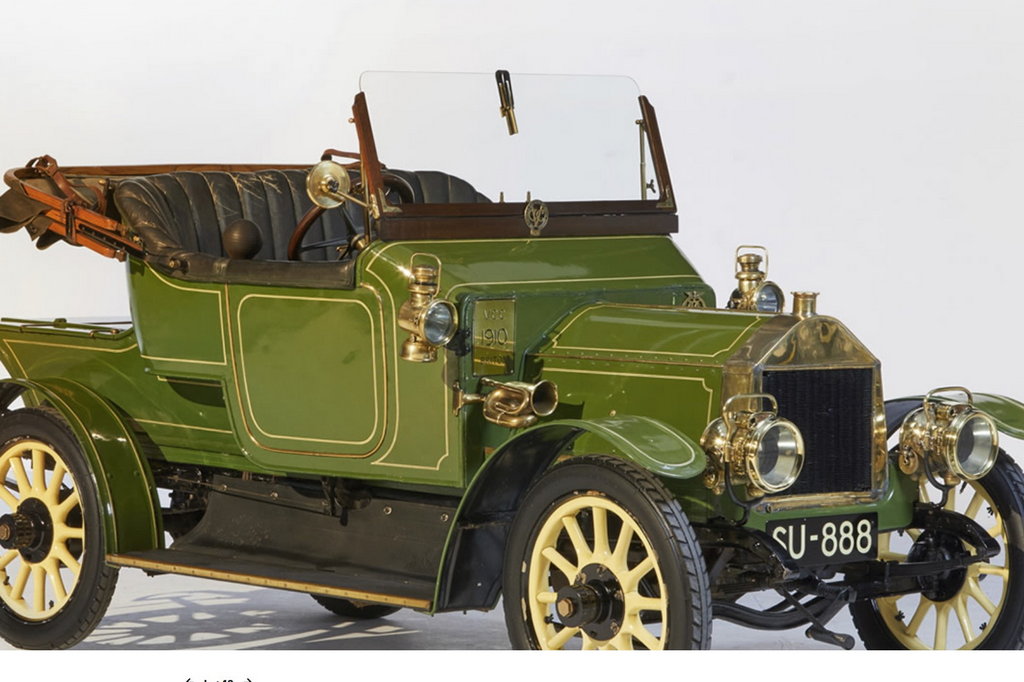
    Made in the 2nd largest car factory in the world (in in Alexandria, Dunbartonshire), and known for reliability. Didn’t survive beyond 1914 after death of its founder, and patent disputes.

    Years

    c. 1913

    Engine

    .

    Body Style

    Tourer

    Production

    .

    Power: Weight

    .

    Dimensions

    .

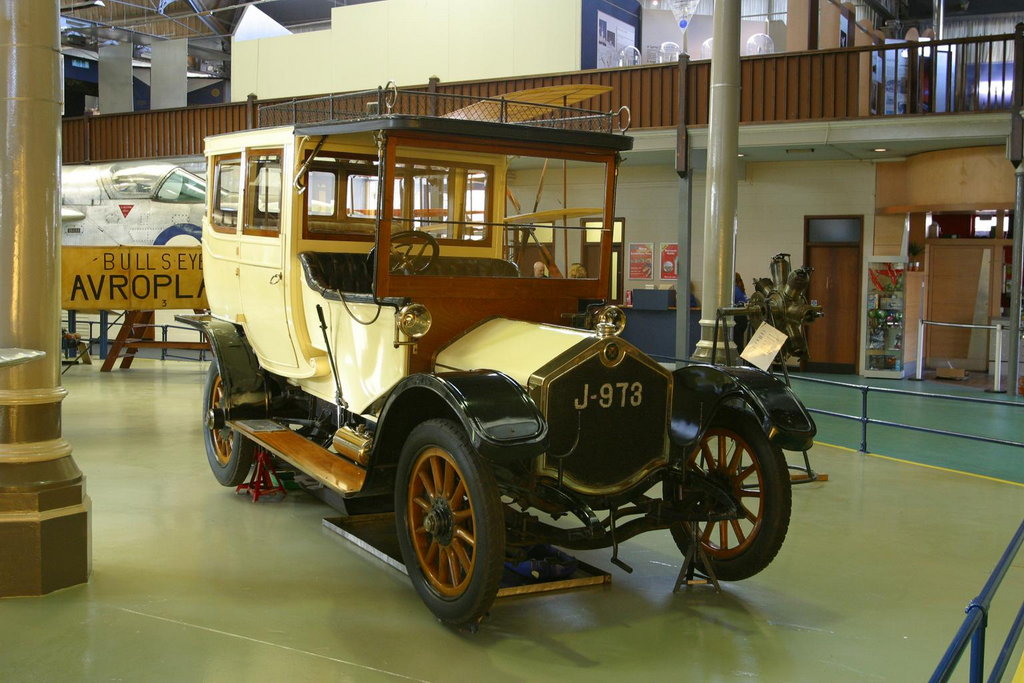
    Armstrong Whitworth

    The company diversified to compensate for a fall in demand for artillery after the end of the Boer War, by taking over construction of the Wilson-Pilcher (q.v.) (1911 version shown).

    Years

    1904-1914

    Engine

    2694cc, 4041cc S6

    Body Style

    Tourer

    Production

    .

    Power: Weight

    .

    Dimensions

    .

    Photo: Flickr

    BSA

    Designed by Captain E Baguley the first cars from Birmingham Small Arms were produced in various forms with capacities ranging from 2.5 to 4.2 litre. The larger cars were based on the 1907 Peking-Paris Itala.

    Years

    1907-1910

    Engine

    2.5-4.2l S4

    Body Style

    Tourer

    Production

    .

    Power: Weight

    .

    Dimensions

    .

    Photo: Grace’s Guide

    See also: BSA FWD Club

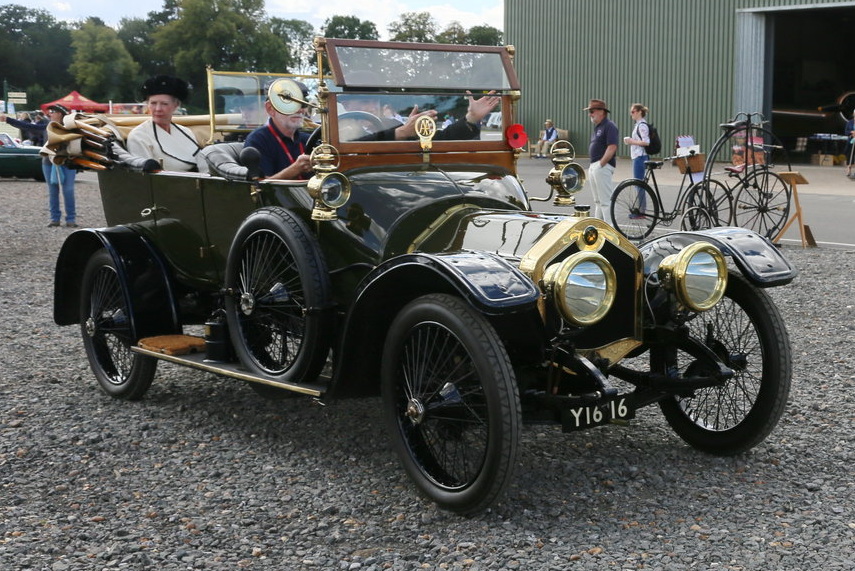
    Siddeley-Deasy

    John Siddeley left Wolseley for Deasy in 1910: by 1912, his name was appended. Siddeley-Deasy grew rapidly using Rover chassis and Daimler and Aster engines. Available as 12/16, 14/20, 16/20, 18/24 (shown, as 1912 Althorpe cabriolet).

    Years

    1911-14

    Engine

    4962cc S6 SlV

    Body Style

    Seven standard types

    Production

    .

    Power: Weight

    .

    Dimensions

    .

    Photo: Flickr

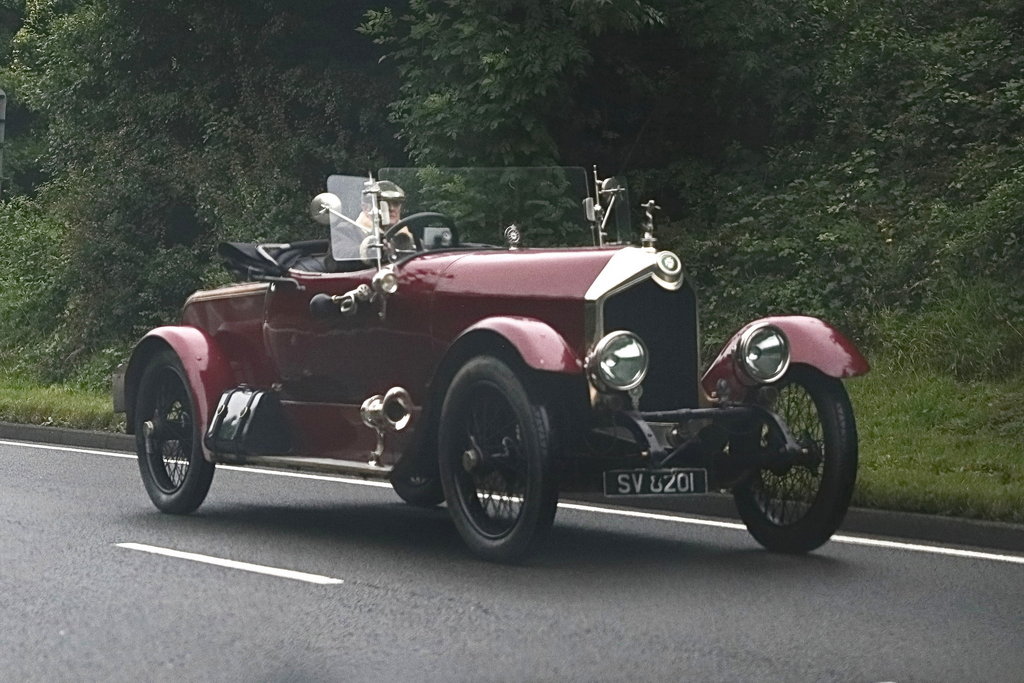
    Wolseley Siddeley

    John Siddeley replaced Herbert Austin as General Manager of Wolseley (who had bought out Siddeley-Deasy) in 1905. He replaced the flat Wolseley engines with Siddeley designs. The cars themselves were often known as “Siddeleys”.

    Years

    1906-08

    Engine

    1853/2160/3706cc (2); 5518/6596cc (shown) (4); 8277cc (6)

    Body Style

    Various

    Production

    .

    Power: Weight

    .

    Dimensions

    .