After its slow start, the British car industry emerged as a leader in automotive refinement and luxury. This decade was defined by a shift from experimental ‘toys’ to sophisticated machines, epitomised by the 1906 Rolls-Royce Silver Ghost, which set a worldwide benchmark for silence and reliability.
While France began to lose its dominance due to a lack of industrial standardisation, British firms like Daimler and Wolseley flourished. The Standard Motor Company made a landmark move in 1912 by introducing all-steel bodies, moving away from traditional timber-framed coachwork and signalling the birth of modern manufacturing.
Henry Ford changed the global industry in 1908, with the moving assembly line for the Model T, aiming for “motorisation for the masses”. Britain’s response was the “Light Car” movement; firms like Morris and Singer began to adopt semi-mass production techniques to reach the professional middle classes.
By the outbreak of the Great War in 1914, the British industry had matured into one of mass production and precision engineering. This expertise allowed for a pivot into military production of WWI, supplying the aero engines and armoured cars that would define the mechanised conflict.
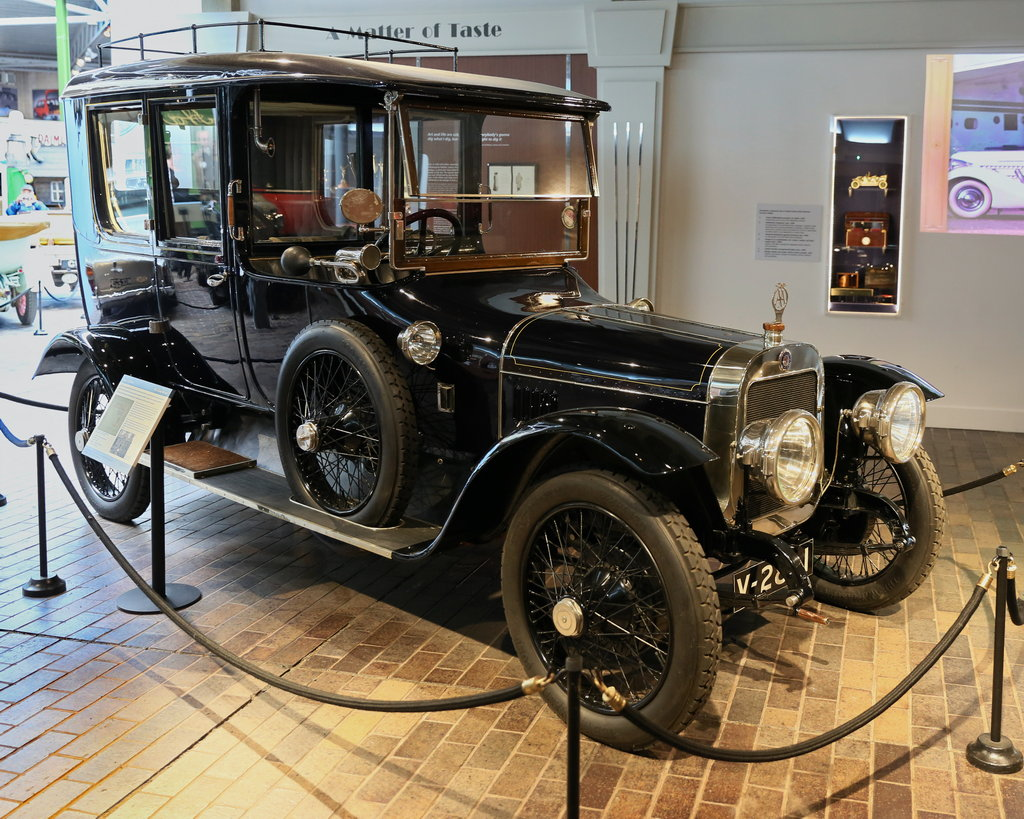
Argyll 15/30
Made in the 2nd largest car factory in the world (in in Alexandria, Dunbartonshire), and known for reliability. Didn’t survive beyond 1914 after death of its founder, and patent disputes.
Years
c. 1913
Engine
.
Body Style
Tourer
Production
Power: Weight
Dimensions
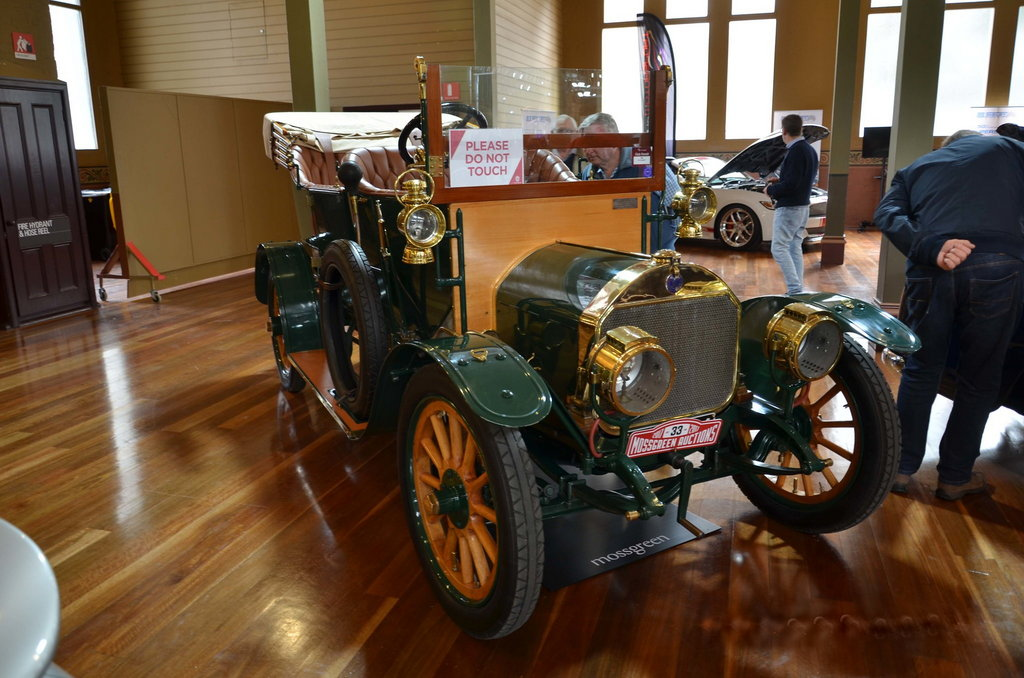
Armstrong Whitworth
The company diversified to compensate for a fall in demand for artillery after the end of the Boer War, by taking over construction of the Wilson-Pilcher (q.v.) (1911 version shown).
Years
1904-1914
Engine
2694cc, 4041cc S6
Body Style
Tourer
Production
Power: Weight
Dimensions
Photo: Flickr
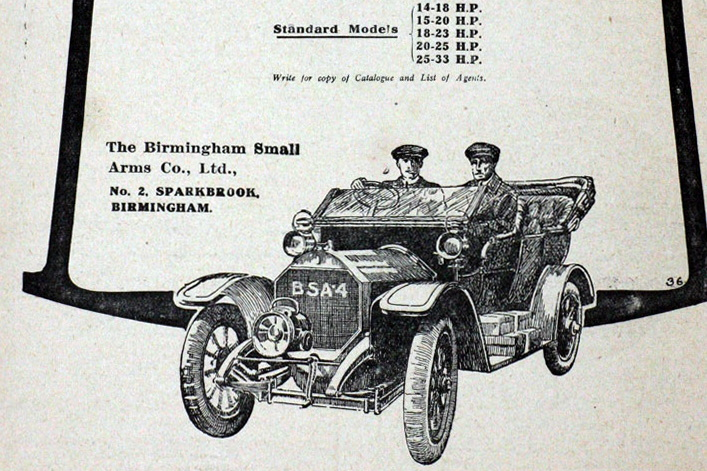
BSA
Designed by Captain E Baguley the first cars from Birmingham Small Arms were produced in various forms with capacities ranging from 2.5 to 4.2 litre. The larger cars were based on the 1907 Peking-Paris Itala.
Years
1907-1910
Engine
2.5-4.2l S4
Body Style
Tourer
Production
Power: Weight
Dimensions
Photo: Grace’s Guide
See also: BSA FWD Club
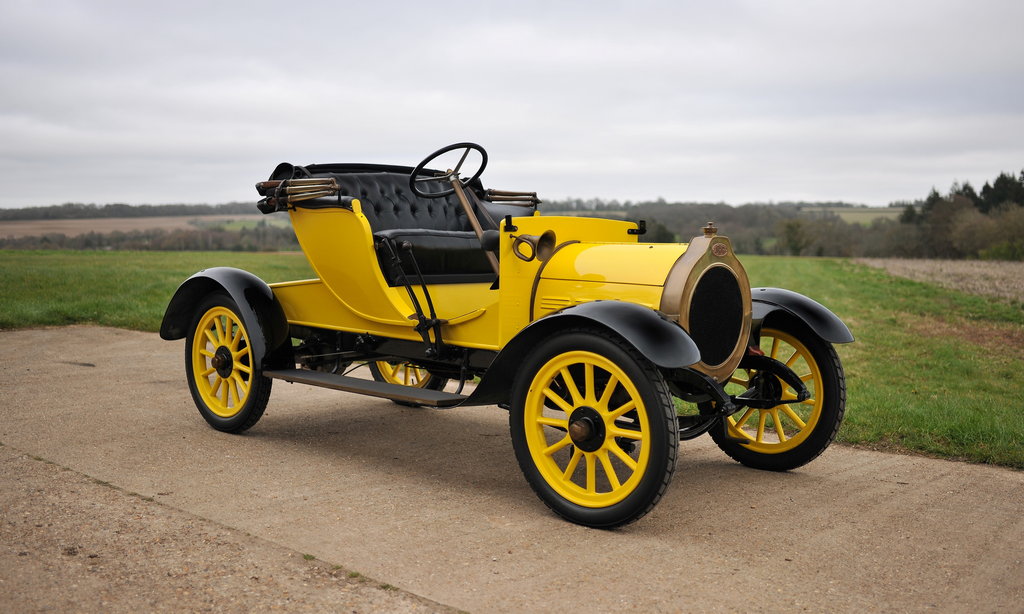
Calthorpe
The Calthorpe family made roller skates in Birmingham, before involvement in cycles and motorcycles. They designed their first car, a 10 HP in 1913. Although known for their quality and reliability and sporting character, few survive.
Years
1913-18
Engine
1460cc S4 SV
Body Style
Tourer, phaeton
Production
Power: Weight
Dimensions
Photo: Historics
Car pictured has been owned by the Calthorpe family from new
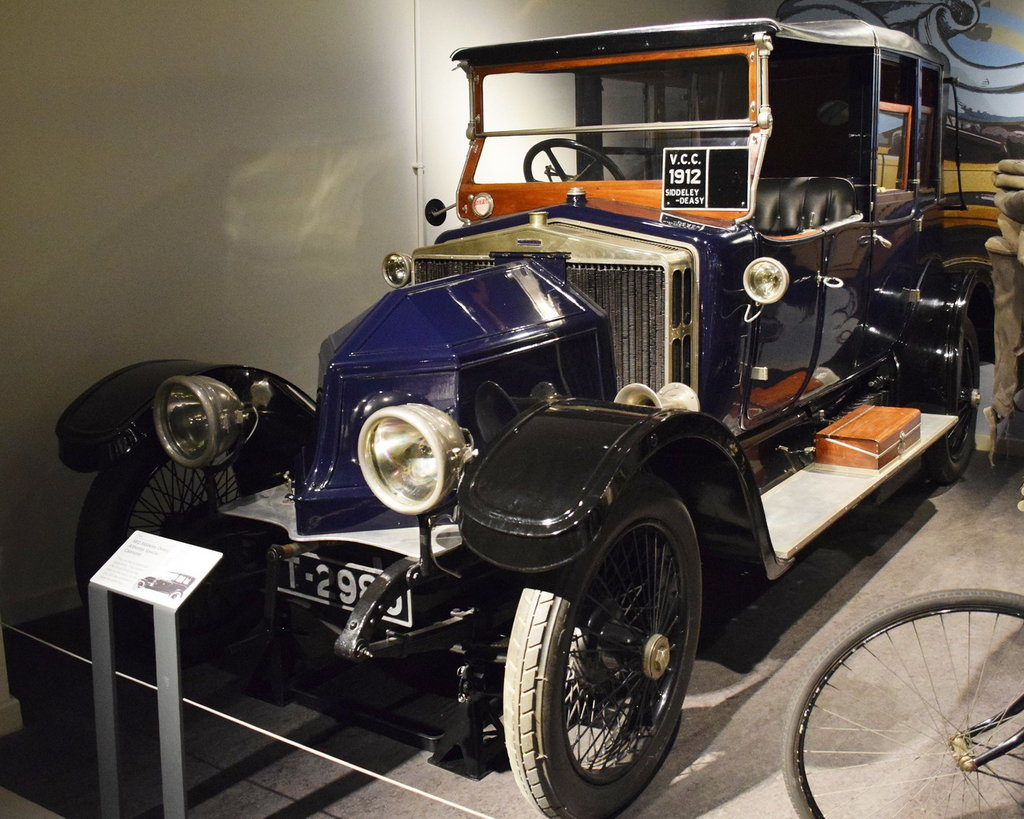
Siddeley-Deasy
John Siddeley left Wolseley for Deasy in 1910: by 1912, his name was appended. Siddeley-Deasy grew rapidly using Rover chassis and Daimler and Aster engines. Available as 12/16, 14/20, 16/20, 18/24 (shown, as 1912 Althorpe cabriolet).
Years
1911-14
Engine
4962cc S6 SlV
Body Style
Seven standard types
Production
Power: Weight
Dimensions
Photo: Flickr
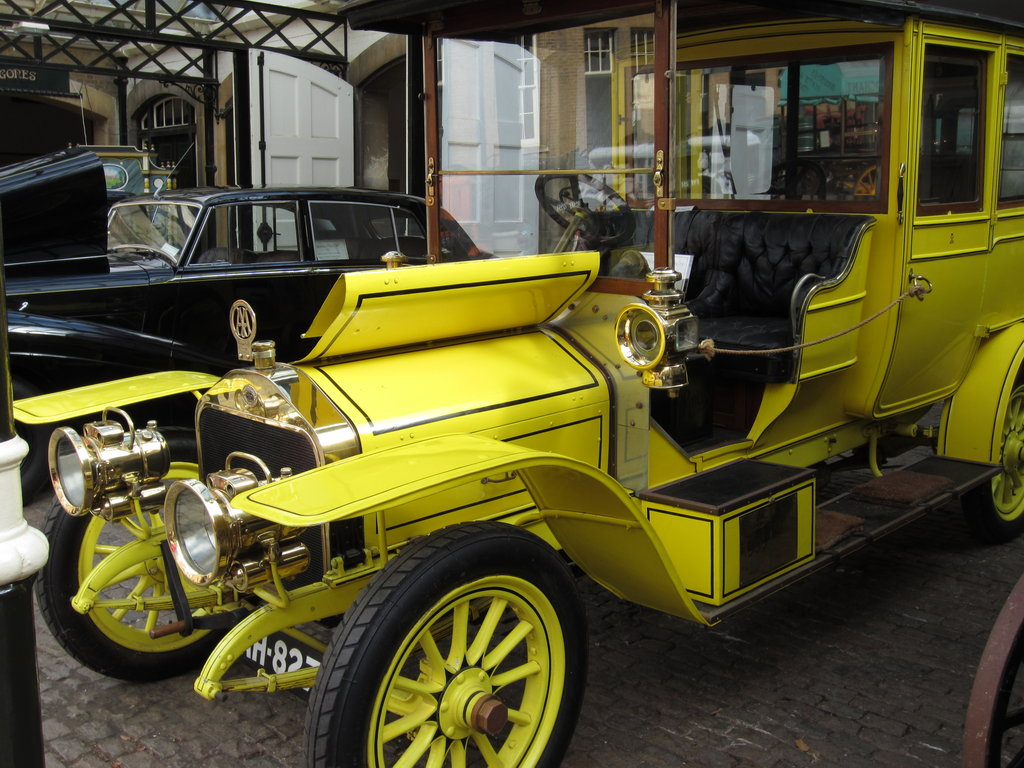
Wolseley Siddeley
John Siddeley replaced Herbert Austin as General Manager of Wolseley (who had bought out Siddeley-Deasy) in 1905. He replaced the flat Wolseley engines with Siddeley designs. The cars themselves were often known as “Siddeleys”.
Years
1906-08
Engine
1853/2160/3706cc (2); 5518/6596cc (shown) (4); 8277cc (6)
Body Style
Various
Production
Power: Weight
Dimensions