Founded in Manchester, Crossley Motors was a pioneering British manufacturer that evolved from the world-renowned Crossley Brothers gas engine business. Entering vehicle production in 1904, the company gained legendary status during World War I by supplying thousands of rugged 20/25 chassis to the Royal Flying Corps.
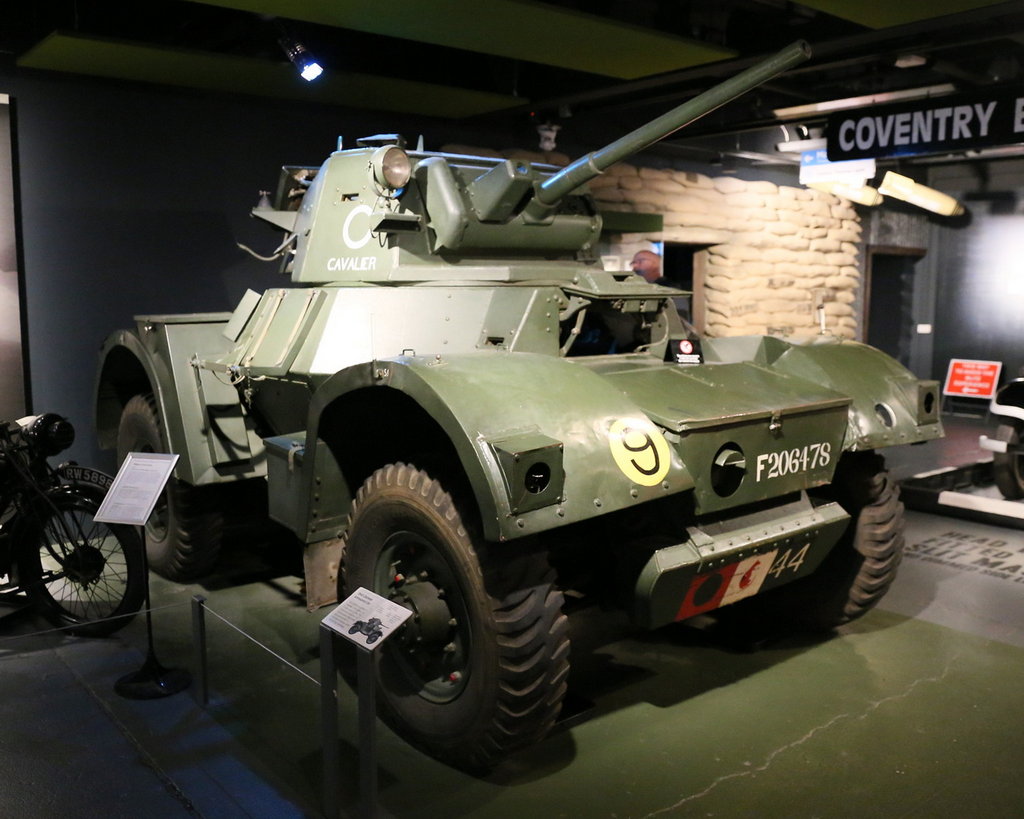
In the 1920s, their high-quality side-valve cars, like the 25/30 Tourer, became prestigious favourites of global royalty. As the luxury car market contracted, Crossley pivoted to heavy commercial vehicles, becoming a major supplier of buses, trolleybuses, and military four-wheel-drive vehicles to municipalities and the British War Office. Production ceased after being absorbed by the Associated Equipment Company (AEC) in 1948.
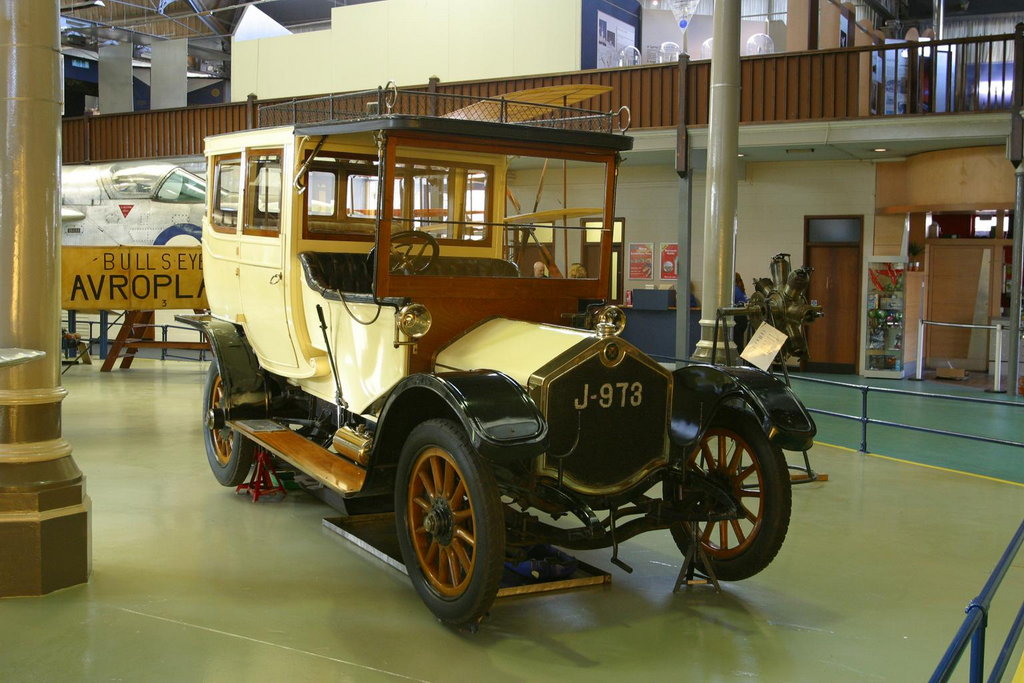
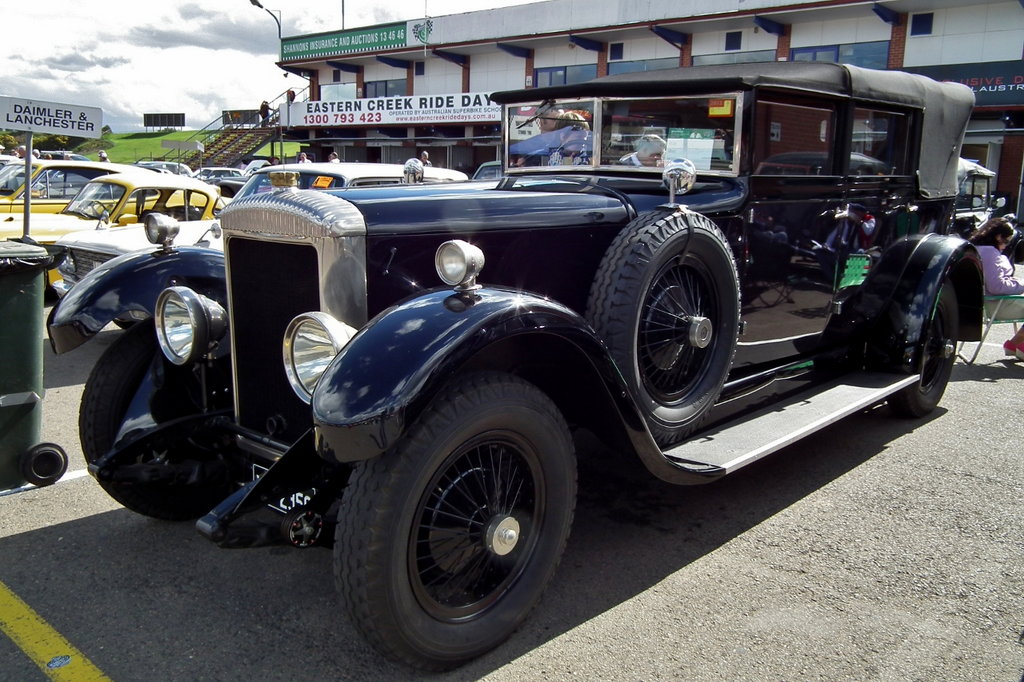
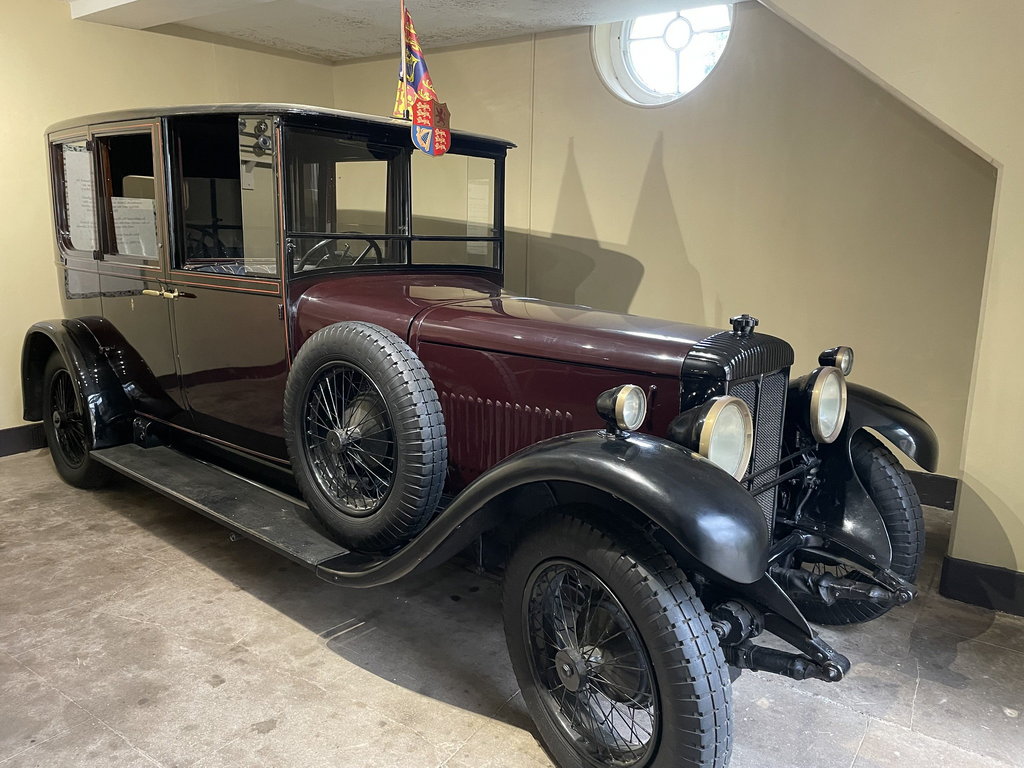
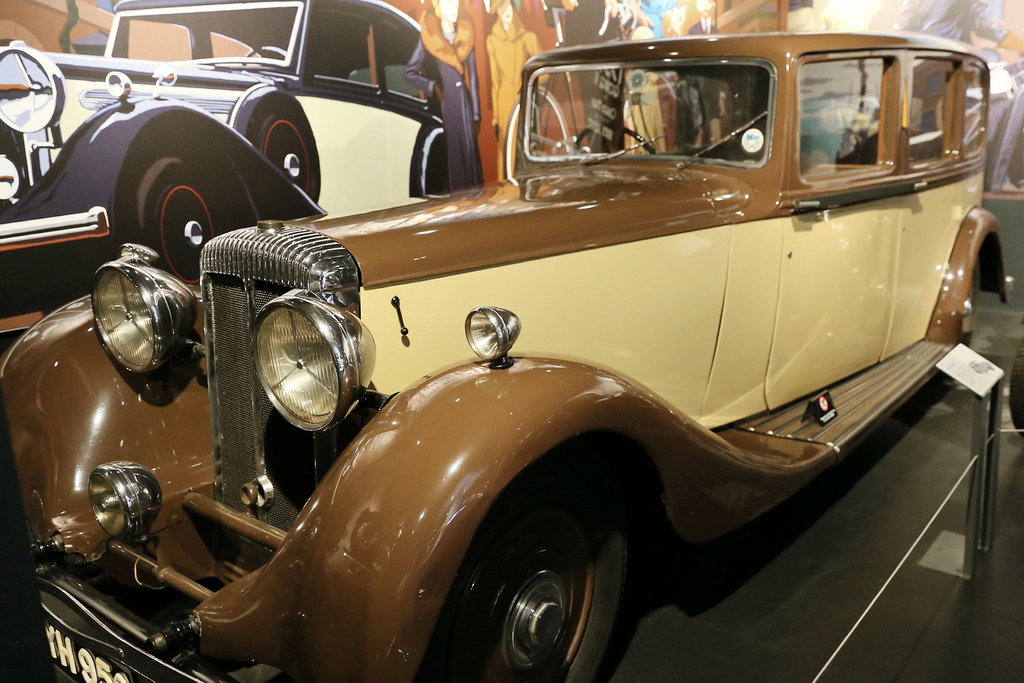
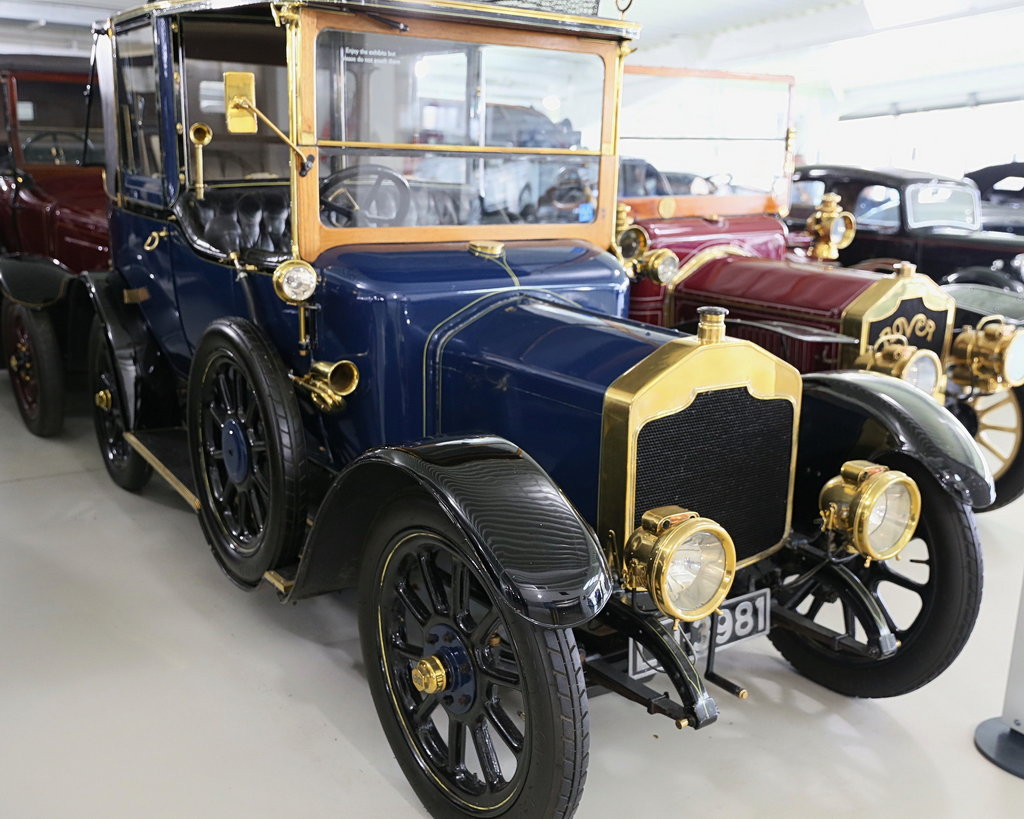
Crossley 22/28; 40 HP
Crossley initially focused on large, luxury vehicles, with the first batch on a French chassis, and chain drive. Used their own engine, cast in cylinder pairs. Only survivor is in the Science Museum collection.
Years
1904-08; 1905-12
Engine
4942/7037 S4 SV
Body Style
Open-drive limousine
Production
c. 150; 100
Power: Weight
Dimensions
Photo: SMG
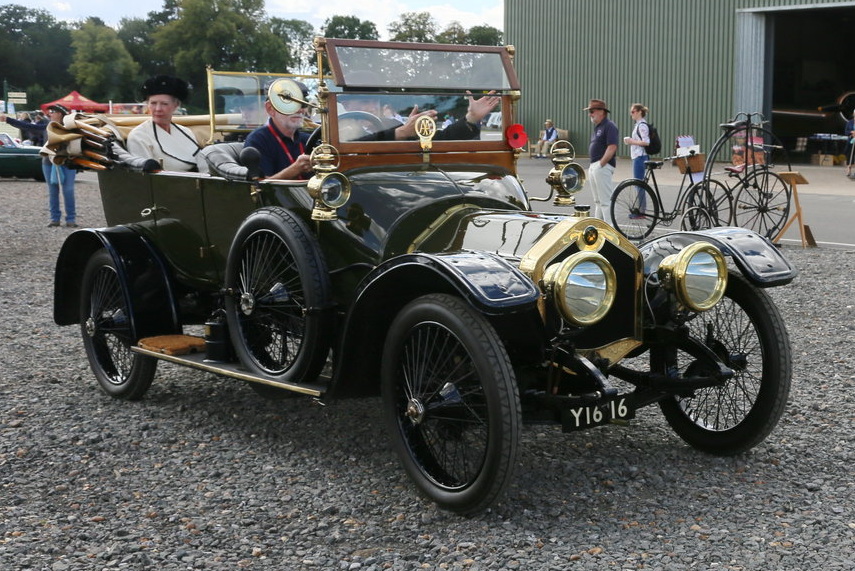
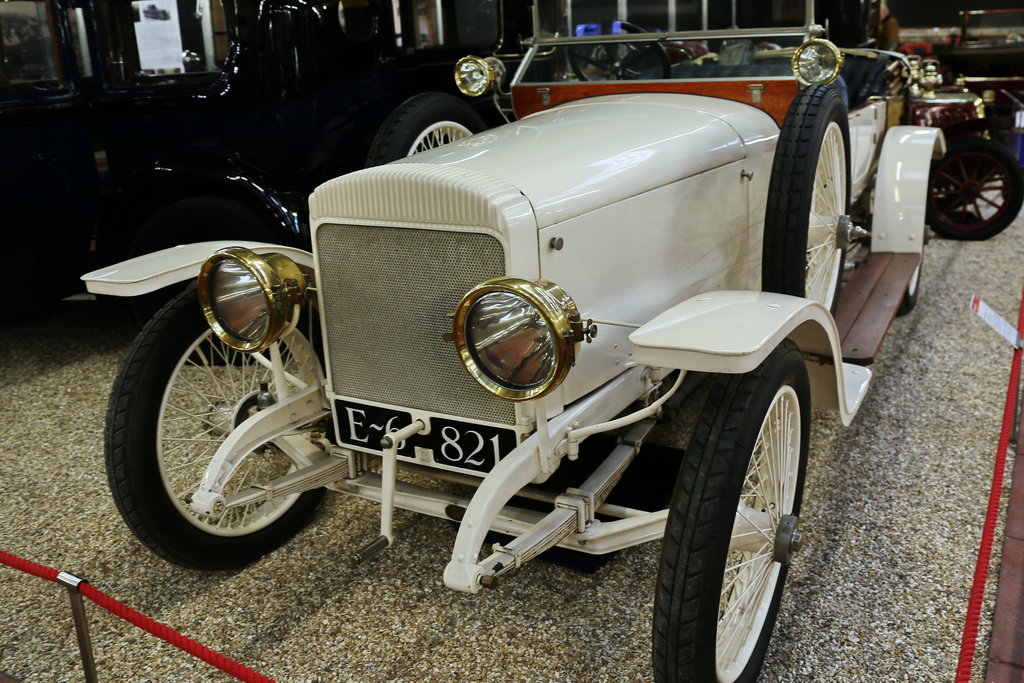
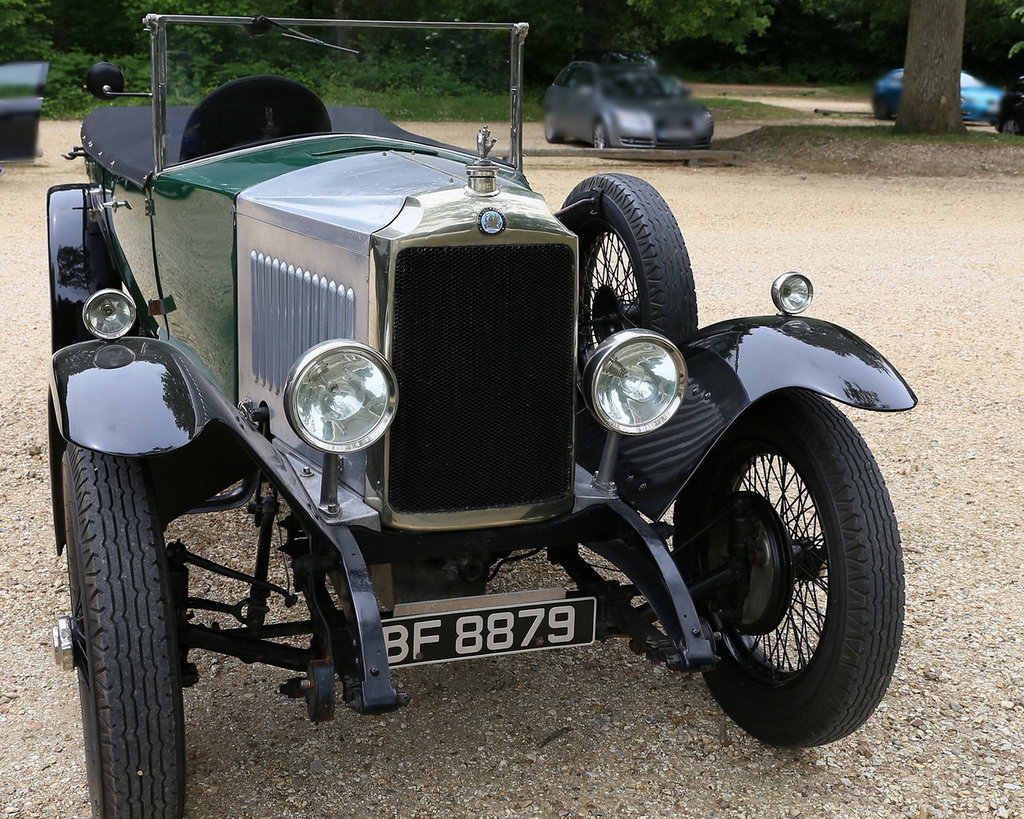
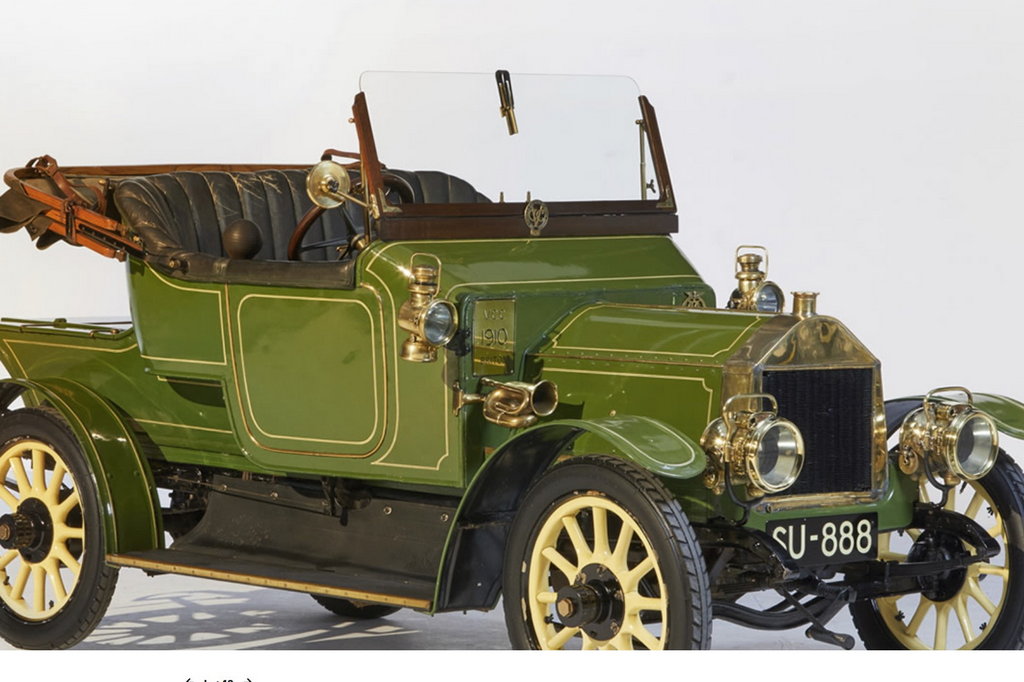
Crossley 12/14; 15 HP
More economical models were also made available. The T5 15 HP shown was a smaller engine on the heavy chassis. Shelsley models were more sporting (introduced after the 1912 Shelsley Walsh Hill Climb victory).
Years
1909-11; 1911-15
Engine
2388cc (2398cc) S4 SV
Body Style
Various
Production
N/A; <2445
Power: Weight
Dimensions
The Shelsley introduced the characteristic V radiator
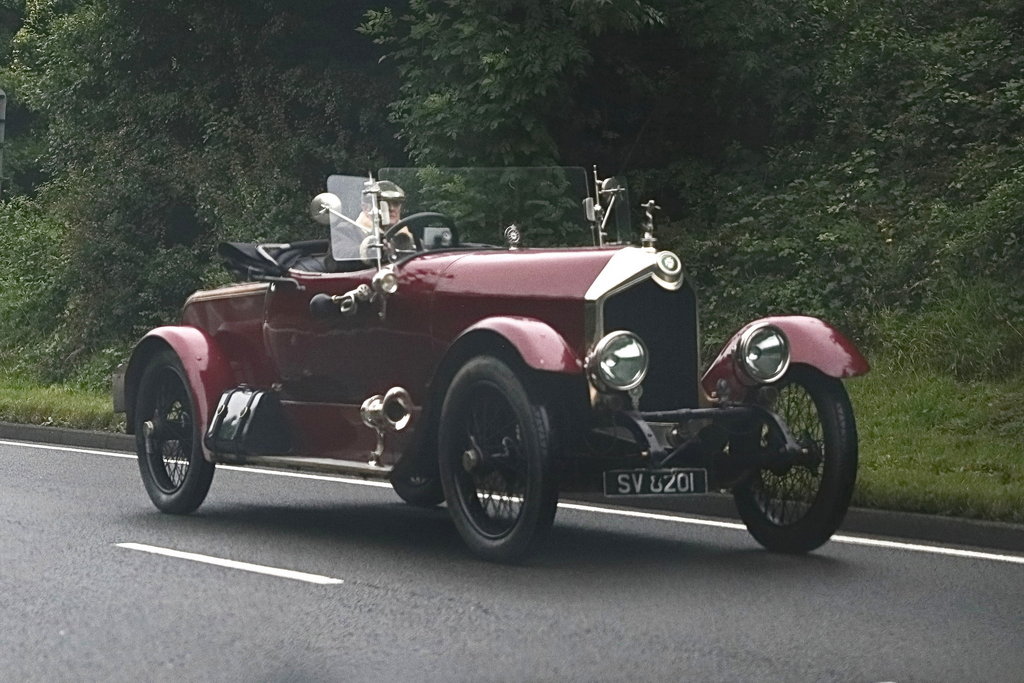
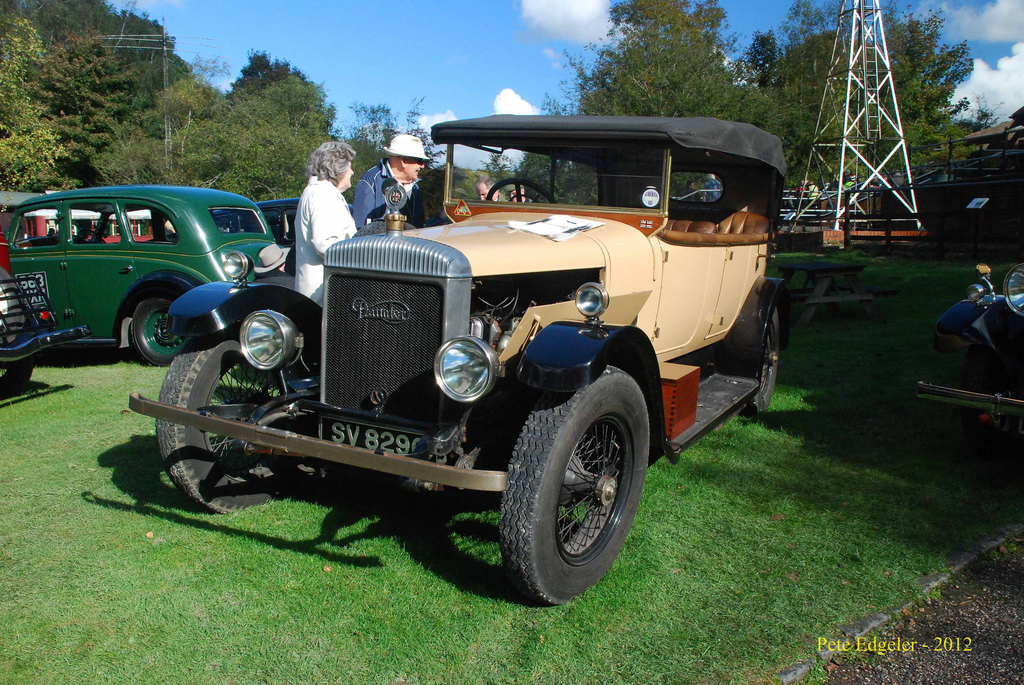
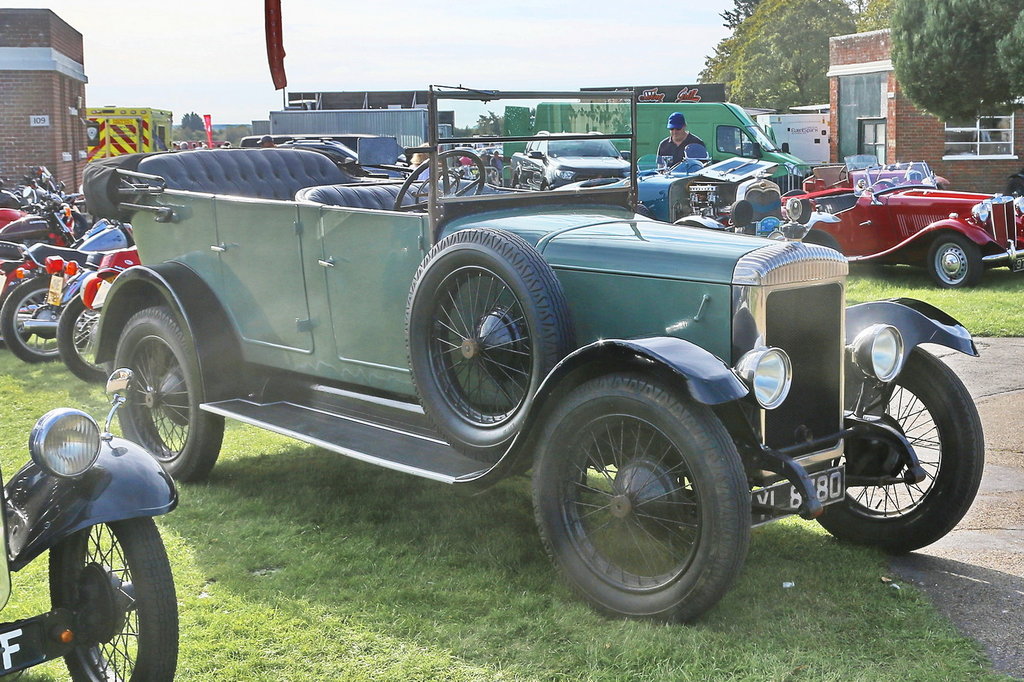
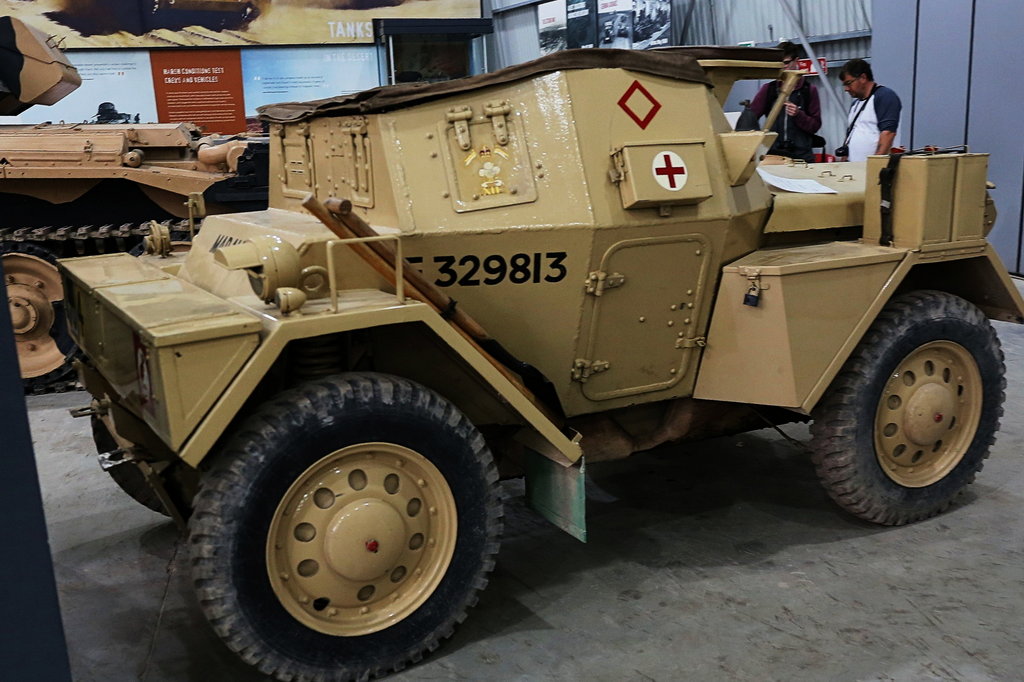
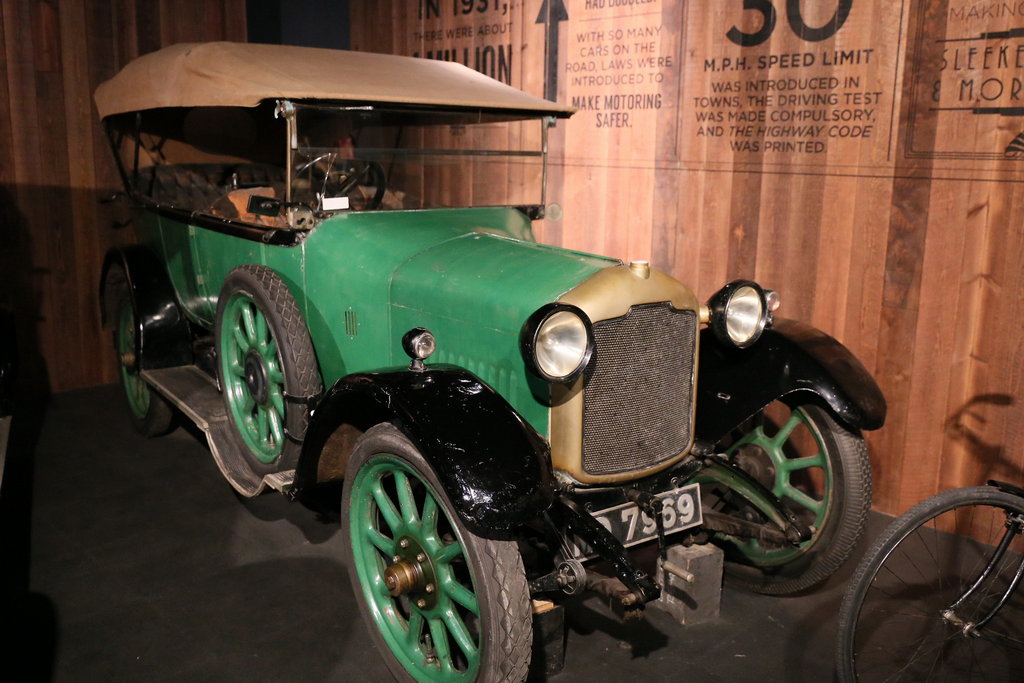
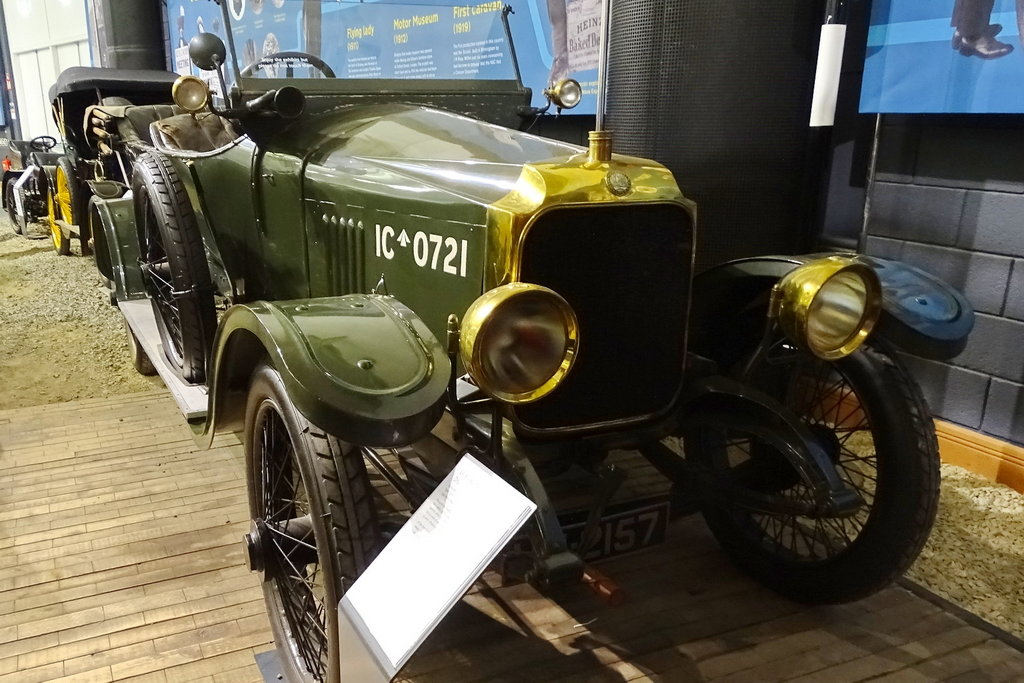
Crossley 20/25; 25/30
The iconic rugged WWI Royal Flying Corps staff car and ambulance tender, earning Crossley global renown for reliability. Post-war, it was adapted for wealthy civilian buyers, with larger engine and premium, coachbuilt bodies.
Years
1912-20; 1919-25
Engine
4000/4500cc S4 SV
Body Style
Tourers, various
Production
c. 10,000; c. 600
Power: Weight
Dimensions
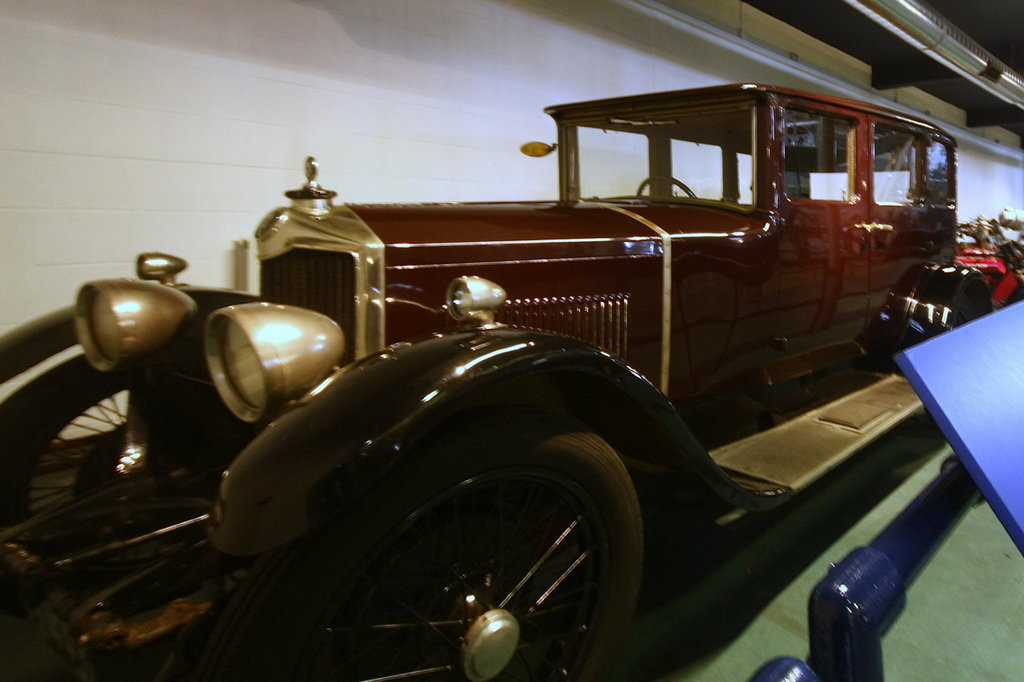
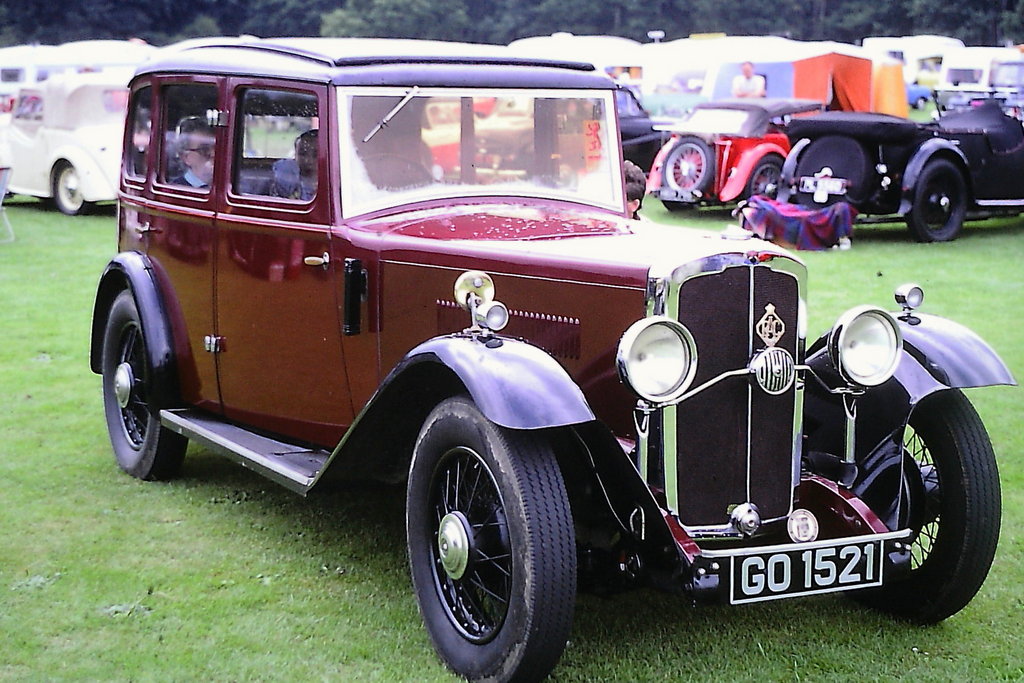
Crossley 6 (and 12/14)
Launched at Olympia with a new OHV 6; to replace the 25/30. Up-engined to the 20.9 and augmented by the lighter, more economical 15.7 2-litre (sports version 1929-31). 12/14 was upmarket smaller car with flatter radiator and S4 SV engine.
Years
1925-27; 1928-37 (1923-27)
Engine
2388cc S4 Sv; 1991/2692/3198 S6 OHV
Body Style
Tourers, saloons, limousines
Production
c 3400 (and 5600)
Power: Weight
Dimensions
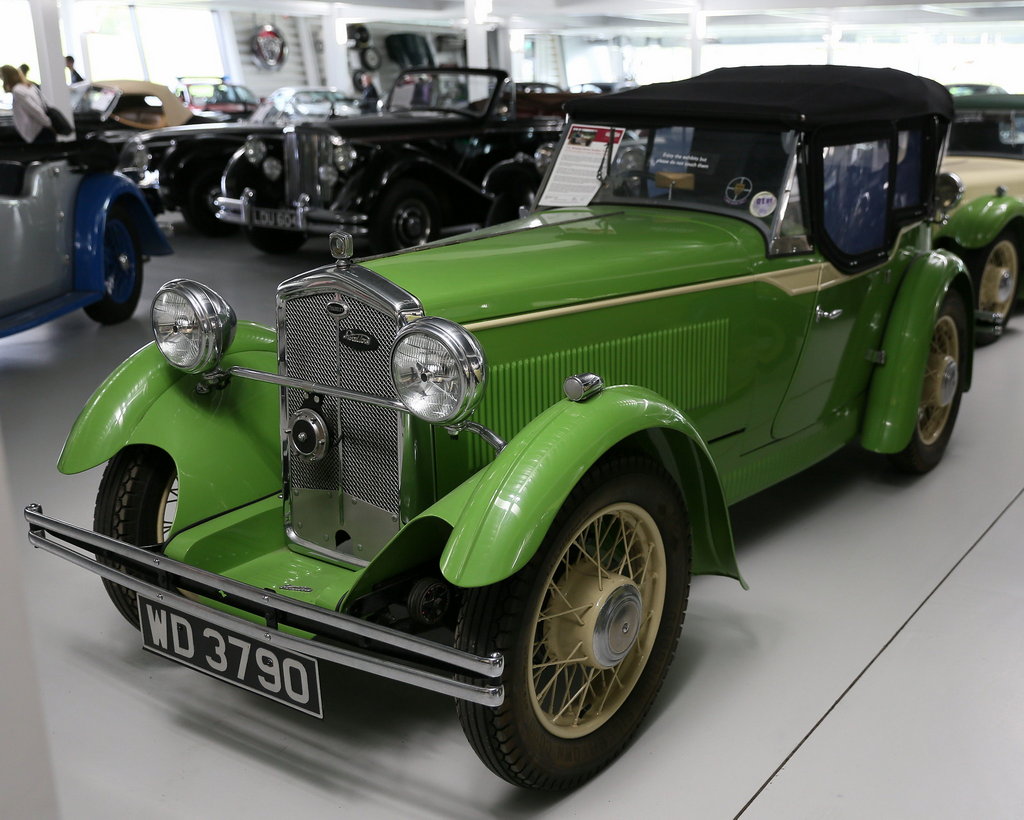
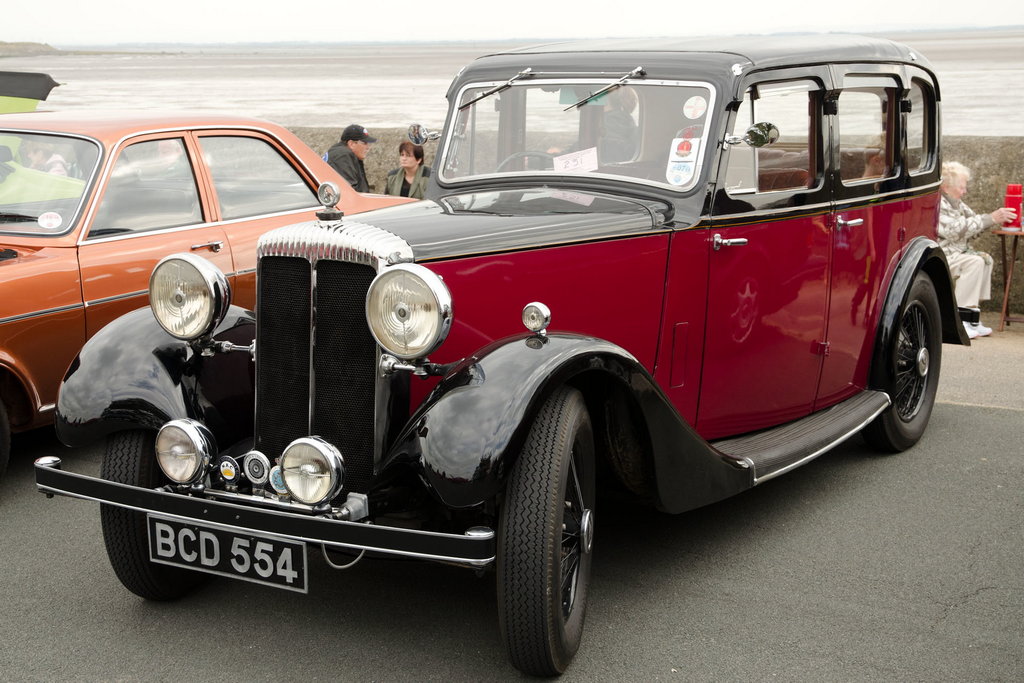
Model shown is 18/50
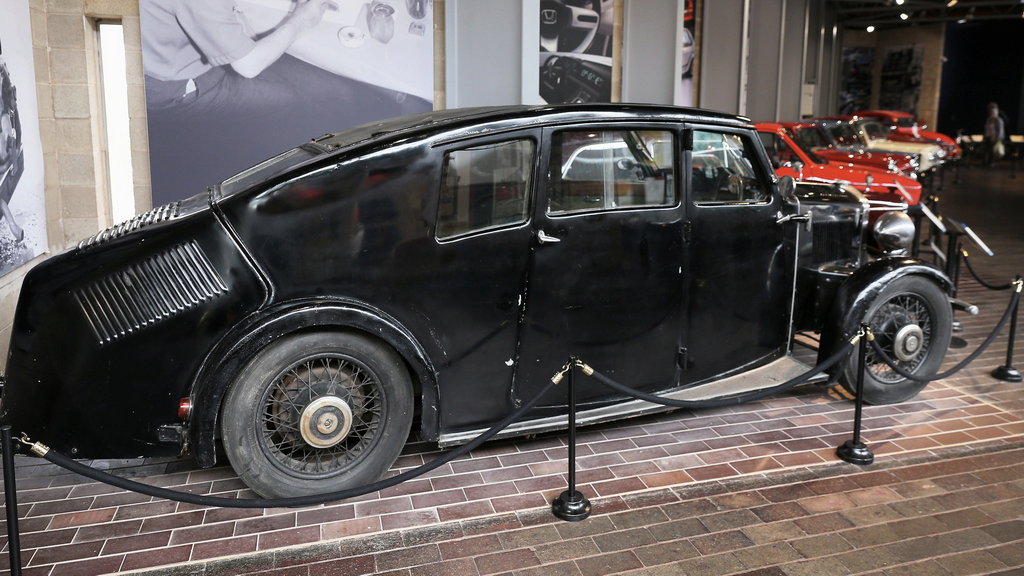
Crossley Streamline
Avant garde aerodynamic teardrop body on space frame designed by Sir Dennistoun Burney, who also designed airships. Prototype on a FWD Alvis chassis – backwards! Independent suspension, hydraulic brakes.
Years
1929-33 (Burney); 1934 (Crossley)
Engine
Various
Body Style
Production
12 Burney + 25 Crossley
Power: Weight
Dimensions
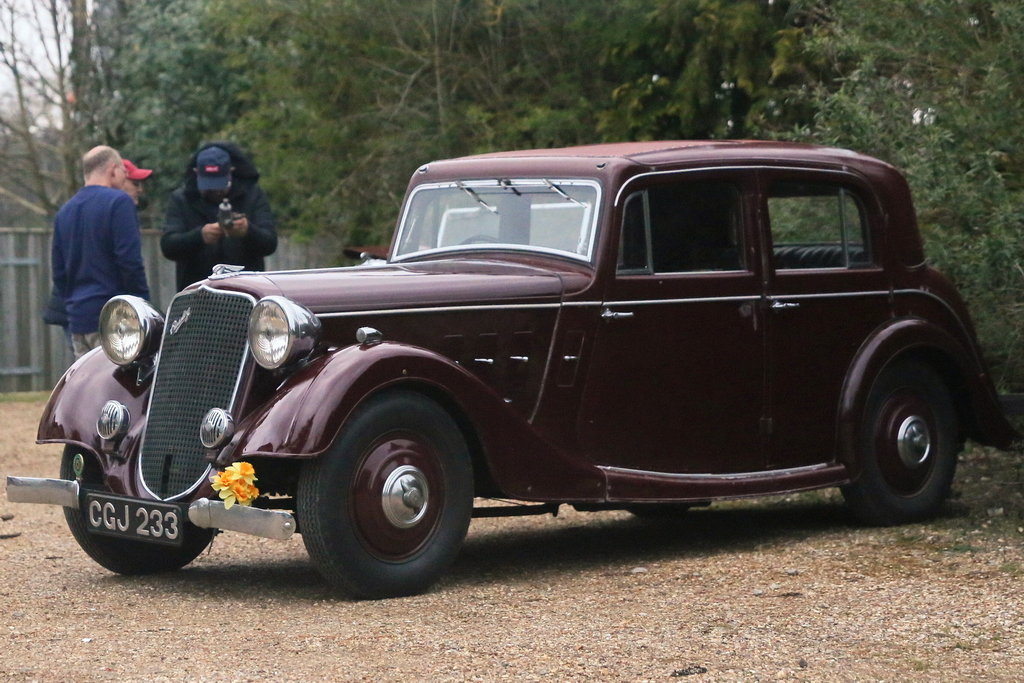
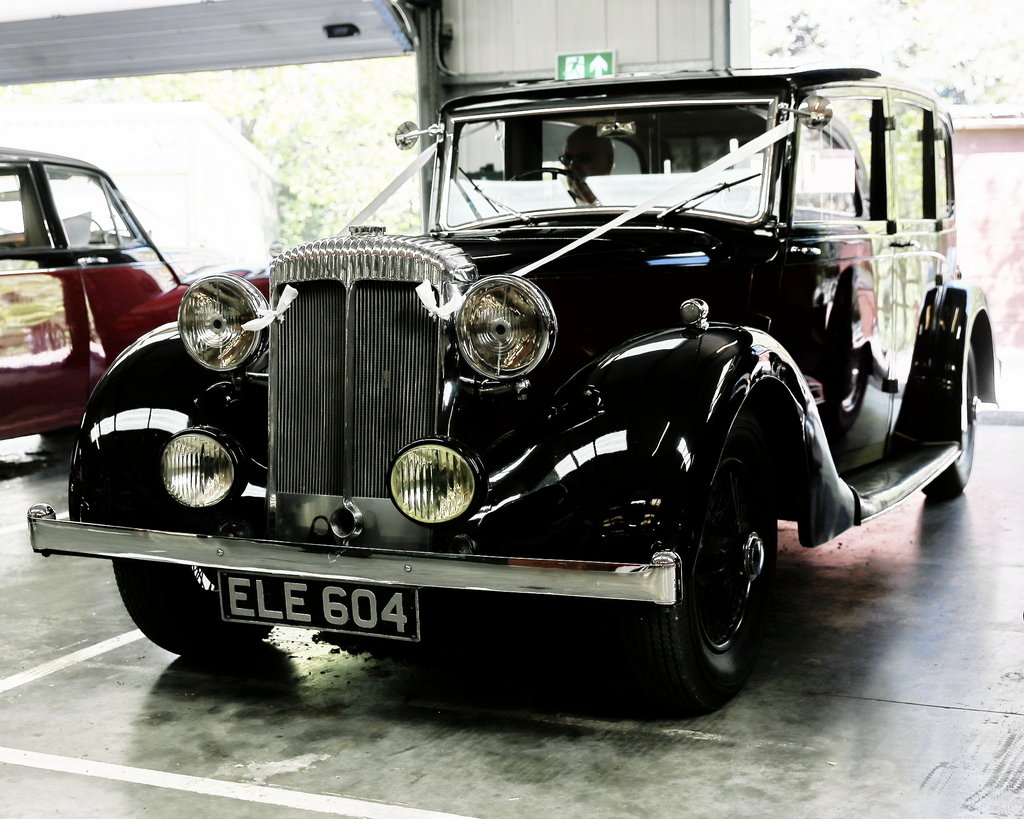
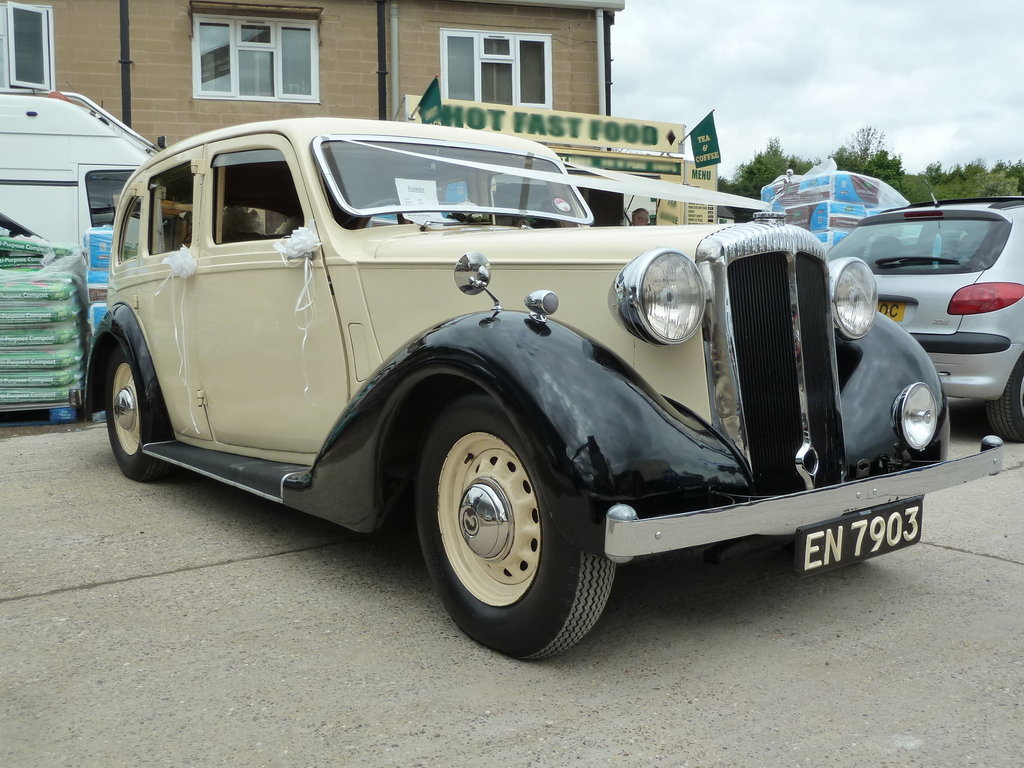
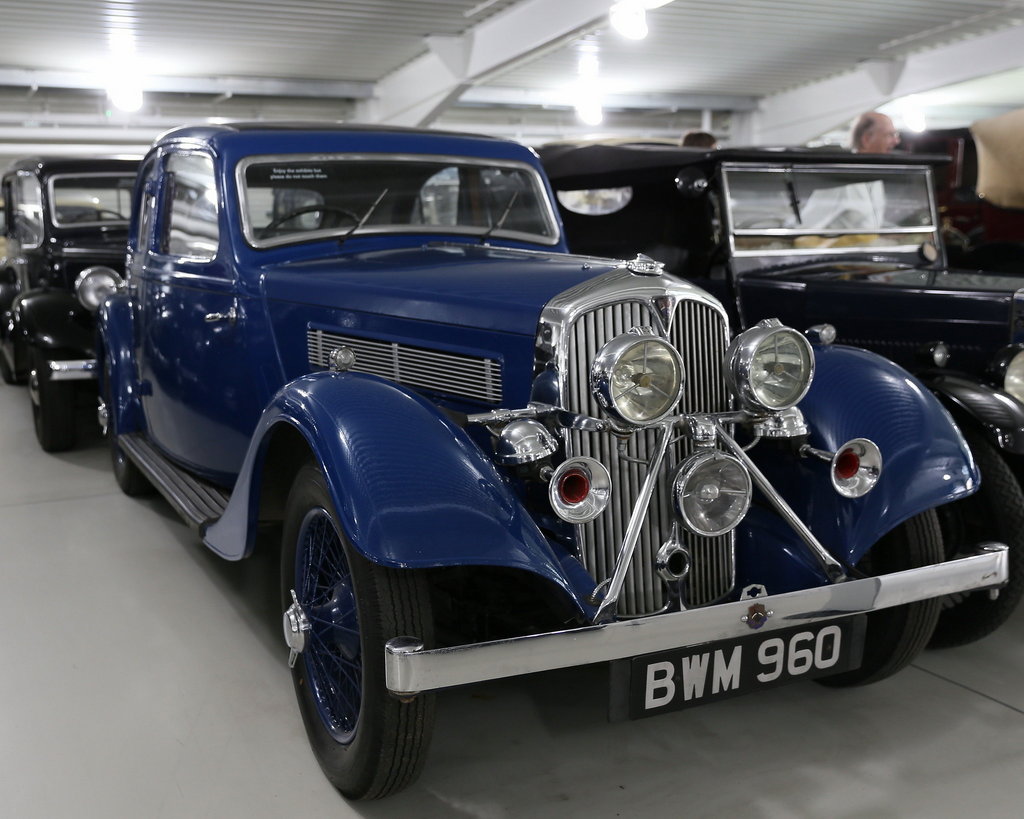
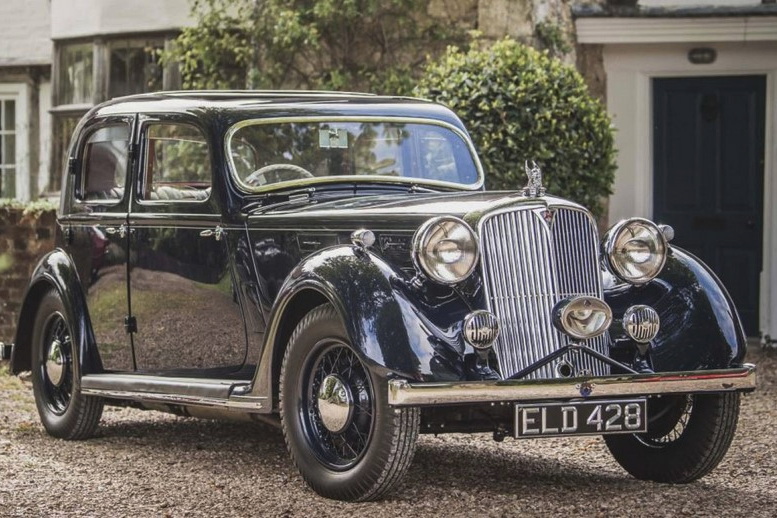
Crossley Ten / Ten Regis / Regis Six
Refined but underpowered smaller cars given the Regis name in 1935 (shown) with a new grille and a new frock by Beauvais of Avon (who later joined Crossley), and the option of a small 6. Climax engines as also made by Triumph.
Years
1932-34; 1935-37; 1935-37
Engine
1122cc S4 IO; 1476cc S6 IO
Body Style
Saloon, DHC, sports
Production
2000
Power: Weight
Dimensions






#/media/File:Bentley_Continental_Flying_Spur_Speed_%E2%80%93_Frontansicht_(2),_5._April_2012,_D%C3%BCsseldorf.jpg)

_IMG_0556.jpg)