In the 1920s, Coventry-based Daimler dominated the British luxury automotive market and served as the official vehicle supplier to the Royal Family. Renowned for their whisper-quiet “Silent Knight” sleeve-valve engines, the company continued to pioneer engineering innovations during this era.
Throughout the decade, the brand maintained its status as a symbol of regal elegance, while its parent group, the Birmingham Small Arms Company (BSA), also briefly ventured into commercial vehicles and aviation.
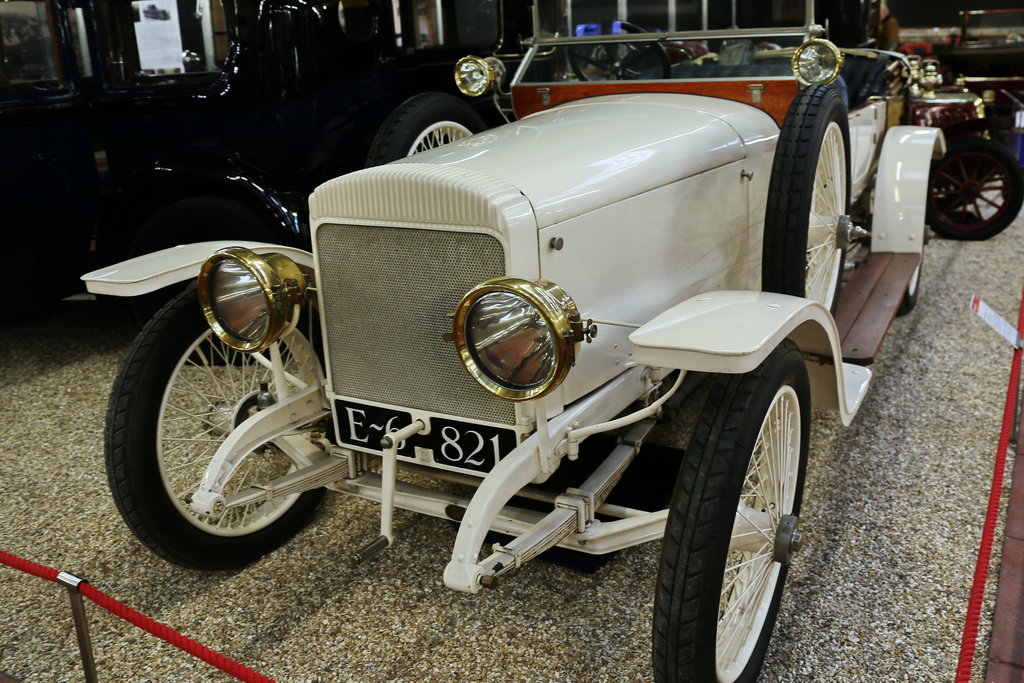
Daimler 30, 45 (& 20)
Quick revival from the boarded-up car engine foundry. Light, shorter wheelbase cars and standard cars, were made against limousines with reinforced chassis.
Years
1919-22 (23)
Engine
SV: 4962/7413cc S6; (3308cc S4)
Body Style
TP: “Light” tourers. TS: Limousine, chassis. M: limousines
Production
Power: Weight
Dimensions
M20 was short-lived 4 cylinder stopgap using commercial castings
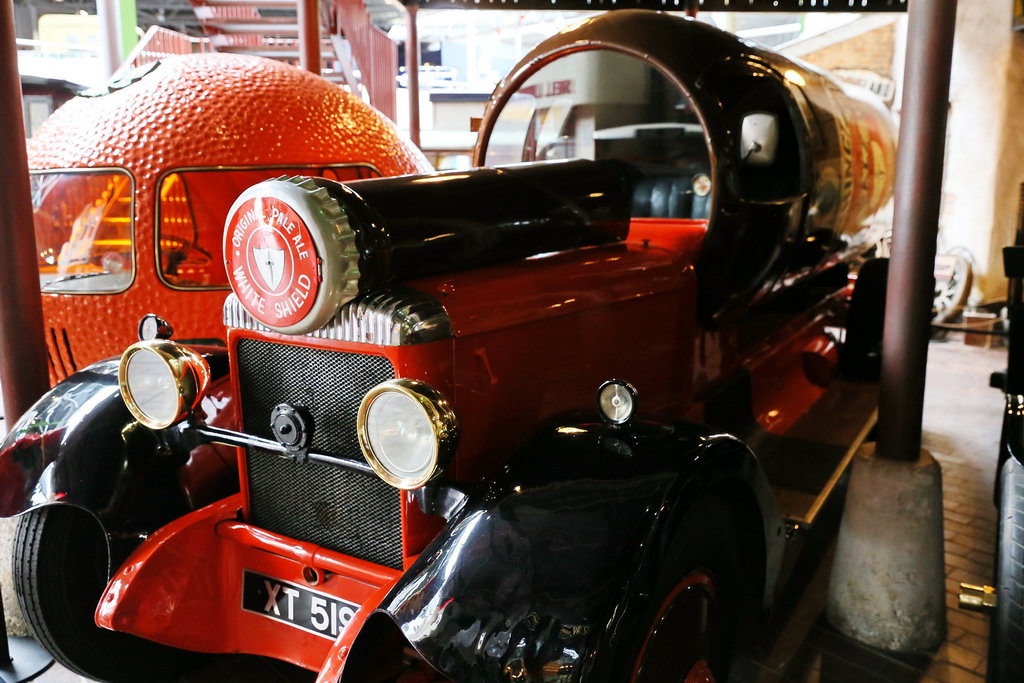
Daimler TL
Updated 3-ton industrial lorry (and bus) chassis. Replaced the CJ/CK (itself an updated CB, which had also been used for charabancs).
Years
1922-25
Engine
5700cc S4 SV
Body Style
TP: “Light” tourers. TS: Limousine, chassis
Production
Power: Weight
Dimensions
The ‘Worthington’ survivor at Beaulieu actually has a 30 HP car engine.
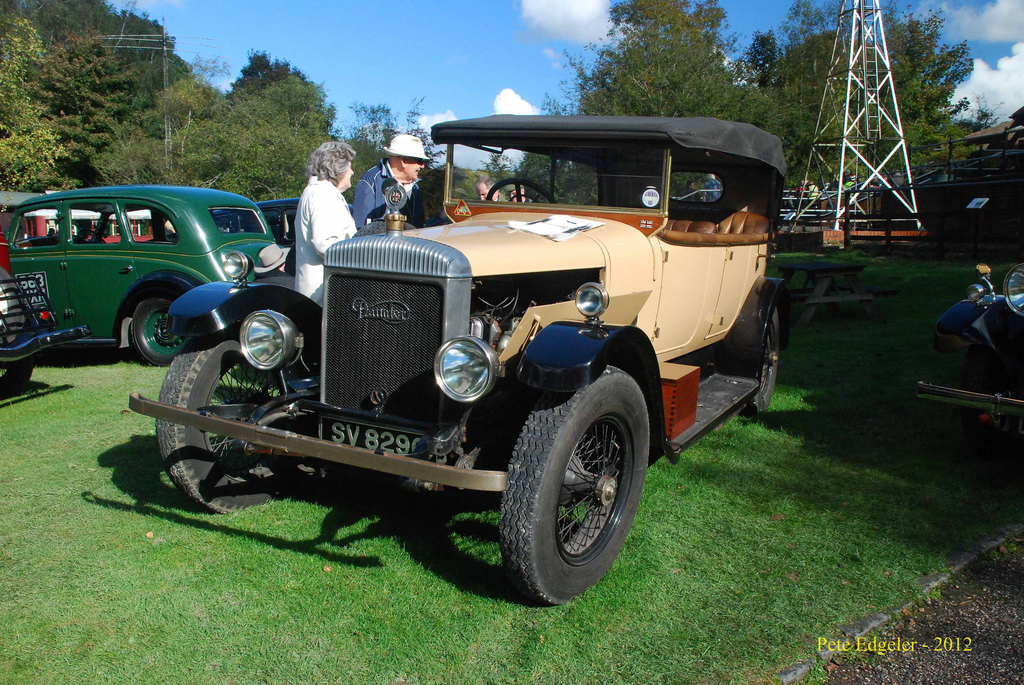
Daimler C12, C16, C21
An era of downsizing to target the emerging middle-class “owner-driver.” These platforms packed complex, miniature cast-iron sleeve-valve internals into smaller physical footprints. 12 was the same as the BSA.
Years
1922-25
Engine
1542/2167/3021cc S6 SV
Body Style
Family saloon, Foursome DHC, fabric saloon
Production
Power: Weight
Dimensions
Photo: Wikipedia

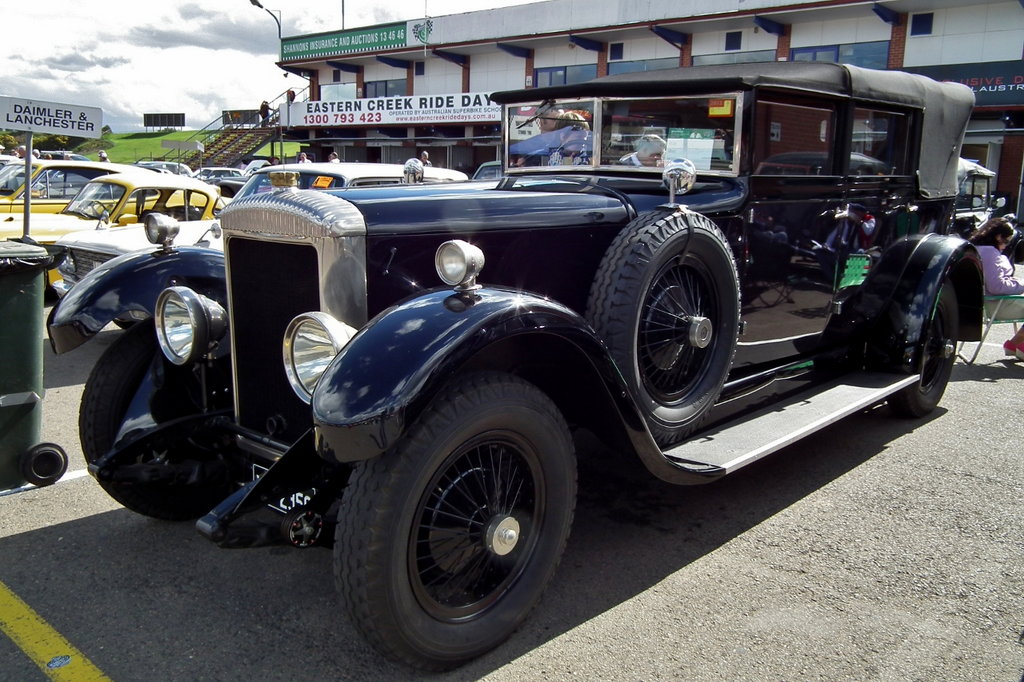
Daimler Type P 35, 35/120
A landmark British luxury car. It introduced a refined 5.8-litre, six-cylinder engine utilizing advanced steel Knight sleeve valves. Crucially, the first Daimler with four-wheel brakes.
Years
1924-32
Engine
5764cc S6
Body Style
Limousine
Production
c. 800
Power: Weight
Dimensions
Photo: Wikipedia

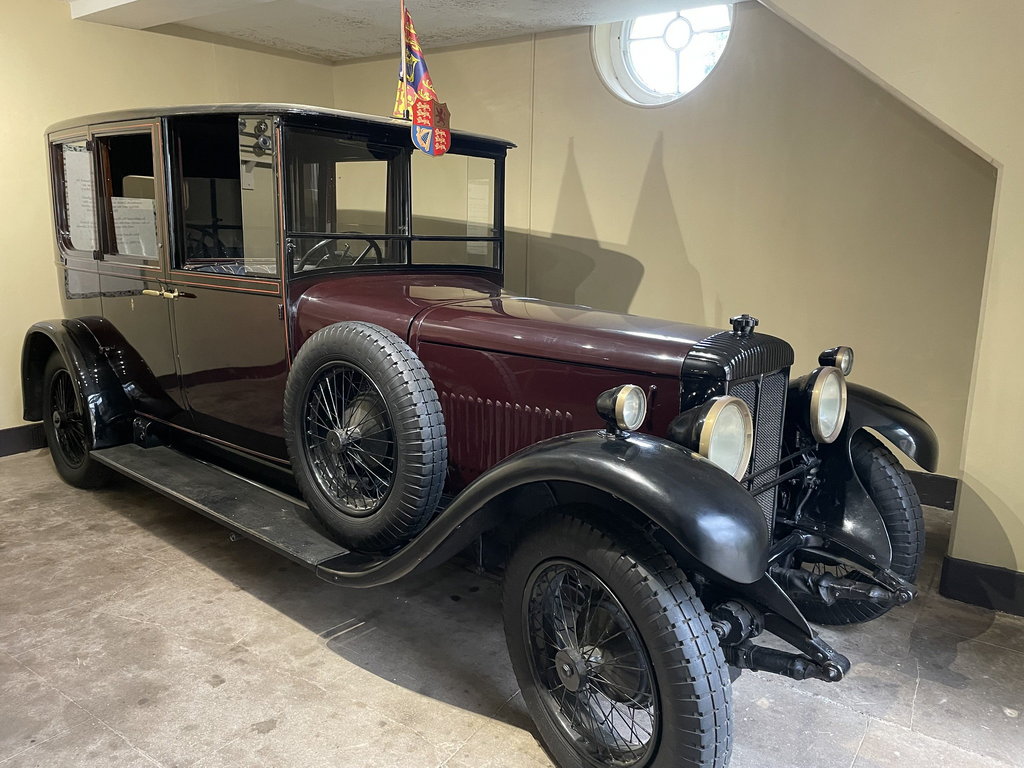
Daimler Double-Six: 50, 30, 3-/40, 40/60
Pomeroy’s ultimate luxury titan – paired sleeve-valve blocks shared a crankshaft, but nothing else. Renowned for its silent, effortless power, the car became the definitive choice for royalty and global elites during the roaring twenties.
Years
1926-30; 1928-30; 1931-35; 1935-38
Engine
7136/3744/5296/6511cc V12 SV
Body Style
Limousine
Production
<500
Power: Weight
Dimensions
Photo: Flickr
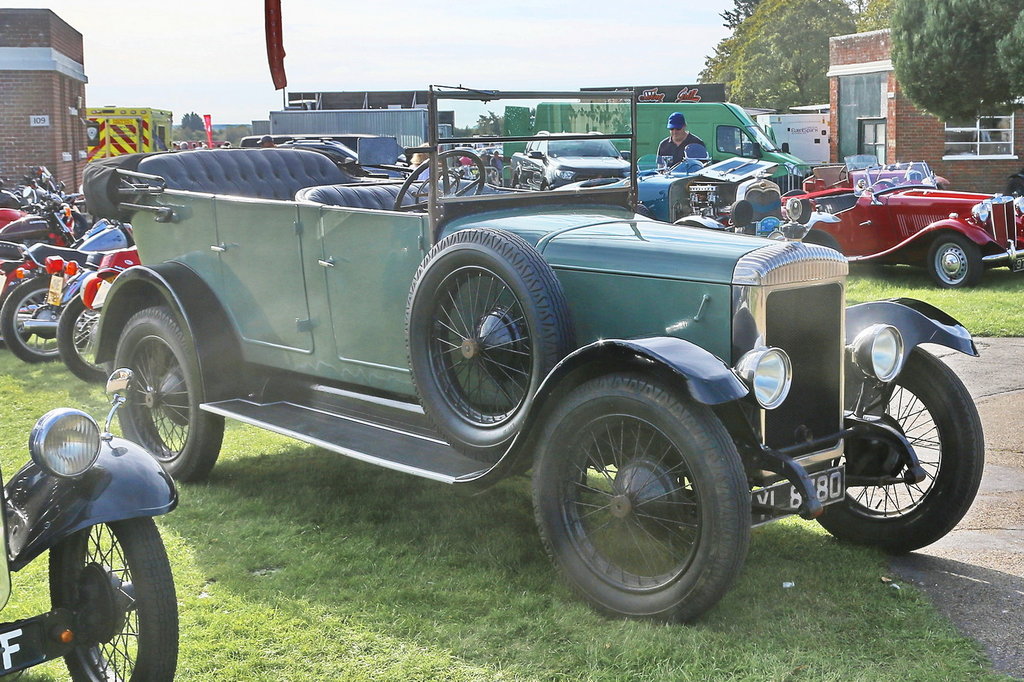
Daimler 16/55 (L), 20/70 (M, Q), 25/85 (C, V); 16/20; 20/30 (25)
Used steel Knight sleeve valves to achieve mechanically quiet, smooth operation. They offered signature Daimler refinement and four-wheel braking on lighter, more practical chassis sizes than the brand’s larger models.
Years
1926-30; 1930-31; 1930-34
Engine
1872/2650/3568 S6 SV
Body Style
Sportscar (Q); saloon, tourer
Production
c. 7000
Power: Weight
Dimensions
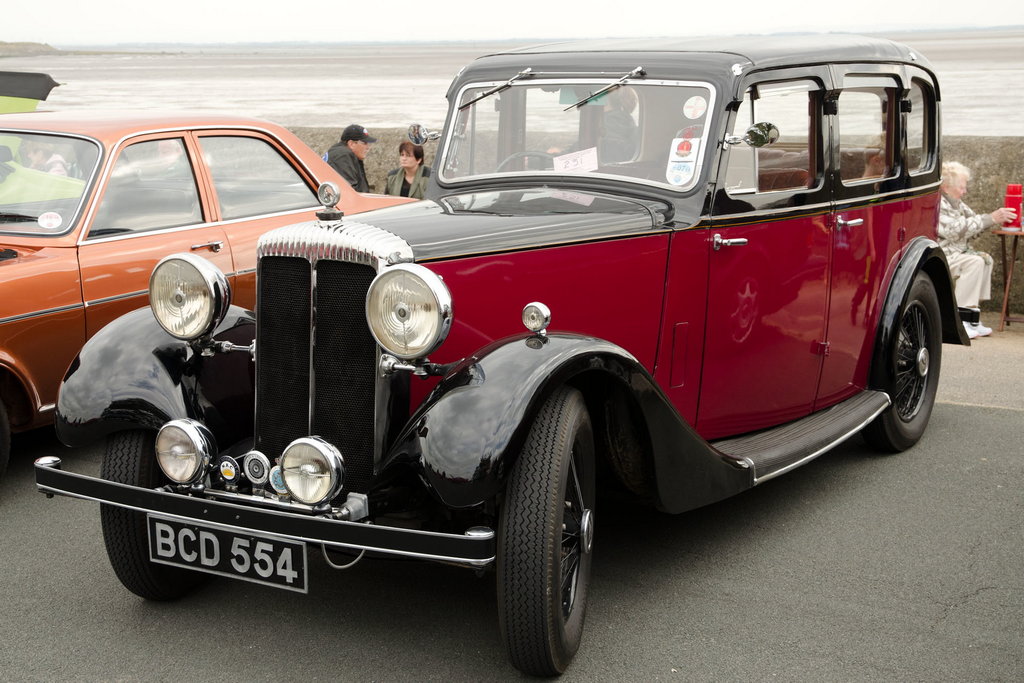
Daimler 15; LQ20
First of the pushrod Daimlers, with bigger engine and more power and about 70 mph from 1935. LQ20 was an enlarged version with a bigger engine, of more robust architecture to handle the extra torque.
Years
1933-36, 1934-36
Engine
1805/2003; 2700/3317cc S6 OHV
Body Style
Saloon, coupé, DHC; saloon, limo
Production
3000, 3100; 1350
Power: Weight
Dimensions
Photo: Flickr
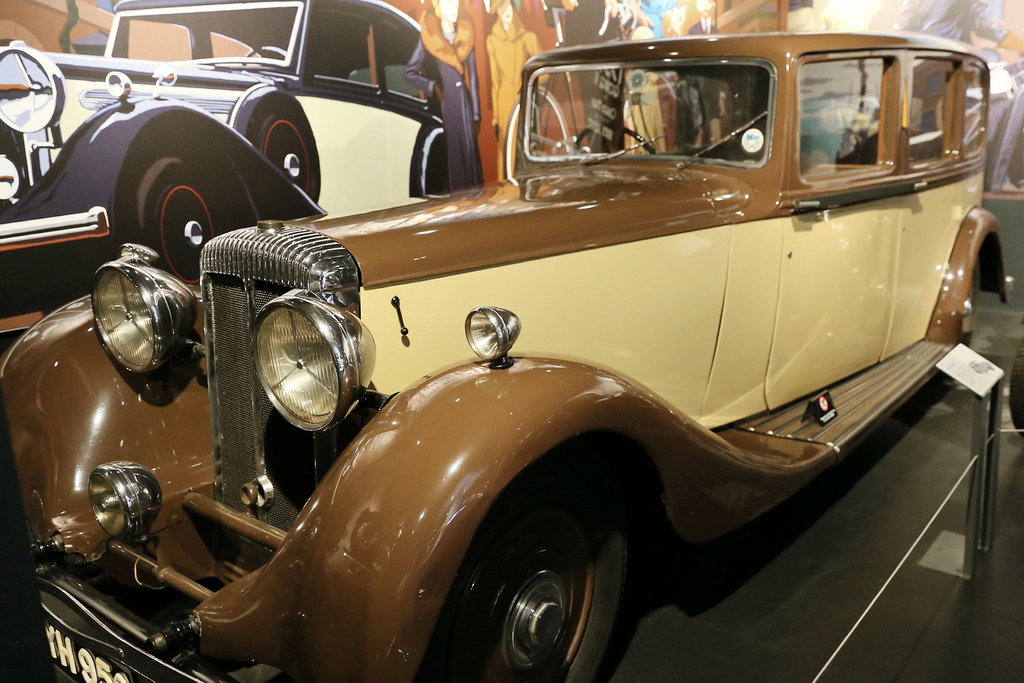
Daimler V26, Light Straight 8, 4-Litre, 4.5-Litre
Pomeroy’s straight eight. V26 (replaced by 4.5-Litre) was the heavy, Royal limousine (latter landaulette or Sedanca de Ville). ‘Light’ version (shown; replaced by 4-Litre) a comparative adjective only, but a credible Bentley rival.
Years
1934-35, 1936-38, 1939-40, 1936-40
Engine
3764/3421/3960/4624 S8 OHV
Body Style
Saloons, cabriolets, limousines
Production
252, 180, 120, 475
Power: Weight
Dimensions
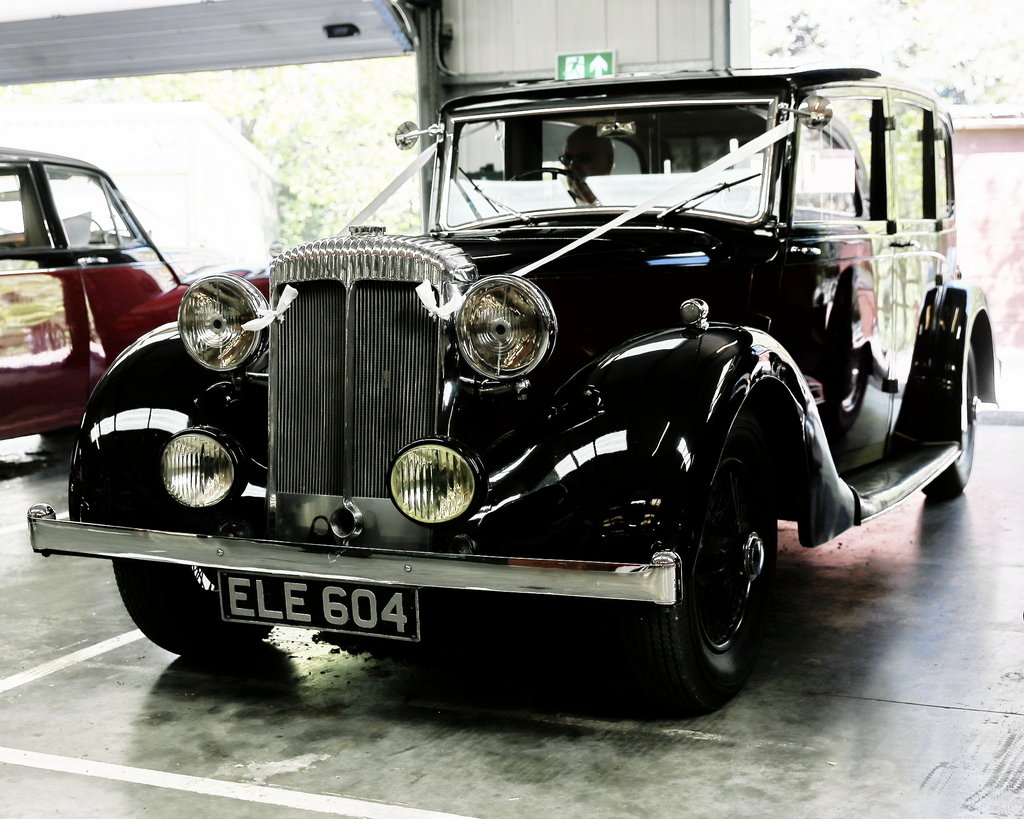
Daimler Light 20; EL24/ES24
LQ20 replacement but lighter and faster – identical to the Lanchester, but with fixed head. EL24 was the compact limousine: 10 in longer wheelbase than the Light 20 but smaller than the 8s and 12s (and removable head).
Years
1936-39; 1937-40, 1939-40
Engine
2565/3317cc S6 OHV
Body Style
Saloons, cabriolet; limousine
Production
860; 710
Power: Weight
Dimensions
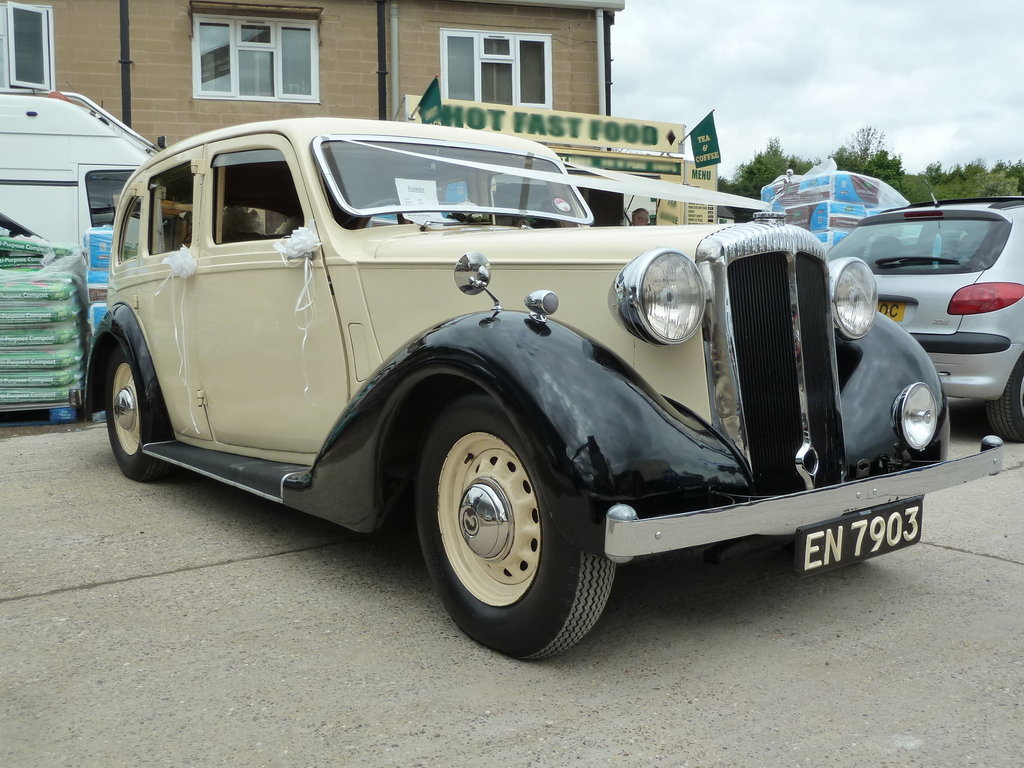
Daimler DB17, DB18
Small Daimler on wider track than the old 15. Underslung from DB17/2, bigger engine from DB18. 35 Special Sports were built but at least half destroyed by a wartime bomb.
Years
1937, 1938; 1939-40
Engine
2166; 2522cc S6 OHV
Body Style
Saloon, sports saloon, DHC, cabriolet
Production
1350, 1500; 1000
Power: Weight
Dimensions
Photo: Flickr
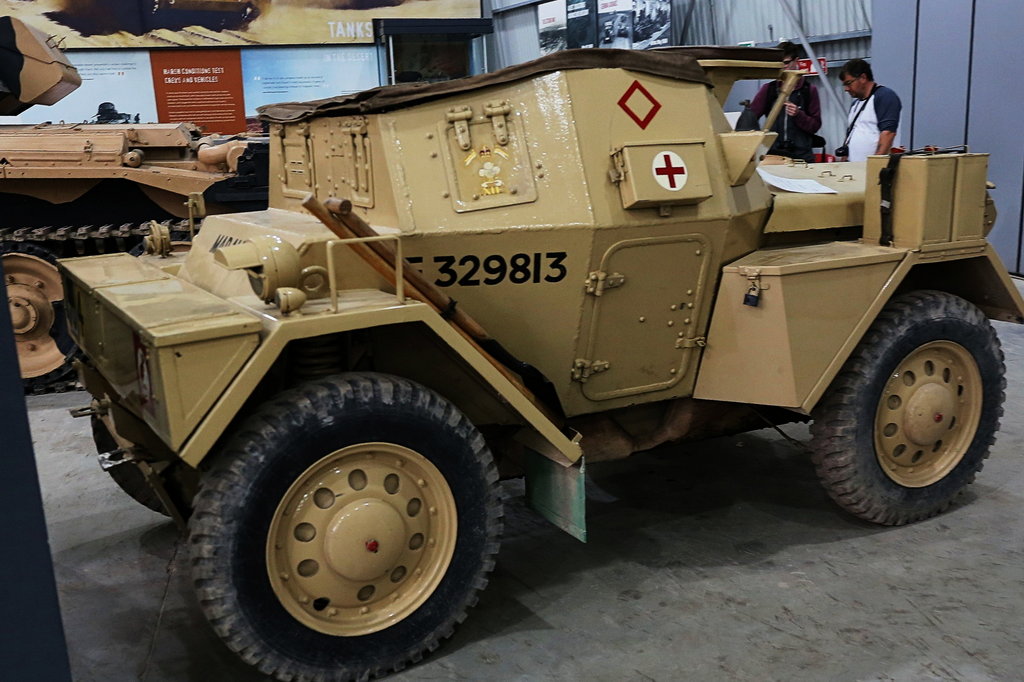
Daimler Dingo Scout Car
Designed by BSA to War Office specification, the first run was completed before the outbreak of war, and used by the BEF. The adapted DB18 engine, with pre-selector and fluid flywheel was suitably quiet. 4×4. 4-wheel steering (later deleted).
Years
Engine
2522cc S6 OHV
Body Style
Production
6626
Power: Weight
Dimensions
Photo: Flickr
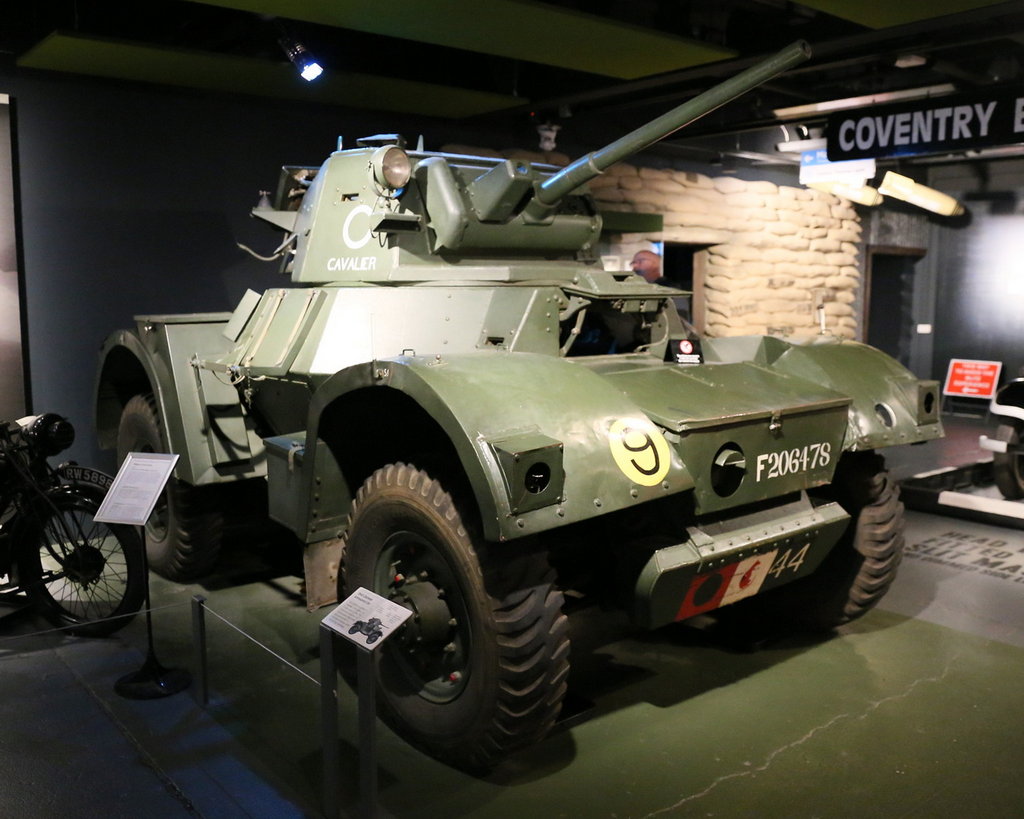
Daimler Armoured Car
Scaled-up Dingo with specially-developed engine. 4×4. Turret with 2-pounder gun. Highly reliable after teething problems delayed initial production. Often patrolled in pairs with two dingoes.
Years
Engine
4095cc S6 OHV
Body Style
Production
Power: Weight
Dimensions
Photo: Flickr