S.S. Cars Limited originated in Blackpool in 1922 as the Swallow Sidecar Company, founded by William Walmsley and William Lyons. Initially manufacturing stylish motorcycle sidecars, the firm expanded into building sleek, aluminium coachwork for popular Austin and Standard chassis.
Relocating to Coventry in 1928, the company evolved into a complete vehicle manufacturer, launching the low-slung SSI and SSII coupés in 1931. Rebranded as S.S. Cars Limited in 1933, the marque gained global acclaim for producing high-performance, exceptionally beautiful sports cars and saloons—like the iconic SS Jaguar 100—at a fraction of the cost of its premium luxury competitors.
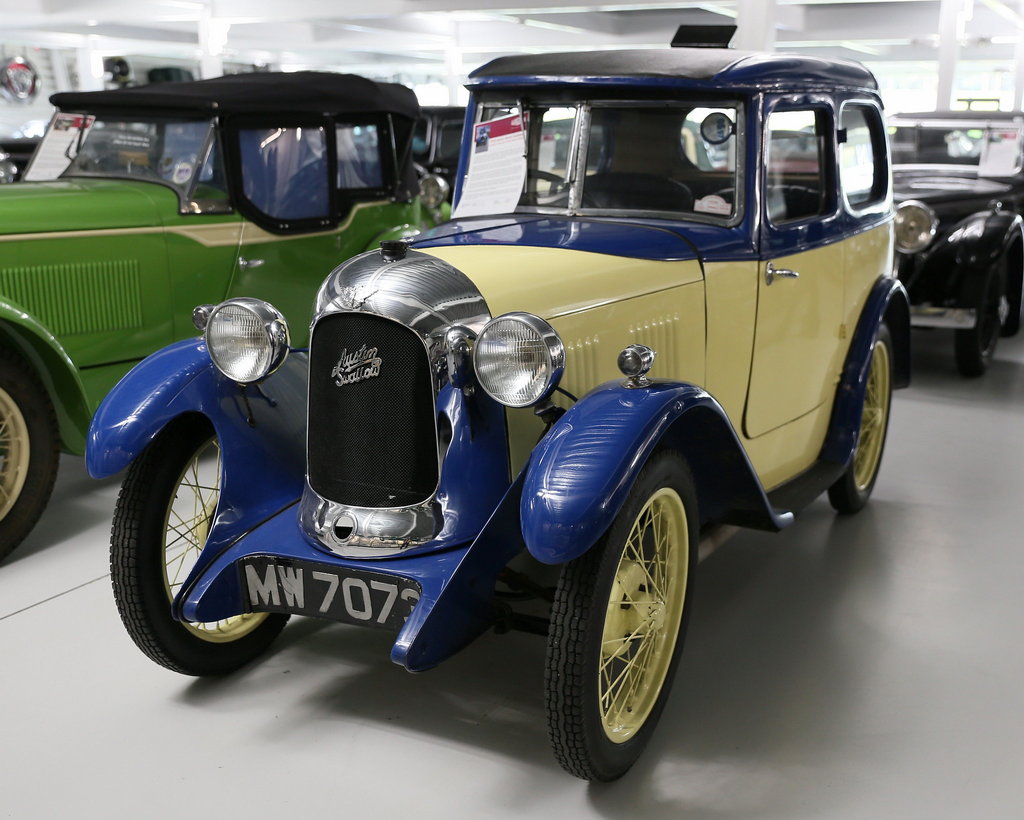
Austin Seven Swallow
Swallow-bodied Austin Seven, the first rebodied cars.
Years
1930
Engine
747cc S4 SV
Body Style
Production
Power: Weight
Dimensions
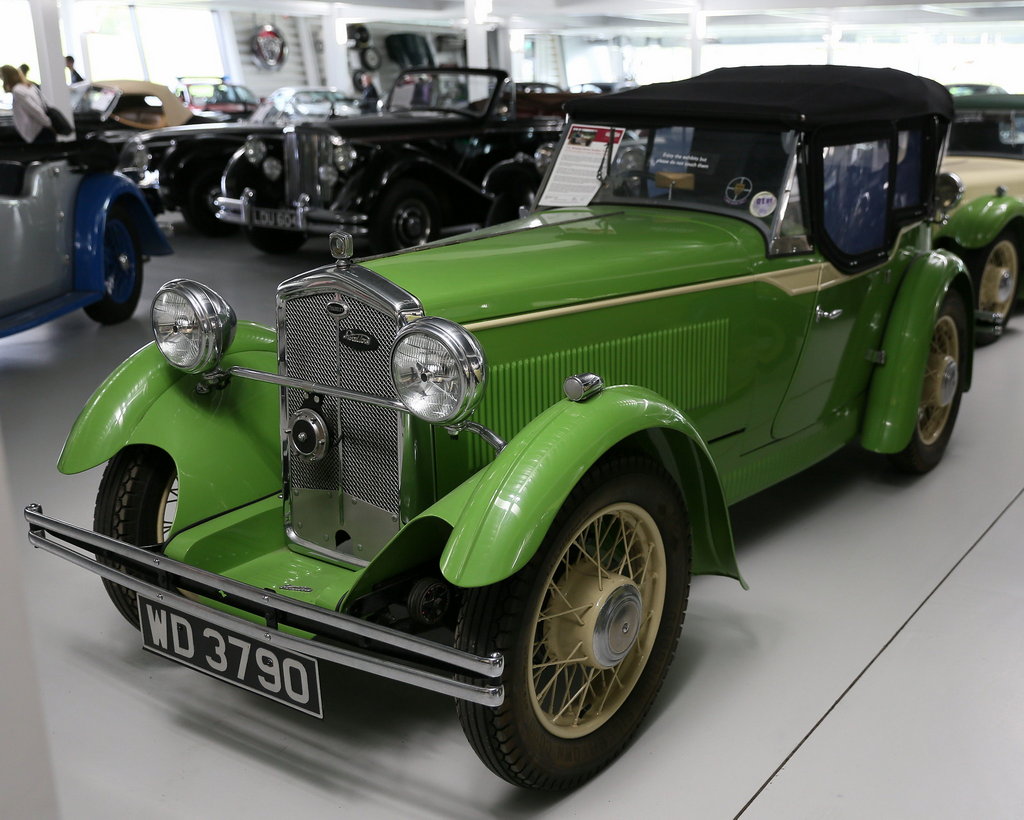
Wolseley Hornet Swallow
Swallow-bodied Wolseley Hornet. Last of the rebodied cars – FIAT and Standard cars were also rebodied.
Years
1932
Engine
1231cc S6 OC
Body Style
Production
Power: Weight
Dimensions
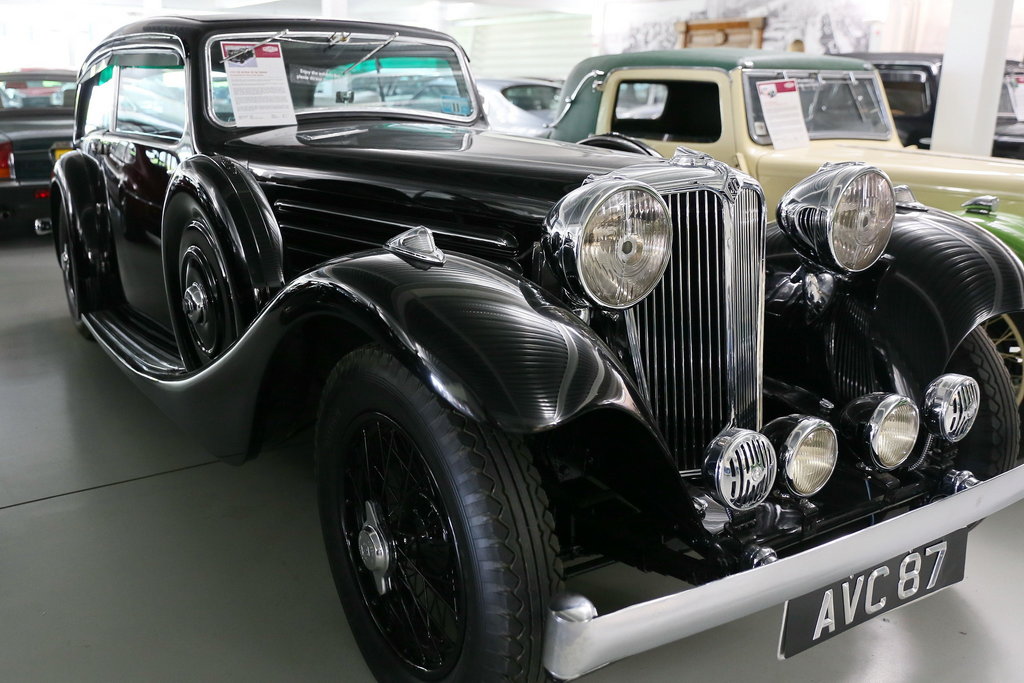
SS SSI
So to complete cars, albeit still on (specially built) Standard rolling chassis and engines. A groundbreaking coupé with low, rakish styling and high standards at highly competitive prices. Heavily revised each year.
Years
1932-36
Engine
2054/2552; 2143/2663cc S6 SV
Body Style
Coupés, tourers, saloon, airline saloon (shown)
Production
502, 1249, 2503
Power: Weight
Dimensions
Airline featured fastback art-deco roofline with dual wing-mounted spares
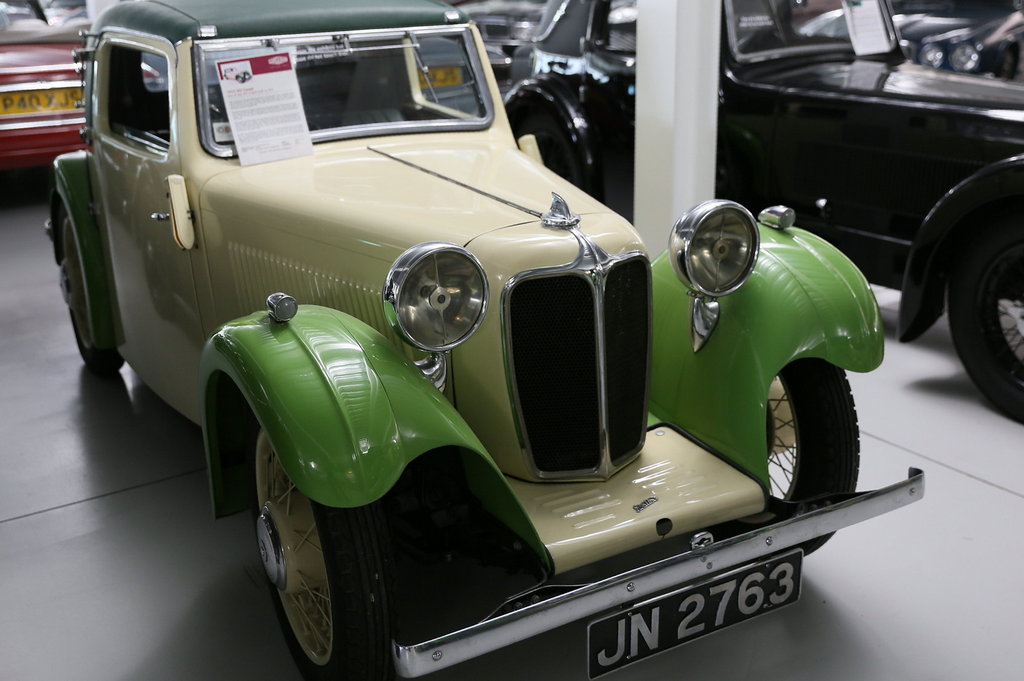
SS SSII
Similar to earlier rebodied Standards, the SS2 first had a Little Nine engine, from ’34 updated to the 10/12. Again nicely made, with opinion-dividing looks. Out-performed by rivals – including Triumph, later bought by Standard to compete.
Years
1932-36
Engine
1005;1343/1608 S4 SV
Body Style
Sports saloon, sportscar
Production
549; 1247
Power: Weight
Dimensions
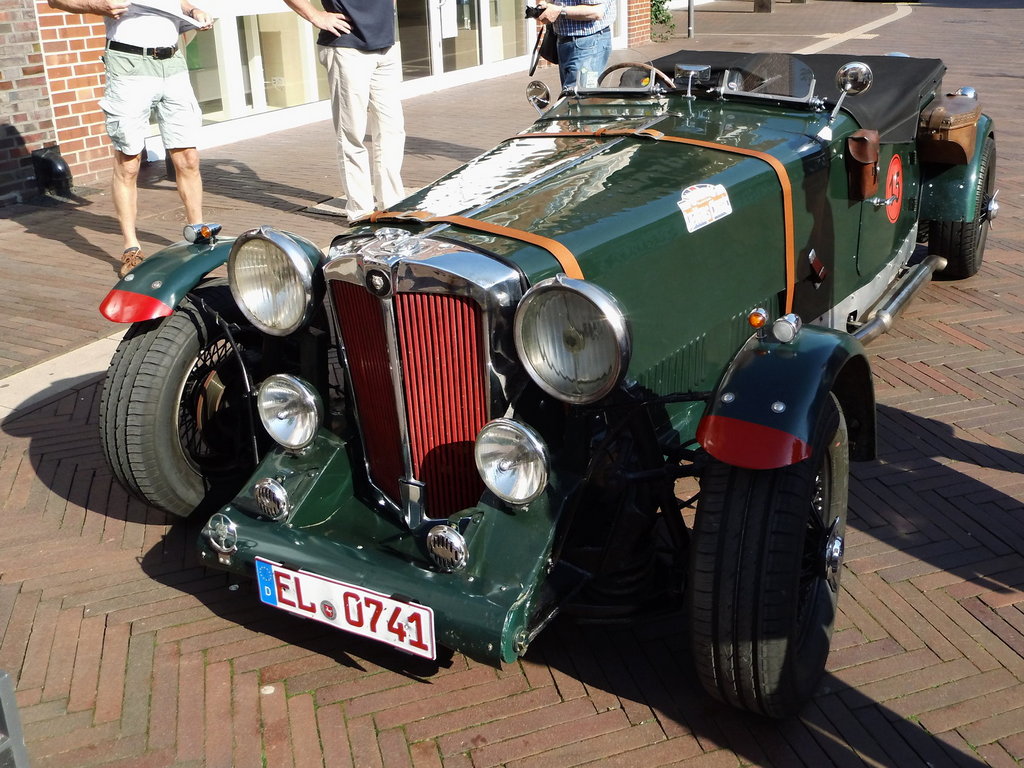
SS 90
Only made for a year, this well-received car laid the foundations for future 6-cylinder Jaguars. Much shorter than the SSI and better proportioned and better handling. Good for 90 mph, for a comparatively modest outlay.
Years
1935
Engine
2663cc S6 SV
Body Style
Production
23
Power: Weight
Dimensions
Photo: Flickr
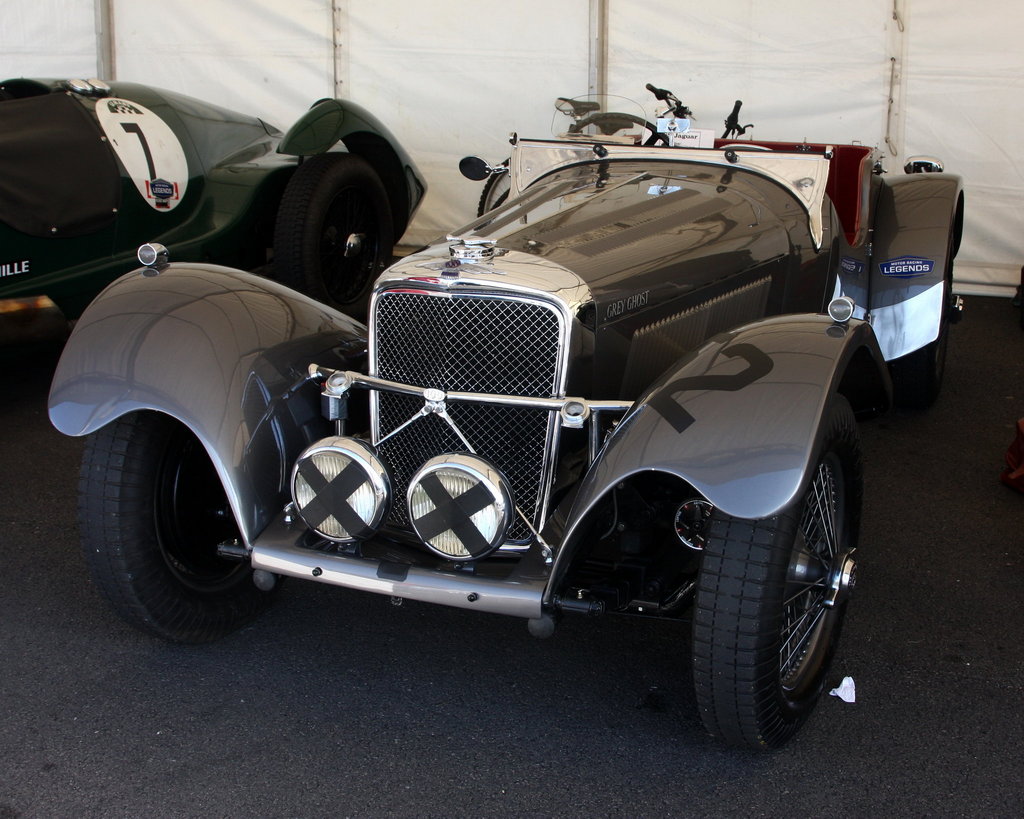
SS Jaguar 100 2.5-Litre/3.5-Litre
Iconic 1930s sportscar, albeit not an immediate hit with purists. Superb power-to-weight ration from new OHV engines developed with Standard. A startling 95 mph for £395, or 105 mph and 0-60 in 11 seconds. Tricky handling at the limit.
Years
1936-39; 1938-39
Engine
2663/3485cc S6 OHV
Body Style
Production
Power: Weight
Dimensions
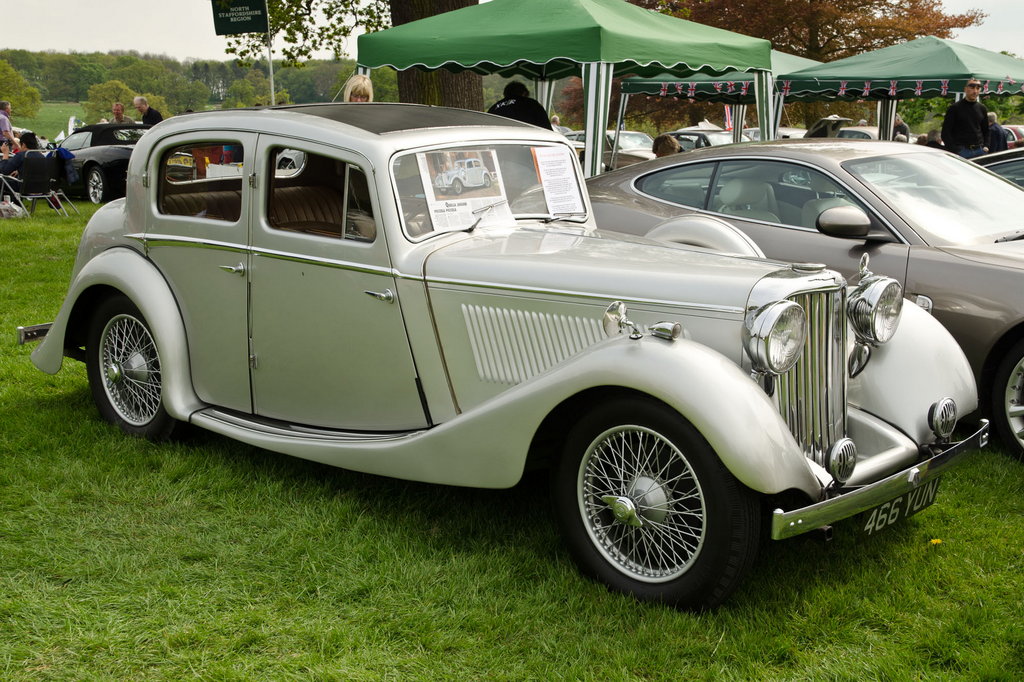
SS Jaguar 1.5-Litre
Much more modern looks, but not really enough power for the body, but the upgrade to overhead valves in 1938 helped. Useful volume and cash generator for the business, and an entry level Jaguar for the market.
Years
1936-40
Engine
1608cc S4 SV; 1775cc S4 OHV
Body Style
Saloon; DHC from ‘383633
Production
2208; 5077
Power: Weight
Dimensions
Photo: Wikipedia

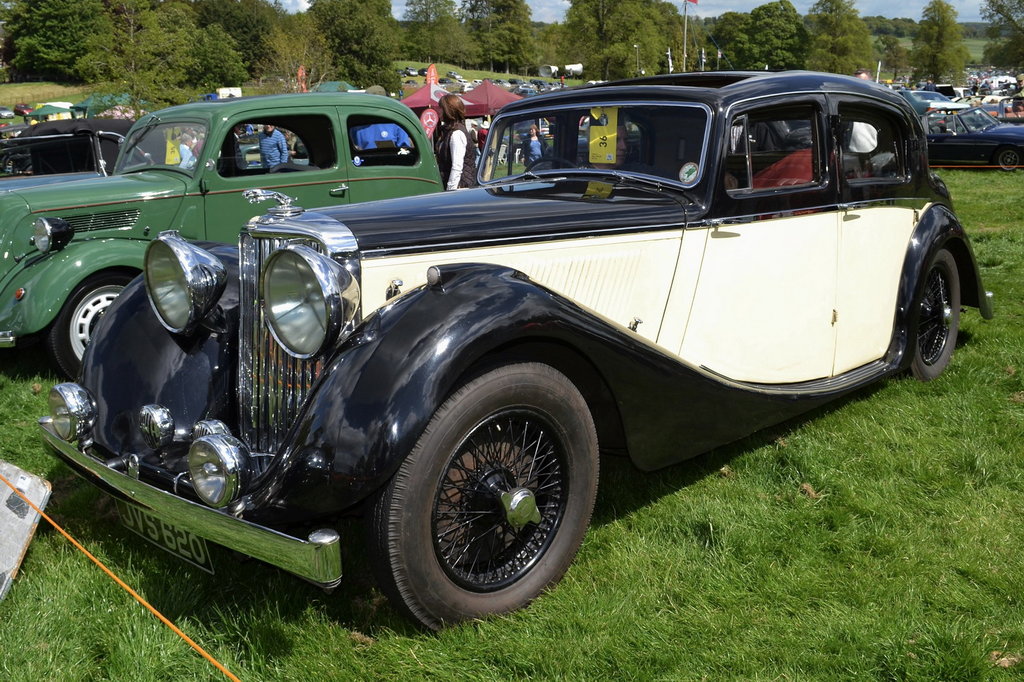
SS Jaguar 2.5-Litre / 3.5-Litre
The car which made the name for Jaguar saloons. New frame. SS OHV head then also used on the SS100. All-steel body (and hidden spare wheels) on saloons from 1938 – a big move for a firm which started as a coachmaker.
Years
1936-40; 1938-40
Engine
2663/3485cc S6 OHV
Body Style
Saloon, tourer to ’38 then DHC
Production
3633: 3162 (’38 on)
Power: Weight
Dimensions
Photo: Flickr