Category: Automotive Posts

  • Austin-Healey 100 and 3000 (1953-1968)

    Austin-Healey 100 and 3000 (1953-1968)

    The Austin-Healey 100 launched in 1953, born from a partnership between Donald Healey and BMC. Built on a rigid steel ladder frame, the purist roadster ran on a 2,660 cc inline-four engine derived from the Austin Atlantic.

    It earned its name by cracking the magic 100 mph mark, boasting a signature fold-down windscreen.The line evolved into the legendary Austin-Healey 3000 in 1959. This “Big Healey” swapped the four-pot for a punchy 2,912 cc C-Series straight-six engine and gained front disc brakes to manage the extra grunt.

    Cultivating a muscular, “hairy-chested” reputation, the 3000 dominated international stage rallying before concluding production in 1967 as the luxurious, walnut-dashed Mark III.
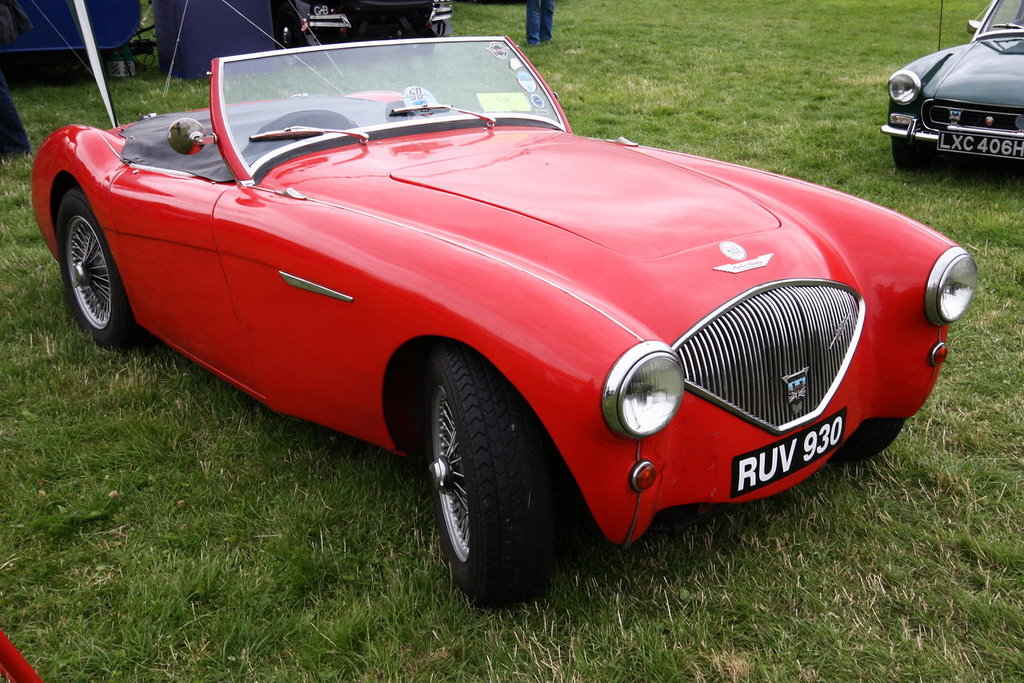
    Austin Healey 100/4

    The purist roadster that started the legendary “Big Healey” lineage. Built across the 3-speed BN1 and 4-speed BN2 generations, it combined a rigid ladder frame with a torquey 2.6-litre Austin engine, delivering a genuine 100 mph top speed.

    Years

    1953-56

    Engine

    2660cc S4 OHV

    Body Style

    Roadster

    Production

    14,012

    Power: Weight

    Dimensions
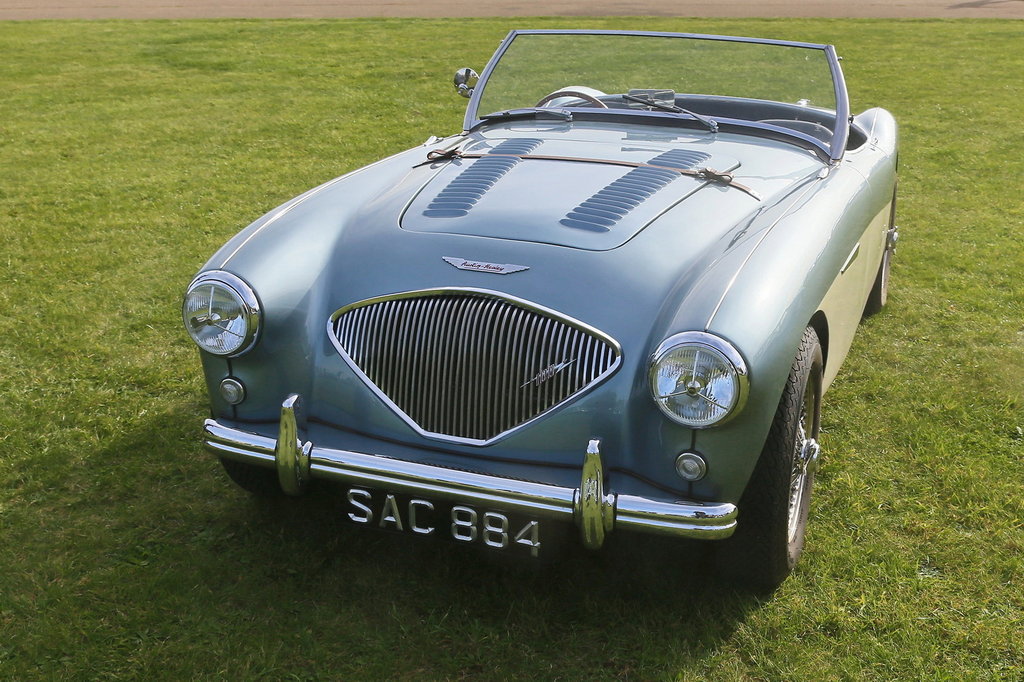
    Austin Healey 100M

    High-performance, factory-built homage to the brand’s success at Le Mans. Based on the BN2 platform, it was tuned to 110 bhp via larger carburettors and high-compression pistons.

    Years

    1955-56

    Engine

    2660cc S4 OHV

    Body Style

    Roadster

    Production

    640

    Power: Weight

    Dimensions

    Louvred bonnet
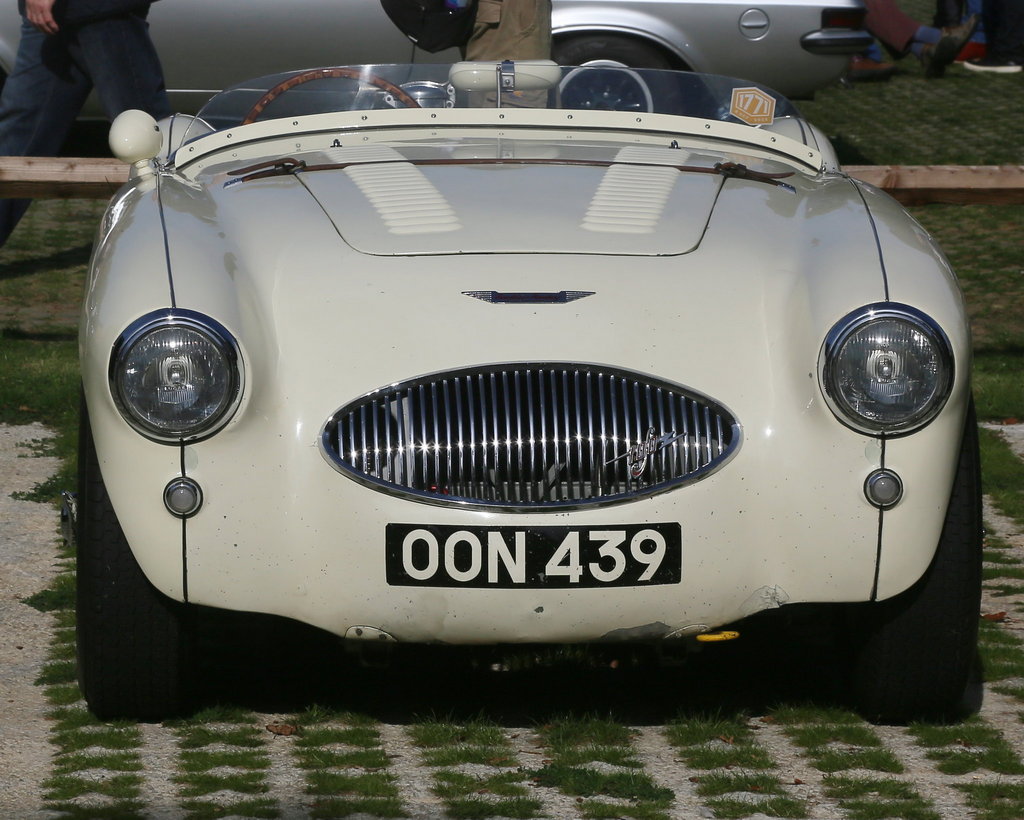
    Austin Healey 100S

    Stripped-out, aluminium-bodied car built specifically for competition. It featured a unique Weslake alloy cylinder head, boosting output to 132 bhp. The first production car to feature four-wheel disc brakes.

    Years

    1955

    Engine

    2660cc S4 OHV

    Body Style

    Roadster

    Production

    50

    Power: Weight

    132 bhp

    Dimensions
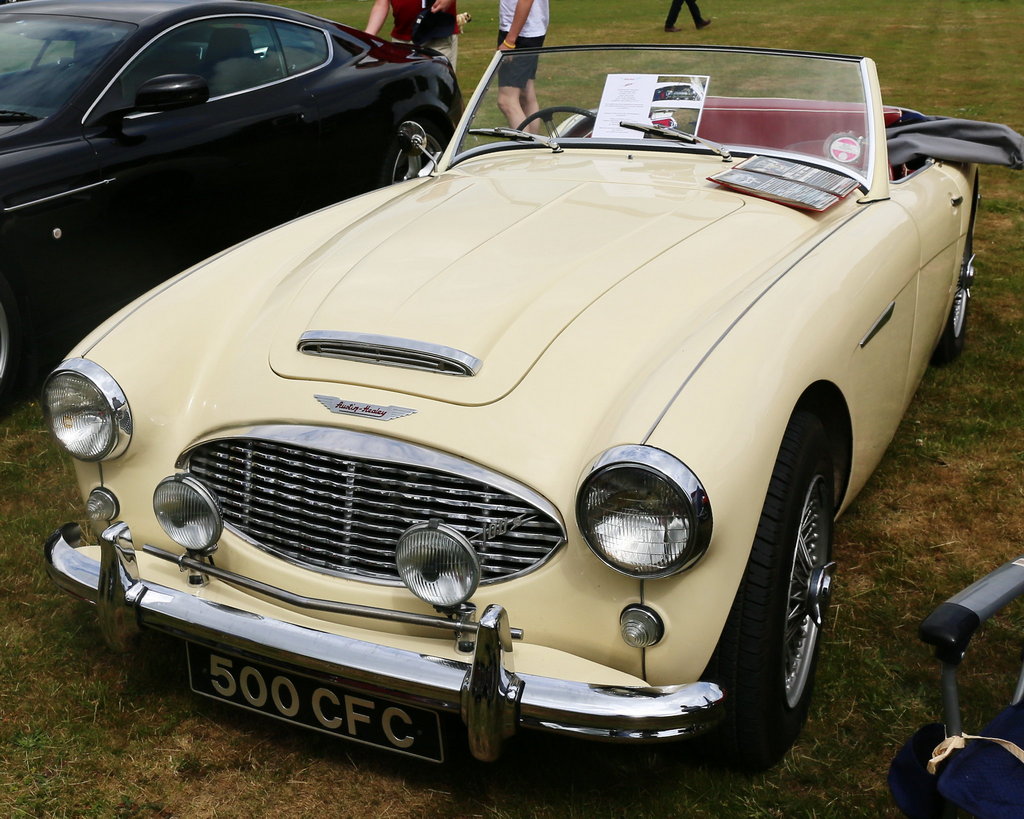
    Austin Healey 100/6

    Transformed the line by fitting a 2,639 cc BMC C-Series straight-six engine. Featuring a stretched wheelbase, a fixed windscreen, and a bonnet scoop, it initially produced 102 bhp, rising to 117 bhp with an upgraded cylinder head.

    Years

    1956-59

    Engine

    2639cc S6 OHV

    Body Style

    Roadster, Sports 2+2

    Production

    14,436

    Power: Weight

    102-117 bhp

    Dimensions
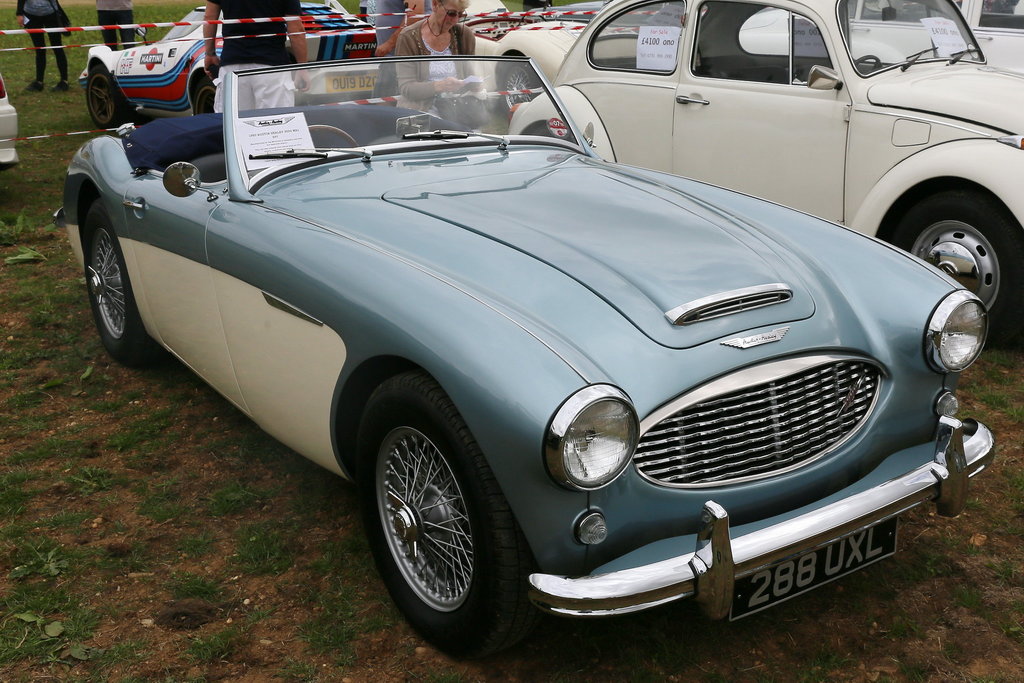
    Austin Healey 3000 Mk I

    Larger 2,912 cc C-Series straight-six, delivering 124 bhp. Crucially, it introduced front disc brakes to handle the added performance, split across 2+2 (BN7) and two-seater (BT7) configurations.

    Years

    1959-61

    Engine

    2912cc S6 OHV

    Body Style

    Roadster, Sports 2+2

    Production

    13,650

    Power: Weight

    124 bhp

    Dimensions
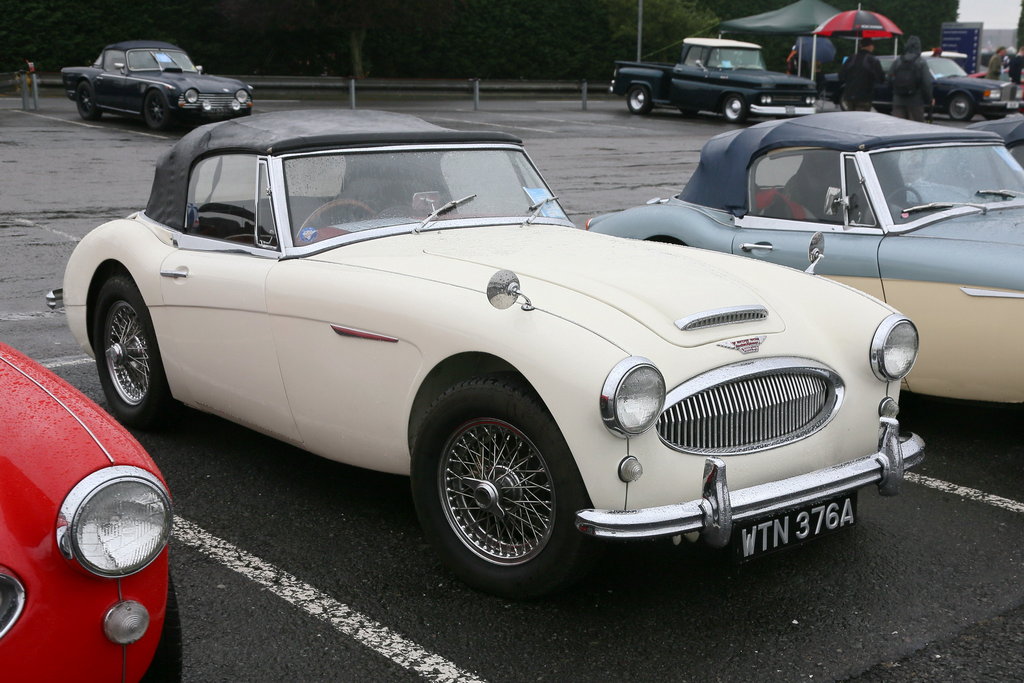
    Austin Healey 3000 Mk II

    More muscle via an uprated 132 bhp straight-six engine fed by distinctive triple SU carburettors. The final BJ7 variant (1962) reverted to dual carburettors for easier balancing, and introduced winding windows and a curved windscreen.

    Years

    1961-63

    Engine

    2912cc S6 OHV

    Body Style

    Sports 2+2

    Production

    11,563

    Power: Weight

    Dimensions

    Convex grille
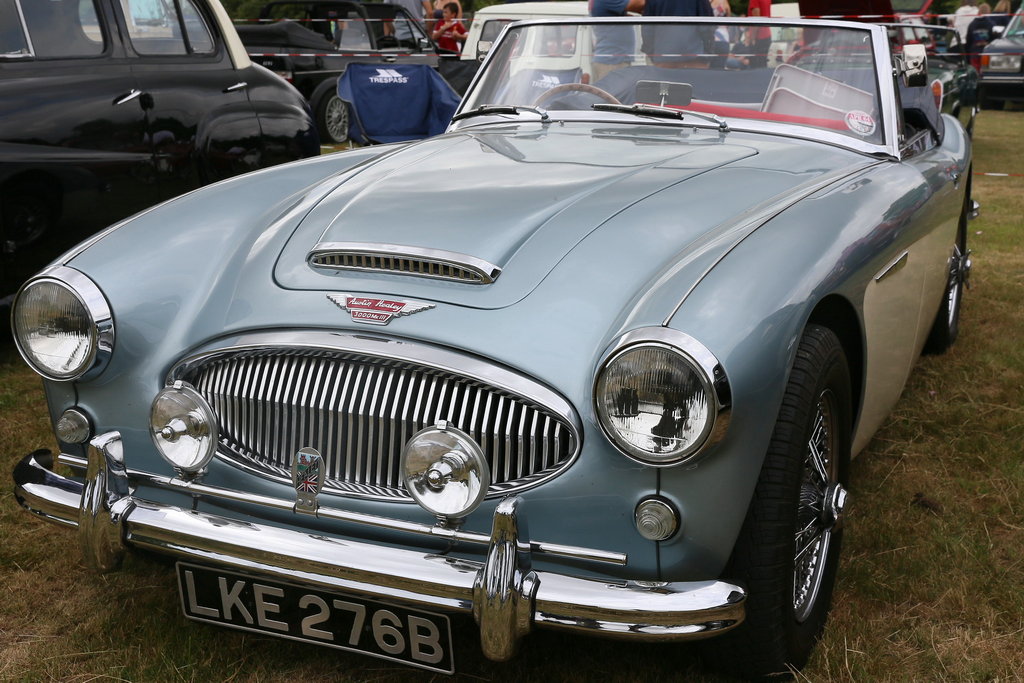
    Austin Healey 3000 Mk III

    The Mk III concluded the “Big Healey” era as the most powerful and luxurious variant. The BJ8, was tuned to 150 bhp via twin SU HD8 carburettors. The cabin was updated with a plush interior with a burled walnut dashboard.

    Years

    1963-68

    Engine

    2912cc S6 OHV

    Body Style

    Roadster

    Production

    16,321

    Power: Weight

    150 bhp

    Dimensions
  • British Cars (Indie A-K)(1945-1999)

    British Cars (Indie A-K)(1945-1999)

    Britain has been blessed for over a century with a healthy band of intrepid independent car producers, attempting to bring a vision to the market. Some emerged from competition roots, some from ‘kit car’ makers, some from industrial diversification.

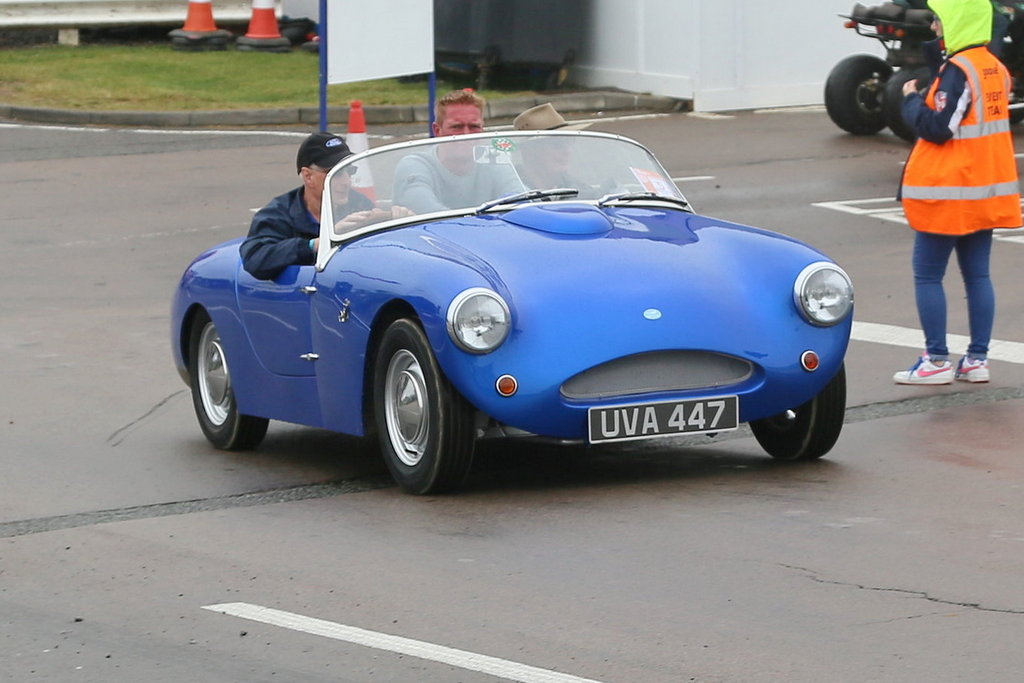
    Buckler Mk V (etc)

    Founded by Derek Buckler in Reading in 1947, Buckler pioneered the kit car industry, and dominated 1950s trials and club racing. Advanced, ultra-lightweight spaceframe chassis clothed in aluminium or glass fibre bodies.

    Years

    1949-62

    Engine

    Various

    Body Style

    Sports racer

    Production

    Power: Weight

    Dimensions

    Photo: Flickr

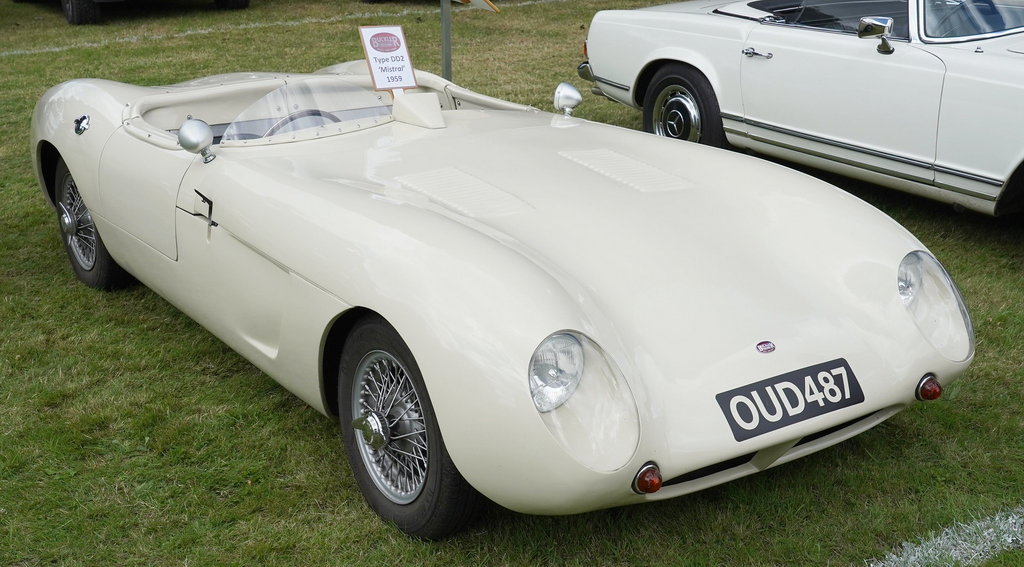
    Buckler DD2 Mistral

    Successful sports-racer built on multi-tubular spaceframe chassis. It typically featured a sleek glass fibre Microplas Mistral body and de Dion rear suspension. Like its predecessors, the 90 and DD1, it accepted various engines up to 2.0-litres

    Years

    1957-62

    Engine

    Various

    Body Style

    Sports racer

    Production

    Power: Weight

    Dimensions

    Photo: Flickr

    Clan Crusader

    Lightweight, rear-engined sports car built in Co. Durham. Created by ex-Lotus engineer, Paul Haussauer, with fibreglass monocoque chassis and Hillman Imp engine. Known for its exceptional handling.

    Years

    1971-74

    Engine

    .

    Body Style

    .

    Production

    .

    Power: Weight

    .

    Dimensions

    .

    Photo: Flickr

    Connaught L2 / L3

    Only road-going cars from the famous sports and GP racing company, based in Surrey. Based on modified Lea-Francis running gear with high-compression engines, under aluminium bodies.

    Years

    1948-53

    Engine

    1767cc S4 OHV

    Body Style

    Roadster

    Production

    c. 27

    Power: Weight

    Dimensions

    Photo: Flickr

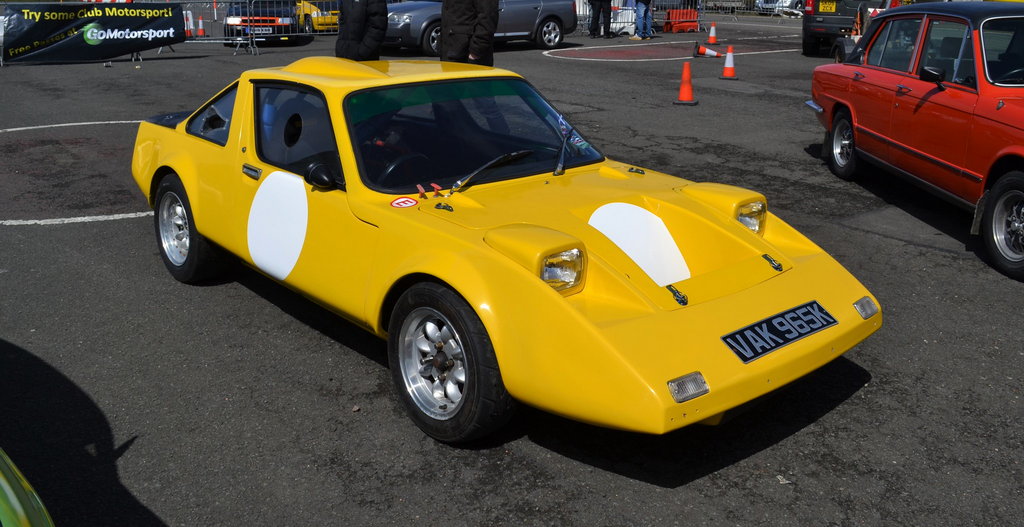
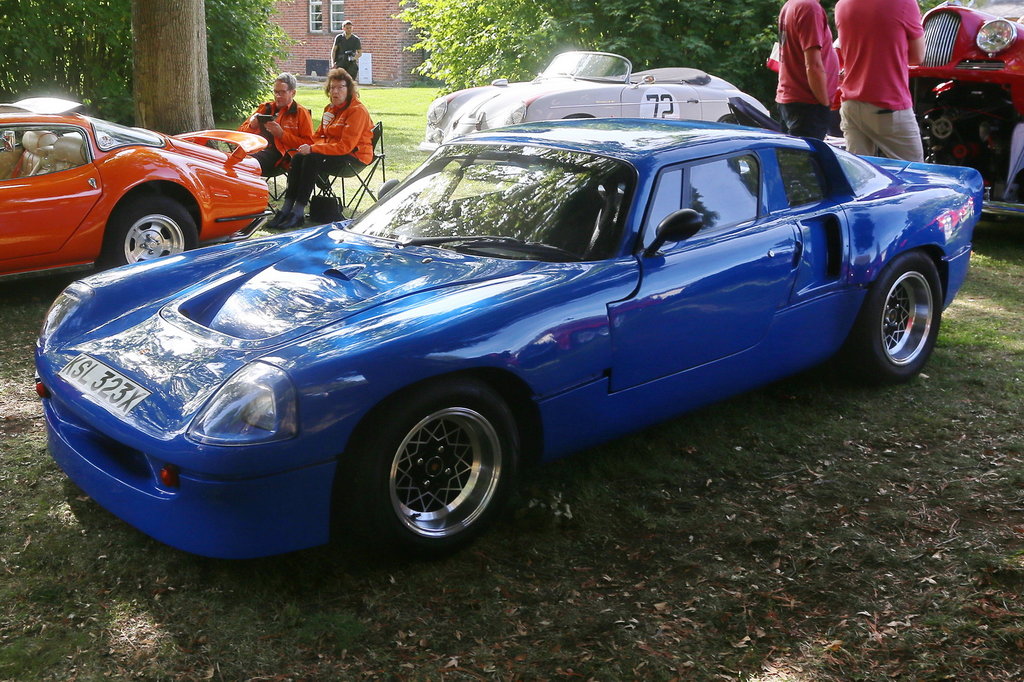
    Davrian

    Founded by Adrian Evans, Davrian used lightweight, rigid fibreglass monocoques, and mostly Hillman Imp engines. Popular in amateur rallying and circuit racing.

    Years

    1968-83

    Engine

    875cc S4 OHC

    Body Style

    Sports coupé.

    Production

    Power: Weight

    Dimensions

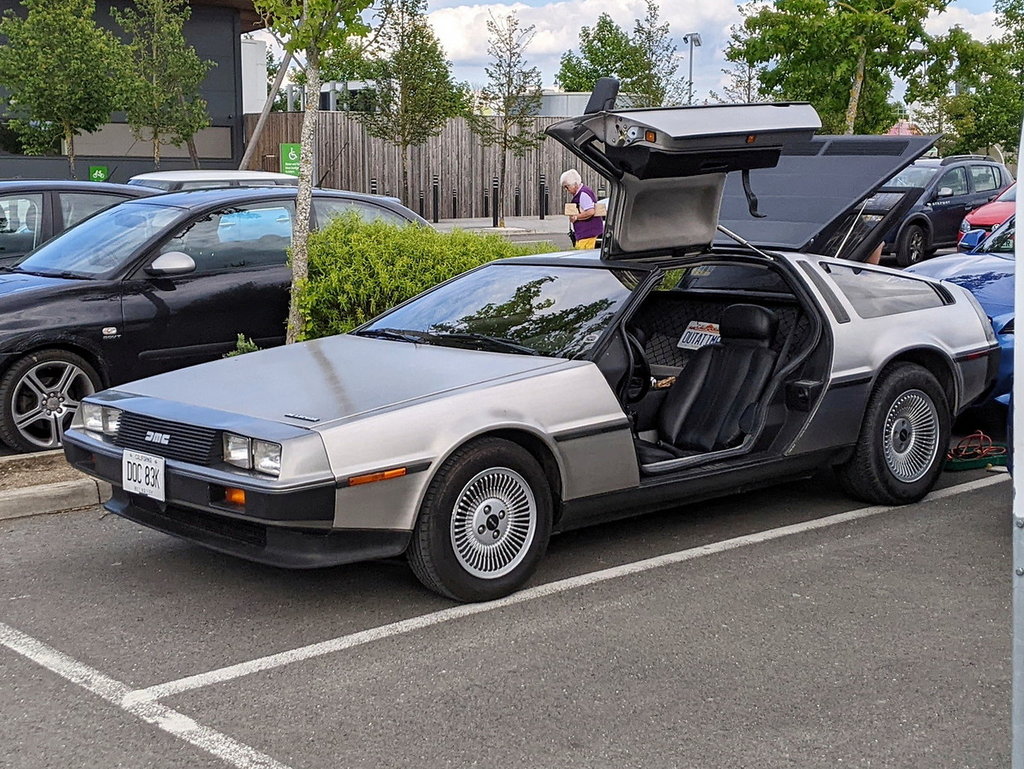
    Delorean DMC-12

    Iconic gull-wing car designed by Giugiaro, made by Pontiac legend John Z. DeLorean. Made in Northern Ireland, backed by UK government. Featured brushed stainless-steel body panels. Arguably under-powered, especially in US.

    Years

    1981-82

    Engine

    2849cc S4 OHV

    Body Style

    Coupé

    Production

    c. 9000

    Power: Weight

    156 bhp

    Dimensions

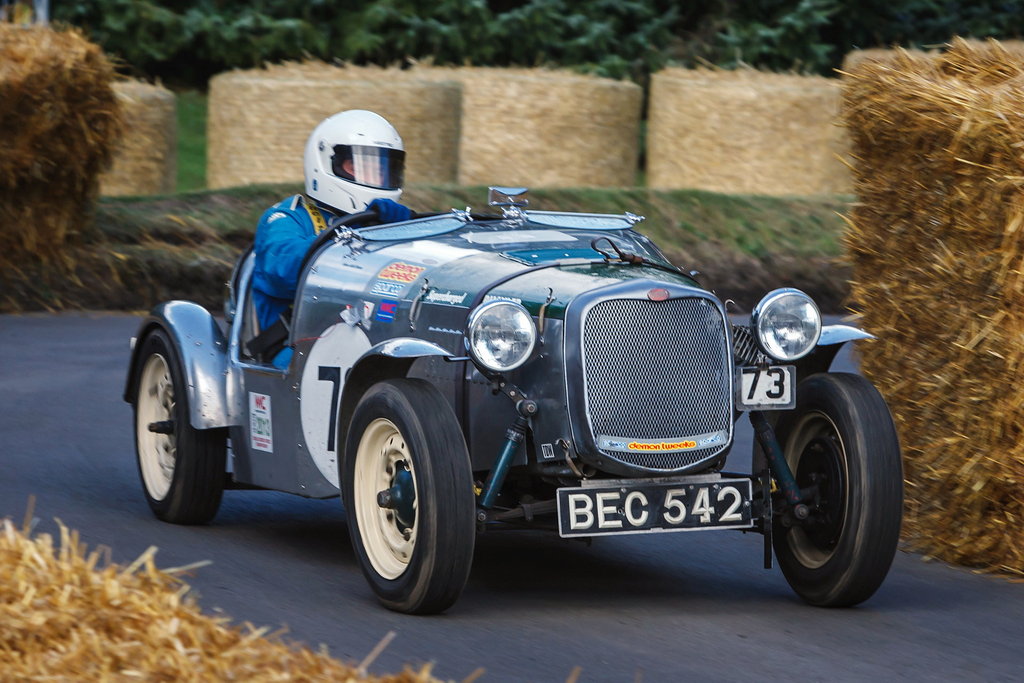
    Dellow

    Dellow made highly successful trials cars, using lightweight, military-surplus rocket tubes for chassis, and aluminium panels. Exceptional power-to-weight ratio, and dominated post-war hill climb events.

    Years

    1949-57

    Engine

    1172cc Ford

    Body Style

    Sports racer

    Production

    c. 500

    Power: Weight

    Dimensions

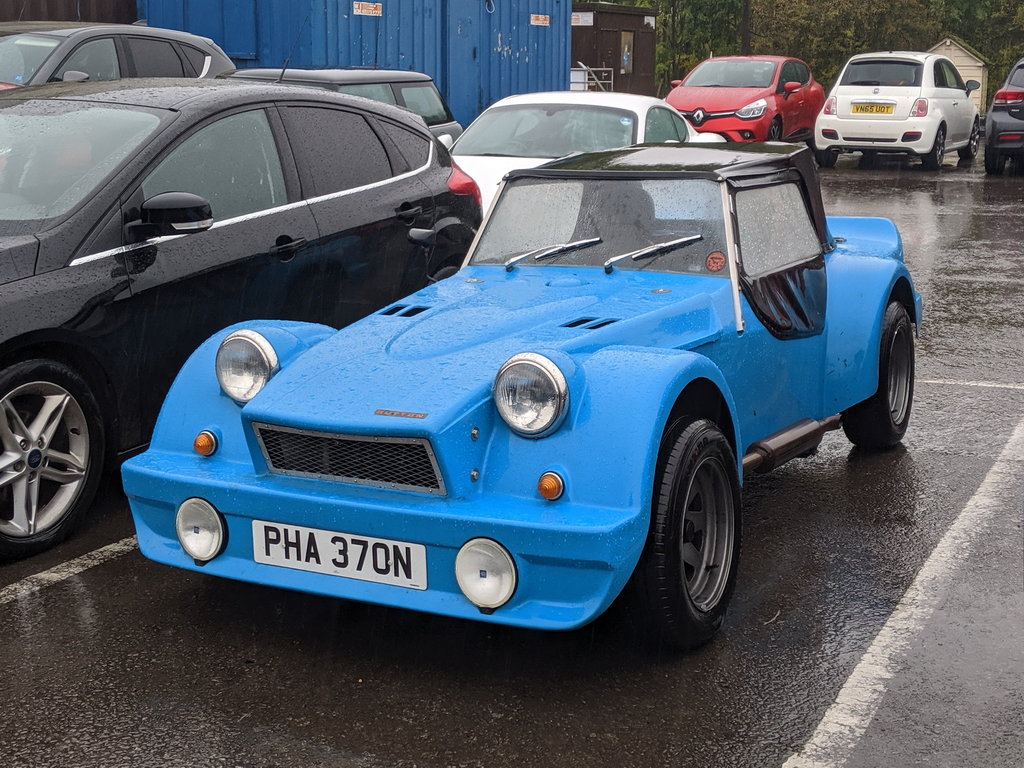
    Dutton Phaeton

    Dutton Cars, was one of the world’s largest kit car manufacturers, producing rugged, glass-fibre-bodied like the Phaeton sportscar, and Sierra estate. Some were sold fully assembled. Company later made amphibious vehicles.

    Years

    1977-89

    Engine

    1296/1598cc S4 OHV Triumph/Ford etc

    Body Style

    Sportscar

    Production

    c. 8000 (all models from 1970)

    Power: Weight

    Dimensions

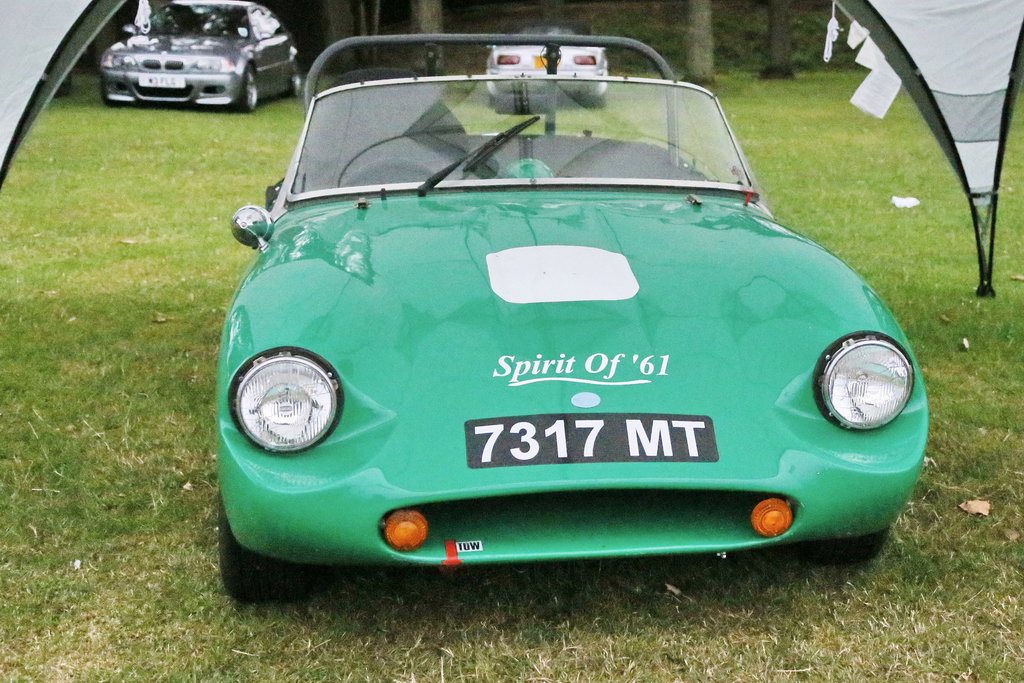
    Elva Courier

    Lightweight, high-performance sports car from East Sussex. Simple tubular chassis and glass-fibre bodywork, usually with MGA engine. Exceptional handling made it highly successful in British and American sports car racing.

    Years

    1958-61

    Engine

    1489/1588cc S4 OHV Riley/MG

    Body Style

    Sportscar

    Production

    c. 400

    Power: Weight

    Dimensions

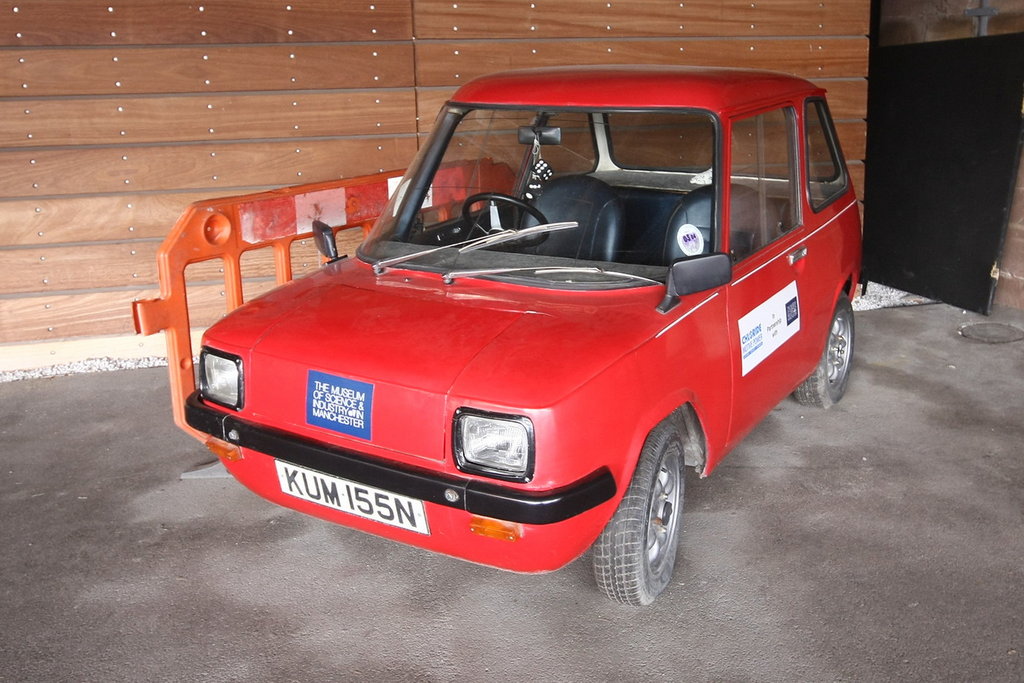
    Enfield 8000

    Pioneering electric city car from the Isle of Wight. Featuring an aluminium body on a steel chassis, it was powered by an 8hp electric motor and lead-acid batteries. The Electricity Council ordered 66 cars for fleet testing trials.

    Years

    1973-76

    Engine

    Electric motor

    Body Style

    Microcar

    Production

    103

    Power: Weight

    8 hp

    Dimensions

    Fairthorpe Electron

    Lightweight sports car featuring a Microplas Mistral glass fibre body over a steel chassis, and Coventry Climax engine. The engine was expensive, which limited production.

    Years

    1956-65

    Engine

    1098cc S4 OHC Coventry Climax

    Body Style

    Sportscar

    Production

    c. 30

    Power: Weight

    Dimensions

    Fairthorpe Electron Minor

    Probably saved the company by replacing the pricey Climax engine. Built on a tubular steel ladder chassis with a glass fibre body. It evolved through six marks, moving from Standard 10 engine through Herald and Spitfire units.

    Years

    1957-73

    Engine

    948/1147/1296cc S4 OHV Triumph

    Body Style

    Sportscar

    Production

    c. 500

    Power: Weight

    Dimensions

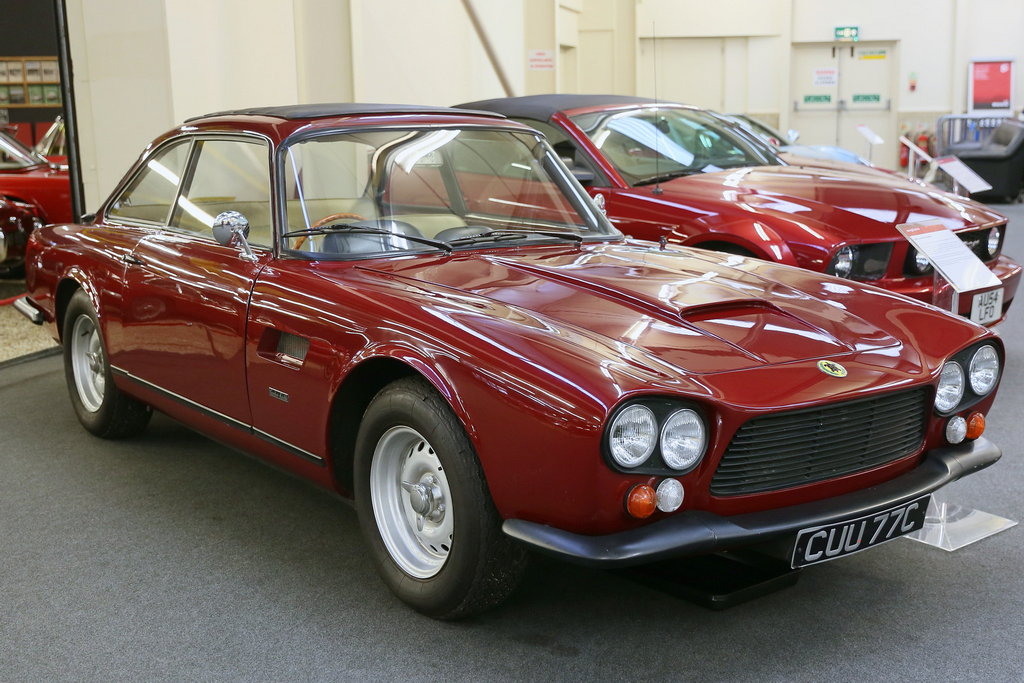
    Gordon-Keeble GK1 / IT

    Magnificent Anglo-American grand tourer, conceived by John Gordon and Jim Keeble. Featuring a Giugiaro-styled glass fibre body over a square-tube spaceframe chassis, and powered by a thunderous Chevrolet V8 engine.

    Years

    1964-67

    Engine

    5395cc V8 OHV Chevrolet

    Body Style

    Sports saloon

    Production

    99

    Power: Weight

    Dimensions

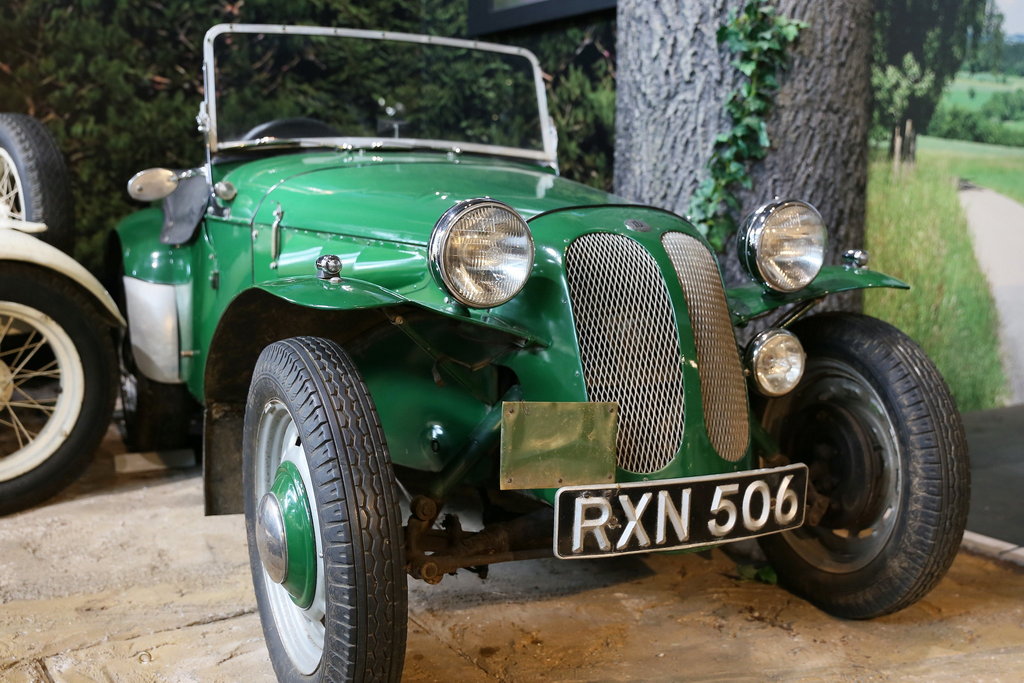
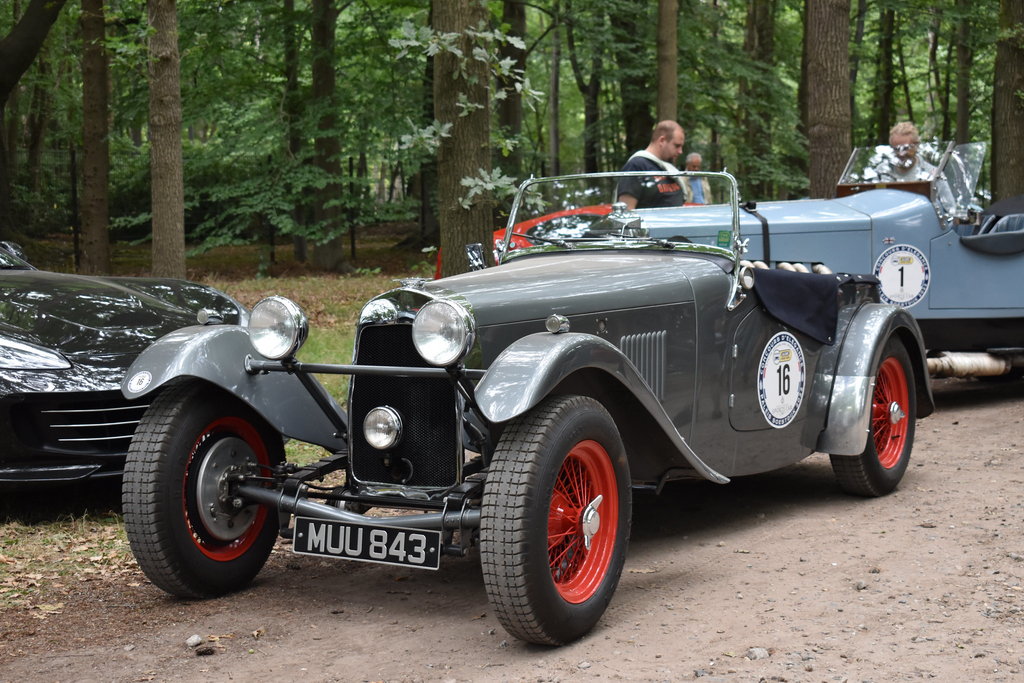
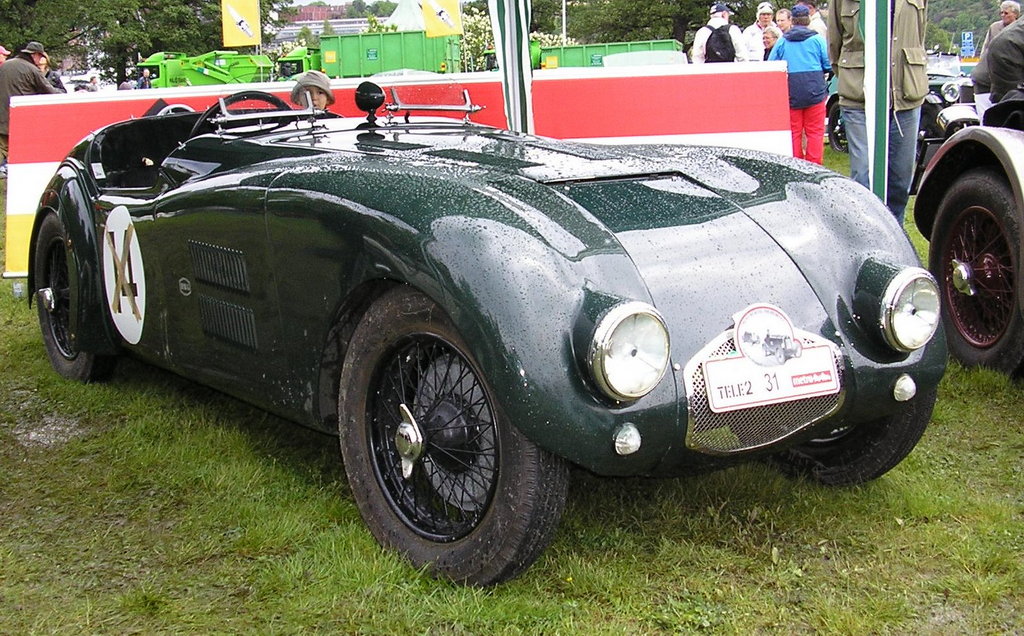
    HRG 1100/1500

    Quintessentially traditional British sports cars built in Surrey. Mating a stark, ultra-lightweight chassis with vintage styling. Singer engines replaced the pre-War Meadows units.

    Years

    1939-55

    Engine

    1047/1496cc S4 OHC Singer

    Body Style

    Sports racer

    Production

    49/138

    Power: Weight

    Dimensions

    Photo: Flickr

    HRG 1500 Aerodynamic

    The traditional chassis clothed in a pioneering, streamlined aluminium body built by Fox & Nicholl.

    Years

    1946-48

    Engine

    1496cc S4 OHV Singer

    Body Style

    Sports racer

    Production

    30

    Power: Weight

    Dimensions

    Photo: Flickr

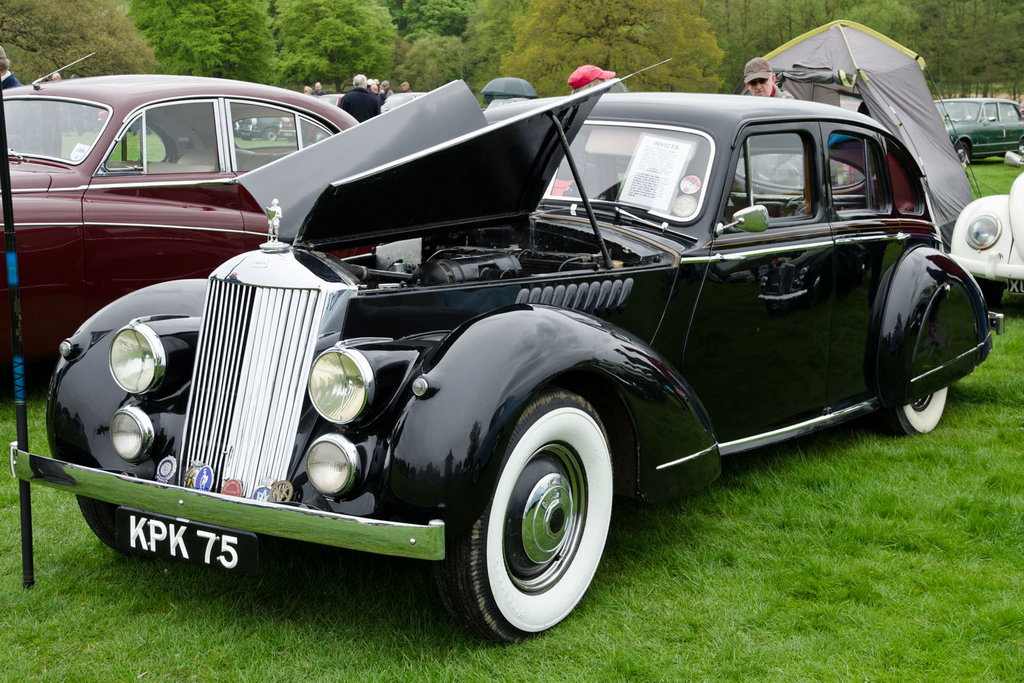
    Invicta Black Prince

    Advanced luxury car intended to rival Bentley. It featured a complex 3.0-litre DOHC Meadows engine and a pioneering, automatic torque converter. 24v, twin spark. Extremely expensive to build, and inevitably became unsustainable.

    Years

    1946-50

    Engine

    2998cc S6 DOC Meadows

    Body Style

    Saloon, DHC, specials

    Production

    c. 25

    Power: Weight

    Dimensions

    Photo: Flickr

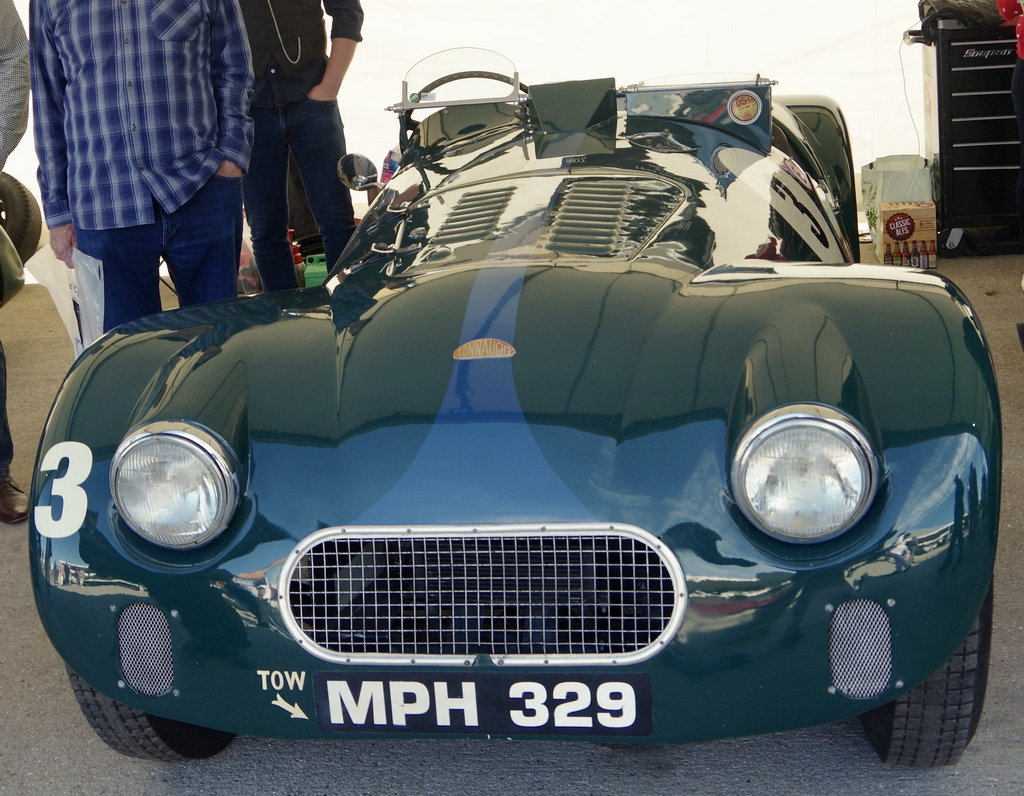
    Kieft

    Pioneering British racer. It was the first car to use the famous Coventry Climax FWA engine. Revolutionary, lightweight one-piece fibreglass body over a tubular ladder chassis.

    Years

    1954-56

    Engine

    1098cc S4 OC

    Body Style

    Sportscar

    Production

    c. 6

    Power: Weight

    Dimensions.

  • Healey (1946-54)

    Healey (1946-54)

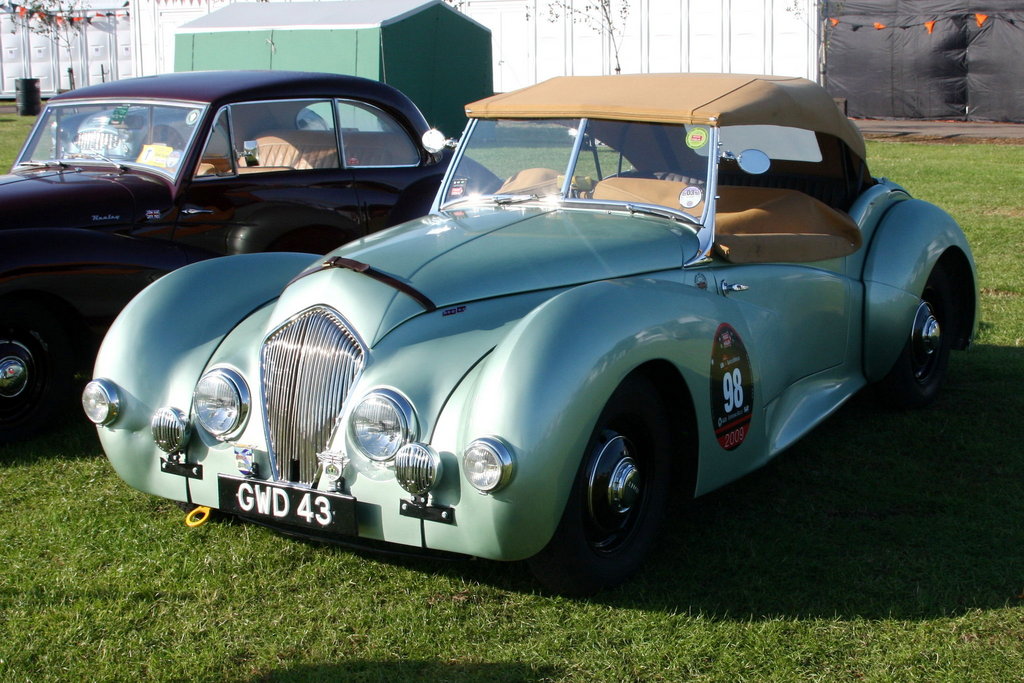
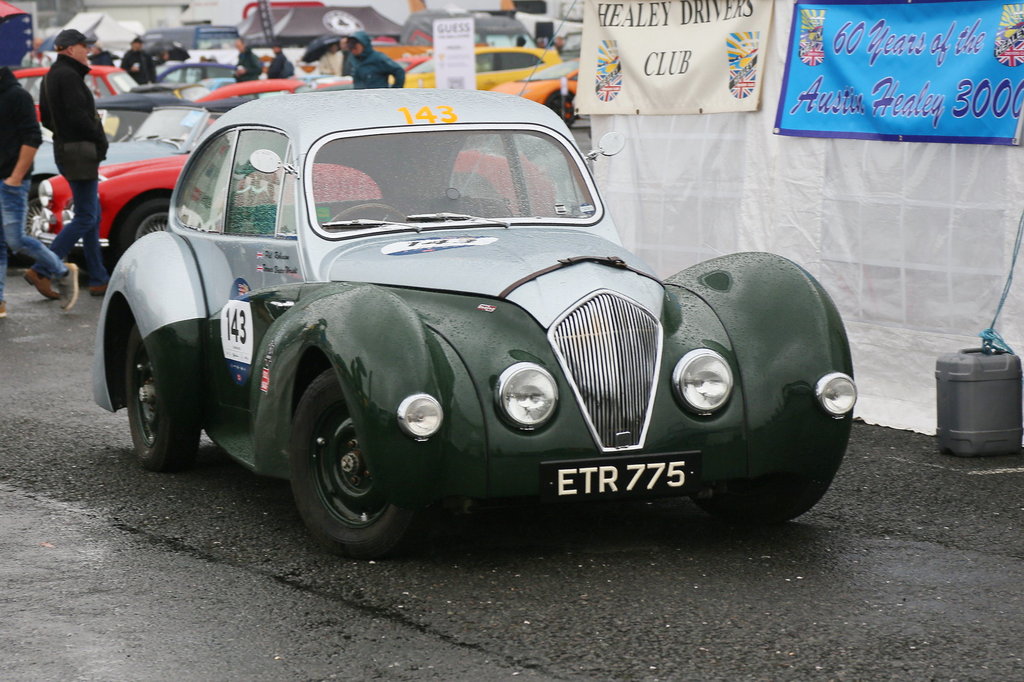
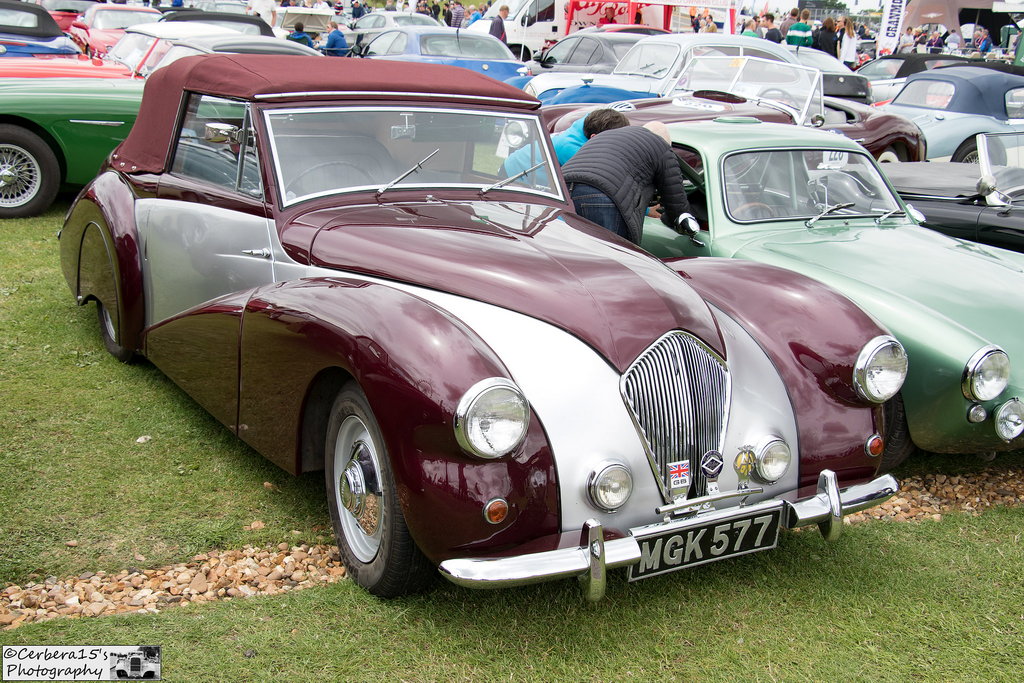
    The Donald Healey Motor Company produced a series of high-performance, coachbuilt vehicles in Warwick, collectively known as the “Warwick Healeys”.

    Rather than standard mass production, the firm built a sophisticated, lightweight steel box-section chassis of its own design. These cars ran on a highly tuned 2,443 cc four-cylinder Riley engine producing 104 bhp, paired with advanced independent front suspension.

    Notable variants included the aerodynamic Elliott saloon – clocked at over 104 mph as the world’s fastest production closed car – and the open Westland roadster. Later, the company introduced the spartan, cycle-winged Silverstone sports racer for club competition, alongside luxury touring variants coachbuilt by Tickford and Abbott before entering high-profile international partnerships.

    Healey 2.4-Litre Westland Roadster

    Featuring coachbuilt aluminium bodywork over a sophisticated steel chassis, it ran on the punchy 2.4-litre Riley engine. Just 70 examples of this highly agile open-top grand tourer were hand-assembled in Warwick.

    Years

    1946-49

    Engine

    2443cc S4 OHV Riley

    Body Style

    Roadster

    Production

    64

    Power: Weight

    Dimensions

    Healey 2.4-Litre Elliott Saloon

    The aerodynamic counterpart to the Westland. Featuring a lightweight aluminium body on an ash wood frame, its slippery shape made it the world’s fastest series-production closed car, timed at 104.7 mph.

    Years

    1946-50

    Engine

    2443cc S4 OHV Riley

    Body Style

    Production

    101

    Power: Weight

    Dimensions

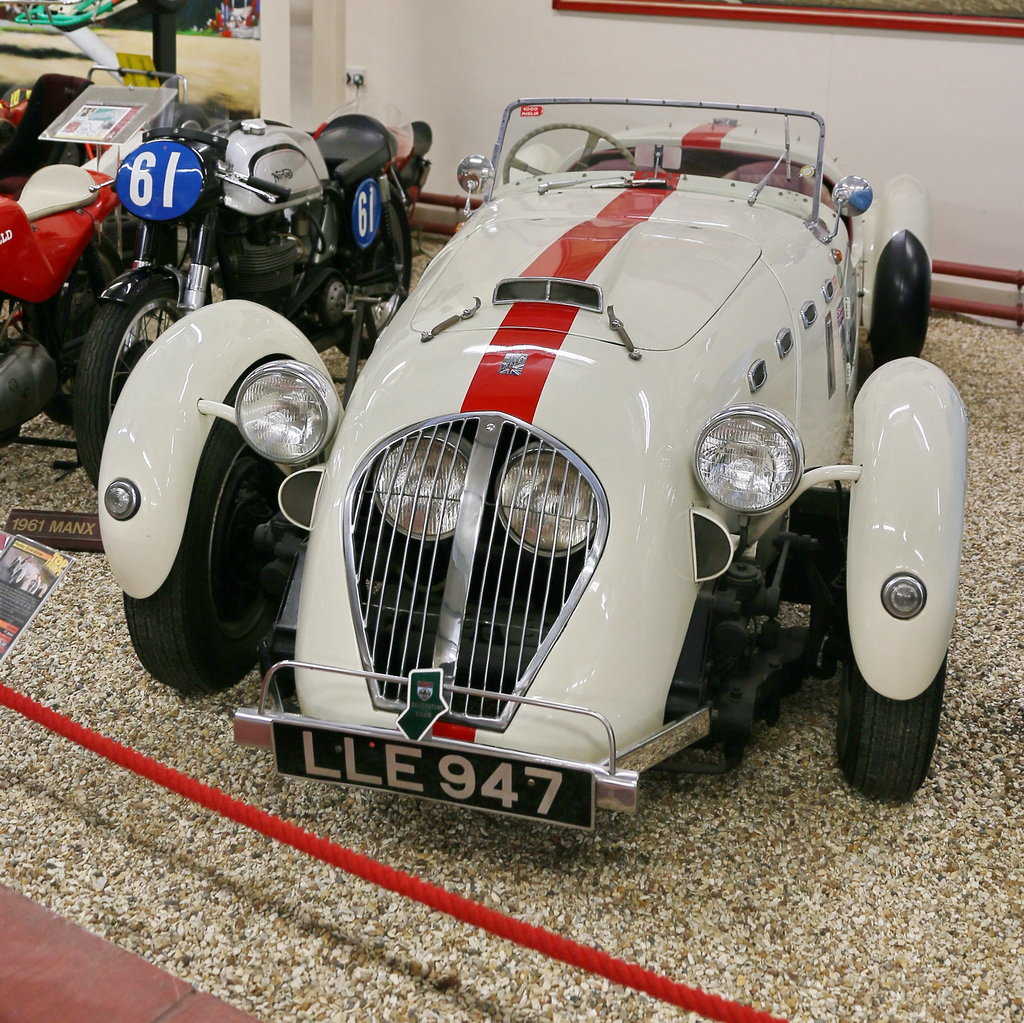
    Healey Silverstone

    Spartan, cycle-winged sports racer built for club motorsport. It shared the 2.4-litre Riley engine but positioned it further back in a lightened chassis. Featuring a distinctive air-intake slot and a vertically retracted spare tyre acting as a rear bumper.

    Years

    1949-50

    Engine

    2443cc S4 OHV Riley

    Body Style

    Production

    105

    Power: Weight

    Dimensions

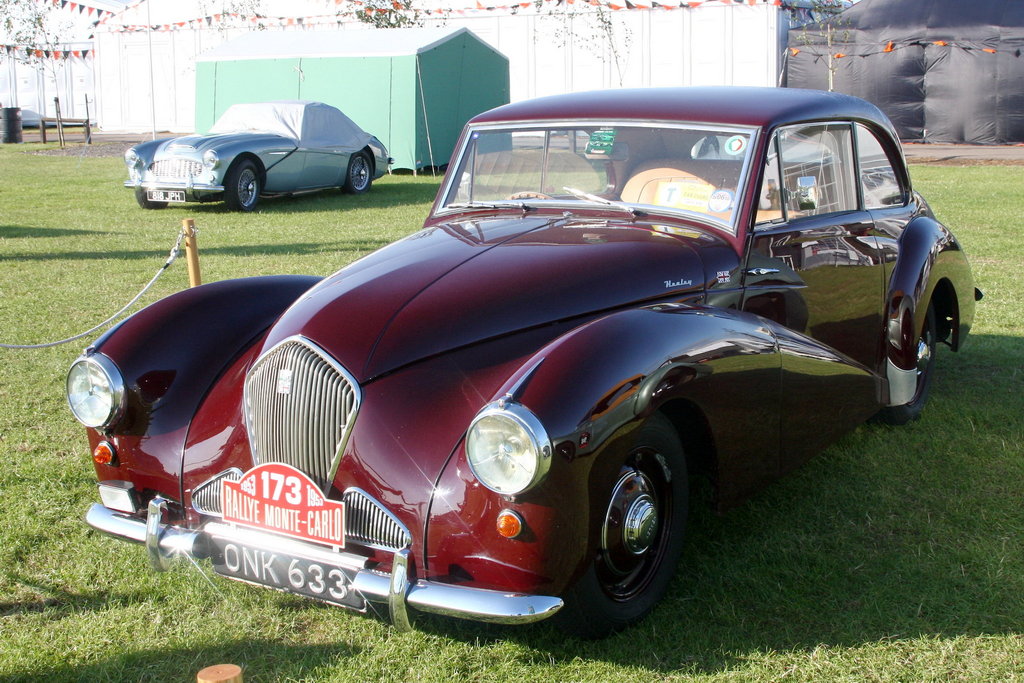
    Healey 2.4-Litre Tickford Saloon

    Succeeded the Elliott as the brand’s luxury grand tourer. Built on the updated ‘F’ chassis with improved Girling brakes, it featured coachbuilt two-door aluminium bodywork crafted by Tickford. Heavy, but still topped 100 mph.

    Years

    1951-54

    Engine

    2443cc S4 OHV Riley

    Body Style

    Production

    c. 222

    Power: Weight

    Dimensions

    Healey 2.4-Litre Abbott DHC

    The open-top twin to the Tickford saloon. Built on the same chassis, it wore elegant 4-seater convertible coachwork crafted by Abbott of Farnham.

    Years

    1951-54

    Engine

    2443cc S4 OHV Riley

    Body Style

    Production

    77

    Power: Weight

    Dimensions

    Photo: Flickr

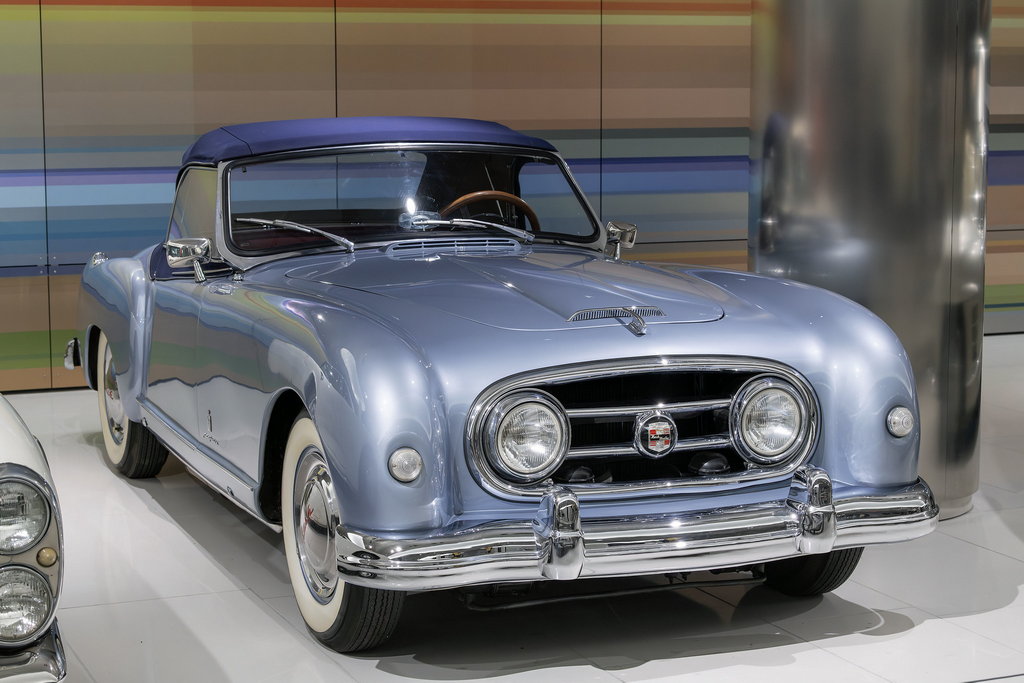
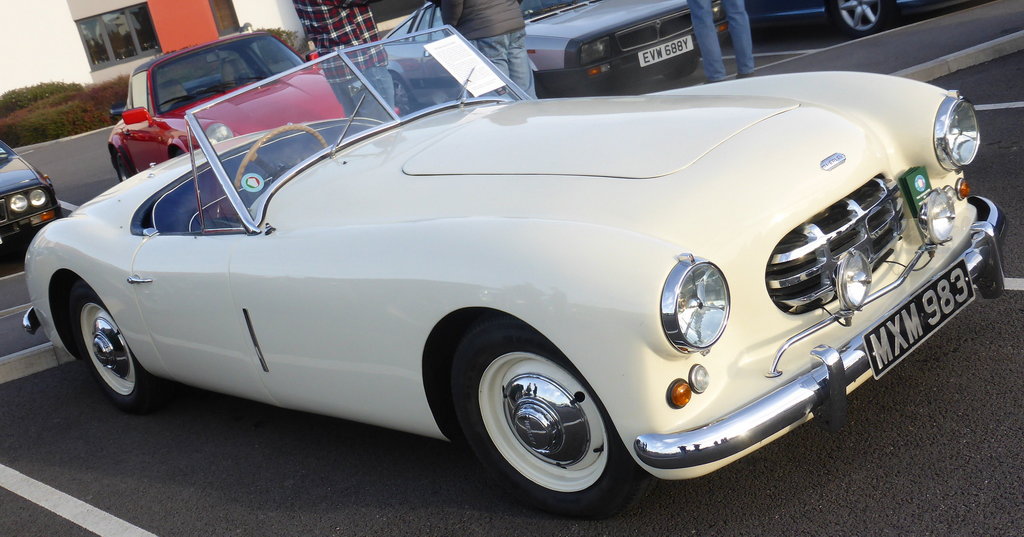
    Nash-Healey

    A transatlantic luxury sports car born from a chance meeting between George Mason and Donald Healey. It mated a modified Healey Silverstone chassis with a Nash Ambassador straight-six engine.

    Years

    1951-54

    Engine

    3848/4138cc S6 OHV Nash

    Body Style

    Roadster, coupé

    Production

    >1000

    Power: Weight

    Dimensions

    Photo: Flickr

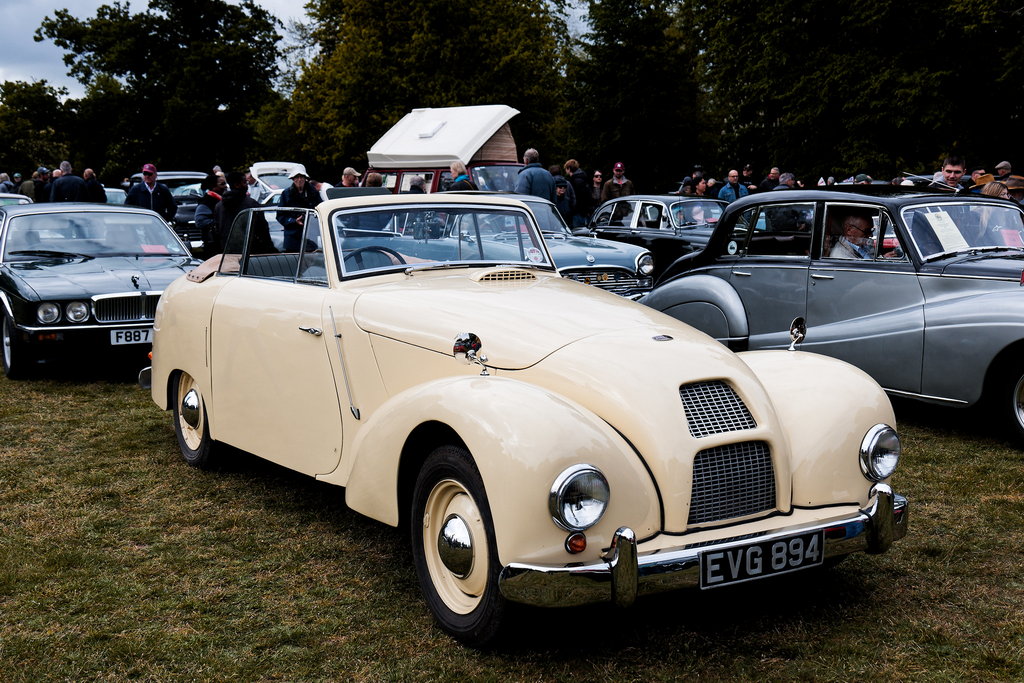
    Healey G-Type 3-Litre

    The Alvis-Healey – essentially a Nash-Healey roadster tailored for the UK market. Built on the G-series chassis, it swapped the Nash running gear for an Alvis TB21 six.

    Years

    2993cc S6 OHV Alvis

    Engine

    2993cc S6 OHV Alvis

    Body Style

    Production

    25

    Power: Weight

    106 bhp

    Dimensions

    Photo: Flickr

  • Jaguar Saloons (1945-1967)

    Jaguar Saloons (1945-1967)

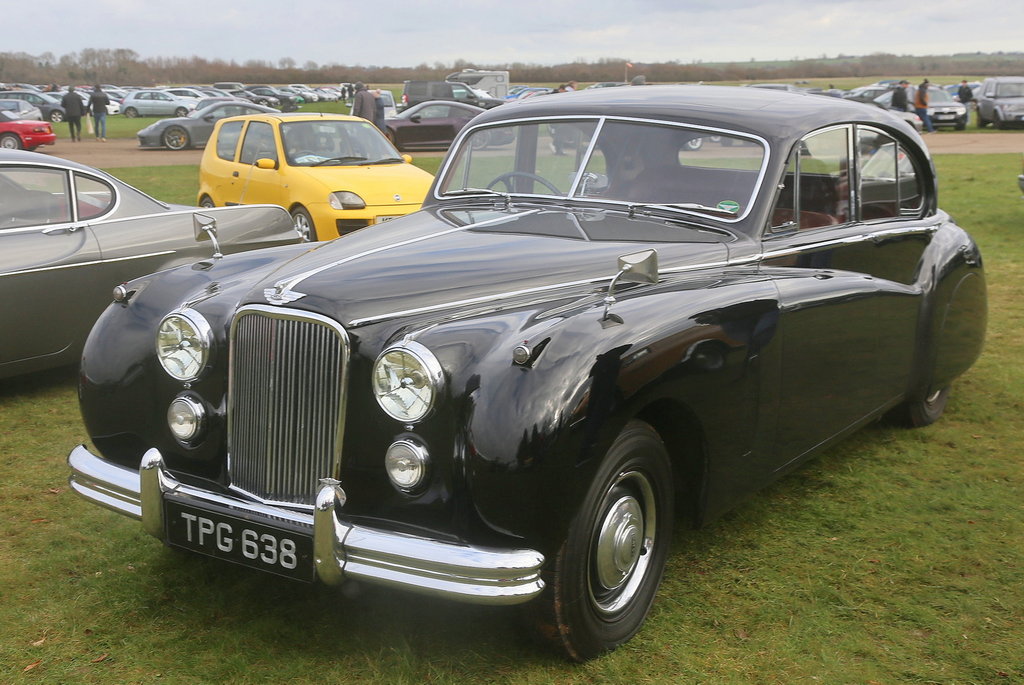
    Jaguar Cars forged a legendary reputation for “Grace, Space, and Pace” through its post-war saloons, built in Coventry. Following the 1945 restart, production shifted from pre-war pushrod designs to the revolutionary XK dual overhead camshaft (DOHC) inline-six engine in the 1950s. This powerplant defined icons like the massive Mark VII to X luxury liners.

    In 1955, Jaguar pioneered the premium compact sports saloon market with the unitary-construction Mark 1, followed by the definitive Mark 2 in 1959 with its distinctive slim pillars and disc brakes. The model line culminated in the sophisticated independent rear suspension S-Type.

    In 1960, Jaguar bought the ailing Daimler Motor Company from BSA, primarily to secure much-needed factory space at Radford. In 1966, seeking greater industrial scale, Jaguar merged with the British Motor Corporation to form British Motor Holdings (BMH).

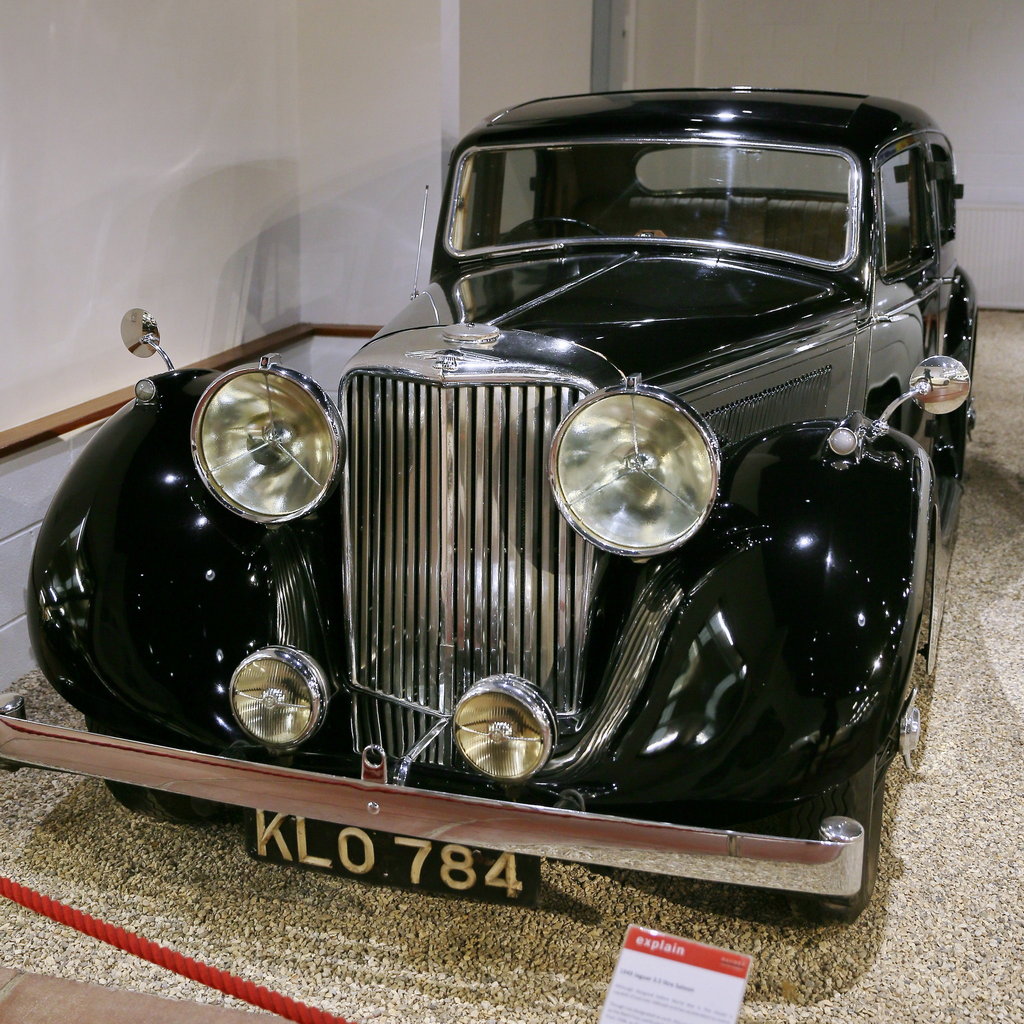
    Jaguar Mk IV

    Using a traditional separate chassis and elegant steel-and-timber bodywork, the Mk IV was powered by the robust pre-war SS OHV inline-six engines.

    Years

    1945-48

    Engine

    1776cc S4; 2664/3485cc S6 OHV

    Body Style

    Saloon

    Production

    12,713/7222/5424 (all inc pre-war)

    Power: Weight

    Dimensions

    Photo: Flickr

    Jaguar Mk V

    Important transitional model – retaining the pushrod engines, it featured a modern chassis with independent front torsion-bar suspension and hydraulic brakes.

    Years

    1949-51

    Engine

    2664/3485cc S6 OHV

    Body Style

    Saloon

    Production

    1675/8791

    Power: Weight

    Dimensions

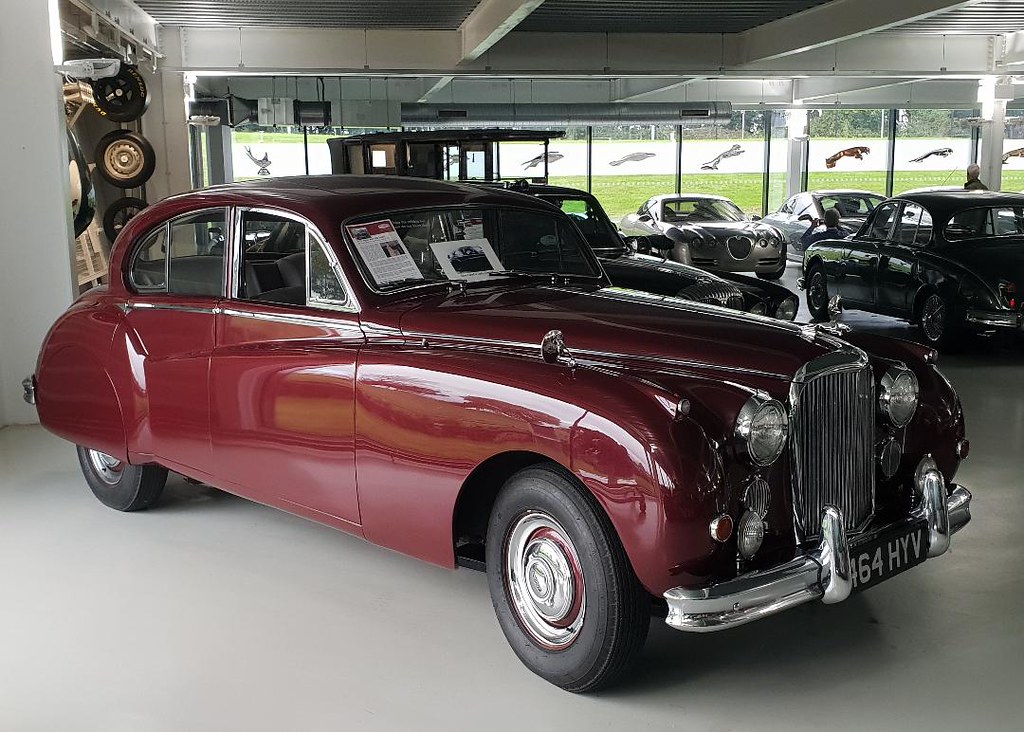
    Jaguar Mk VII

    The Mk VII (so VI because of Bentley) introduced more streamlined styling – and it was the first saloon with the XK engine (ostentatiously launched in the XK120), making the luxurious five-seater one of the world’s fastest production saloons.

    Years

    1951-54

    Engine

    3442cc S6 DOC

    Body Style

    Saloon

    Production

    20,908

    Power: Weight

    Dimensions

    Jaguar Mk VIIM

    The high-performance evolution of the standard saloon. The XK engine was uprated to 190 bhp via high-lift camshafts. It famously claimed outright victory at the 1956 Monte Carlo Rally.

    Years

    1955-57

    Engine

    3442cc S6 DOC

    Body Style

    Saloon

    Production

    10,061

    Power: Weight

    190 bhp

    Dimensions
    Radiator-grille-mounted fog lamps, headlamp grilles

    Jaguar Mk 1

    Jaguar’s first compact luxury sports saloon, featuring Jaguar’s first unitary body. Power from the famous XK engine established a highly successful formula.

    Years

    1956-60

    Engine

    2483/3442cc S6 DOC

    Body Style

    Saloon

    Production

    19,400/17,340

    Power: Weight

    Dimensions

    Jaguar Mk VIII

    Restyled Mk VII with one-piece curved windscreen and cut-back rear wheel spats. A sweeping chrome side strip allowed for distinctive two-tone paint schemes. Inside, it featured picnic tables, while its XK engine was uprated to 210 bhp.

    Years

    1957-58

    Engine

    3442cc S6 DOC

    Body Style

    Saloon

    Production

    6212

    Power: Weight

    210 bhp

    Dimensions
    Jaguar Mk IX

    The final evolution of the large post-war body shape. While visually identical to the Mark VIII, it introduced the larger 3.8-litre XK engine producing 220 bhp, along with standard four-wheel disc brakes and power-assisted steering.

    Years

    1959-61

    Engine

    3781cc S6 DOC

    Body Style

    Saloon

    Production

    10,009

    Power: Weight

    220 bhp

    Dimensions
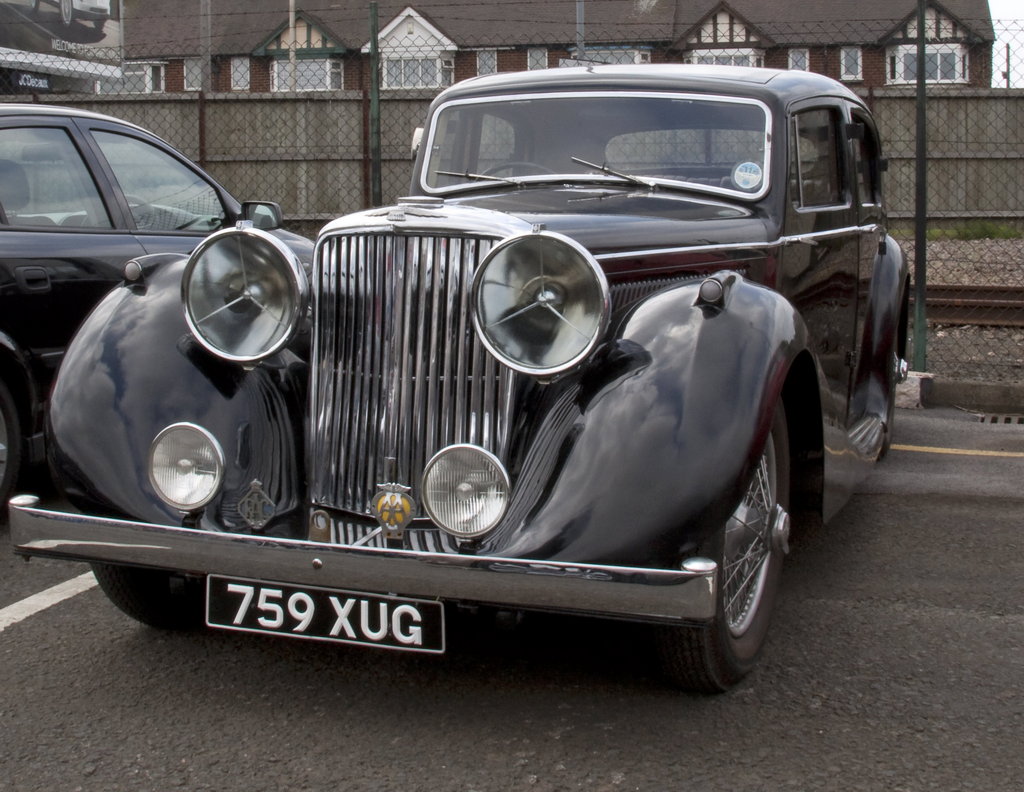
    Photo: Flickr

    Jaguar Mk 2

    The definitive British sports saloon of its era. It evolved the Mk 1 shell, widening the rear track, and increasing the glass area with slimmer pillars. Four-wheel disc brakes, and a choice of XK engine.

    Years

    1960-68

    Engine

    2483/3442/3781cc S6 DOC

    Body Style

    .

    Production

    25,070/28,660/30,070

    Power: Weight

    Dimensions
    Jaguar Mk X

    A break from traditional styling with a sleek, low-slung look featuring a forward-leaning front grille and quad headlamps. The all-steel monocoque body, with independent rear suspension, was the widest ever made by Jaguar.

    Years

    1962-64; 1965-66

    Engine

    3781/4281cc S6 DOC

    Body Style

    Saloon, limousine

    Production

    13,382; 5137

    Power: Weight

    Dimensions
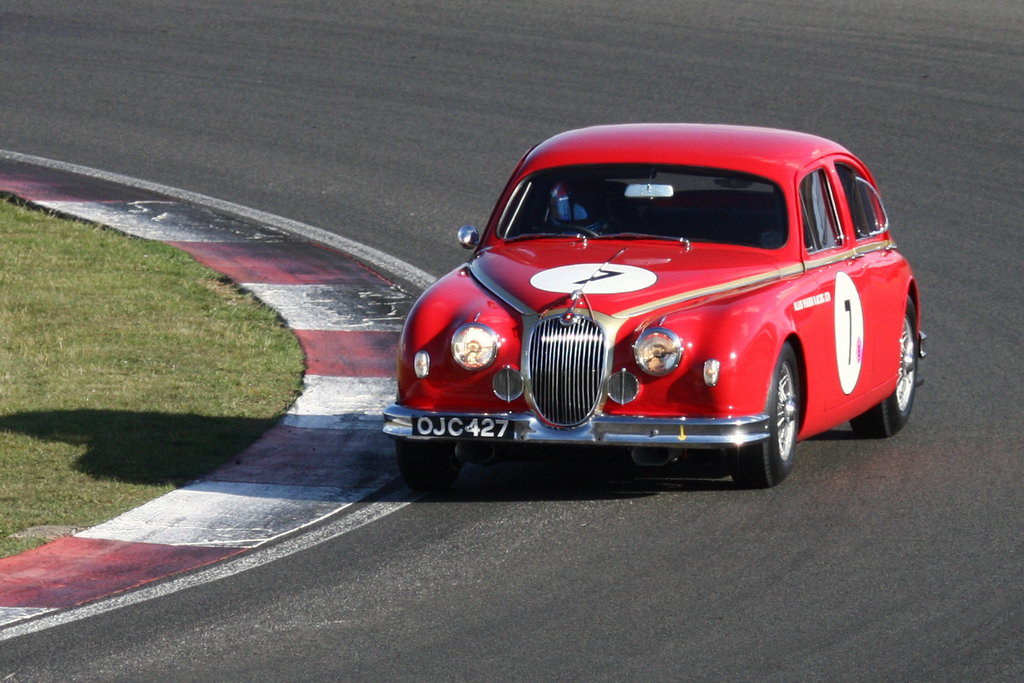
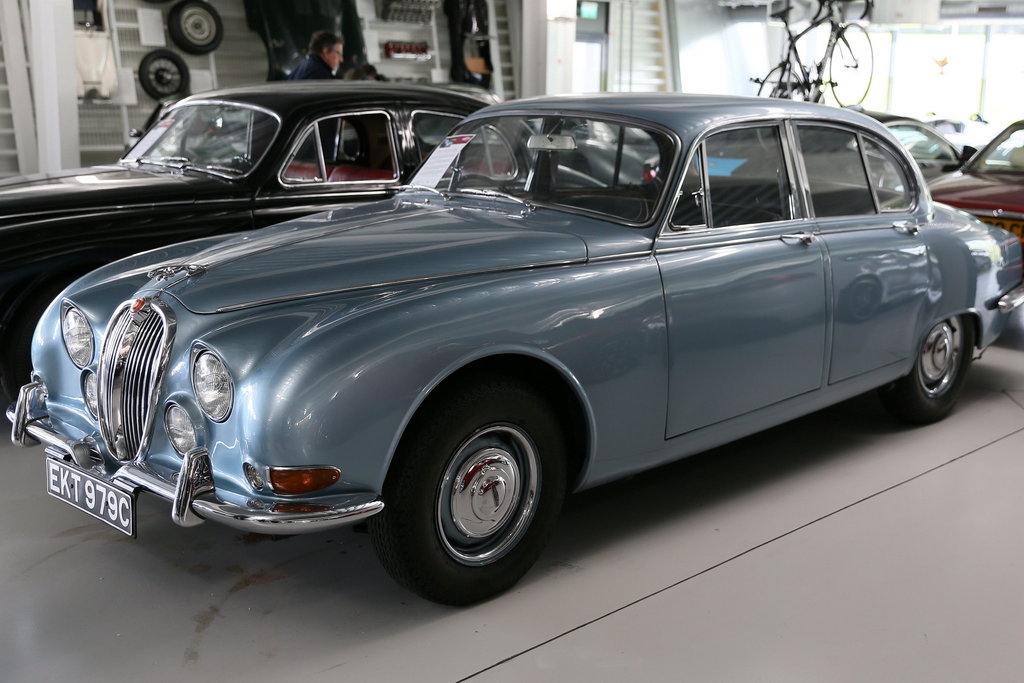
    Jaguar S-Type

    A more refined and better handling and riding alternative to the Mk 2, albeit it heavier and arguably harder on the eye. Mk 2 front profile, and a Mk X roofline and tail, and its independent rear suspension.

    Years

    1964-68

    Engine

    3442/3781cc S6 DOC

    Body Style

    Saloon

    Production

    9830, 15,070

    Power: Weight

    Dimensions
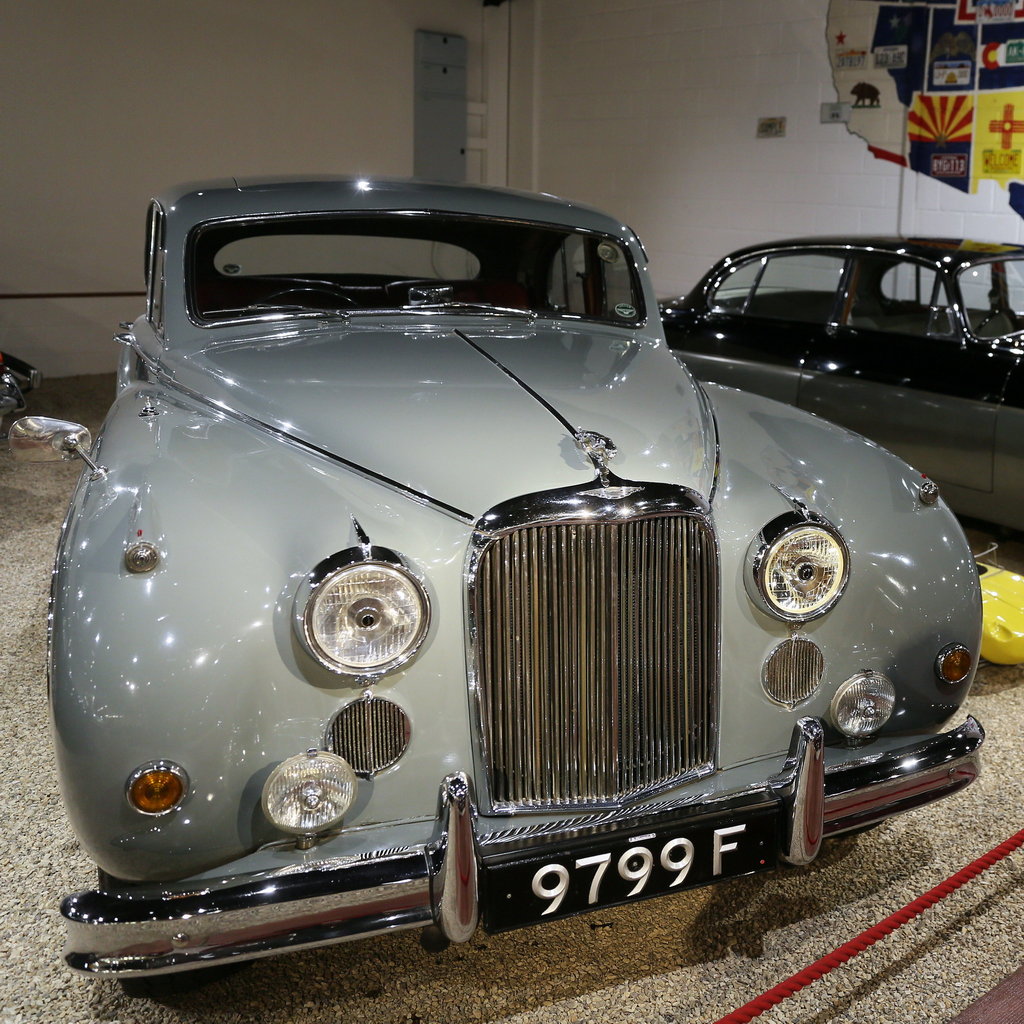
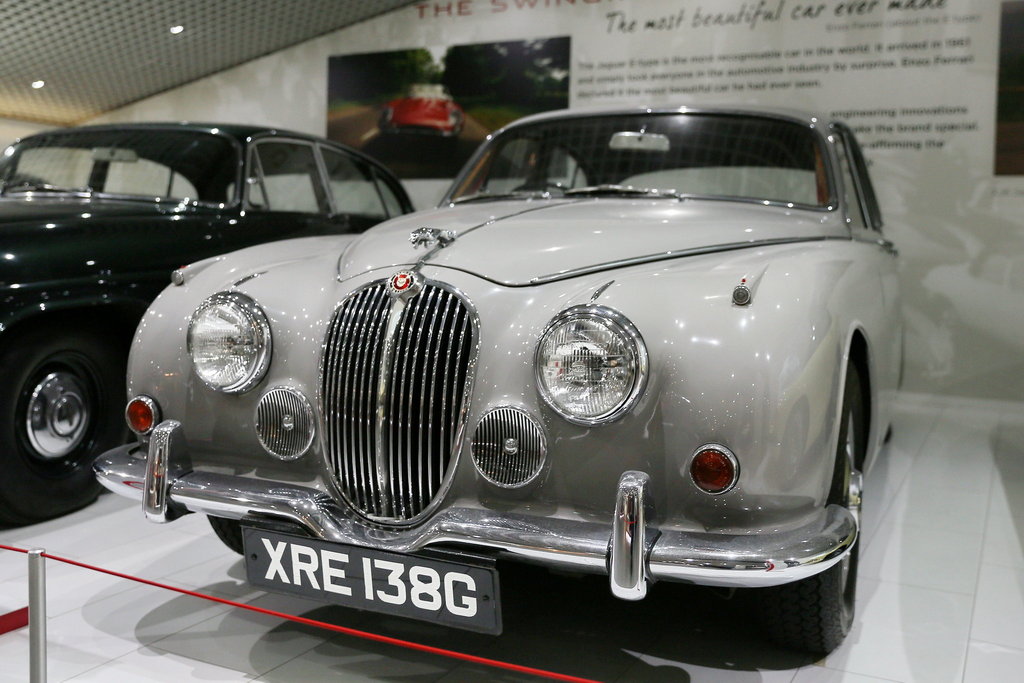
    Jaguar 240/340

    Run-out versions of the Mk 2, with budget Ambla upholstery and slim bumpers. Upgraded twin-carburettor engine on the 240.

    Years

    1968-69; 1968

    Engine

    2483/3442cc S6 DOC

    Body Style

    Saloon

    Production

    4210; 2630

    Power: Weight

    Dimensions
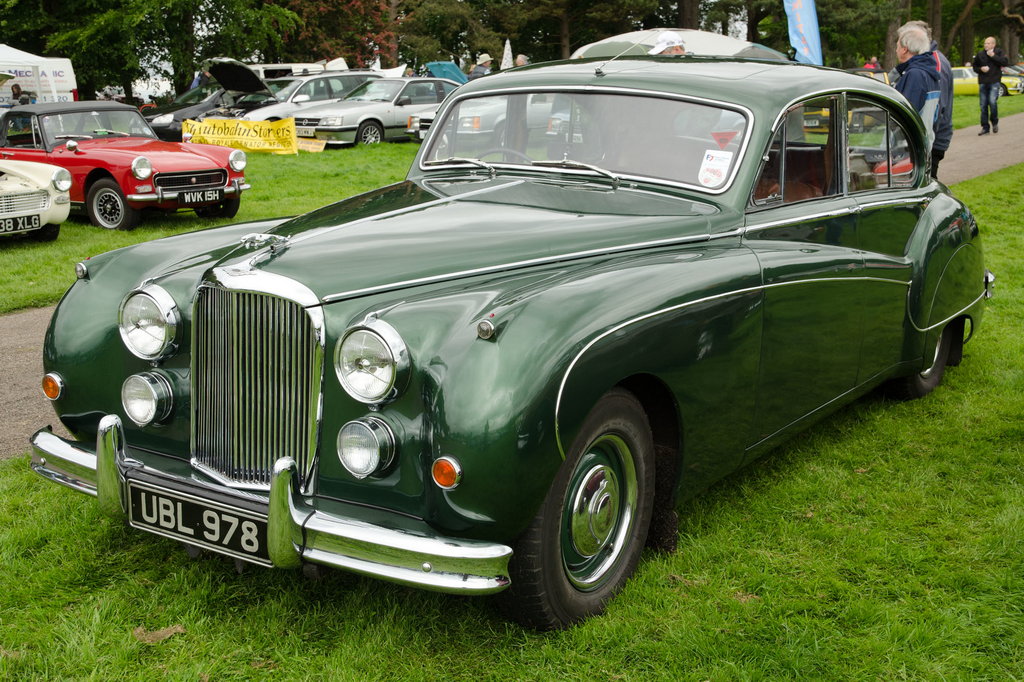
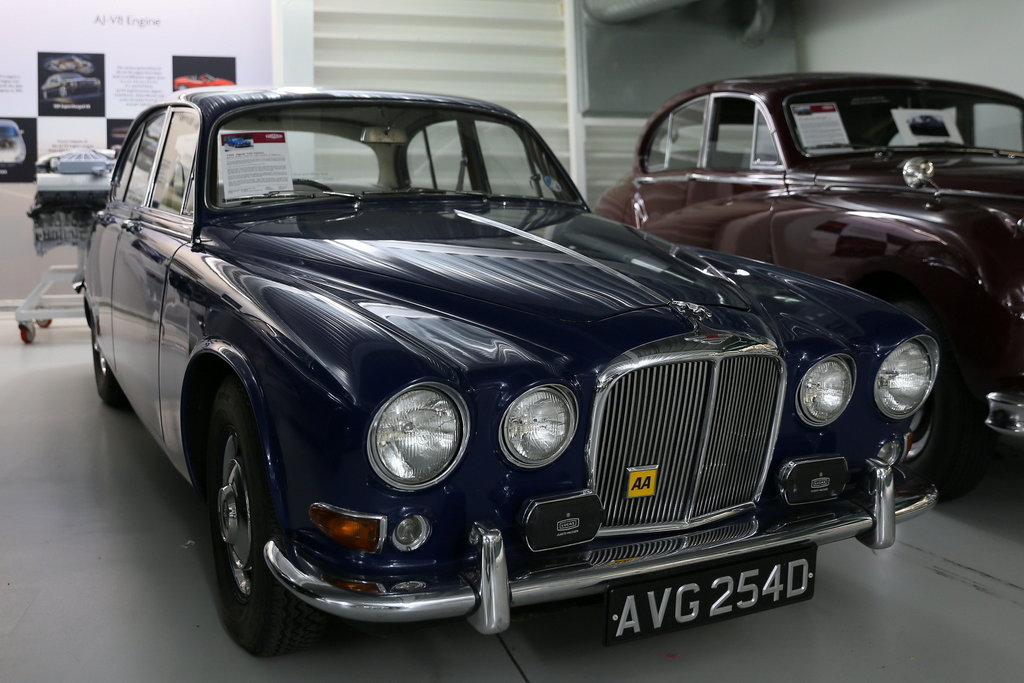
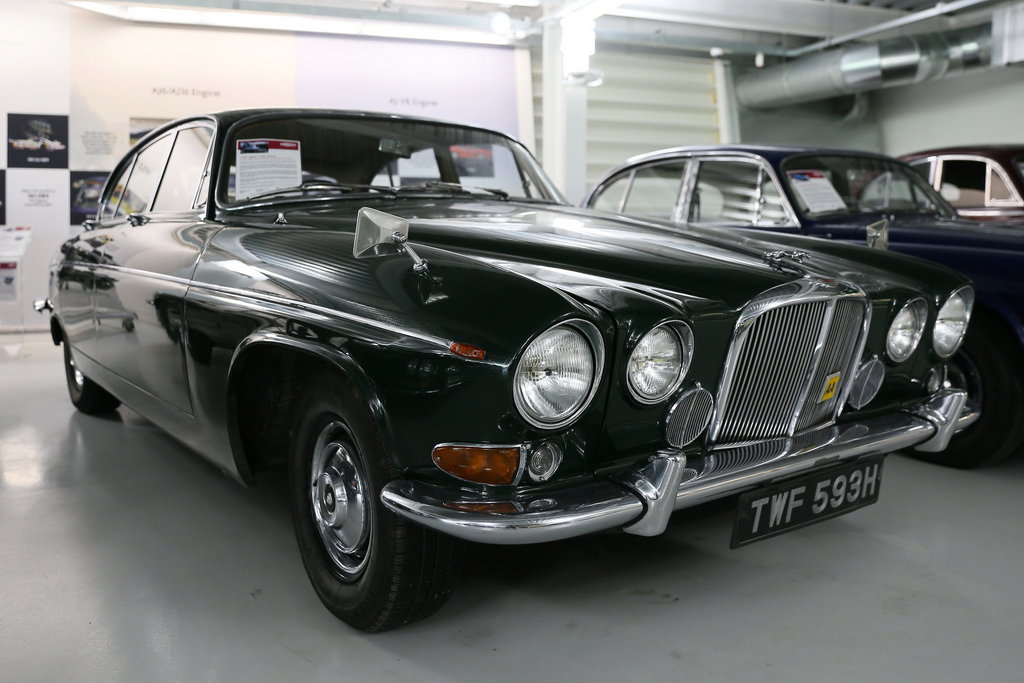
    Jaguar 420 / Daimler Sovereign

    The ultimate development of the compact sports saloon range, combining the S-Type shell with a new, nose and quad headlamps, mimicking the Mk X/420G. Very much preparing the way for the XJ6.

    Years

    1967-68

    Engine

    3781cc S6 DOC

    Body Style

    Saloon

    Production

    9600/5700

    Power: Weight

    Dimensions
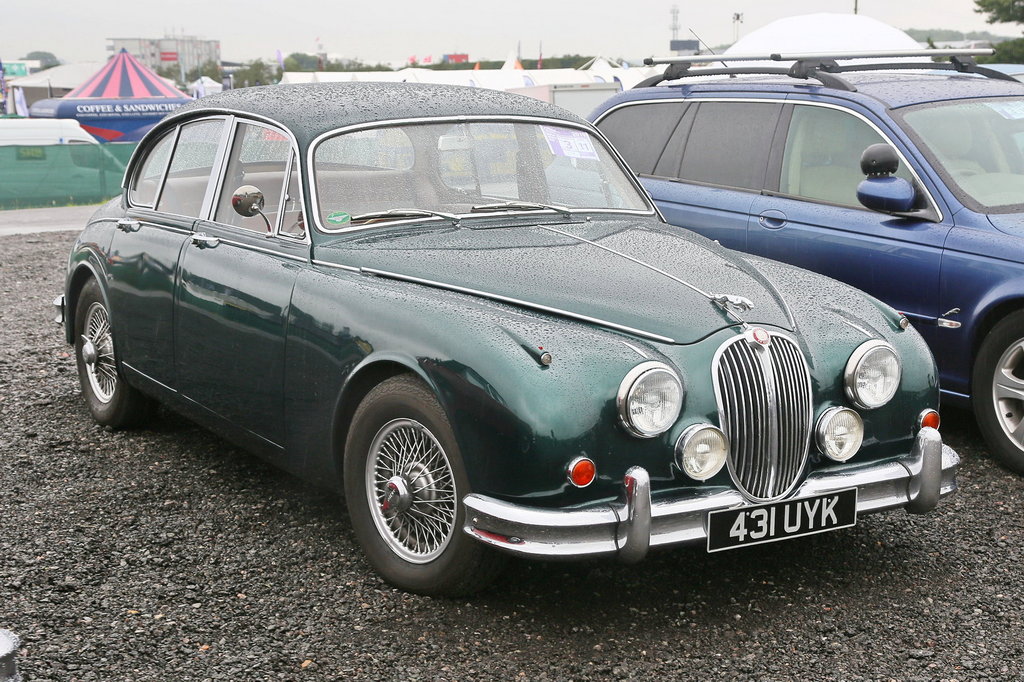
    Jaguar 420G

    Facelift of the flagship Mk X, with new radiator grille. Often in distinctive two-tone paint schemes.

    Years

    1967-70

    Engine

    4235cc S6 DOC

    Body Style

    Saloon, limousine

    Production

    5753

    Power: Weight

    Dimensions
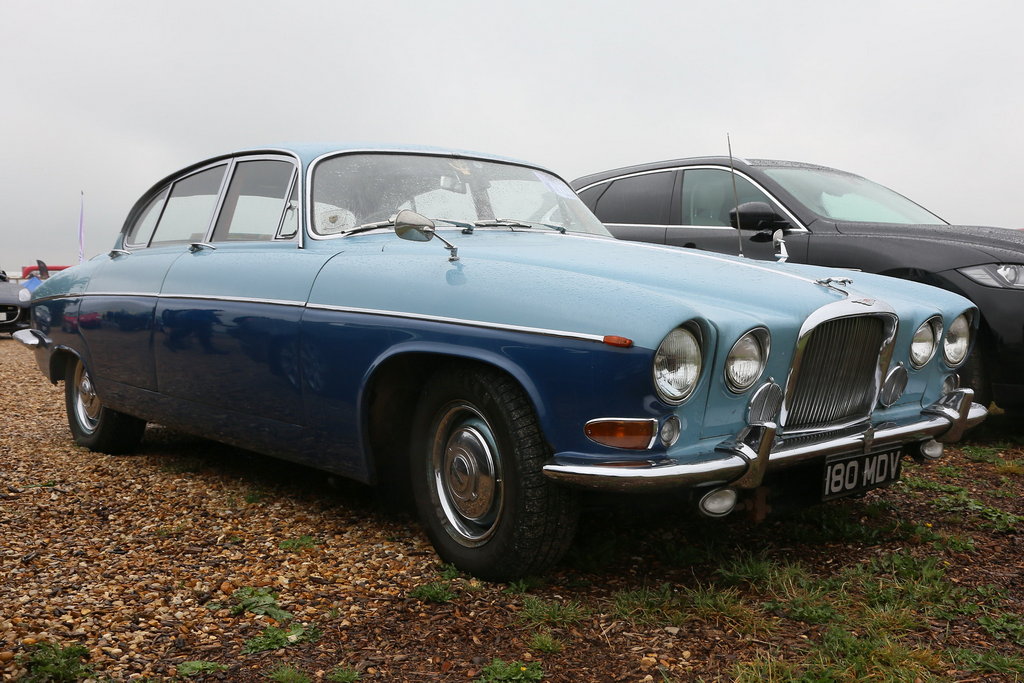
    Grille with vertical centre bar, chrome trim strip, unique wheel trims

  • Ginetta (1961-2004)

    Ginetta (1961-2004)

    Ginetta Cars is a British specialist builder of hand-built road and race vehicles. Founded in 1958 by the four Walklett brothers (Bob, Ivor, Trevers, and Douglas) in Suffolk, the brand earned a formidable reputation in club racing for its lightweight, highly agile sports cars.

    Early icons like the glass-fibre Ginetta G4 and the mid-engined G12 successfully challenged larger, more powerful rivals on circuits across the UK. In 1988, driven by a government regional development grant, the company moved to Scunthorpe. Ginetta took over a larger factory to mass-produce the G32, transitioning from low-volume kit cars to a fully type-approved production line. The venture collapsed in 1994 (although there was a modest Anglo-Swedish continuation).

    Ginetta’s survival and racing revival was under managing director Martin Phaff. Operating out of a small factory in Sheffield, the company moved away from complex factory-built road cars to focus strictly on affordable, high-volume one-make race championships.

    Ginetta G4

    Highly successful, lightweight sports car, built with a tubular spaceframe chassis and glass fibre bodywork, and usually Ford 105E engines. It was sold as a kit and dominated club racing, establishing the brand’s competition pedigree.

    Years

    1961-68

    Engine

    997/1498cc S4 OHV Ford

    Body Style

    Sports coupé

    Production

    c. 390

    Power: Weight

    Dimensions
    Ginetta G15

    Two-seat coupé which again paired a tubular steel chassis with glass fibre bodywork, but now with rear-mounted Hillman Imp Sport engine. Very light, exceptional handling; became the brand’s best-selling model.

    Years

    1967-74

    Engine

    875cc S4 OC Rootes

    Body Style

    Sports coupé

    Production

    796

    Power: Weight

    500 kg

    Dimensions
    Ginetta G21

    Larger, more upmarket 2+2 grand tourer now with a steel backbone chassis for greater torsional rigidity. The fuel crisis limited demand for the Ford V6 option, but the twin-Weber Holbay H120 Rapier engine was an option – the “S”.

    Years

    1971-78

    Engine

    1725/2994cc S4/S6 OHV Rootes/Ford

    Body Style

    Sports coupé

    Production

    c. 150

    Power: Weight

    Dimensions
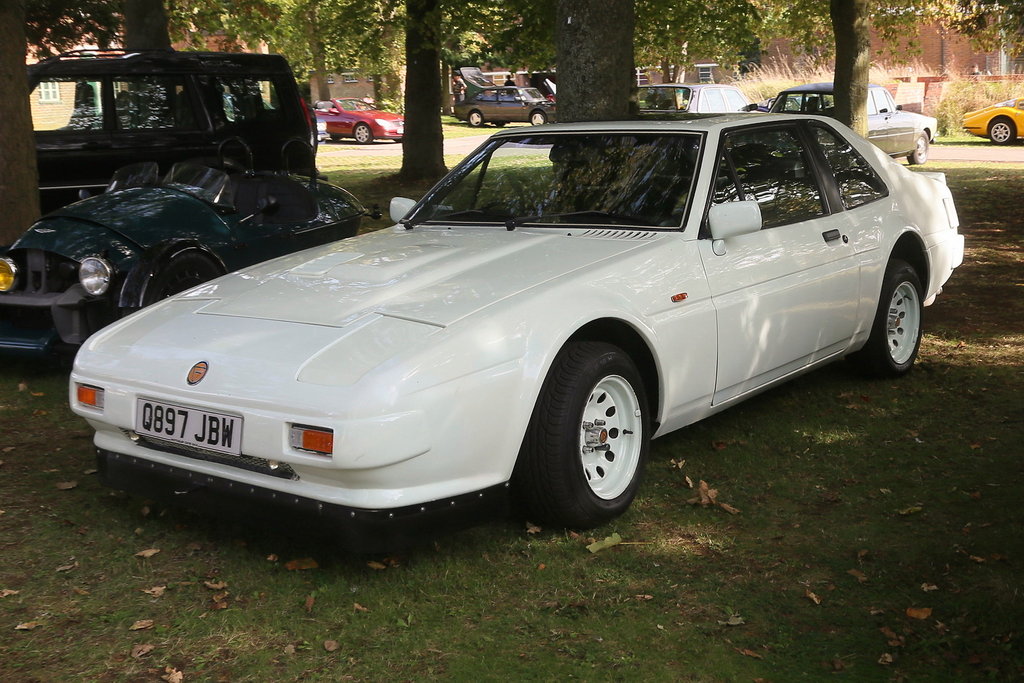
    Ginetta G26 (G28, G30, G31)

    Wedge-styled 2+2 coupé to modernise the range, and production methods – now in Scunthorpe. Galvanised tubular backbone steel chassis. Doors, windscreen and engine from Cortina Mk IV. G28 SWB V6 coupé; G30 V6 saloon; G31 Sierra S4.

    Years

    1984-92 (1986-92)

    Engine

    1593/1993cc S4; 2792cc V6 OHV Ford

    Body Style

    Sports coupé (rarely saloon)

    Production

    300 (+60)

    Power: Weight

    Dimensions
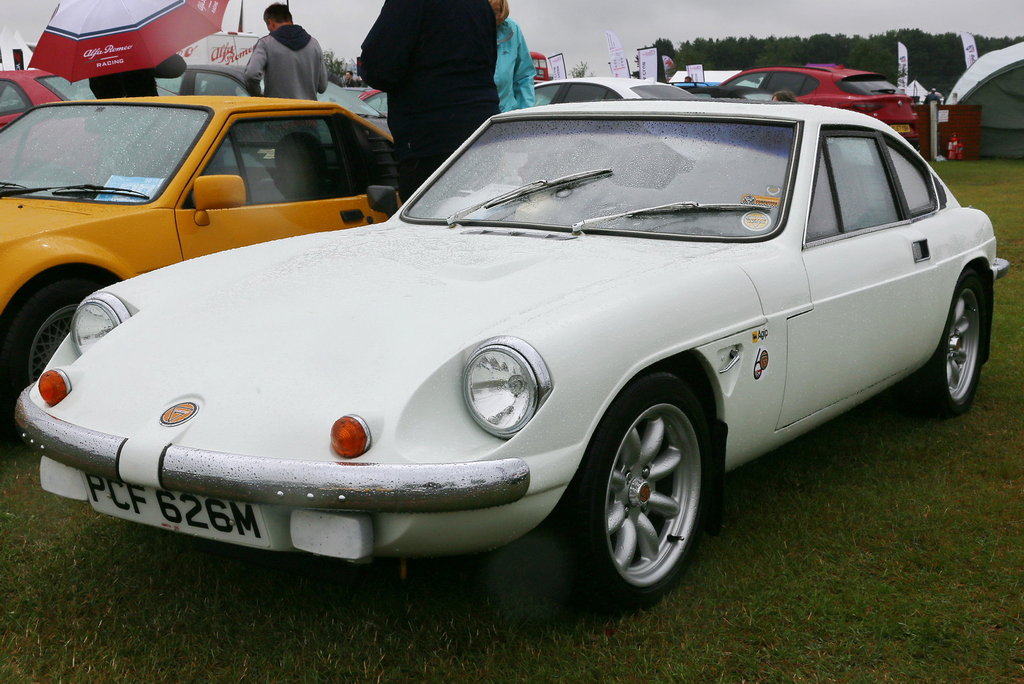
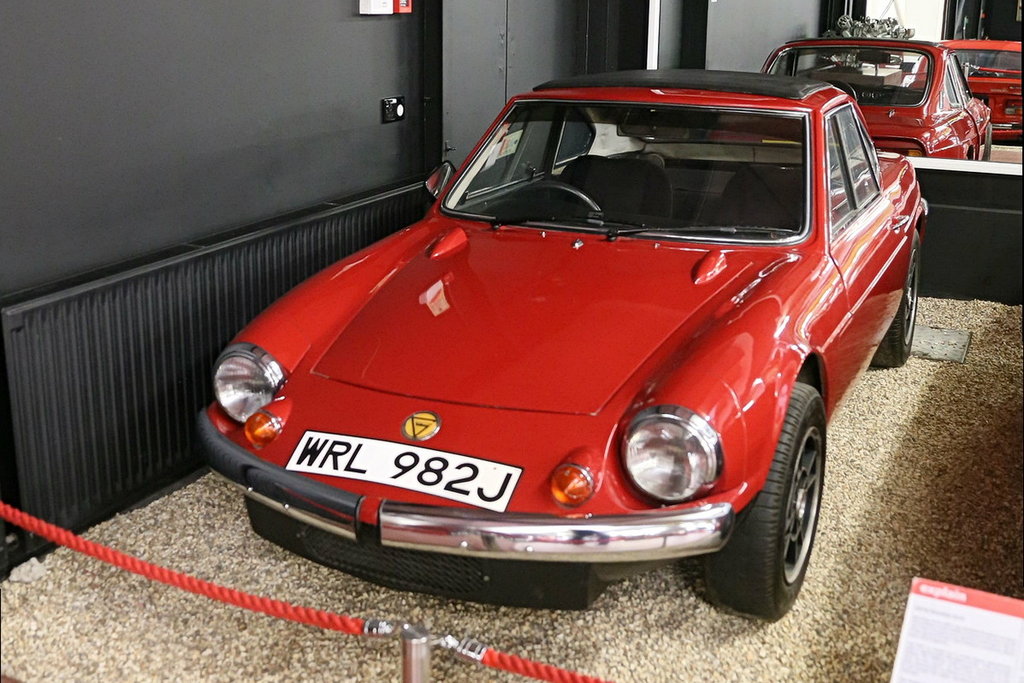
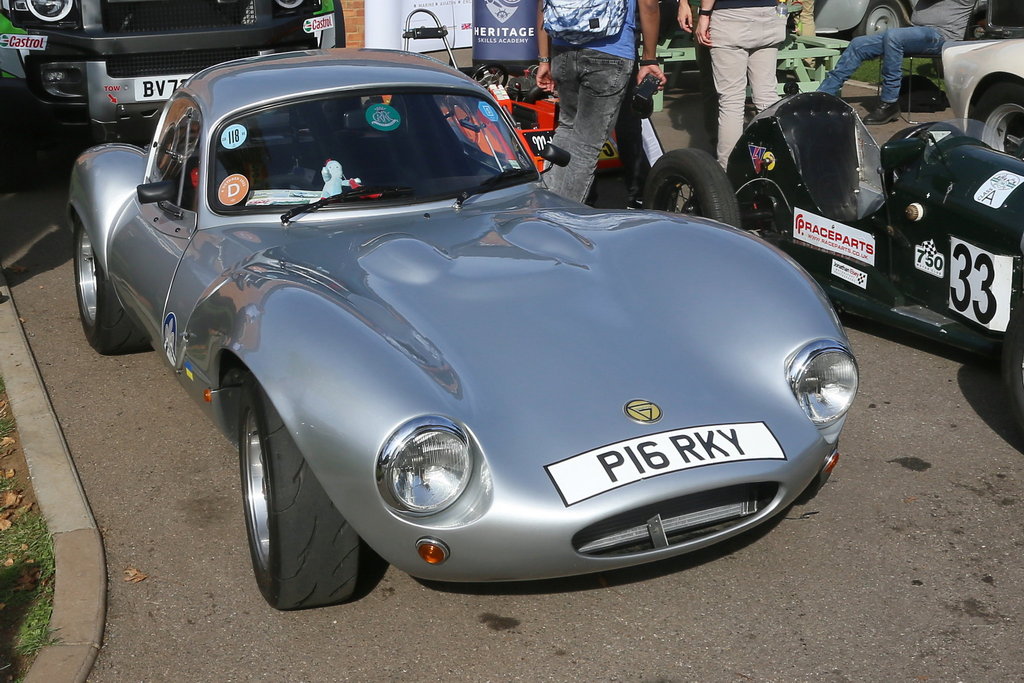
    Ginetta G27

    Evolved from the G4, this “kit car” retained a classic tubular spaceframe chassis clothed in a revised glass fibre body. It typically utilised Ford Cortina running gear, offering enthusiasts an affordable, agile British track day option.
    Years

    1985-2005

    Engine

    S4 Ford/GM; V8 Rover

    Body Style

    Sportscar

    Production

    >200

    Power: Weight

    Dimensions

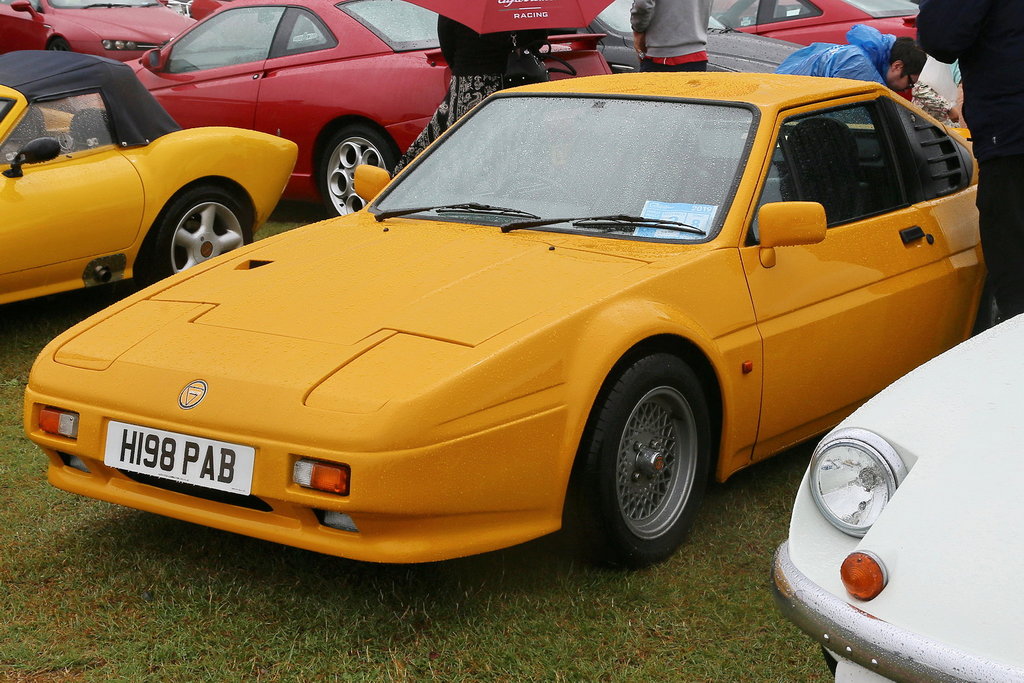
    Ginetta G32

    Mid-engined, fully type-approved rather than sold as a kit. Used Ford Escort and Fiesta parts, it offered agile handling, with plenty of power, particularly from the GTi Peugeot engine.

    Years

    1989-92

    Engine

    1597cc S4 OHV Ford; 1905cc S4 OHC Peugeot

    Body Style

    Sports coupé; convertible

    Production

    97 + 16 convertible

    Power: Weight

    Dimensions

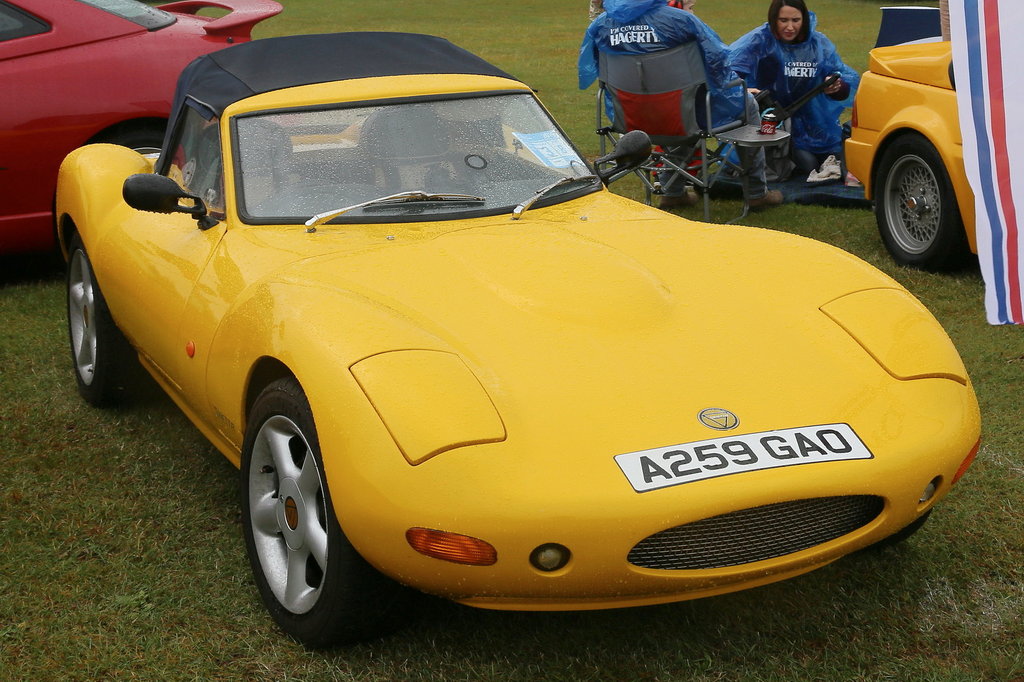
    Ginetta G33 (G34)

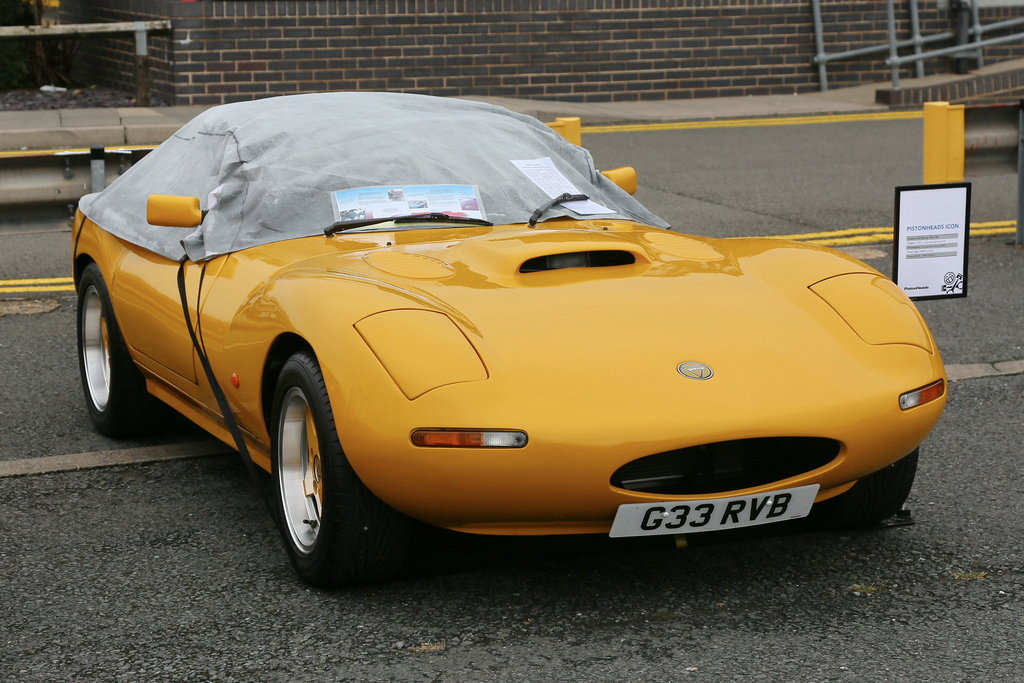
    The G33 was a ferocious open-top roadster – a 3.9-litre Rover V8 in a lightweight spaceframe. Series 2 was LWB with Ford engines. The G34 was an Anglo-Swedish successor, with a 2.0-litre turbo Volvo engine.

    Years

    1990-94 (1996-98)

    Engine

    3946cc V8 OHV Rover (some S4)

    Body Style

    Sportscar

    Production

    c. 100 (

    Power: Weight

    Dimensions

  • Gilbern (1959-74)

    Gilbern (1959-74)

    Gilbern Cars remains a unique chapter in British motoring as the only prominent production car manufacturer native to Wales. Operating from 1959 to 1973 out of Pontypridd, the company specialised in building distinctively upmarket grand tourers with lightweight glass fibre bodywork and robust steel chassis.

    Founded by Giles Smith and Bernard Friese, the brand cleverly utilised mechanical components and engines from major British manufacturers like BMC, MG, and Ford. By supplying vehicles primarily as component kits, buyers could entirely evade the hefty UK purchase tax applied to factory-built cars.

    Ultimately, the introduction of VAT in 1973 removed the financial loophole for kit cars, forcing the company into liquidation after producing roughly 1,000 vehicles.

    Gilbern GT

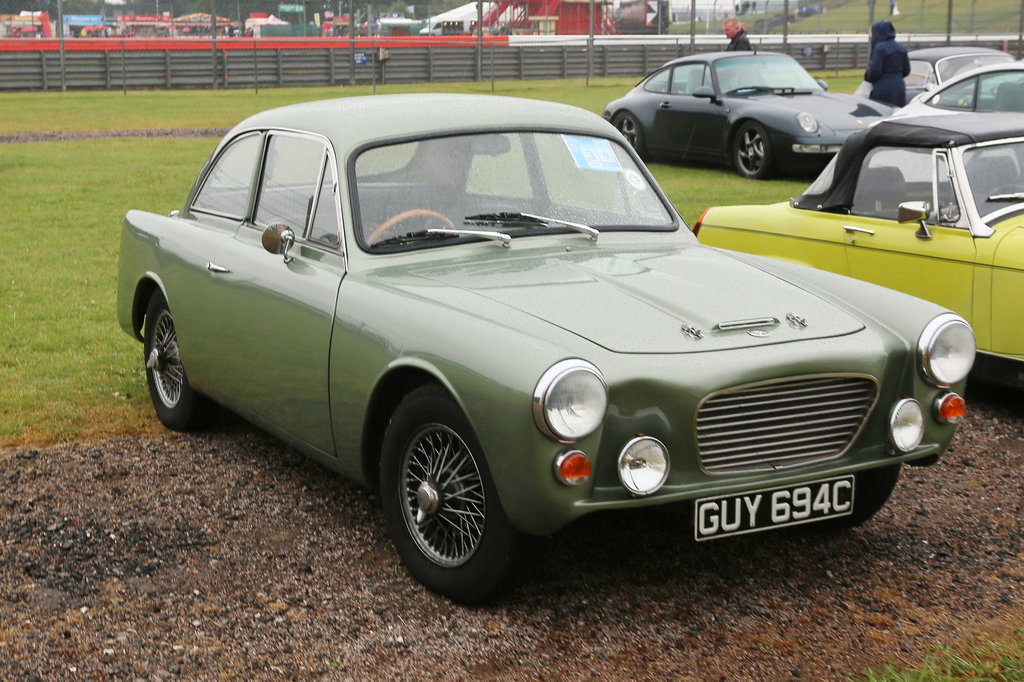
    Distinctively styled 2+2 coupé paired lightweight glass fibre bodywork with a bespoke steel chassis. Used Austin A35 components before upgrading to MGA and MGB engines, offering sporting performance in a practical package.

    Years

    1959-67

    Engine

    948/1558/1622/1798cc S4 OHV BMC

    Body Style

    2-dr coupé

    Production

    c. 280

    Power: Weight

    Dimensions

    Gilbern Genie

    Larger, more powerful grand tourer, which moved the brand upmarket. It featured an angular 2+2 coupé design and a potent Ford Essex V6 engine. With upgraded rear suspension, it delivered refined performance.

    Years

    1966-70

    Engine

    2495/2994cc V6 OHV Ford

    Body Style

    2-dr sports saloon

    Production

    c. 200

    Power: Weight

    Dimensions

    Photo: Flickr

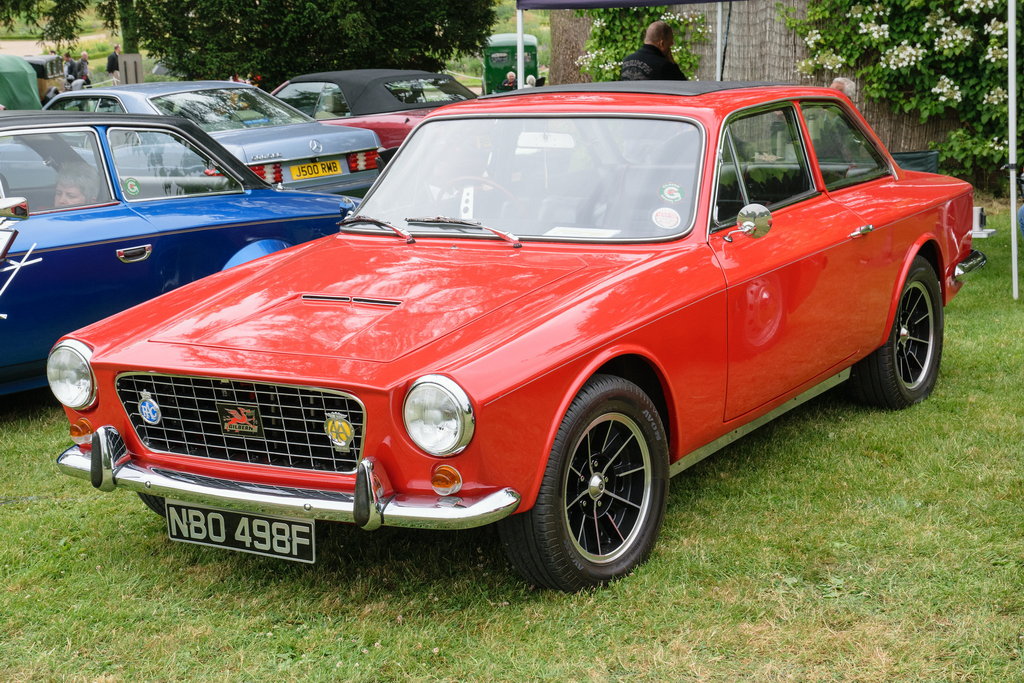
    Gilbern Invader

    The final evolution of the Welsh brand. Refining the Genie’s design, retaining the 3.0-litre Ford Essex V6 engine but featuring an improved chassis and larger brakes. Mk III versions added a wider track and updated front suspension.

    Years

    1969-74

    Engine

    2994cc V6 OHV Ford

    Body Style

    2-dr sports saloon

    Production

    c. 500

    Power: Weight

    Dimensions

    Photo: Flickr

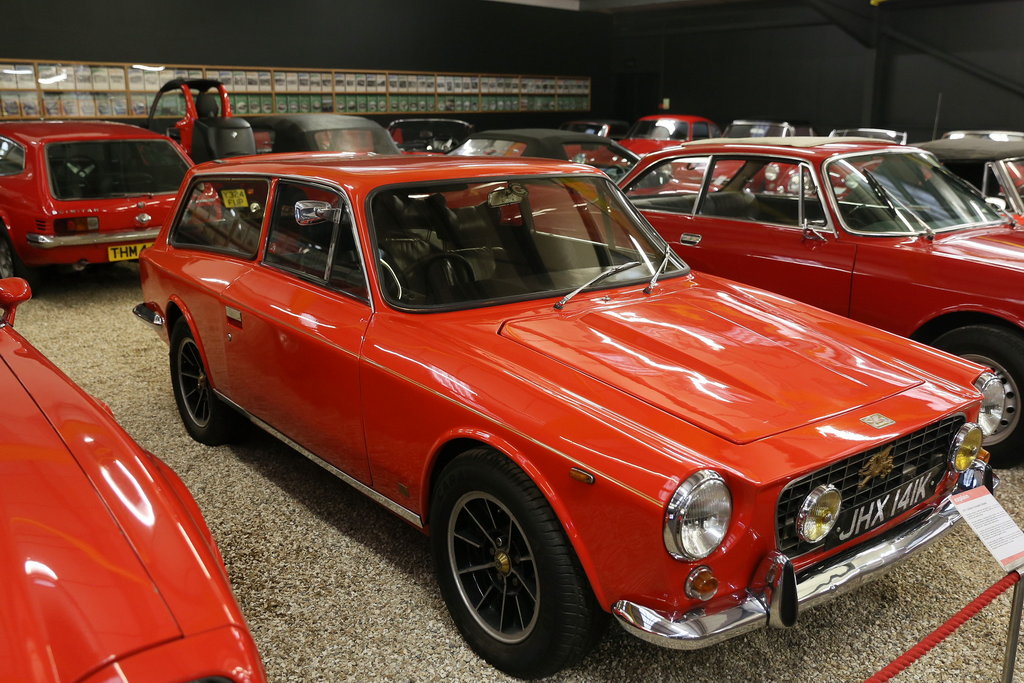
    Gilbern Invader GT Estate

    Rare 3-door shooting brake variant introduced during the Mk II production run. Retaining the saloon’s 3.0-litre Ford Essex V6 engine, it combined high-speed grand touring with added practicality.

    Years

    1971-72

    Engine

    2994cc V6 OHV Ford

    Body Style

    3-dr estate

    Production

    104

    Power: Weight

    Dimensions

  • Berkeley (1956-1961)

    Berkeley (1956-1961)

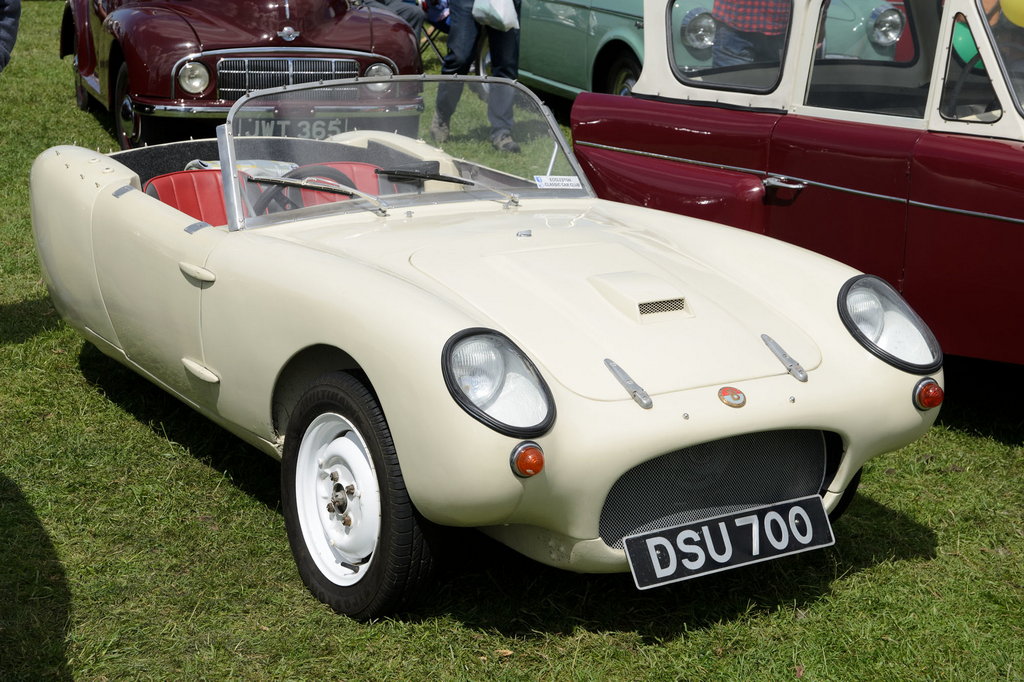
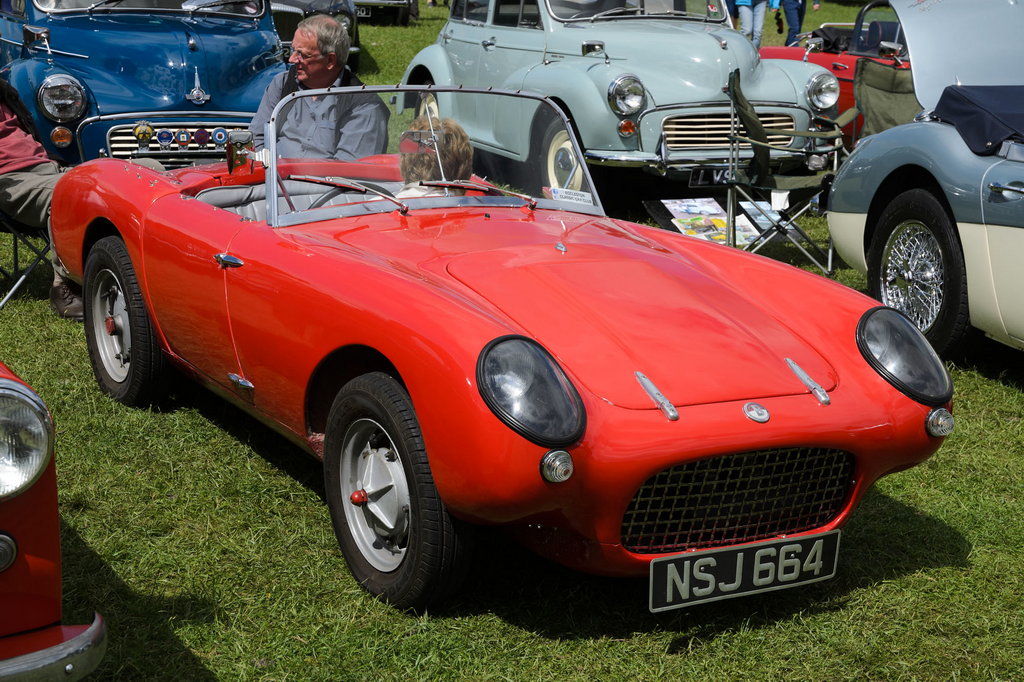
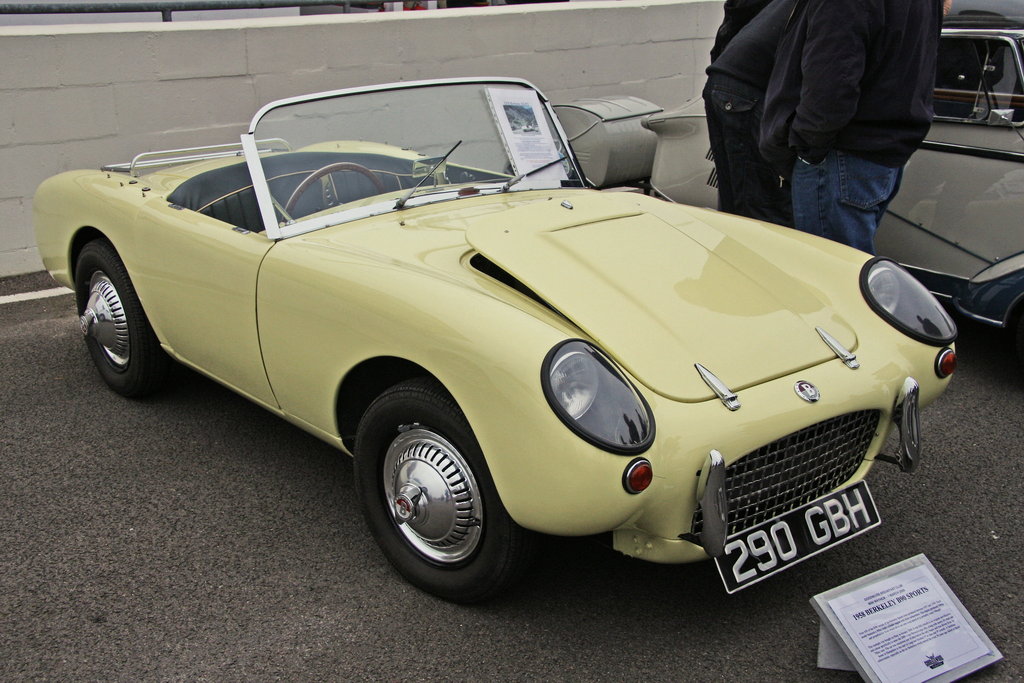
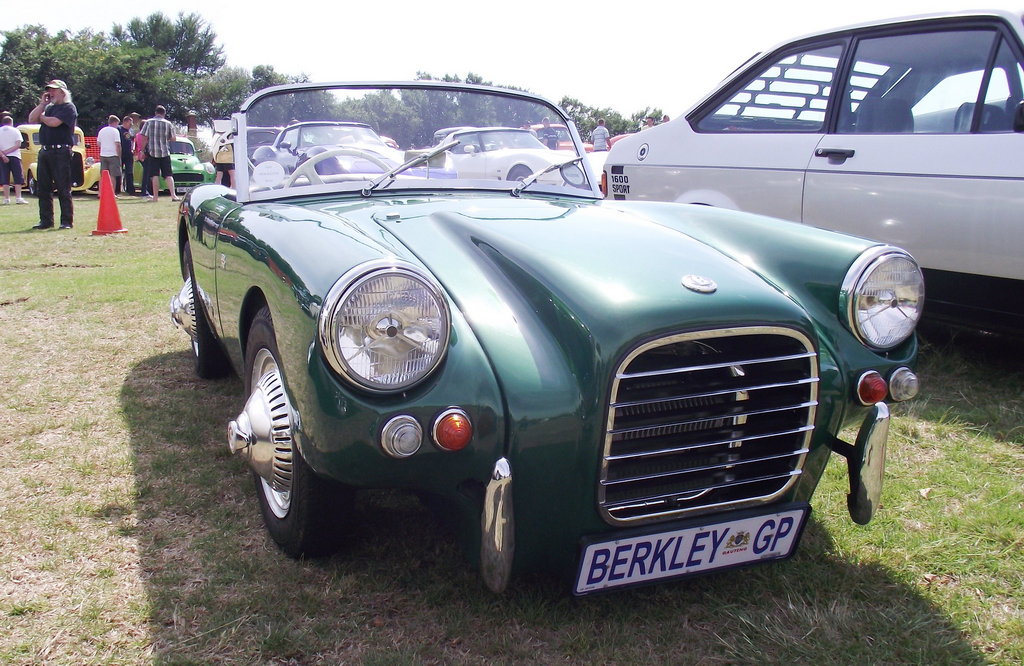
    Berkeley Cars Ltd was a British automotive manufacturer based in Biggleswade, Bedfordshire, that produced innovative micro-sports cars between 1956 and 1960. The company arose from a collaboration between industrial designer Lawrence Bond and Charles Panter, the director of Berkeley Coachworks, which was one of Europe’s largest caravan manufacturers.


    Utilising the factory’s expertise in glass-reinforced plastic (GRP), Berkeley manufactured some of the world’s first production cars with fibreglass monocoque construction. These lightweight, front-wheel-drive vehicles were powered by motorcycle engines ranging from 322cc to 692cc. The SA322 was debuted by racing legend Sir Stirling Moss.


    Despite their motorsport success, excellent handling, and affordable pricing, production ceased after fewer than 4,100 cars were sold. The company suffered insolvency in late 1960 due to a market downturn and intense competition from the newly launched Mini.

    Berkeley SA322 (B60); SE328 / B65

    The SA322 (retrospectively “B60”) was Berkeley’s debut model, with a rather unreliable Anzani engine, replaced in 1957 by the SE328 with Excelsior powerplant. Too late, in late 1960, the B65 introduced a strengthened bodyshell.

    Years

    1956-61

    Engine

    322/328cc S2 TS Anzani/Excelsior

    Body Style

    Sportscar

    Production

    c. 2000

    Power: Weight

    Dimensions

    Photo: Flickr

    Berkeley SE492 Twosome (B90)

    From late 1957, the B90 addressed user requests for more power, via a 3-cylinder Excelsior 2-stroke engine giving 30 bhp, and a top speed of 80 mph. Sadly, the extra power tended to cause structural cracking in the fibreglass monocoque.

    Years

    1957-59

    Engine

    322cc S2 TS Excelsior

    Body Style

    Sportscar / 4-seater sports

    Production

    Inc above

    Power: Weight

    Dimensions

    Photo: Flickr

    Berkeley B95 / B105

    The B95 and B105 debuted in 1959, replacing 2-stroke engines with Royal Enfield 4-stroke parallel-twins. They incorporated a lengthened chassis and reinforced bulkhead to handle the heavy powertrain.The B105 featured a high-compression, twin-carb head, and did 100 mph.

    Years

    1959-61

    Engine

    692cc S2 OHV Royal Enfield

    Body Style

    Sportscar

    Production

    Inc above

    Power: Weight

    Dimensions

    Photo: Flickr

    Berkeley T60

    The T60 was a successful 3-wheeled variant, so tax exempt and could be driven on a motorcycle licence. Front-wheel drive, like all Berkeleys.

    Years

    1959-61

    Engine

    328cc S2 TS Excelsior

    Body Style

    Sportscar

    Production

    c. 2500

    Power: Weight

    Dimensions

    Photo: Flickr

  • Bond (1948-1974)

    Bond (1948-1974)

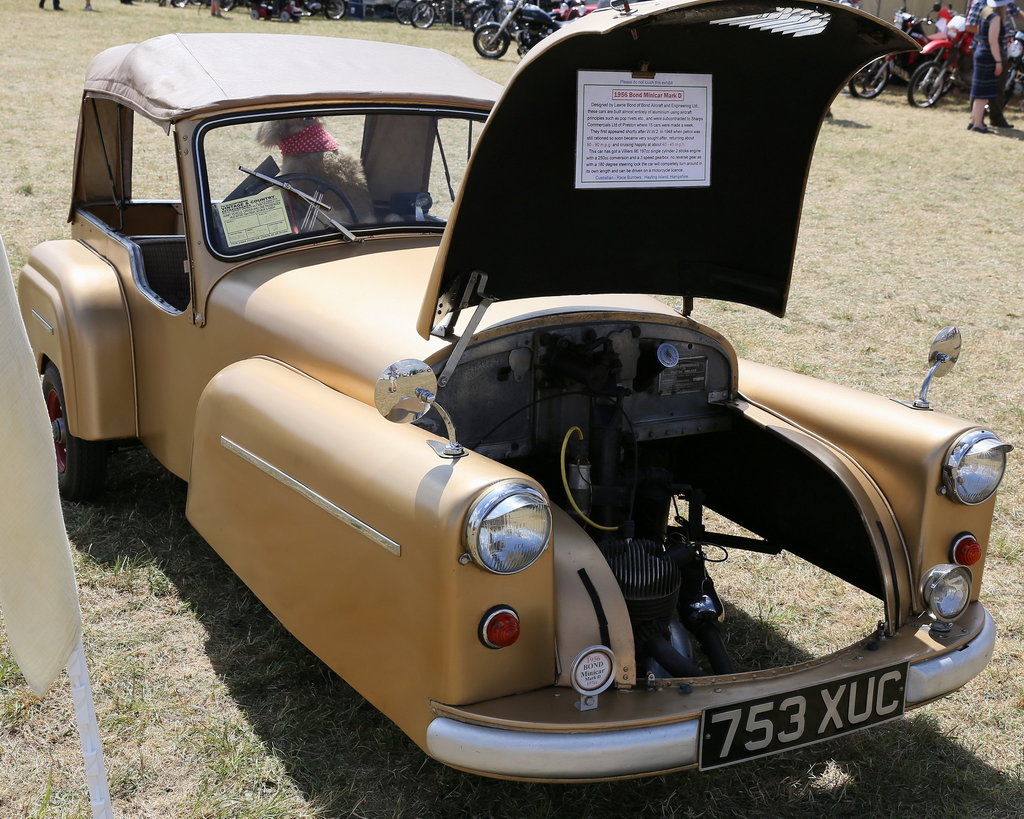
    Bond Cars were quirky, economical British vehicles manufactured from 1949 to 1974 by Sharp’s Commercials Ltd, later renamed Bond Cars Limited, based in Preston, Lancashire. The marque was founded by designer Laurence “Lawrie” Bond. He initially specialised in lightweight, minimalist microcars. Their most famous early creation was the Bond Minicar, a three-wheeled vehicle featuring an aluminium body and a single-cylinder Villiers motorcycle engine. Because it used a motorcycle engine setup, early models famously lacked a reverse gear.

    These cheap, highly efficient microcars thrived in post-war Britain where tight budgets and strict rationing made low-cost transport essential.As consumer demands shifted, the company expanded into four-wheeled sports and family vehicles. They introduced models like the Bond Equipe, a stylish coupe built in partnership with Standard Triumph.

    Later, the company was acquired by the Reliant Motor Company in 1969. Reliant continued using the famous brand name for the distinctively wedge-shaped, bright tangerine Bond Bug until production finally ceased in 1974. Today, these unusual microcars and sporty glass-fibre oddities remain beloved collector items across the United Kingdom.

    Bond Minicar

    Minimalist 3-wheeler, featuring lightweight aluminium chassis and tiny bike engine, driving front wheel. Early models lacked reverse gear, requiring engine to run backward. Vital, tax-exempt transport during post-war austerity.

    Years

    1948-65

    Engine

    122 S1

    Body Style

    Microcar

    Production

    Power: Weight

    Dimensions

    Bond Equipe GT

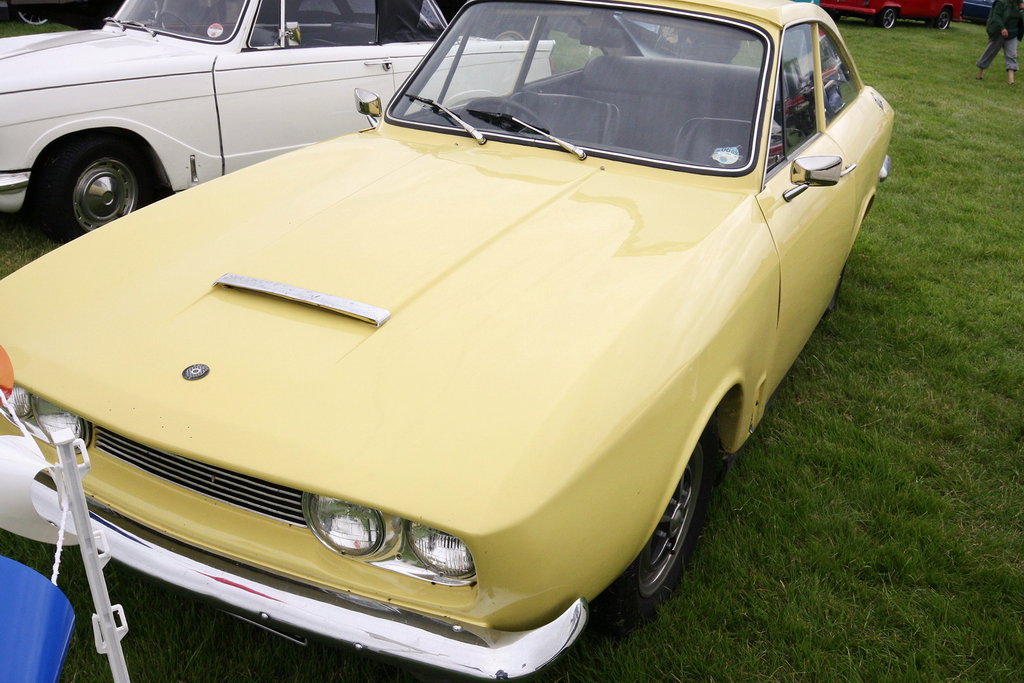
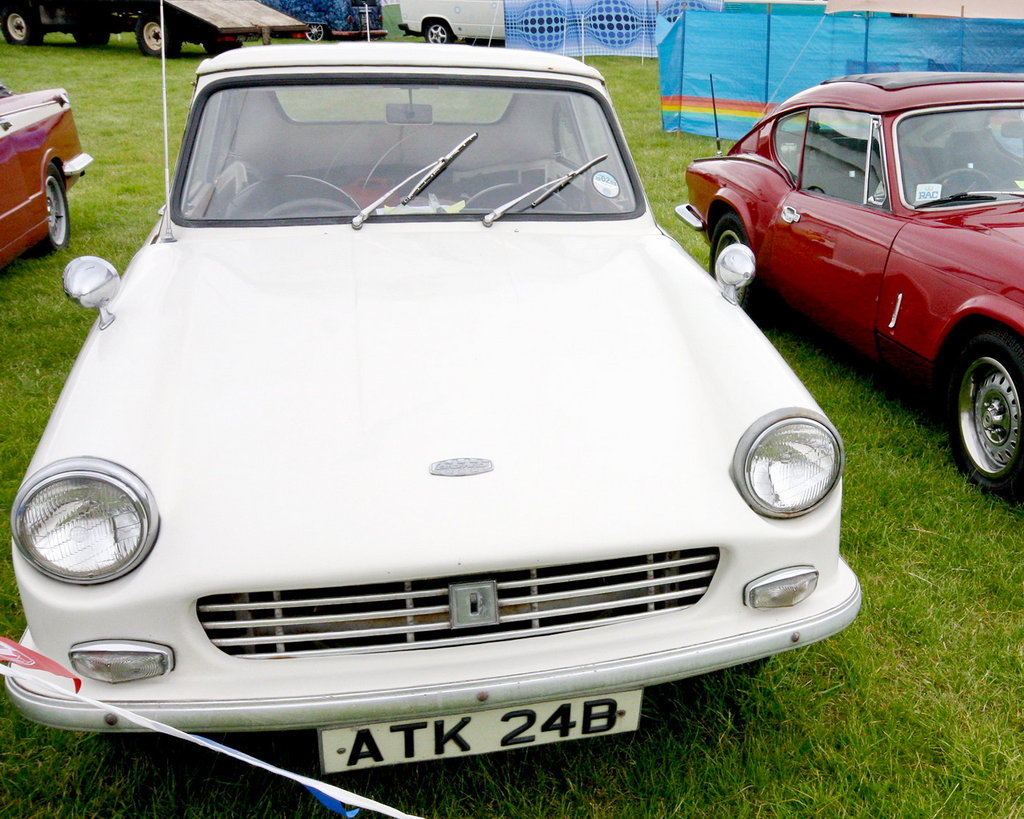
    Sleek, glass-fibre sports coupé, built on a Triumph Herald chassis and powered by Spitfire engines, it combined Italian-influenced styling with reliable mechanicals. It offered British motorists a sporty, distinct alternative to mainstream four-wheeled cars.

    Years

    1963-70

    Engine

    1147./1296cc S4 OHV Triumph

    Body Style

    Sports coupé

    Production

    Power: Weight

    Dimensions

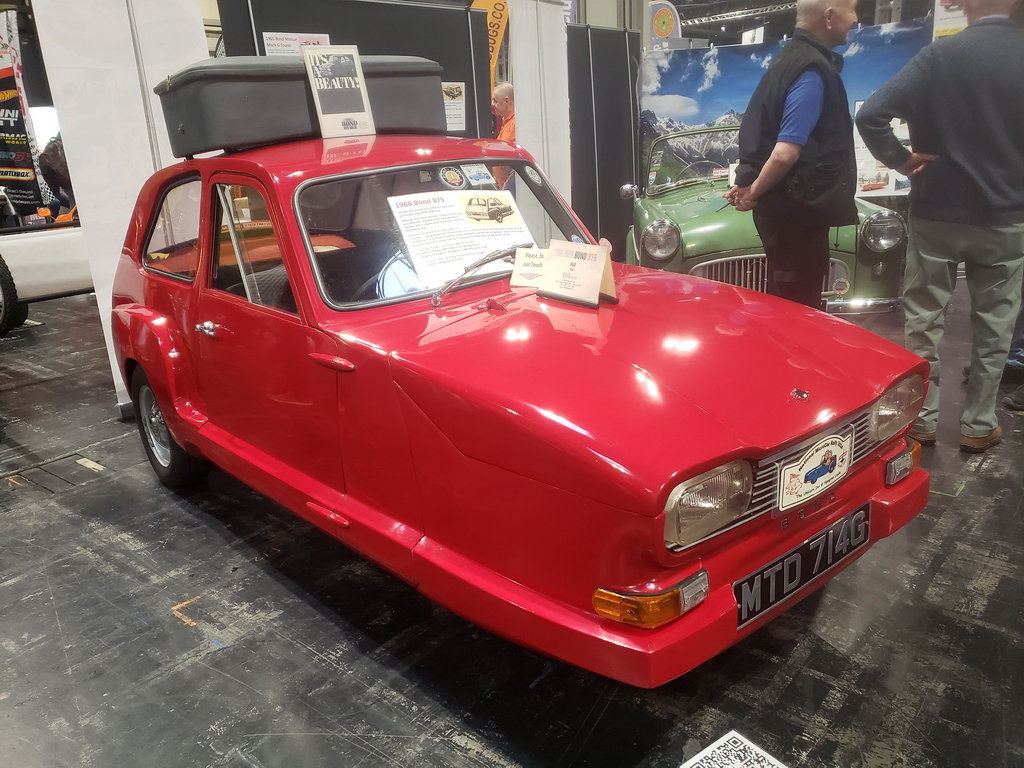
    Bond 875

    Fast, innovative 3-wheeler now using a rear-mounted, 875cc four-cylinder Hillman Imp engine, driving rear wheels. Ultra-lightweight fibreglass body and aluminium doors allowed it to top 80 mph – rapid for a tax-exempt microcar.

    Years

    1965-70

    Engine

    875cc S4 OHC Hillman

    Body Style

    Microcar

    Production

    Power: Weight

    Dimensions

    Photo: Flickr

    Bond Equipe 2-Litre

    A more powerful, restyled 2+2 sports tourer now on a Triumph Vitesse chassis and 1998cc straight-six engine. Capable of 100 mph, this sleek fibreglass car was offered as both a fastback saloon and a convertible

    Years

    Engine

    1998cc S6 OHV Triumph

    Body Style

    Fastback saloon, convertible

    Production

    Power: Weight

    Dimensions

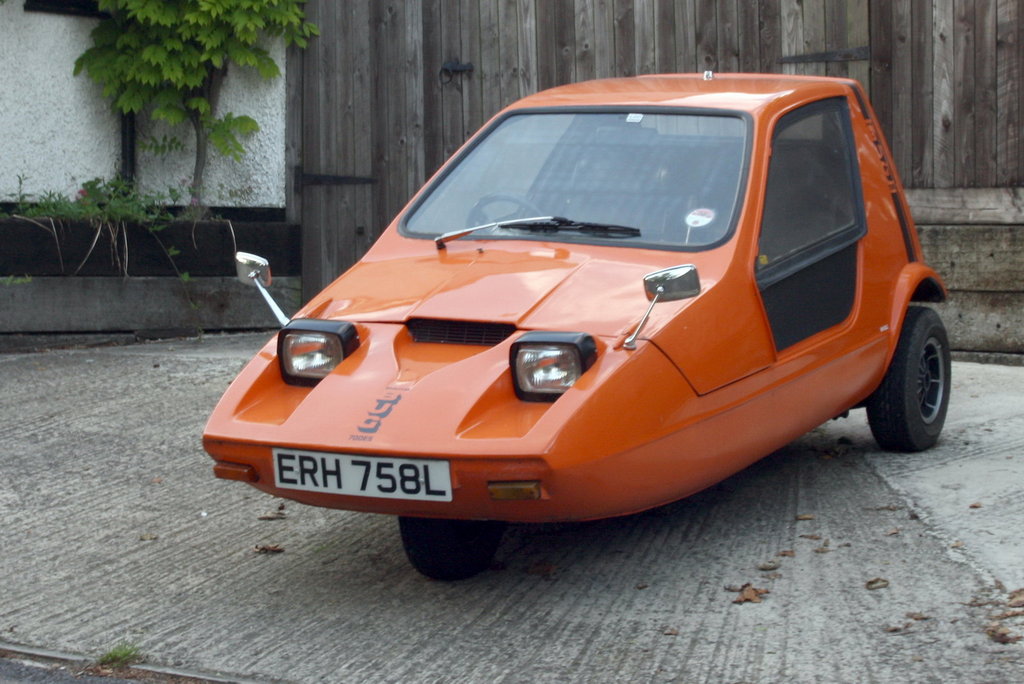
    Bond Bug

    Striking, wedge shape radically updating the 3-wheeler image. Designed by Tom Karen, built under Reliant ownership using Regal running gear. Featured a bright tangerine fibreglass body and a lift-up canopy instead of doors.

    Years

    1970-74

    Engine

    700cc S4 OHV

    Body Style

    Microcar

    Production

    1620

    Power: Weight

    Dimensions

  • Allard (1946-55)

    Allard (1946-55)

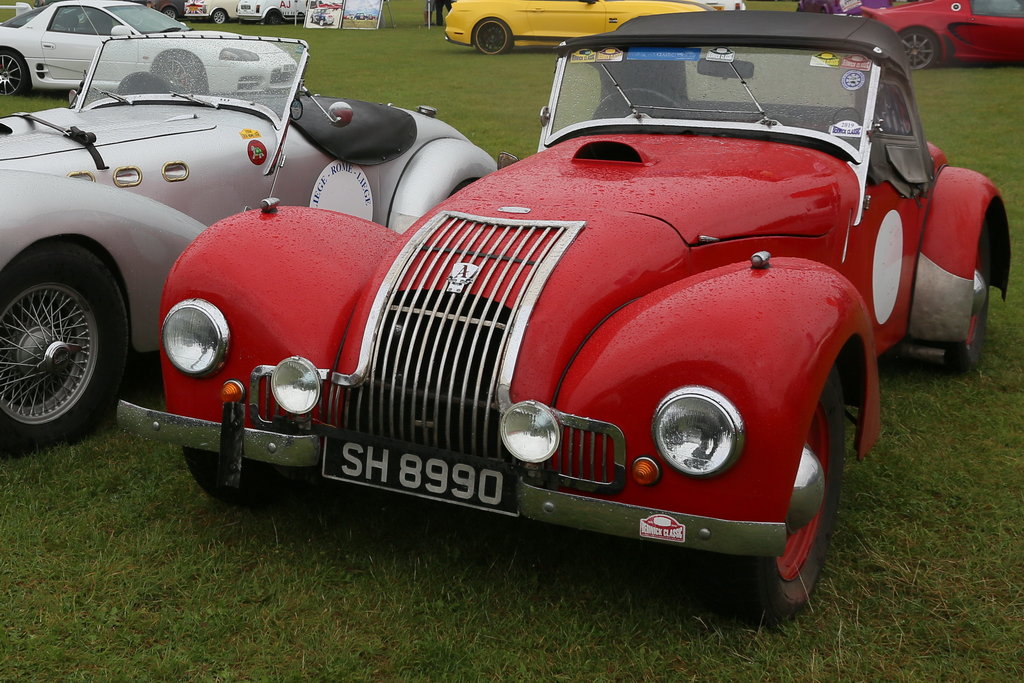
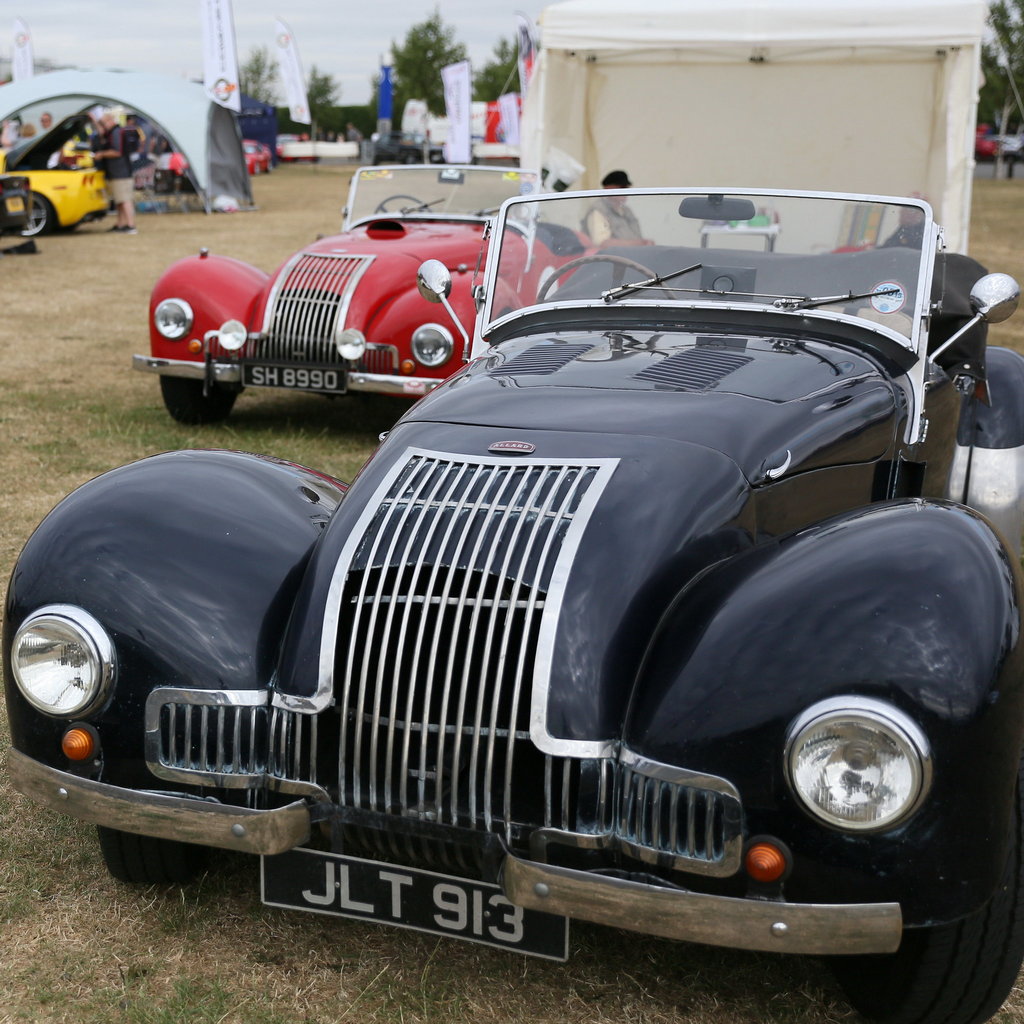
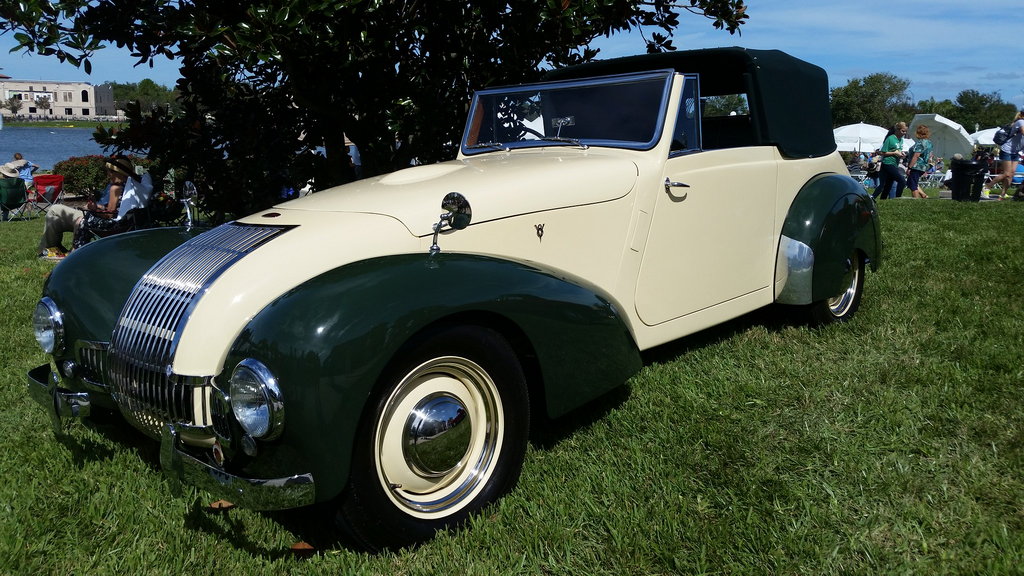
    Before WWII, Sydney Allard campaigned a repurposed Bugatti GP body on a Ford V8 frame and independent suspension. Demand for replicas led to a thriving post-war business. UK cars normally had a Ford V8 Pilot engine, sometimes upgraded to a Mercury 3.9/4.4-litre unit. Healthy US exports – normally powered by GM or Chrysler V8 engines and automatic transmission. Competition from Jaguar probably did for them in the end.

    Allard K1

    Sensational acceleration and striking appearance.

    Years

    1946-48

    Engine

    3622cc V8 SV Ford

    Body Style

    2-seater sports

    Production

    151

    Power: Weight

    Dimensions

    Allard L

    Longer wheelbase and two more seats. Harked back to Anglo-American pre-war specials.

    Years

    1946-48

    Engine

    3622cc V8 SV Ford.

    Body Style

    4-seater sports

    Production

    191

    Power: Weight

    Dimensions

    Allard M1

    Slightly more civilised DHC.

    Years

    1947-50

    Engine

    3622cc V8 SV Ford

    Body Style

    4-seater DHC

    Production

    500

    Power: Weight

    Dimensions

    Photo: Flickr

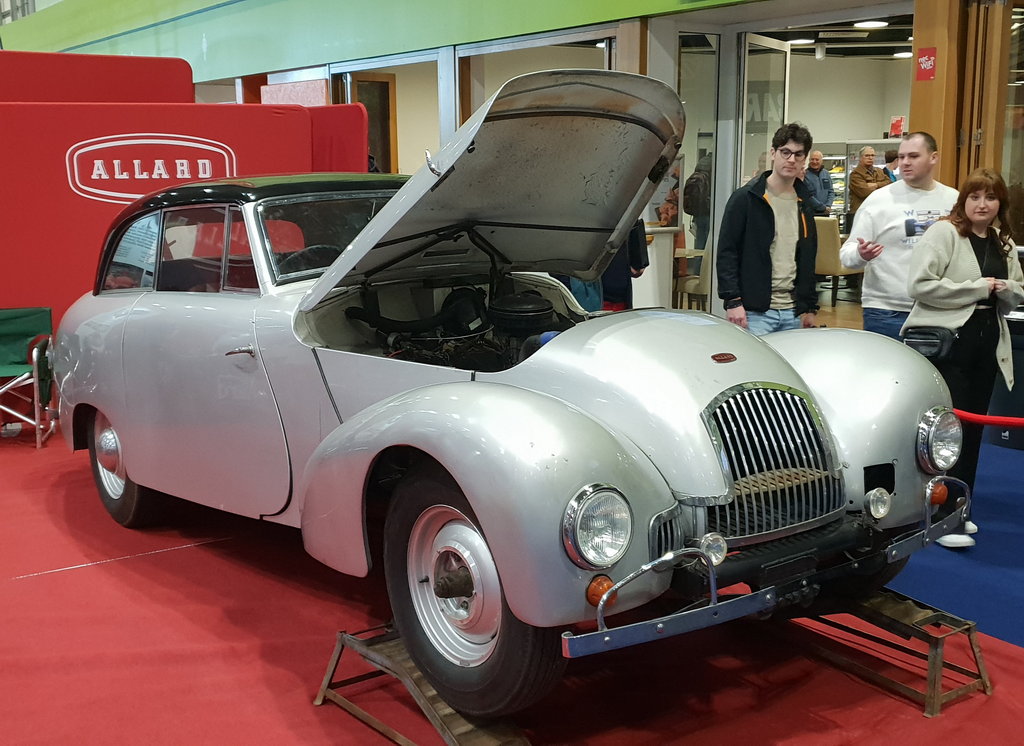
    Allard P1

    The car in which Sydney Allard won the 1952 Monte Carlo Rally! Column shift. Allard’s best seller.

    Years

    1949-52

    Engine

    3622cc V8 SV Ford

    Body Style

    2-dr saloon

    Production

    559

    Power: Weight

    Dimensions

    Photo: Flickr

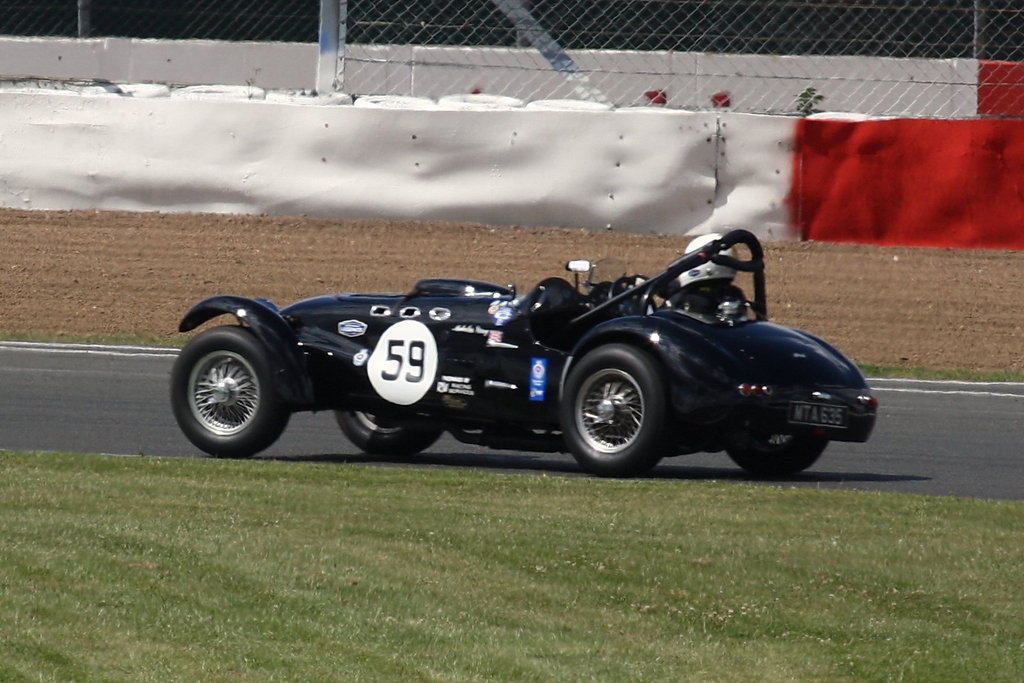
    Allard J2/J2X

    Four-wheel motorbike. Competitive on track.

    Years

    1950-52

    Engine

    5420cc V8 OHV GM or 4400 V8 Mercury

    Body Style

    2-seater sports

    Production

    173

    Power: Weight

    Dimensions

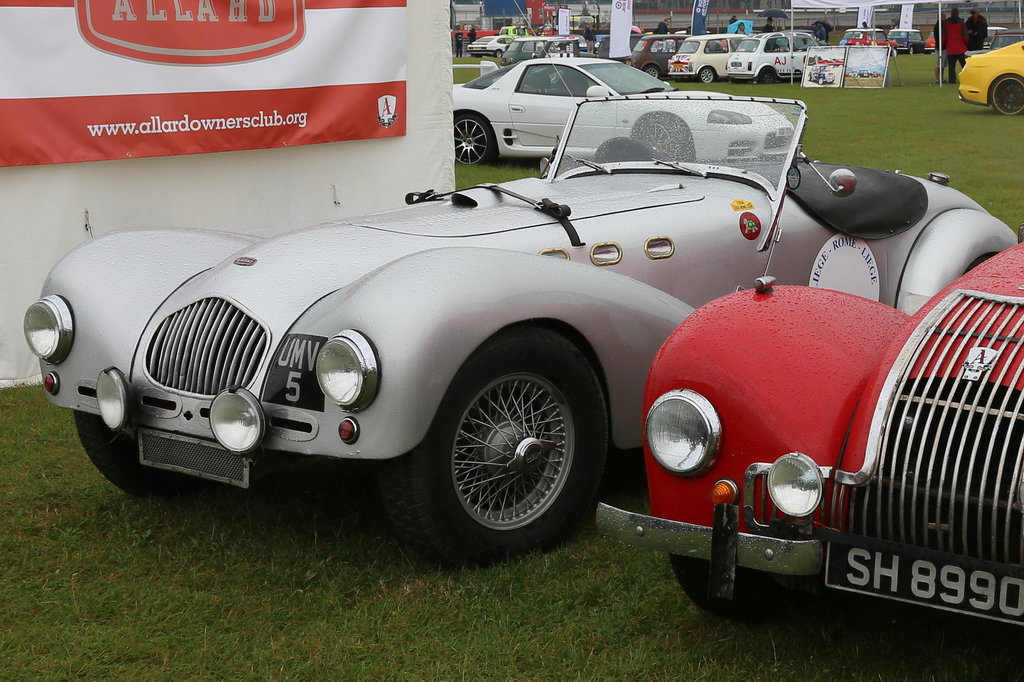
    Allard K2

    More civilised version- even had a small boot.

    Years

    1950-52

    Engine

    3917cc V8 SV Ford (GM in USA)

    Body Style

    2-seater sports

    Production

    119

    Power: Weight

    Dimensions

    Allard M2X

    DHC version of P1. New grille. Front coil spring IFS, floor change.

    Years

    1951-53

    Engine

    3622cc V8 SV Ford

    Body Style

    4-seater DHC

    Production

    25

    Power: Weight

    Dimensions

    Photo: Flickr

    Allard K3

    New model with tubular frame. De Dion rear axle from J2 racer. Wide front seat. Usual Ford engines in UK.

    Years

    1952-55

    Engine

    3622cc V8 SV Ford (GM in USA)

    Body Style

    Roadster

    Production

    63

    Power: Weight

    Dimensions

    Photo: Flickr

    Allard P2 Monte Carlo

    Saloon version of K£ but with more usual Allard styling, and a lot more weight despite aluminium panels.

    Years

    1952-55

    Engine

    3622cc V8 SV Ford (GM in USA)

    Body Style

    2-dr saloon

    Production

    11

    Power: Weight

    Dimensions

    Photo: Wikipedia

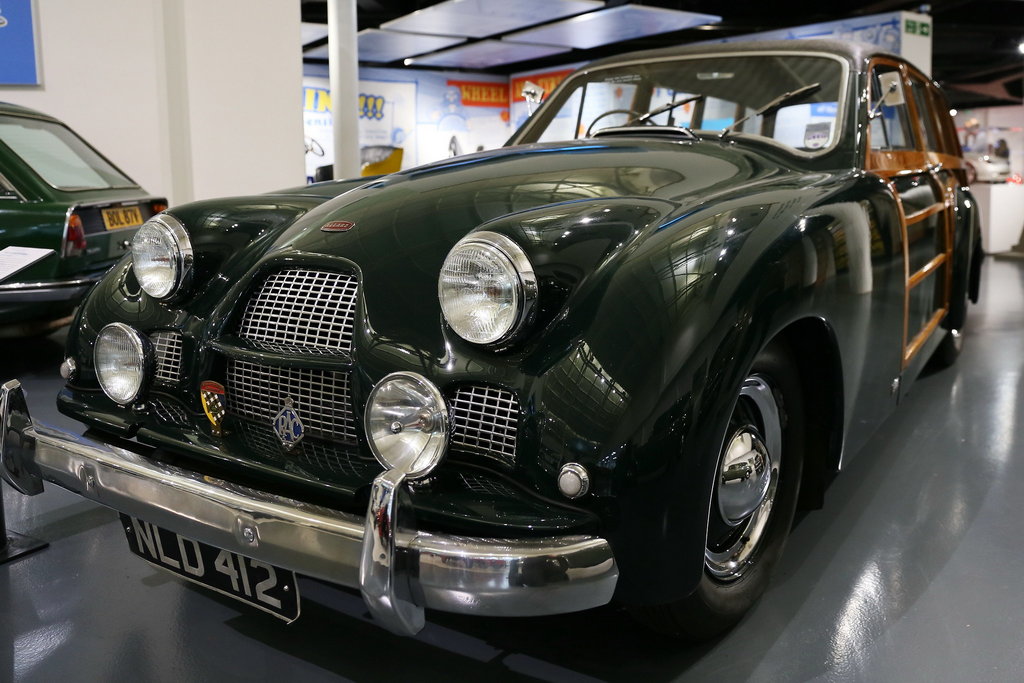
    Allard P2 Safari

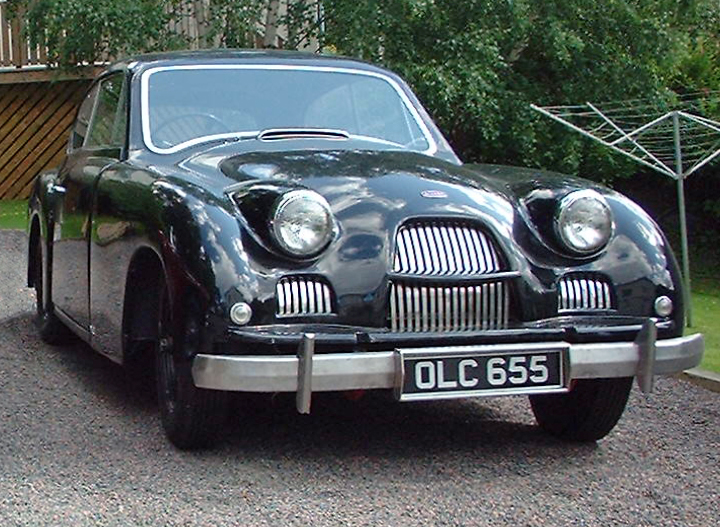
    Two door woody station wagon version.

    Years

    1952-55

    Engine

    3622cc V8 SV Ford

    Body Style

    Station wagon

    Production

    11

    Power: Weight

    Dimensions

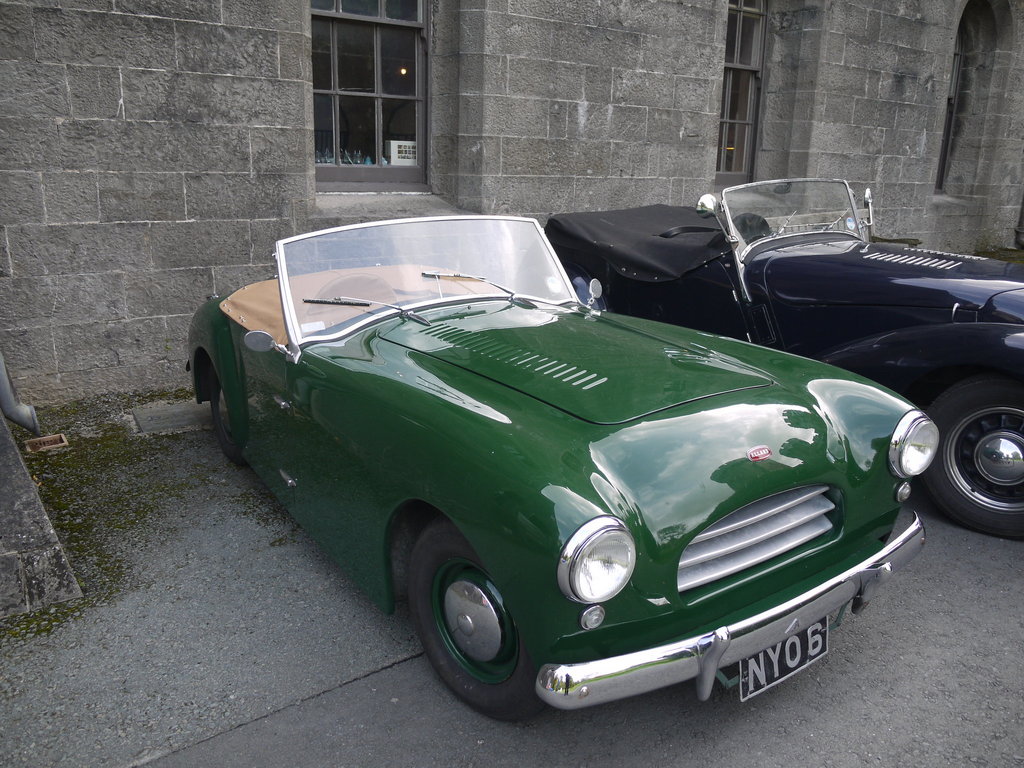
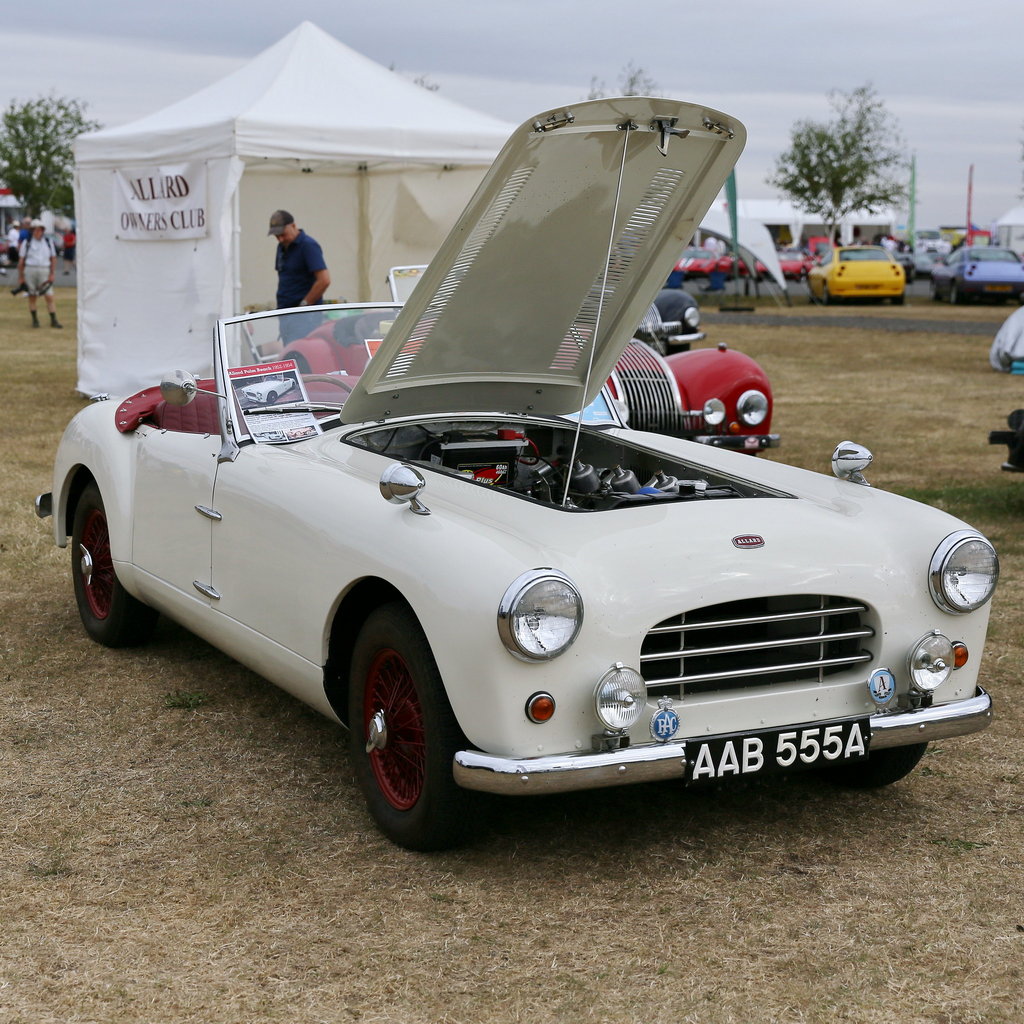
    Allard Palm Beach

    Economy K3 with smaller engine and conventional rear axle. After the main production run, a handful of cars were made with Jaguar XK engines.

    Years

    1952-55

    Engine

    1508cc S4 OHV; 2262cc S6 OHV

    Body Style

    3-seater roadster

    Production

    8 (21C); 65 (21Z)

    Power: Weight

    Dimensions

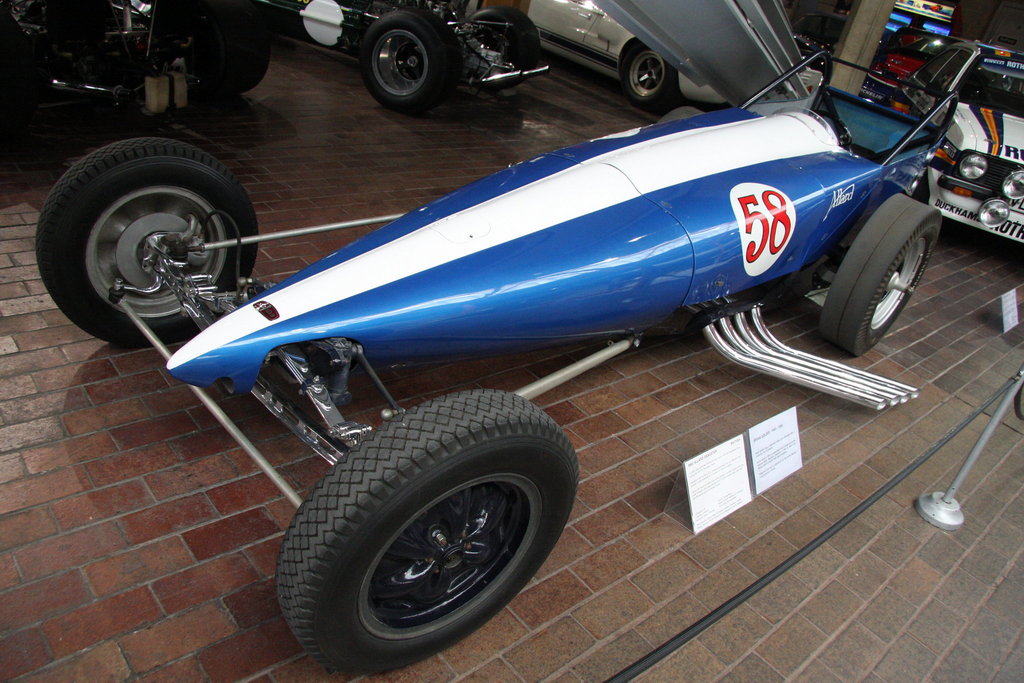
    Allard Dragster

    First of its type in Britain. Followed the American scene, but RAC regulations meant brakes and covered engine. Attracted huge interest: 1963 contests with the US dragster Mooneyes led to the pioneering British International Drag Festival.

    Years

    1961

    Engine

    5700cc V8 Chrysler SC FI

    Body Style

    Production

    Power: Weight

    Dimensions

    Photo: Flickr

  • Crossley (1904-1937)

    Crossley (1904-1937)

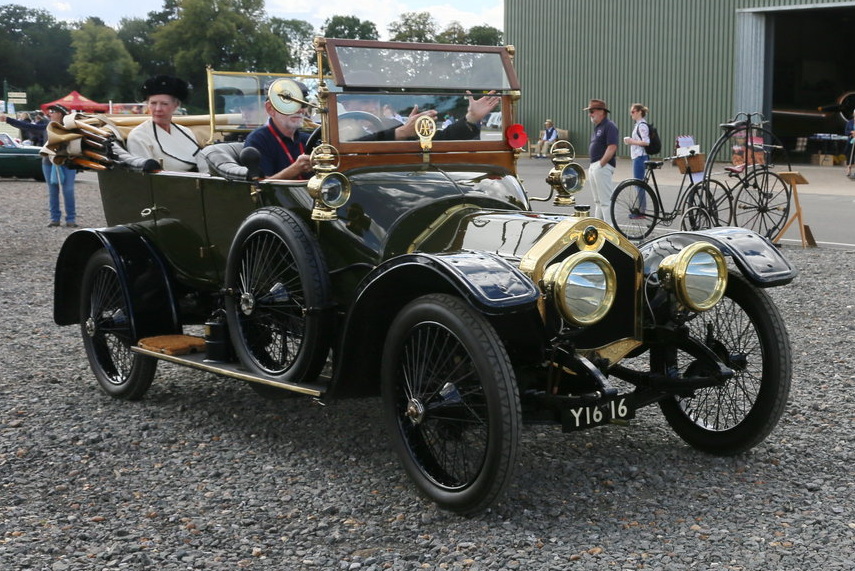
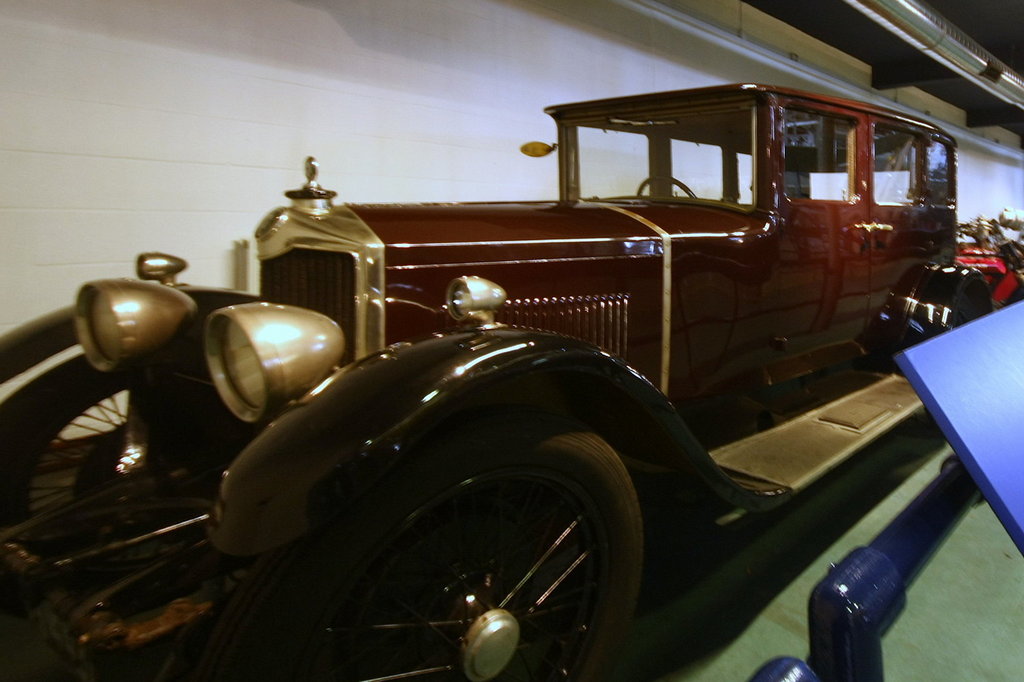
    Founded in Manchester, Crossley Motors was a pioneering British manufacturer that evolved from the world-renowned Crossley Brothers gas engine business. Entering vehicle production in 1904, the company gained legendary status during World War I by supplying thousands of rugged 20/25 chassis to the Royal Flying Corps.

    In the 1920s, their high-quality side-valve cars, like the 25/30 Tourer, became prestigious favourites of global royalty. As the luxury car market contracted, Crossley pivoted to heavy commercial vehicles, becoming a major supplier of buses, trolleybuses, and military four-wheel-drive vehicles to municipalities and the British War Office. Production ceased after being absorbed by the Associated Equipment Company (AEC) in 1948.

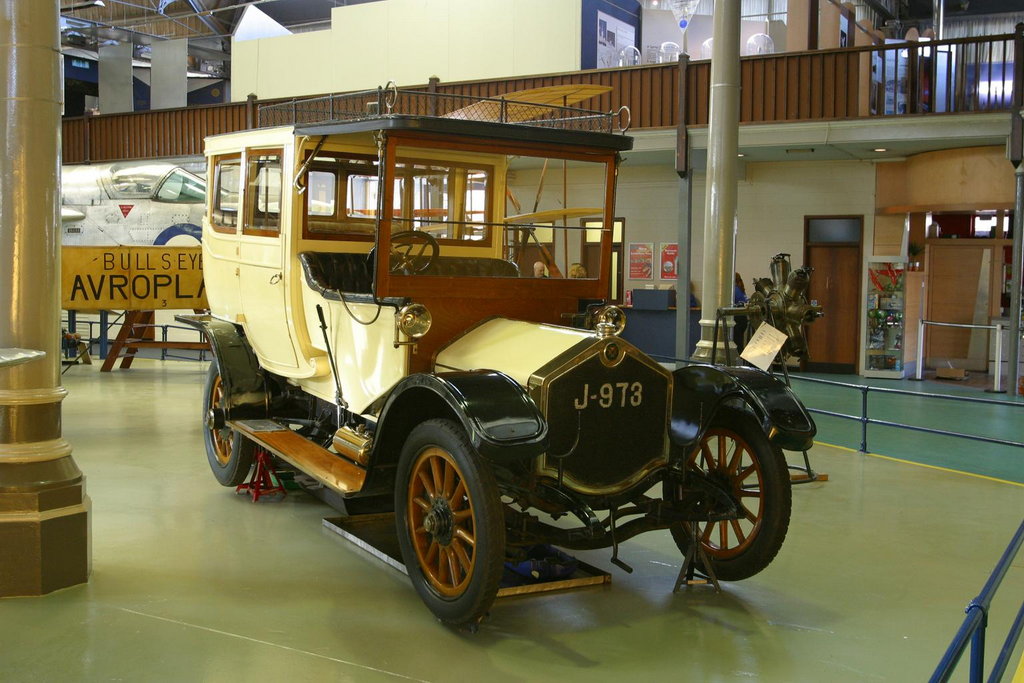
    Crossley 22/28; 40 HP

    Crossley initially focused on large, luxury vehicles, with the first batch on a French chassis, and chain drive. Used their own engine, cast in cylinder pairs. Only survivor is in the Science Museum collection.

    Years

    1904-08; 1905-12

    Engine

    4942/7037 S4 SV

    Body Style

    Open-drive limousine

    Production

    c. 150; 100

    Power: Weight

    Dimensions

    Photo: SMG

    Crossley 12/14; 15 HP

    More economical models were also made available. The T5 15 HP shown was a smaller engine on the heavy chassis. Shelsley models were more sporting (introduced after the 1912 Shelsley Walsh Hill Climb victory).

    Years

    1909-11; 1911-15

    Engine

    2388cc (2398cc) S4 SV

    Body Style

    Various

    Production

    N/A; <2445

    Power: Weight

    Dimensions

    The Shelsley introduced the characteristic V radiator

    Crossley 20/25; 25/30

    The iconic rugged WWI Royal Flying Corps staff car and ambulance tender, earning Crossley global renown for reliability. Post-war, it was adapted for wealthy civilian buyers, with larger engine and premium, coachbuilt bodies.

    Years

    1912-20; 1919-25

    Engine

    4000/4500cc S4 SV

    Body Style

    Tourers, various

    Production

    c. 10,000; c. 600

    Power: Weight

    Dimensions

    Crossley 6 (and 12/14)

    Launched at Olympia with a new OHV 6; to replace the 25/30. Up-engined to the 20.9 and augmented by the lighter, more economical 15.7 2-litre (sports version 1929-31). 12/14 was upmarket smaller car with flatter radiator and S4 SV engine.

    Years

    1925-27; 1928-37 (1923-27)

    Engine

    2388cc S4 Sv; 1991/2692/3198 S6 OHV

    Body Style

    Tourers, saloons, limousines

    Production

    c 3400 (and 5600)

    Power: Weight

    Dimensions

    Model shown is 18/50

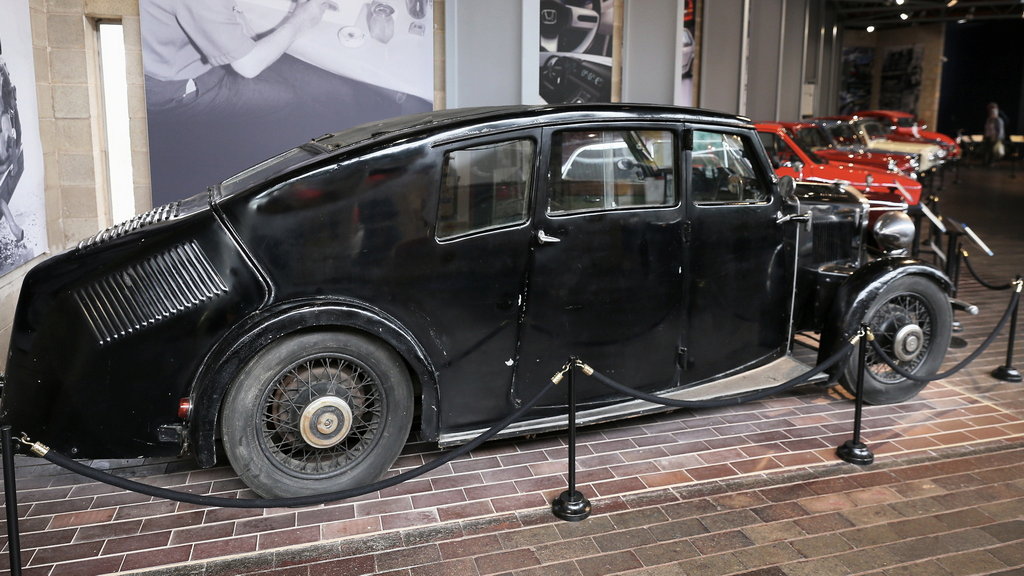
    Crossley Streamline

    Avant garde aerodynamic teardrop body on space frame designed by Sir Dennistoun Burney, who also designed airships. Prototype on a FWD Alvis chassis – backwards! Independent suspension, hydraulic brakes.

    Years

    1929-33 (Burney); 1934 (Crossley)

    Engine

    Various

    Body Style

    Production

    12 Burney + 25 Crossley

    Power: Weight

    Dimensions

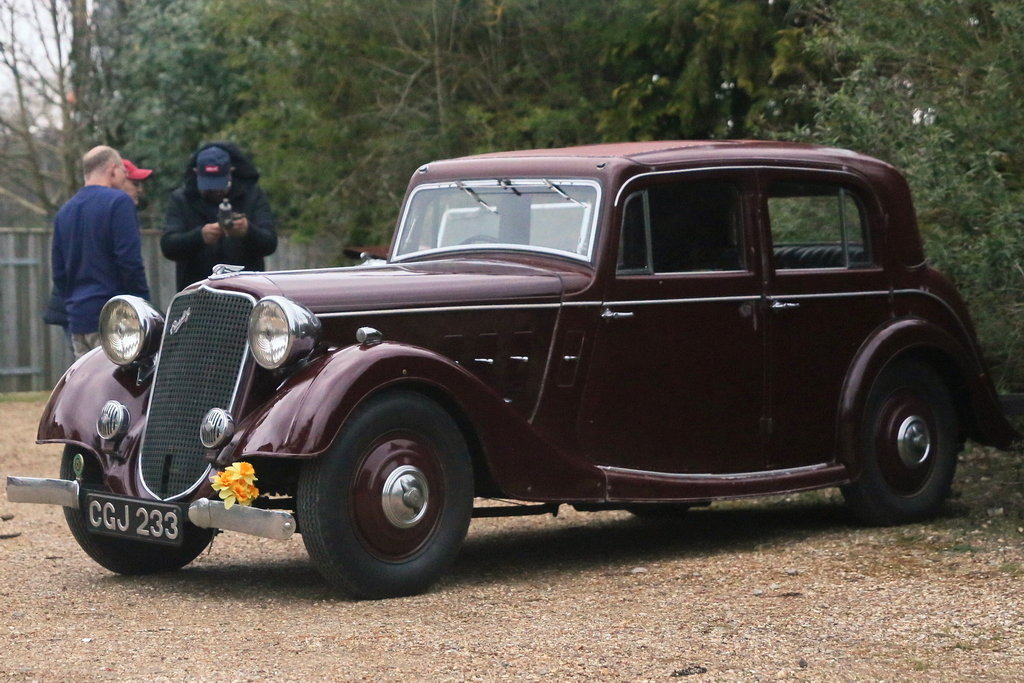
    Crossley Ten / Ten Regis / Regis Six

    Refined but underpowered smaller cars given the Regis name in 1935 (shown) with a new grille and a new frock by Beauvais of Avon (who later joined Crossley), and the option of a small 6. Climax engines as also made by Triumph.

    Years

    1932-34; 1935-37; 1935-37

    Engine

    1122cc S4 IO; 1476cc S6 IO

    Body Style

    Saloon, DHC, sports

    Production

    2000

    Power: Weight

    Dimensions