Jaguar Cars forged a legendary reputation for “Grace, Space, and Pace” through its post-war saloons, built in Coventry. Following the 1945 restart, production shifted from pre-war pushrod designs to the revolutionary XK dual overhead camshaft (DOHC) inline-six engine in the 1950s. This powerplant defined icons like the massive Mark VII to X luxury liners.
In 1955, Jaguar pioneered the premium compact sports saloon market with the unitary-construction Mark 1, followed by the definitive Mark 2 in 1959 with its distinctive slim pillars and disc brakes. The model line culminated in the sophisticated independent rear suspension S-Type.
In 1960, Jaguar bought the ailing Daimler Motor Company from BSA, primarily to secure much-needed factory space at Radford. In 1966, seeking greater industrial scale, Jaguar merged with the British Motor Corporation to form British Motor Holdings (BMH).
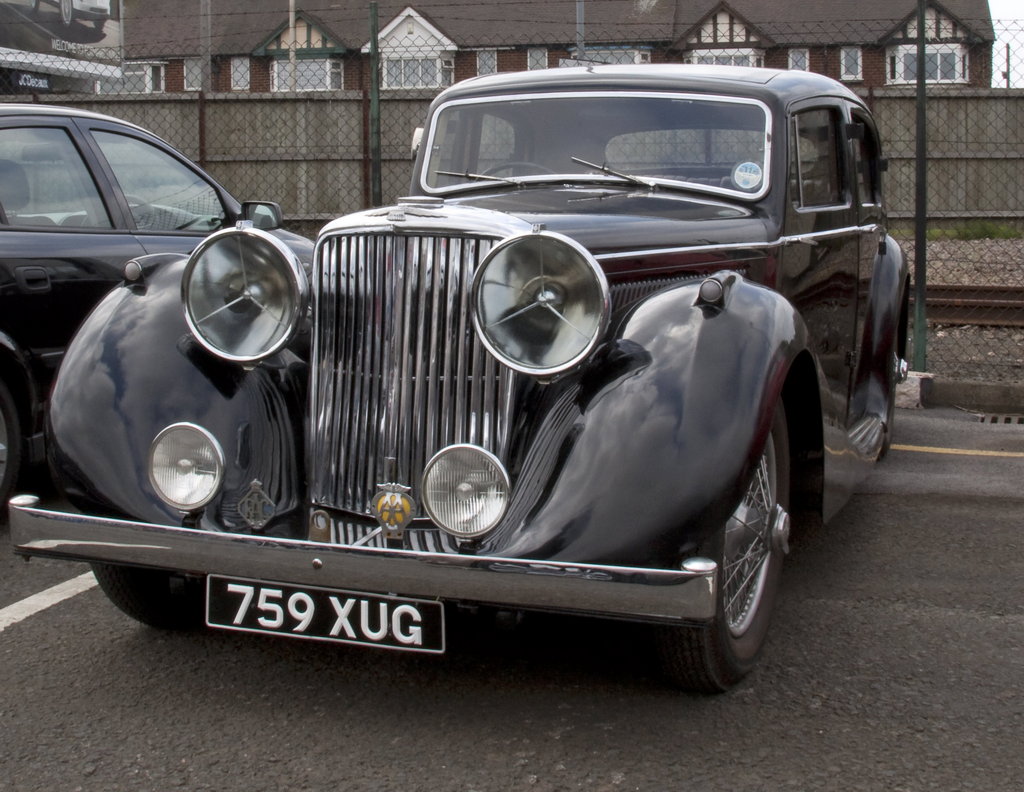
Jaguar Mk IV
Using a traditional separate chassis and elegant steel-and-timber bodywork, the Mk IV was powered by the robust pre-war SS OHV inline-six engines.
Years
1945-48
Engine
1776cc S4; 2664/3485cc S6 OHV
Body Style
Saloon
Production
12,713/7222/5424 (all inc pre-war)
Power: Weight
Dimensions
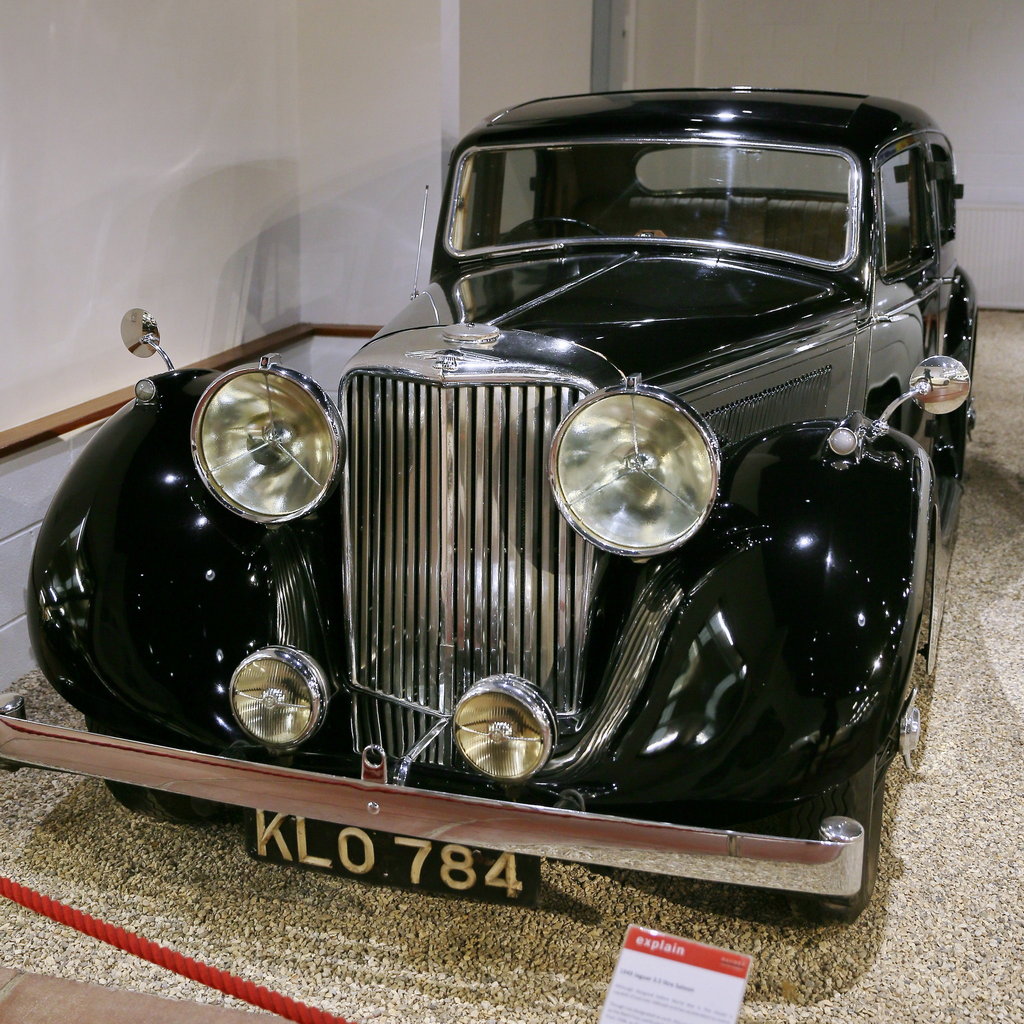
Jaguar Mk V
Important transitional model – retaining the pushrod engines, it featured a modern chassis with independent front torsion-bar suspension and hydraulic brakes.
Years
1949-51
Engine
2664/3485cc S6 OHV
Body Style
Saloon
Production
1675/8791
Power: Weight
Dimensions
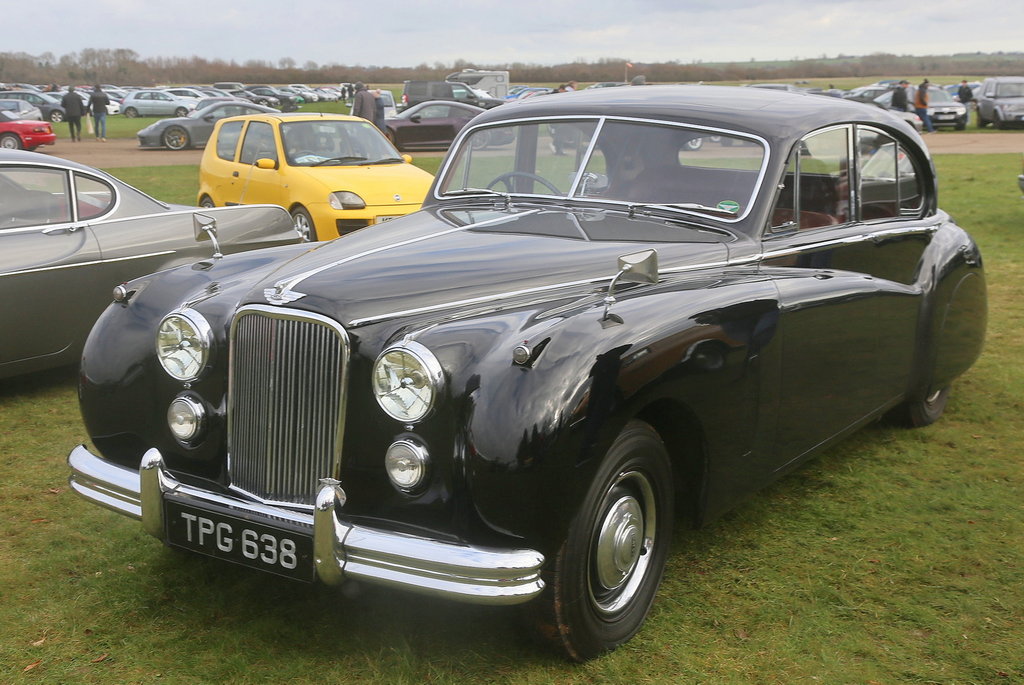
Jaguar Mk VII
The Mk VII (so VI because of Bentley) introduced more streamlined styling – and it was the first saloon with the XK engine (ostentatiously launched in the XK120), making the luxurious five-seater one of the world’s fastest production saloons.
Years
1951-54
Engine
3442cc S6 DOC
Body Style
Saloon
Production
20,908
Power: Weight
Dimensions
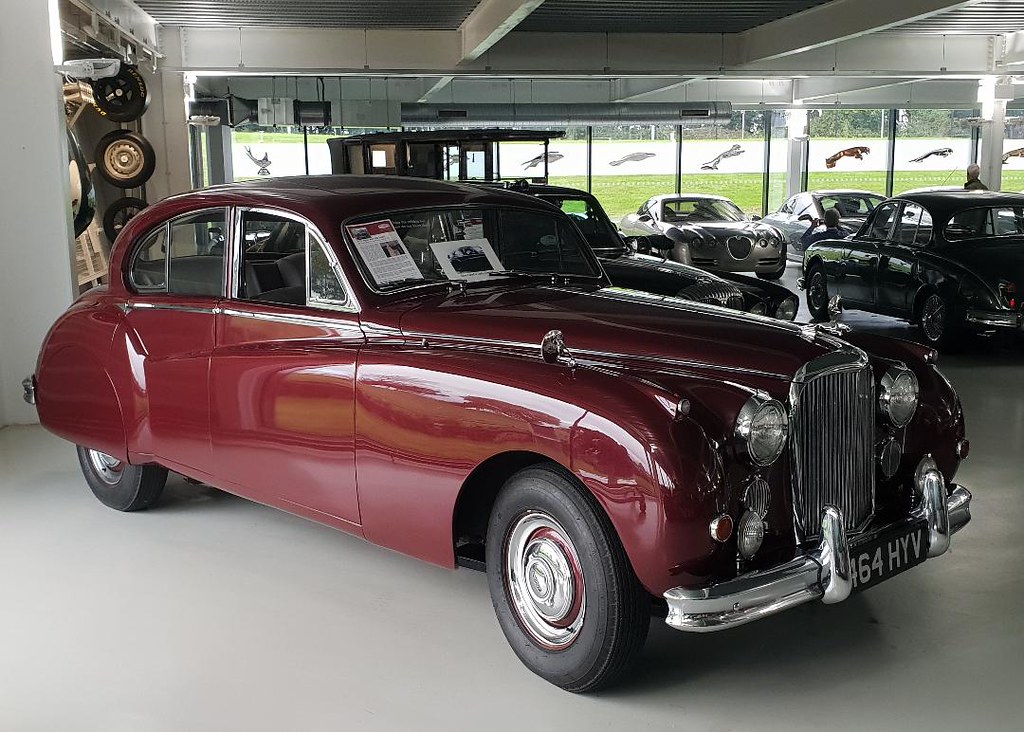
Jaguar Mk VIIM
The high-performance evolution of the standard saloon. The XK engine was uprated to 190 bhp via high-lift camshafts. It famously claimed outright victory at the 1956 Monte Carlo Rally.
Years
1955-57
Engine
3442cc S6 DOC
Body Style
Saloon
Production
10,061
Power: Weight
190 bhp
Dimensions
Radiator-grille-mounted fog lamps, headlamp grilles
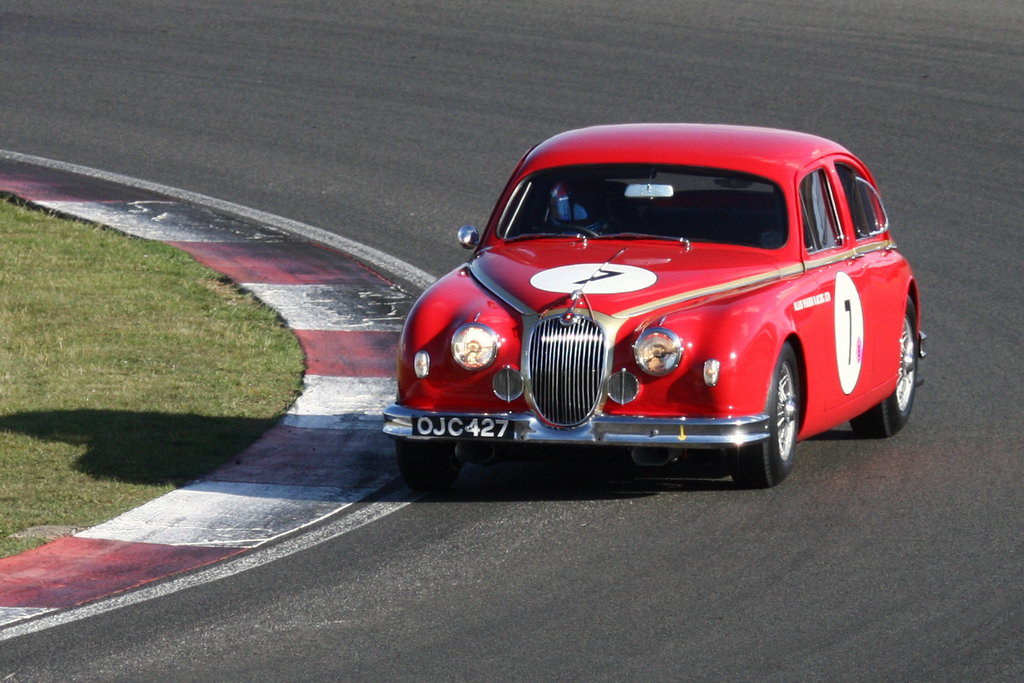
Jaguar Mk 1
Jaguar’s first compact luxury sports saloon, featuring Jaguar’s first unitary body. Power from the famous XK engine established a highly successful formula.
Years
1956-60
Engine
2483/3442cc S6 DOC
Body Style
Saloon
Production
19,400/17,340
Power: Weight
Dimensions
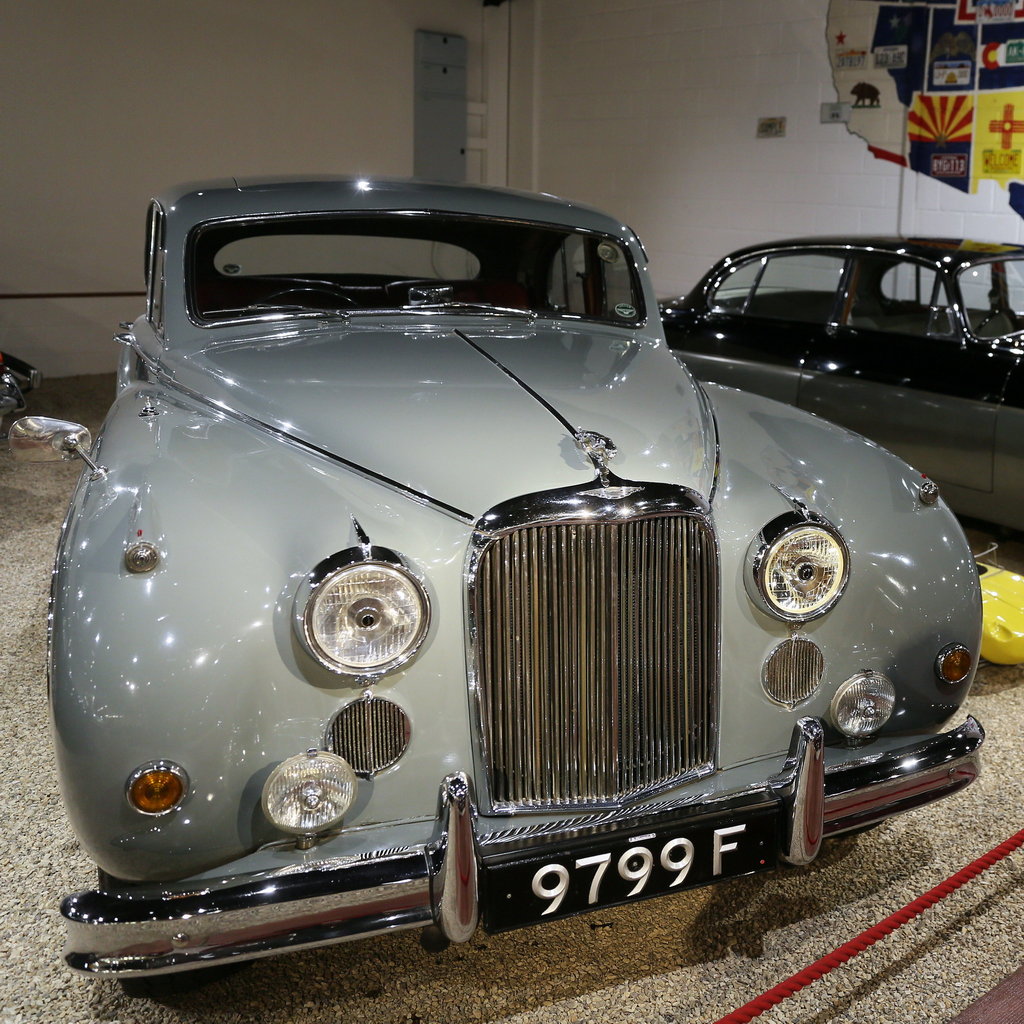
Jaguar Mk VIII
Restyled Mk VII with one-piece curved windscreen and cut-back rear wheel spats. A sweeping chrome side strip allowed for distinctive two-tone paint schemes. Inside, it featured picnic tables, while its XK engine was uprated to 210 bhp.
Years
1957-58
Engine
3442cc S6 DOC
Body Style
Saloon
Production
6212
Power: Weight
210 bhp
Dimensions
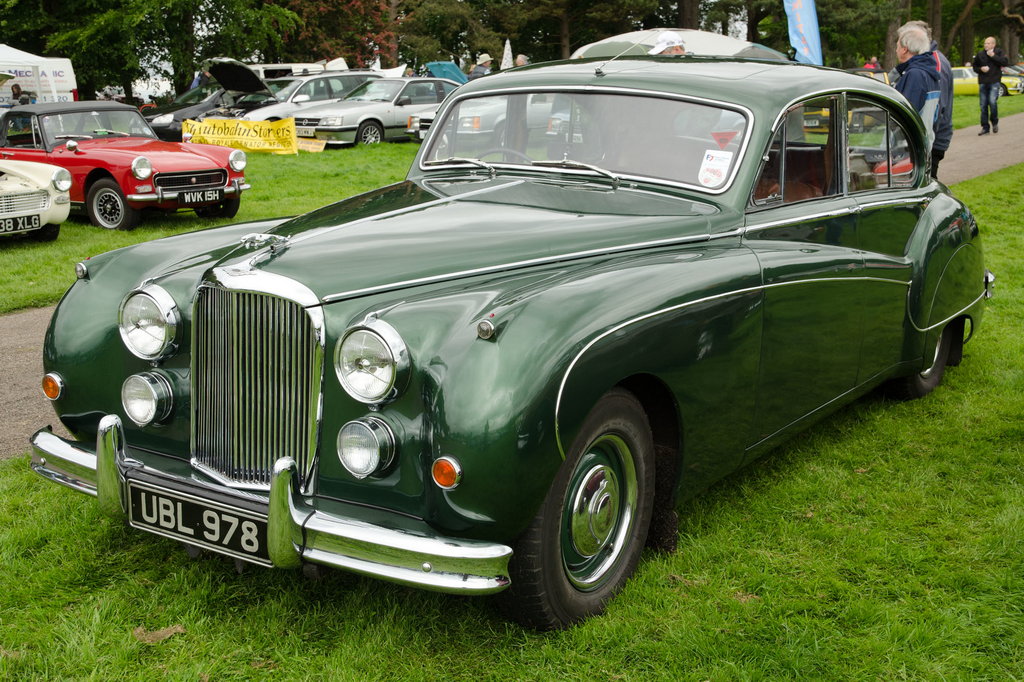
Jaguar Mk IX
The final evolution of the large post-war body shape. While visually identical to the Mark VIII, it introduced the larger 3.8-litre XK engine producing 220 bhp, along with standard four-wheel disc brakes and power-assisted steering.
Years
1959-61
Engine
3781cc S6 DOC
Body Style
Saloon
Production
10,009
Power: Weight
220 bhp
Dimensions
Photo: Flickr
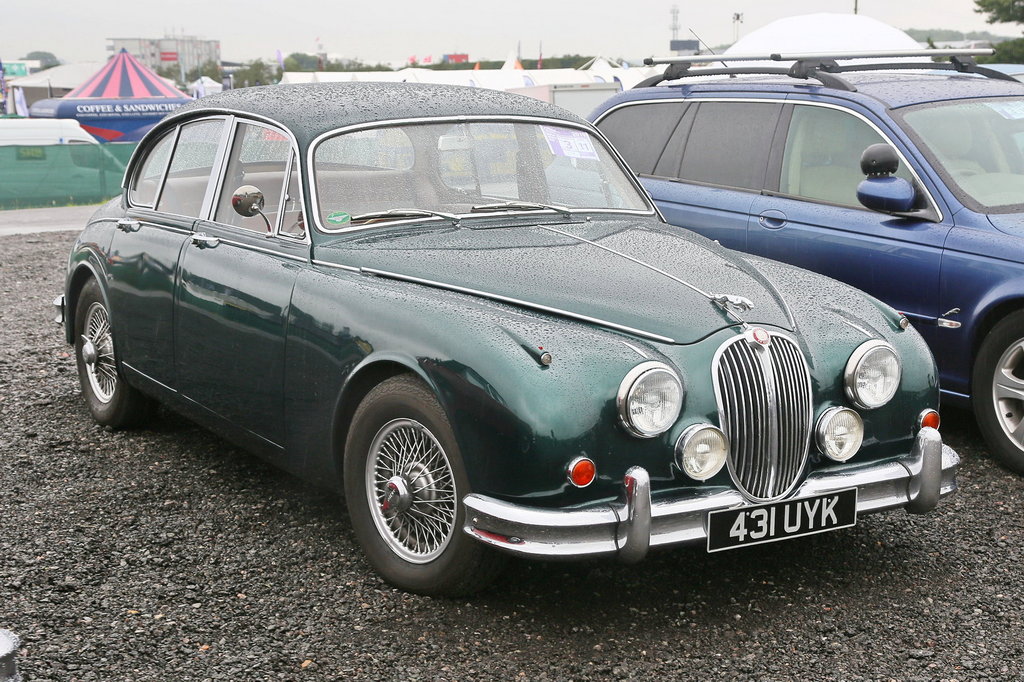
Jaguar Mk 2
The definitive British sports saloon of its era. It evolved the Mk 1 shell, widening the rear track, and increasing the glass area with slimmer pillars. Four-wheel disc brakes, and a choice of XK engine.
Years
1960-68
Engine
2483/3442/3781cc S6 DOC
Body Style
.
Production
25,070/28,660/30,070
Power: Weight
Dimensions
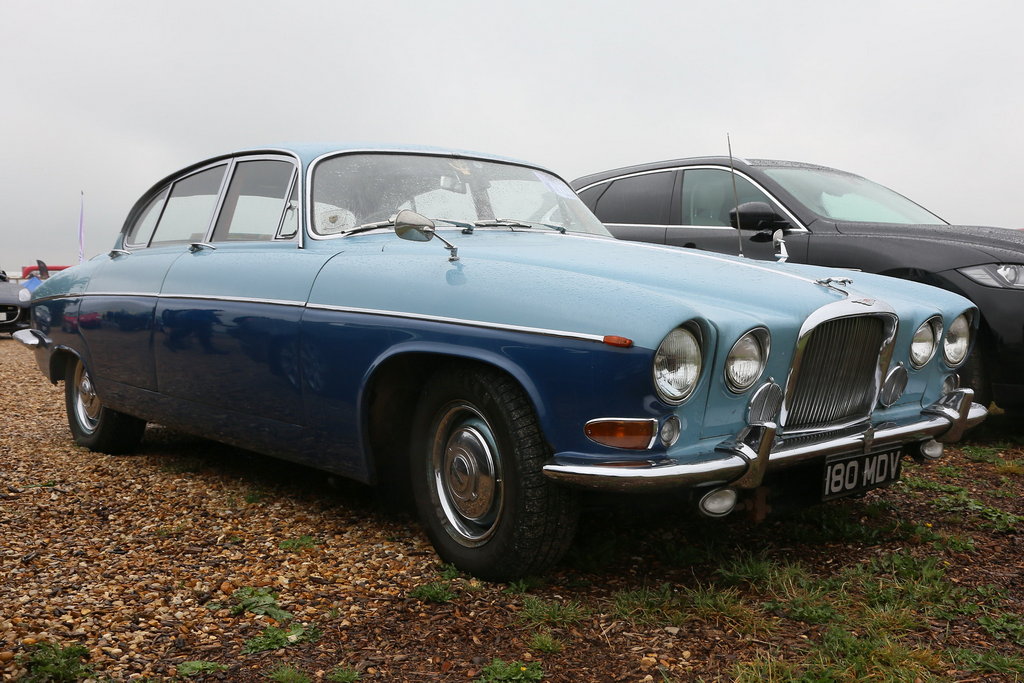
Jaguar Mk X
A break from traditional styling with a sleek, low-slung look featuring a forward-leaning front grille and quad headlamps. The all-steel monocoque body, with independent rear suspension, was the widest ever made by Jaguar.
Years
1962-64; 1965-66
Engine
3781/4281cc S6 DOC
Body Style
Saloon, limousine
Production
13,382; 5137
Power: Weight
Dimensions
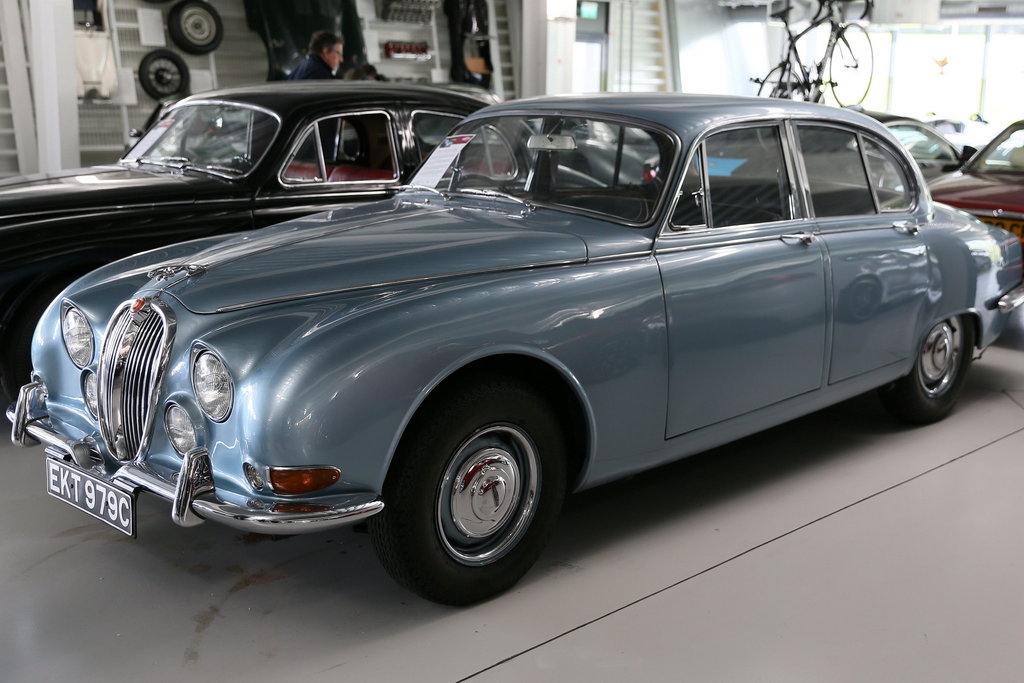
Jaguar S-Type
A more refined and better handling and riding alternative to the Mk 2, albeit it heavier and arguably harder on the eye. Mk 2 front profile, and a Mk X roofline and tail, and its independent rear suspension.
Years
1964-68
Engine
3442/3781cc S6 DOC
Body Style
Saloon
Production
9830, 15,070
Power: Weight
Dimensions
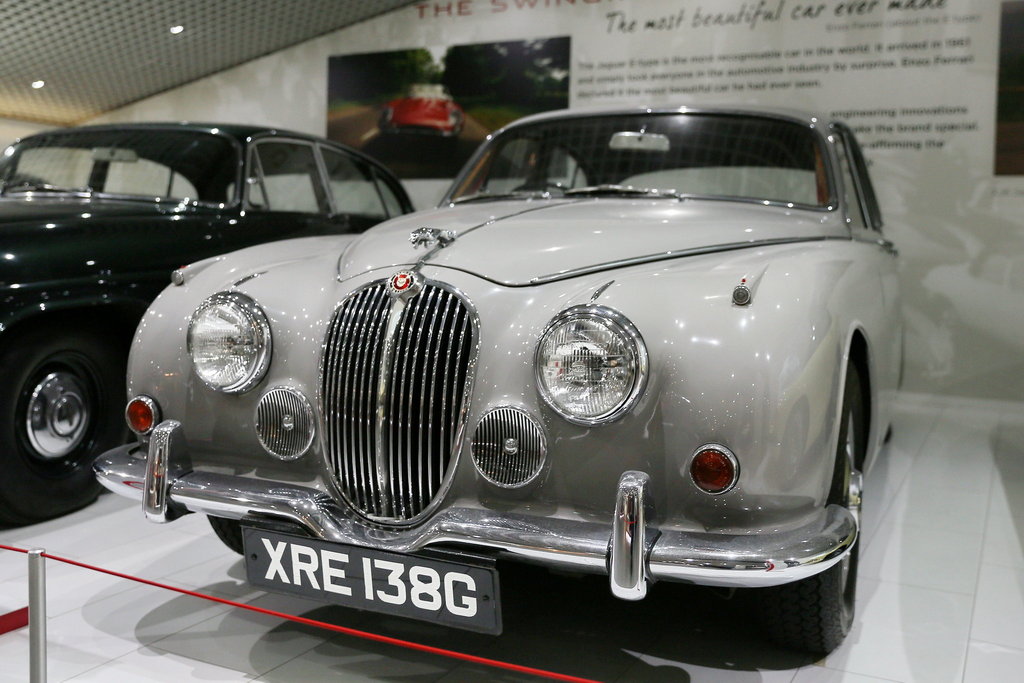
Jaguar 240/340
Run-out versions of the Mk 2, with budget Ambla upholstery and slim bumpers. Upgraded twin-carburettor engine on the 240.
Years
1968-69; 1968
Engine
2483/3442cc S6 DOC
Body Style
Saloon
Production
4210; 2630
Power: Weight
Dimensions
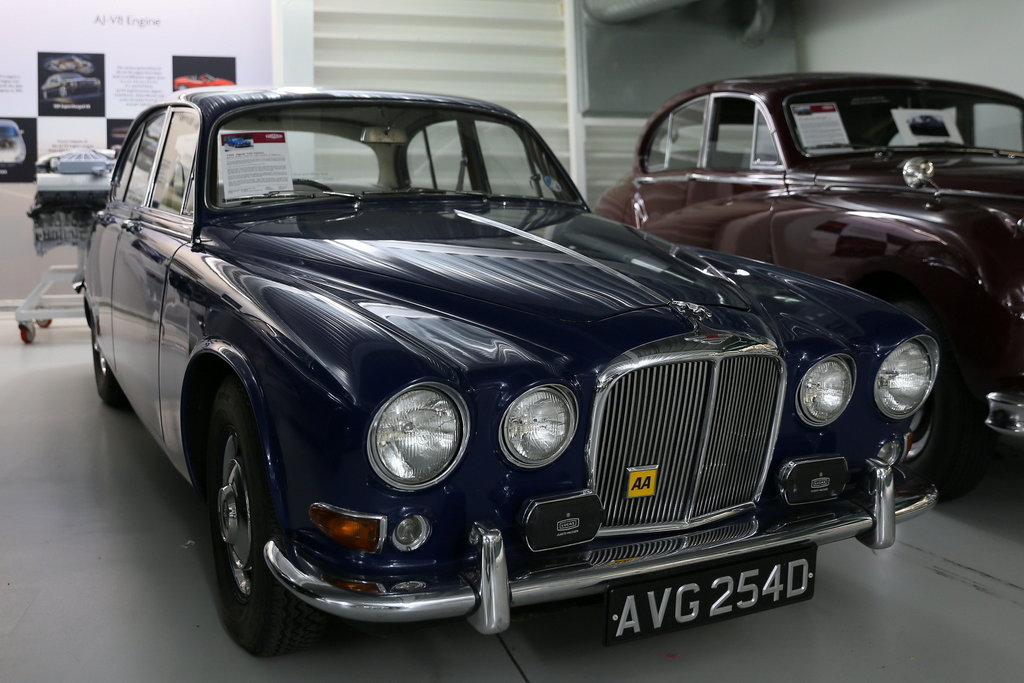
Jaguar 420 / Daimler Sovereign
The ultimate development of the compact sports saloon range, combining the S-Type shell with a new, nose and quad headlamps, mimicking the Mk X/420G. Very much preparing the way for the XJ6.
Years
1967-68
Engine
3781cc S6 DOC
Body Style
Saloon
Production
9600/5700
Power: Weight
Dimensions
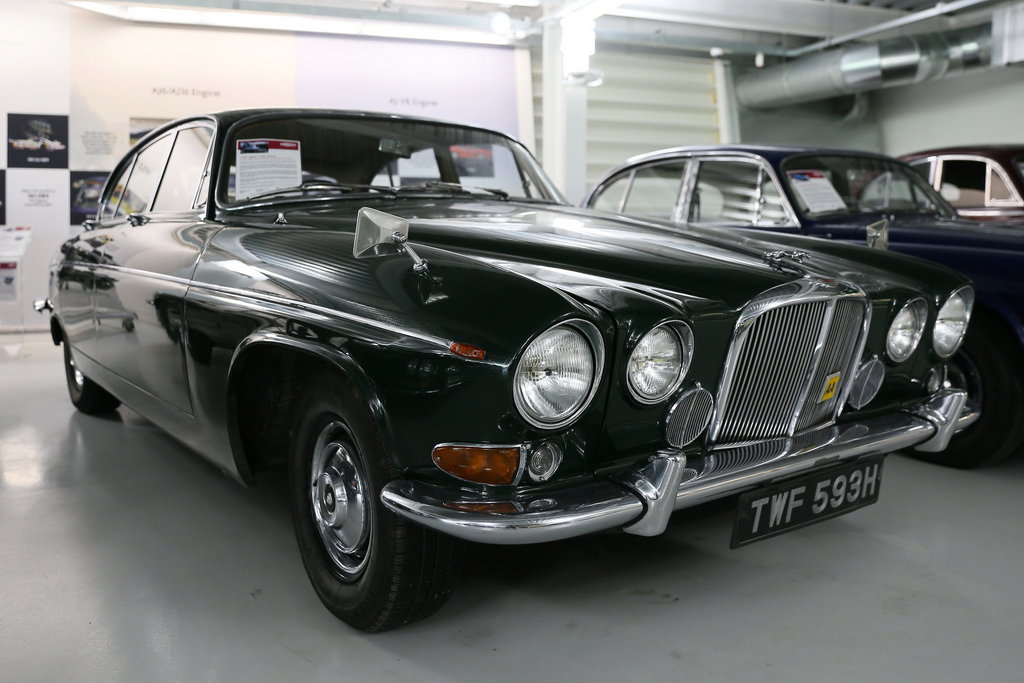
Jaguar 420G
Facelift of the flagship Mk X, with new radiator grille. Often in distinctive two-tone paint schemes.
Years
1967-70
Engine
4235cc S6 DOC
Body Style
Saloon, limousine
Production
5753
Power: Weight
Dimensions
Grille with vertical centre bar, chrome trim strip, unique wheel trims