19 June 2022. Family tree post #067. Updated 2 Jul 2023. Post #071.
Routinely recording a wedding on the tree – Dorothy marries Peter in 1955 in Hemsworth, Yorkshire – I noticed something unusual. Peter had been born in Munich in 1923.
Upon investigation, I found that – in 23 Nov 1941 – his parents Siegfried and Paula has been deported by train from Munich, bound for a ghetto in Riga. There was apparently some controversy on how 59,000 deportees would be accommodated, and whether Reich jews were as inhuman as Ostjuden.
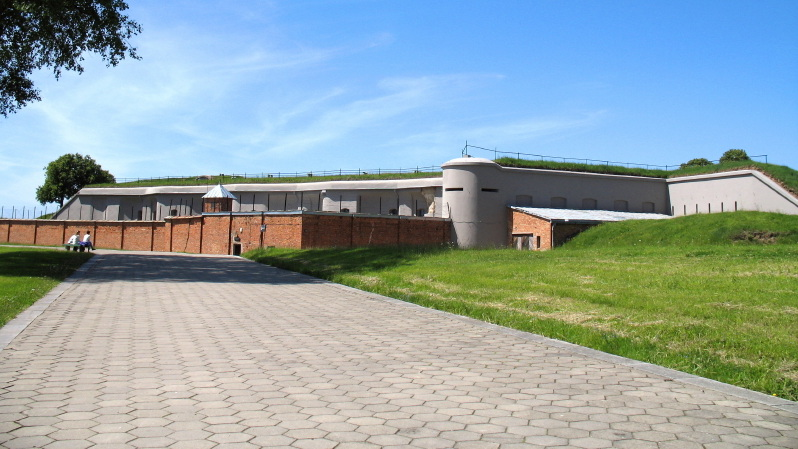
Eventually, five of the trains – 5000 people – were diverted to Kaunus in Lithuania. When the train reached the late C19 fortification on the outskirts of the city, the train was emptied and the SS shot everyone.
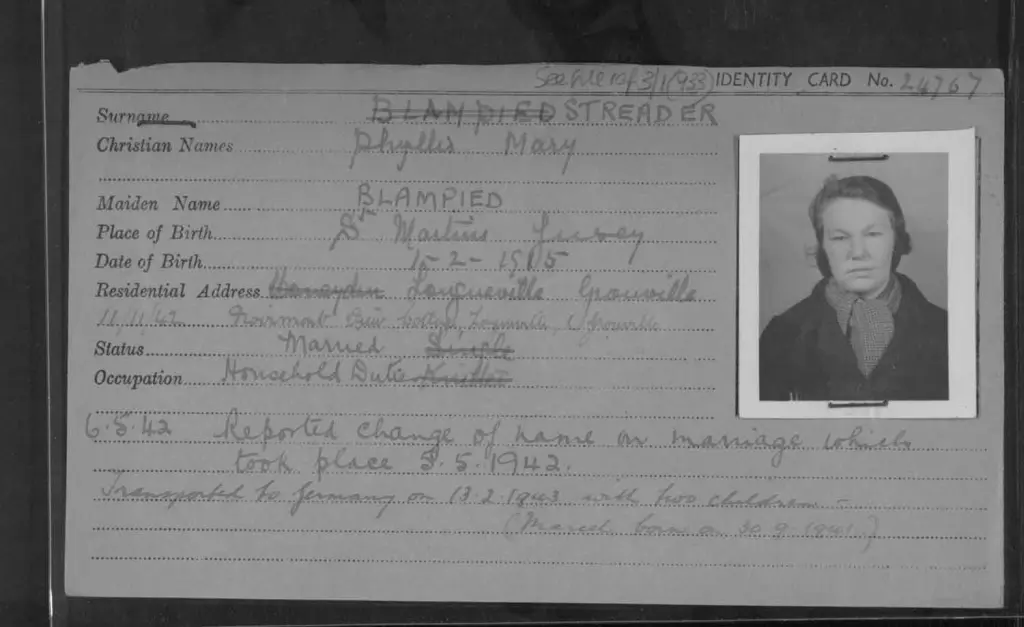
Mum has a third cousin, Dorothy, last known in Nottingham about 20 years ago. The picture is her mother’s wartime registration card showing that she was married in Jersey in 1942. It also shows that she was transported to Germany in 1943 with two children.
Phyllis Blampied Streader’s Registration Card
Hitler had ordered the first batch of over 5000 mainland-British-born deportations and their families in 1941 as reprisal for Britain holding German ex-pats in Persia. In 1943, 201 more – including Phyllis and her British-born husband Sydney and their daughters Dorothy and Marcia – were deported in reprisal for a commando raid on Sark.
The family were interned at a former Hitler youth summer camp, with a view of the Bavarian alps, at Biberach an der Riß. Conditions were overcrowded and unsanitary, and twenty died of disease, including – in October 1944 Sydney and, just before Christmas, Marcia. The camp was liberated on St George’s Day, 1945, and the internees flown to England in May. Phyllis died in Sheffield in July 1945. Dorothy was seven years old.
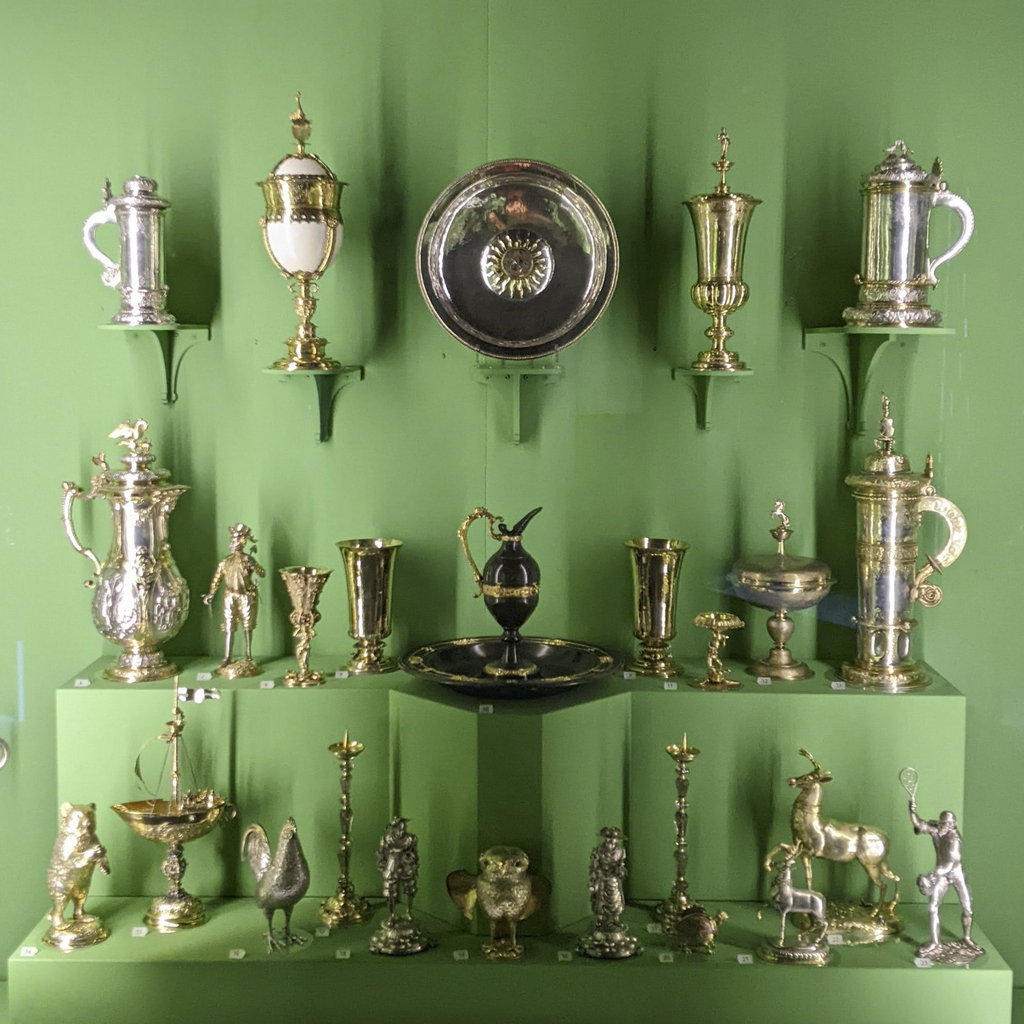
Update on Family Tree Post #11. I finally saw the family gold at the Ashmolean. A small room full of gold things, and a big room full of silver things, bequeathed by cousin Michael Wellby.
Wellby Gold at the Ashmolean
Michael was a descendant of the wife of James Larard the clockmaker (post 35), whose family made the Dunkirk little ship (post 17). Harriett’s sister Charlotte married George Burrows, an officer in the Court of Chancery, Westminster Hall, and they lived close to the Larards in Kennington.
Their son George was a provisions merchant in Norwood, Croydon, moving in the 1880s to Ladywood, the Orpington mansion pictured in post 40. I’ve found that George had premises by Holburn Viaduct, near an early Nestlé depot, and owned the brewery in St Mary Cray. In 1901, he was at 211 Piccadilly. Their daughter Alice met and married diamond merchant Edward Wellby in Orpington. Edward was also a director of the hallmarked family silver dealers, and a neighbour when at his 9 bedroom country house, Crofton Hurst. In 1939, their son Hubert is listed as an antique silver dealer in Eton. Edward left £152k when he died the following year (around £9m today).
[At the age of eighteen, Hubert’s son Michael took a part-time job in the family business] where he acquired a lasting passion for the beauty and craftsmanship of early silver. He opened his own shop in Grafton Street in the 1960s, specialising in German silver of the sixteenth and seventeenth centuries, in which he became an acknowledged expert. Both at auctions in London and on trips to the continent with his wife, Joy, he made many discoveries and acquired many rarities. Several of these were sold through the shop but a few exceptional pieces were added to the personal collection which has now been bequeathed to the Ashmolean.
Artdaily
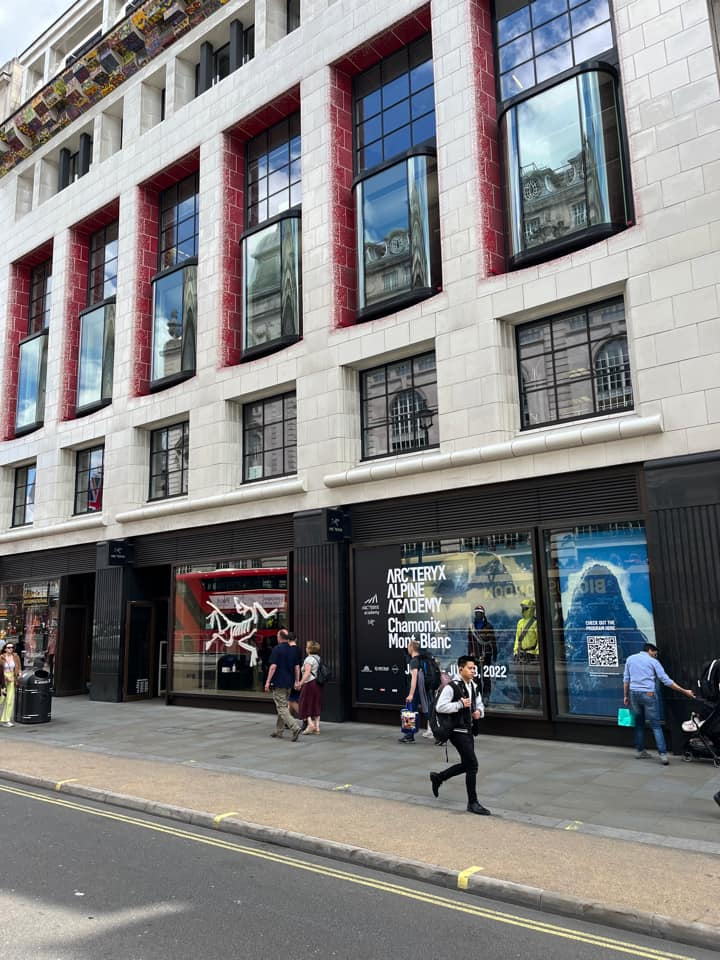
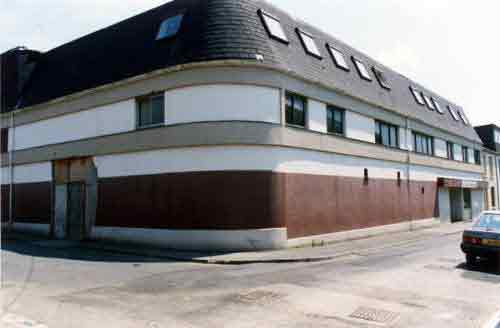
Update: my friend James Sallis sent this pic of 22 Piccadilly today (2022).
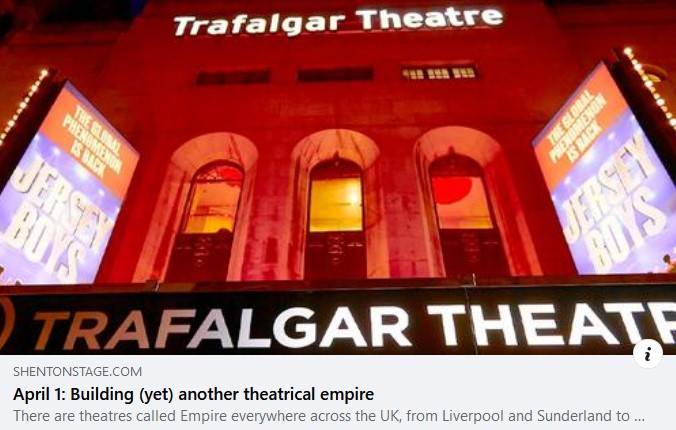
The (national, paywall, unmentionable) paper says that mum’s 2nd cousin (daughter of Donald Squire) has bought both Swindon theatres, amongst others (technically the operating co, I think). What a shame I don’t know her!
Best of luck to her in saving regional theatre, anyway. A dame (a real one, not a panto one) in shining armour.
“By this time next year, hopefully we’ll be back to the good old days,” she is quoted as saying.
Facebook post #062 and last of the original ‘lockdown project’ set (Mar 2021)
You will want a cuppa for this one.
Forget what you know – it wasn’t like that.
“It was not the British government that began seizing great chunks of India in the mid-eighteenth century, but a dangerously unregulated private company headquartered in one small office, five windows wide, in [Leadenhall St] London, and managed in India by a violent, utterly ruthless and intermittently mentally unstable corporate predator… The [East India] company had been authorised by its founding charter to ‘wage war’ and had been using violence to gain its ends since it boarded and captured a Portuguese vessel on its maiden voyage in 1602… By 1803, when its army had grown to nearly 200,000 men it had swiftly subdued or directly seized an entire sub-continent.” [William Dalrymple.]
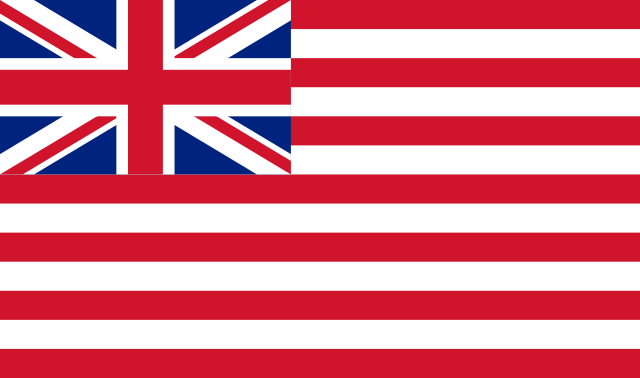
EIC Flag
The EIC was not finally nationalised until 1858, by which time it had directly killed 300,000 Indians, half starved the population and crumpled the economy – the price of a cup of tea.
And the English gentlemen of the Raj? Step forward the ancestors: César Dupont, of Grenoble; Alexander McDicken of Glasgow; Thomas O’Leary; Donald MacDonald; James Bolton of Tipperary, Ireland; James Radley Hogan born to a Tipperary family in London. And yes, Samuel Crump of Middlesex; John Beale of Worcestershire and Warwickshire; and William Lewtey of Nottingham. It has been said that there were never more than 2000 white Britons in India (with 40,000 British soldiers in 1857).
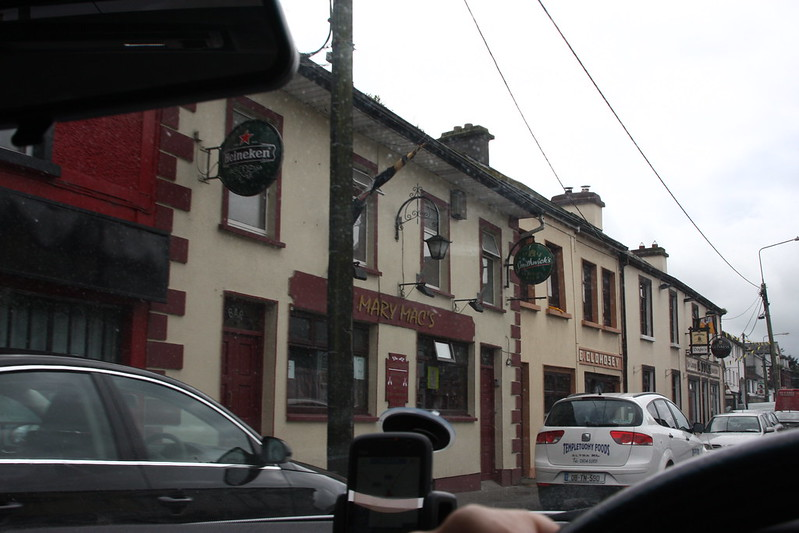
Tipperary, 2009
James Bolton enlisted with the 11th Light Dragoons while it was in Ireland, and – at the tender age 16 – promptly deployed to reinforce Wellington’s army in the Peninsular Wars in Spain and Portugal. Then they were at the Battle of Waterloo, eventually bivouacked victorious on the Champs Elysees. In 1819, they were stationed at Cawnpore, India (the ‘Manchester of the East’), and were at the Siege of Bhurtpore in 1825. Three years later, in Allahabad, he married Mary Anne Blaney, who was probably Irish or Irish-Indian. By 1831, James had had two children, and died, aged 36.
Next up, Donald. Sadly, I haven’t yet managed to connect him to the 1100 years of documented Clan Donald history… He was probably a military man, born in Varanasi in 1795: his son Robert was a Gunner at the time of his marriage to James Bolton’s daughter Matilda in Calcutta in 1844. Their daughter, Lucy was born in the North West Frontier (now in Pakistan).
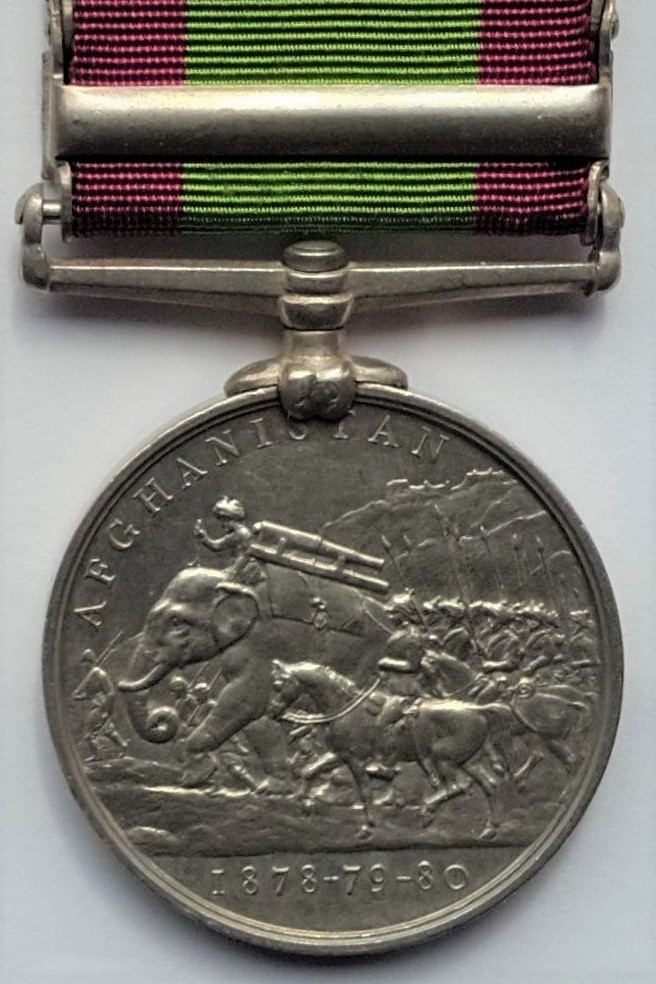
William Lewtey had also enlisted. When he died in 1854 – in the North West Frontier, at age 36, he was a Sergeant Major. He was awarded a medal for service in the Second Afghan War. He had married Elizabeth Hogan in Calcutta in 1842. She was born there in 1796, only three years after the East India company abolished Nizamat (local rule), and assumed full sovereignty of the region. Under the company rule, and later under the British Raj, Calcutta served as the capital of British-held territories in India until 1911.
Afghan War Memorial, ReadingAfghan War Medal
Elizabeth’s father had been James Radley Hogan. He was a Corporal with the Royal Scots in Trinchinopoly, Madras in 1820, and a Gunner with the 2nd Battalion Artillery in Bangalore (400km north), when he died 12 years later, at age 29. It may have been this James Hogan who, in 1819, was transported from London for life for stealing a handkerchief! He would have hoped to commute the sentence to a period of service with the EIC… William and Elizabeth’s son, William Henry Lewtey, was born 1000km NW of Calcutta, in Cawnpore.
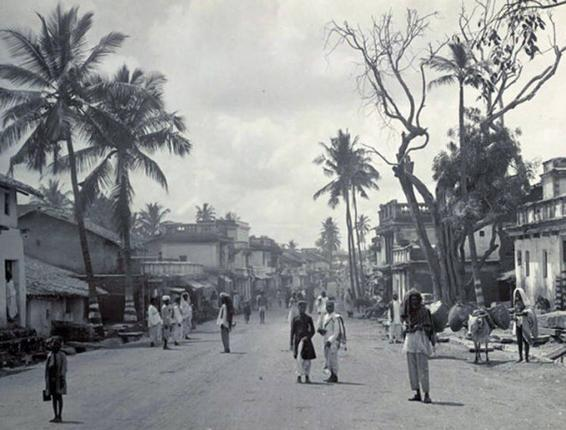
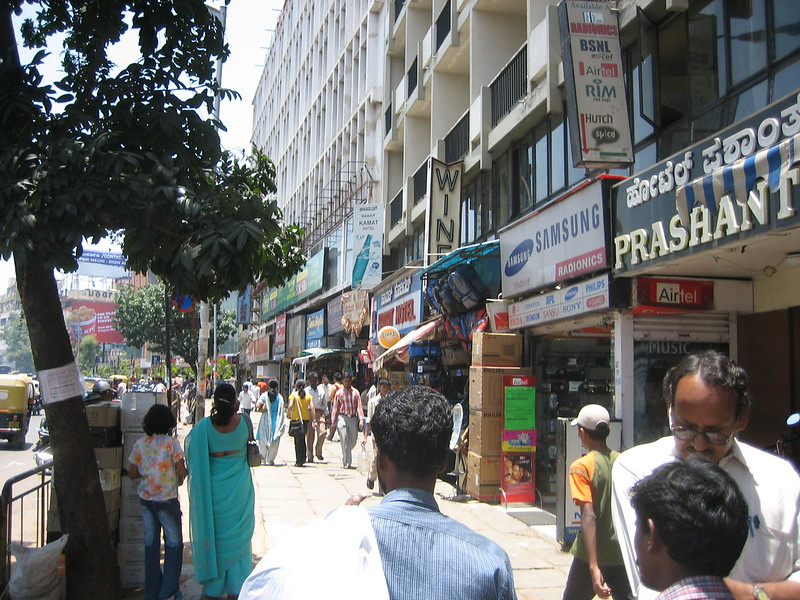
Bangalore, 1890sBangalore, 2008
John Beale entered service as an Apothecary with the EIC’s European Bengal Army in 1817, and was with the 59th Foot in Fort William, Calcutta in 1818. “The apothecaries are charged with the preparation and administration of medicines, the care of wounds, accidents, and injuries, during the intervals of the visits of the surgeons, the admission of patients, and, in fact, are the general assistants of the medical officers in the performance of their professional duties in the field, in garrison, and in all the circumstances in which the troops are employed.” (more on the blog). Fort William was built to protect the city. The Black Hole of Calcutta was a dungeon there in 1756, when the Fort was briefly lost.
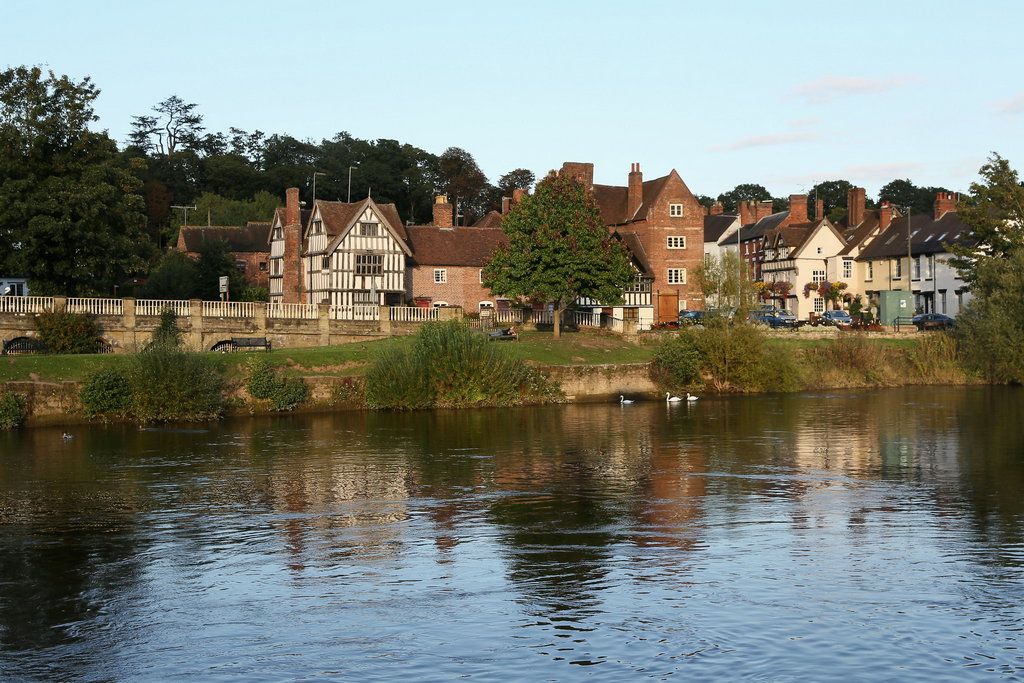
Mary Curley was likely also to have been from Bewdley, Worcestershire. (Apparently, Curley equates to the Irish Mac Thoirdealbhoigh – son of a man in the shape of Thor!). There is a Beale’s corner by the River Severn in Bewdley to this day. John and Mary married in Cawnpore in 1825, where their son Alfred Lionel was born in 1831. It was as well that they moved on, initially to the Police Hospital in Calcutta. In the year that John died in Chunar – 1876 – the Indian Rebellion came to Cawnpore, and nine apothecaries were killed.
Beale’s Corner, Bewdley
Alfred managed to land himself a clerical job – many were reserved for Anglo-Indians – but there was a strict ceiling on how high he could be promoted. He would have fitted in neither with the white nor the Asian community, and would have had a social requirement to keep up the appearances of the former with the means of the latter. By the time he married Jane Cotton in 1855, he was an accountant in a prison, 3200 km away in Moulmein (Burma). At one point, he was a 5th grade (Extra) Assistant Commissioner, possibly a travelling magistrate.
Jane’s father, Frederick, was a Clerk to the Commissioner and had the admirable brass neck to present Jane for baptism along with her sister Jeanette, who had been born a month earlier. Both are described as ‘base’ daughters, i.e. illegitimate. Jane seems to have been brought up by a step-mother, Hannah Fox, an “Indo Britain” (sic), who married Frederick when Jane was about eight. Hannah died at age 30, Frederick at 52.
Alfred and Jane had two children before they were married, and seven later children. The first of these, born seven months after they were married, was our Arthur (or Alfred) Curley Beale – my grandmother remembered he was known as ‘Curley’. Alfred snr made it to 59.
Alexander McDicken enlisted with the 72nd Regiment of Foot, which was deployed to India in 1782. His son Hugh was born in Secunderabad in 1803. Thomas O’Leary was a Sergeant Major with the 5th Native Cavalry, implying that he was of mixed race. He had two daughters by a woman with perhaps an Asian name, ‘Yaramah’. Hugh married Thomas’s daughter Ellen in 1824 in Bangalore. Hugh was a Gunner with the Horse Brigade when he died, aged 39. His widow lived until the ripe old age of 55.
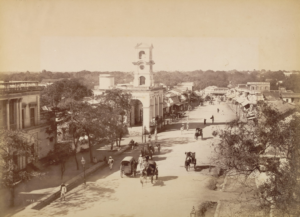
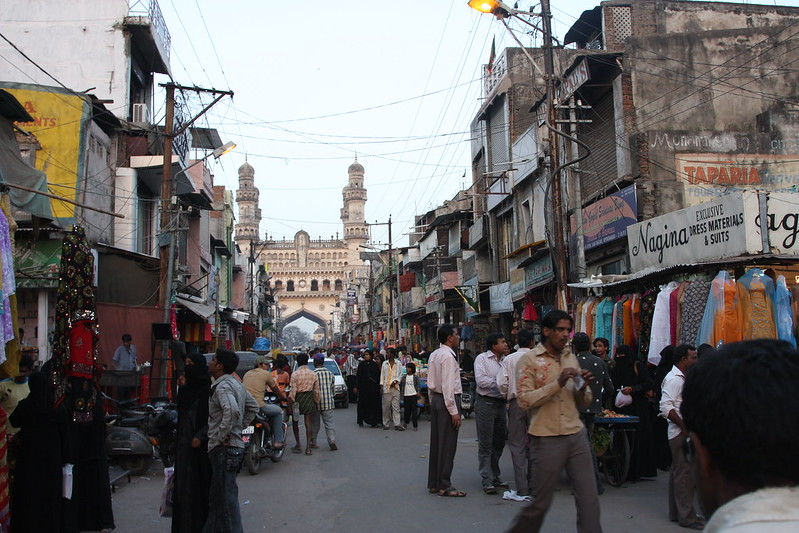
Secunderabad, 1880Hyderabad, 2008
Next up, the Dupont family. Their most illustrious member was the Pierre who switched sides during the French Revolution, defended Marie Antoinette from the mob, escaped execution when Robespierre was killed, fled to America. There he founded one of the United States’ most successful and wealthiest business dynasties. Roosevelt married one of them. Our César, like other Huguenots in the family, fled mainland Europe for England. His son was the virulently anti-Catholic Vicar of Aysgarth and chaplain to the Chancellor of Lancaster (more on the blog). His son, John Dupont, was born in Wensleydale in 1740. He married Susanna Leonora D’Veer in India. She died of a ‘mortification’ when she was 24.
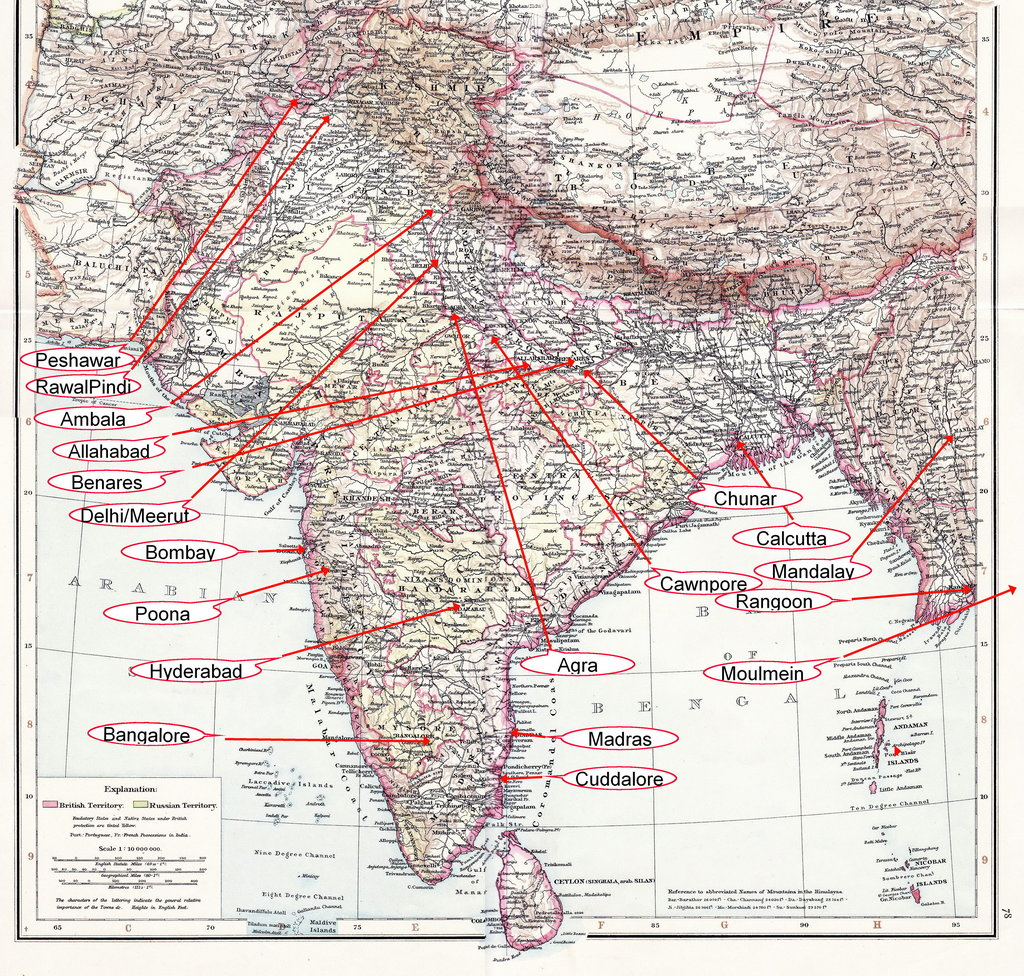
Despite surrendering a fort during the Siege of Arcot when “the Nabob’s people refused to fight”, John was promoted to Lt-Colonel and was commandant of Fort St David, the second centre of British power in southern India, until his death in 1807. Fort St David is where Clive of India – the aforementioned unstable predator – met his wife. She was from Swindon, of course. (There is more on the blog about all these places – see also map below.)
Map of British India
John and Susanna’s second daughter, Elizabeth, married Lieutenant George Crump’s son in Cuddalore, now in Tamil Nadu. Their son, George Samuel, married Ann Matilda Holland in Calcutta in 1828. Their son George Theophilus married Alexander McDicken’s daughter Agnes in 1851 at Fort St George, Madras. George S died of liver failure in 1873, aged 45. George T also died at age 45 – Agnes went first, so lived no longer than 37. Both the Duponts and the Crumps have monumental tombs.
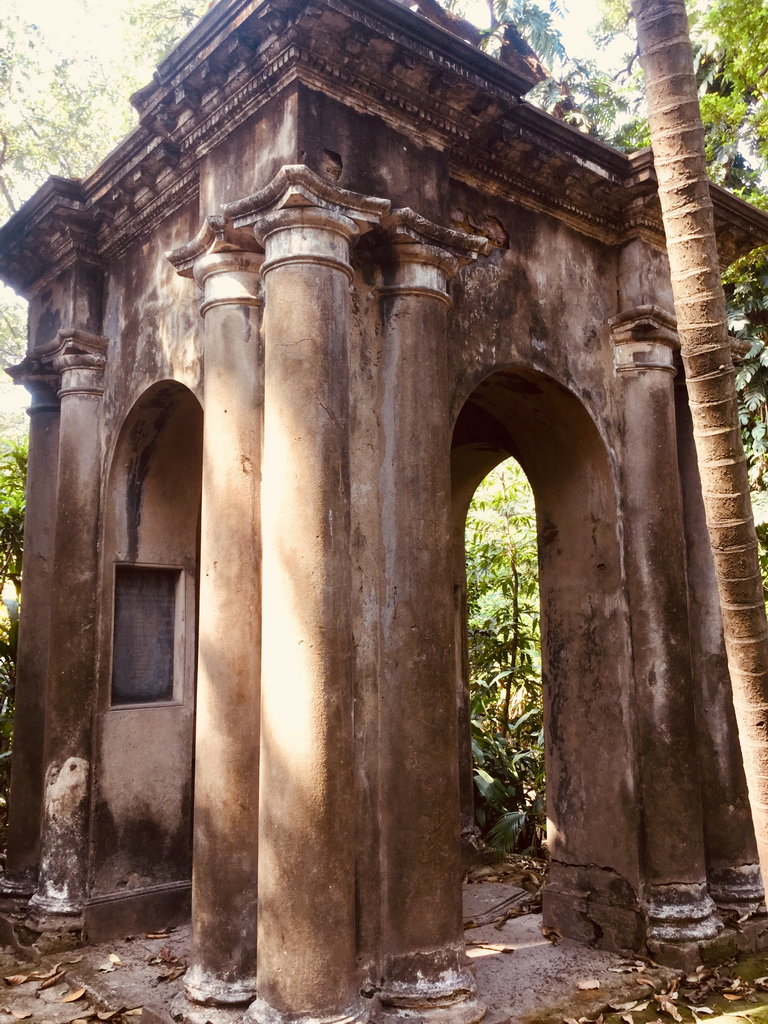
Crump Tomb
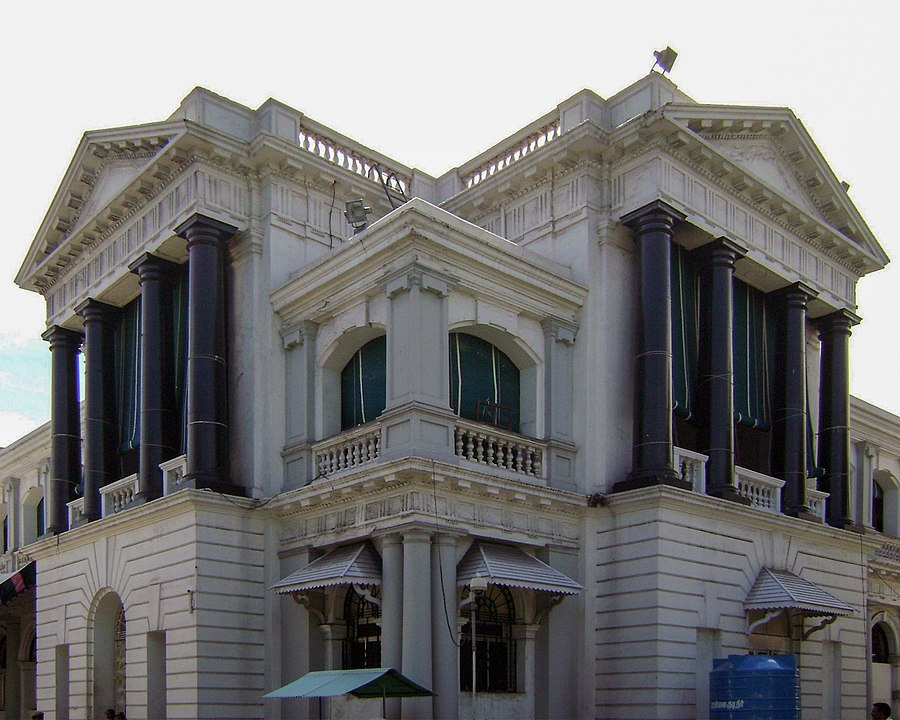
Fort St George was where it all started in 1640, the first significant British settlement in India, built to secure the EIC’s interests in the spice trade. It was known as White Town (where the white people lived). The surrounding Black Town became Madras, capital of southern British India – it’s now Chennai, capital of Tamil Nadu.
Fort St George
George T Crump was described on his death certificate as a government pensioner. He left a detailed and god-fearing will, stipulating how his house and worldly goods should be disposed of (mostly to the church, as his family had “behaved very shamefully negligent” towards him). The neatly written text is underlined when he stipulates that his dogs should be given to those who desire to have them but they may not be destroyed or brutally turned out of doors. Likewise, his black milk cow was on no account to be sold to a Musselman or butcher but rather to a Hindoo man or woman!
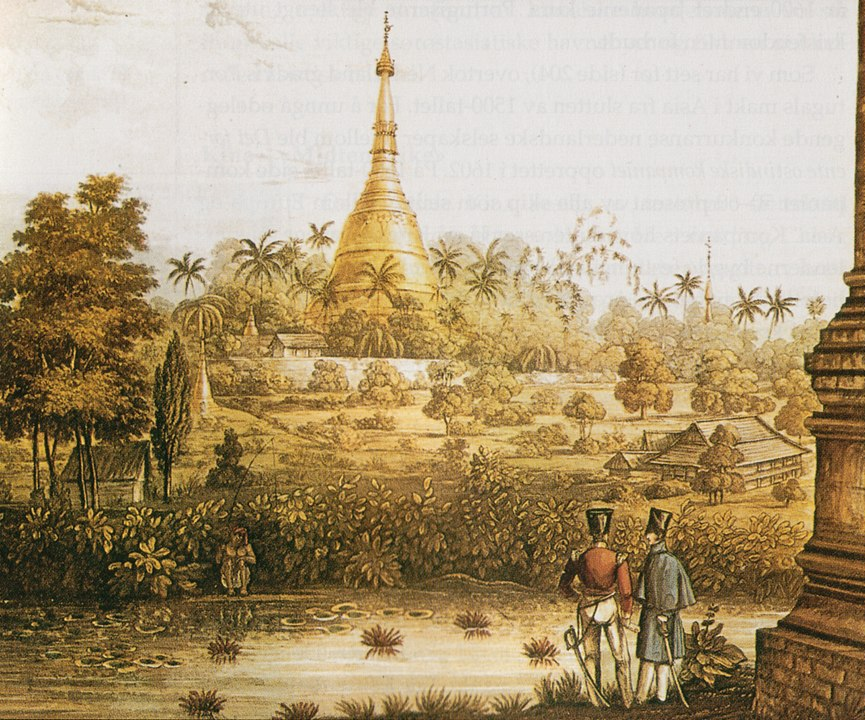
Shwedagon Pagoda, Rangoon
His daughter, Florence Eleanor Crump married Curley Beale in 1878, in Rangoon, and died 12 years later, aged 30. Curley had a clerical job like his father. Rangoon compared favourably with London for its civic conditions at the time. William Henry Lewtey joined the British Indian Army as an Apothecary in 1863, and married Lucy MacDonald at the Sanawar/Kasauli Hill Station (300km north of Delhi, in the lower Himalayas) in 1869. He was an assistant surgeon in Rawalpindi (now Pakistan) and moved to Meerut only a few years after the Indian Rebellion started there, and then on to Burma.
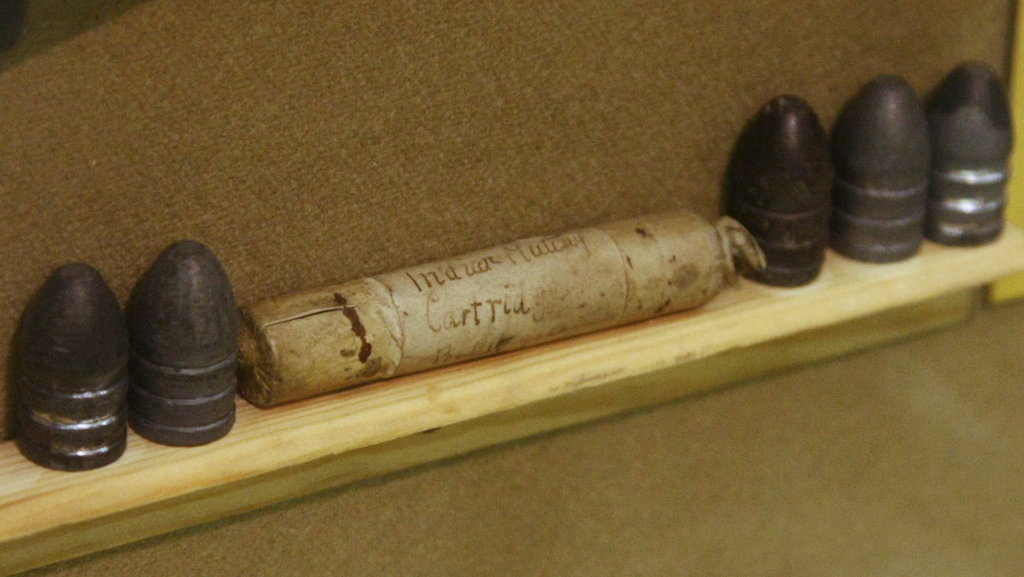
An offending cartridge from the “Indian Mutiny”
These were my grandmother’s four grandparents. George Lewtey met Olive Beale in Rangoon, and they married there in 1909. I told their tale into WWII in post 29.
“Are you White British?” I was asked when I had my Coronavirus jab last week (“More or less”). Perhaps, as well as ‘English’ and ‘European’, I could have written ‘One Quarter Anglo-Indian’ on my census form.
My magazine editor cousin, Tina Gaudoin, has written movingly in The Times about her reconnexion with Burma, stemming from the “Why does your dad always have a suntan?” question in her Norfolk playground (Google it). For me, like so many, that is not going to happen. I have exchanged letters and emails with people in America and Australia who remember India, but most of them are no longer with us, including one relative who had been posted to Swindon in WWII. I have now started to connect online with genetic relatives, so I really am part Hogan, and part O’Leary, and so on.
But the Anglo-Indian community, once strong, has been scattered to the four winds, and assimilated on every continent. Such is the fragility of identity. And so ends my last instalment.
My gt-gt-grandfather, Moses Le Brun, is 21 and working for the family business. His sister Lydia is 11, and a scholar. There was no college for girls, but Lydia would be lucky – the family would fund her to complete her education at the Sorbonne in Paris. This was partly achieved by her elder sisters taking in ironing. The Sorbonne looks like it may have been quite austere at the time, but Lydia apparently took an interest in the Parisian impressionist painting of the time.
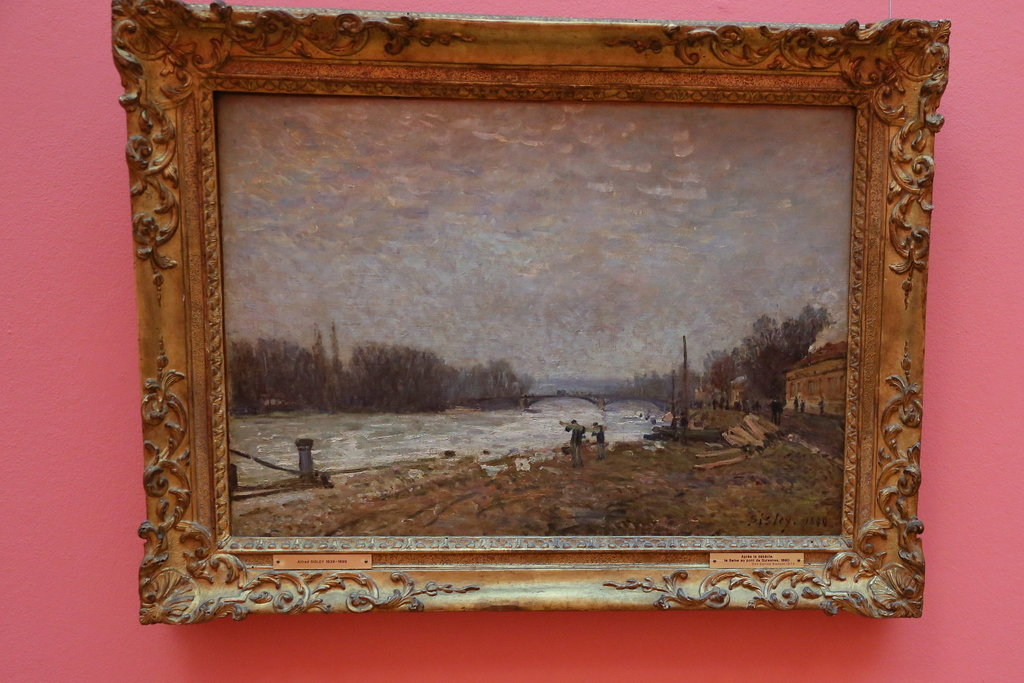
Sisley – Après la débâcle, la Seine au pont de Suresnes (1880)
By the next census, in 1881, Lydia was back at home, and a schoolmistress.
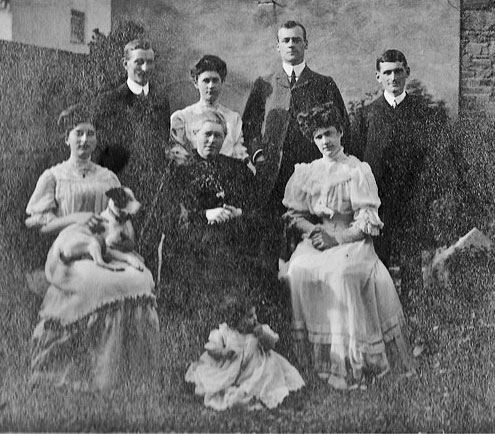
Elsie and he Le Brun Family, 1908
Ten years on, the family were at Zelzah House (still standing), where Lydia had founded her own school. Apparently, “she was very strict and not above using corporal punishment, but was interested in bringing the latest methods of education, including exercising with dumbbells.” Several of the family attended the school, including her niece, daughter of Esther (posts 59 and 60) and my gt-gran Elsie.
Elsie was also lucky in being allowed to complete her education – it was more easily afforded by this time. Antoinette recalls that she was “very gifted and went to London University, at the time of the suffragettes. Elsie was my great aunt and recounted that she studied English with one of the WWI poets.” So, UCL was the first British university to admit women on fully equal terms to men (except in Medicine) but it was still relatively unusual for women to be admitted before WWI.
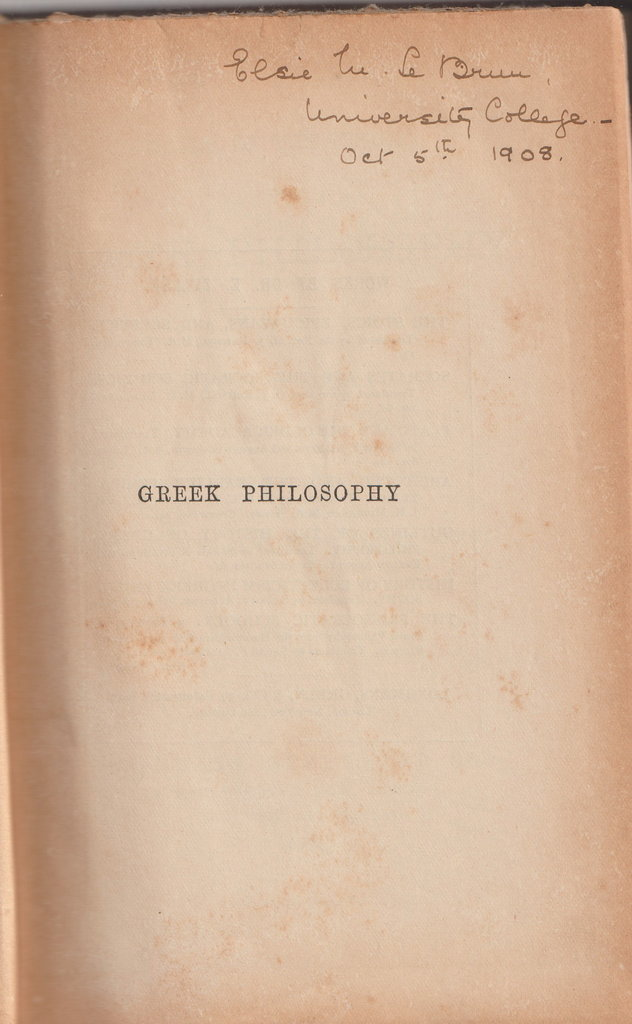
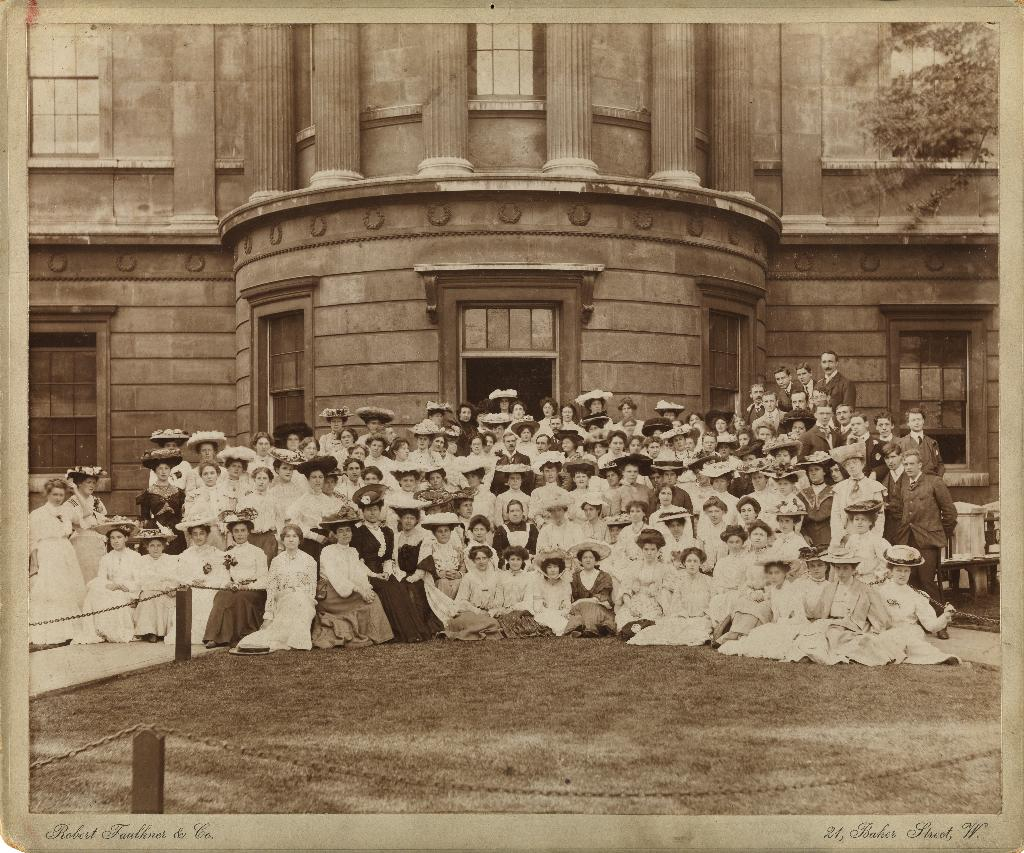
After I’d been digging around for the blog, I happened upon a philosophy textbook of Elsie’s dated October 1908, which confirms that she was there. The best known war poet from UCL was Isaac Rosenberg, who studied at The Slade School of Fine Art, which was known for its acceptance of female students (and for its Francophilia). I found a contemporary picture showing plenty of respectable young ladies! I reckon that it the School probably offered some interdisciplinary study then – as it does now. Including English and Philosophy alongside Fine Arts seems reasonable.
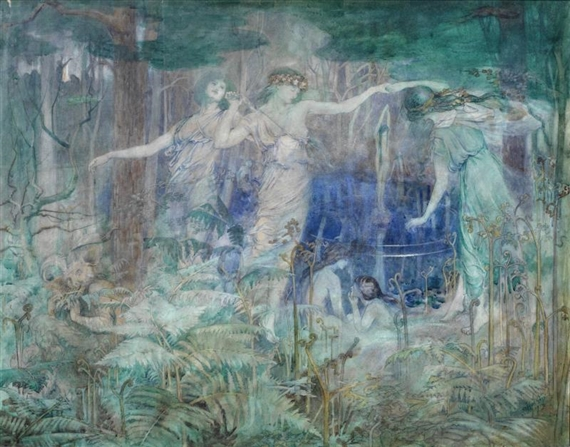
The School also has a history of producing suffragettes, including Mary Lowndes, Ernestine Mills and Georgina Brackenbury. Olive Hockin was there at the same time as Elsie.
Pan! Pan! O Pan!Bring Back thy Reign Again Upon the Earth, 1914 by Olive Leared
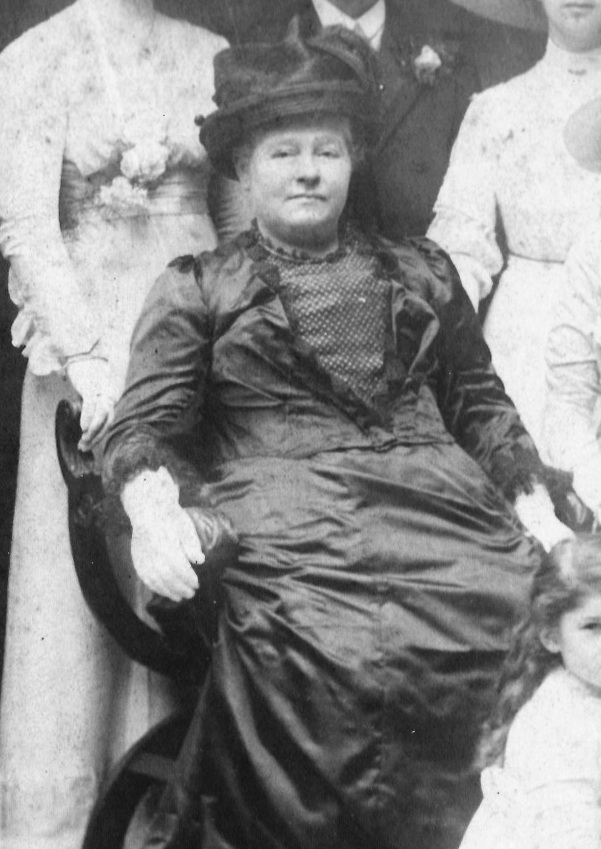
The Women’s Social and Political Union (WSPU) was founded in 1903, the year in which Elsie turned 18. Two years later, they convinced the Liberal MP Bamford Slack to introduce a women’s suffrage bill: the publicity spurred rapid expansion of the group. In June 1908, the WSPU deployed its new purple, white, and green campaigning colours at its 300,000-strong “Women’s Sunday” rally in Hyde Park. Perhaps Elsie was there. Certainly, there were strong women in the family – including her mother with whom she is pictured below in the same year. Certainly the women were cross that they couldn’t be properly educated in Jersey.
Amongst whatever other excitement Elsie may have experienced in London, she somehow met my gt-grandad, Alfred. I don’t think he went to university (he was a clerk in 1901, and a manager in 1911). They married in St Helier on 12 June 1913 (pic).
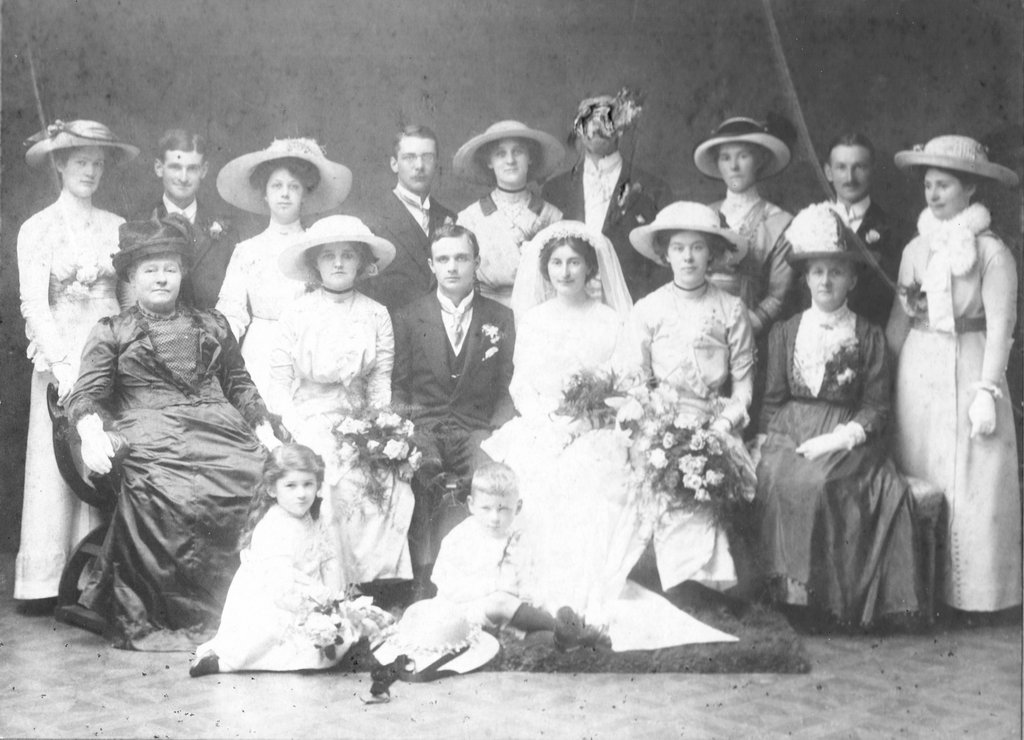
Alfred and Elsie Squire’s Wedding
Isaac Rosenberg was killed on night patrol in France in Spring 1918. Shortly before, he penned:
Through these pale cold days What dark faces burn Out of three thousand years, And their wild eyes yearn, While underneath their brows Like waifs their spirits grope For the pools of Hebron again—For Lebanon’s summer slope. They leave these blond still days In dust behind their tread They see with living eyes How long they have been dead.
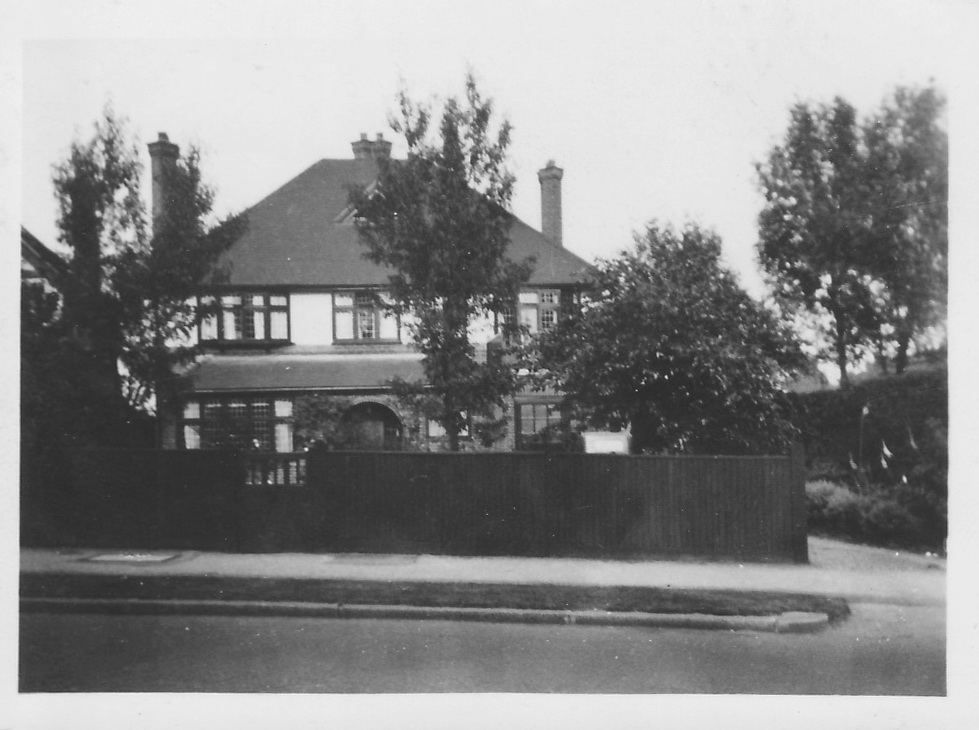
Alfred and Elsie settled in Esher, Surrey and named the family home after Rozel in Jersey.
Rozel, Esher
They got to experience the trip of a lifetime together on the RMS Queen Mary (post #058). Alfred died during WWII, but Elsie lived until 1970, and I have a faint memory of meeting her.
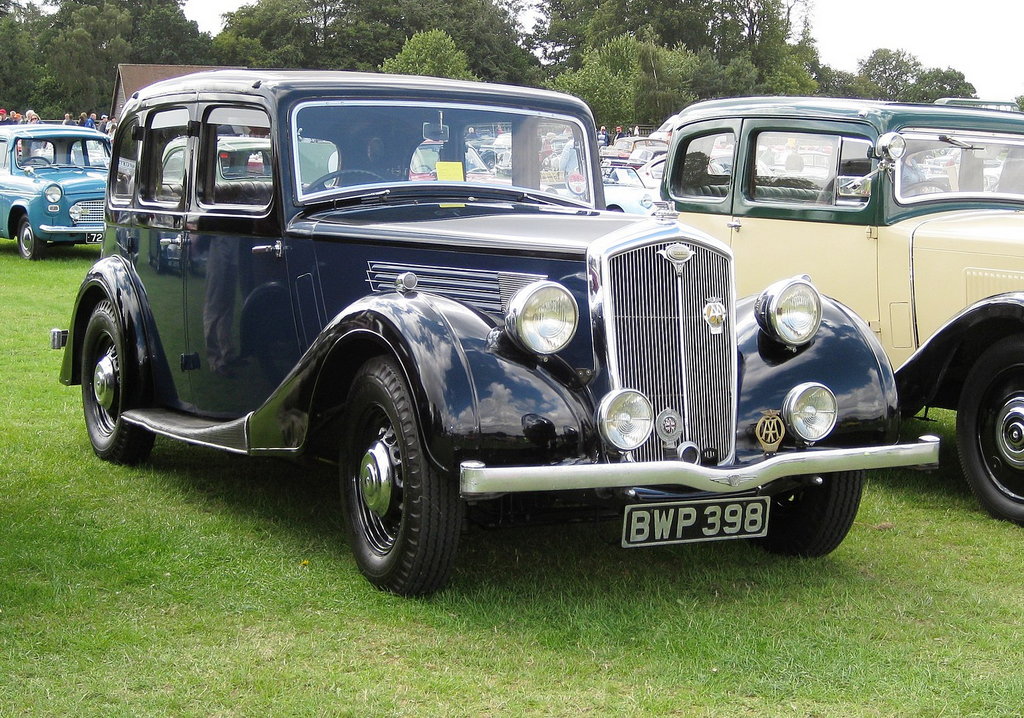
Mum tells me that she played at Clare Hill Golf Club at the end of the road. On at least one occasion, she won, and brought home an engraved plate as a trophy. She had a housekeeper for company, whose brother sometimes drove Elsie around in her big, old Wolseley (of the type pictured). She sometimes drove herself, too, and she still had the car when she died, when it would have been thirty years old. So that’s where I get it from…
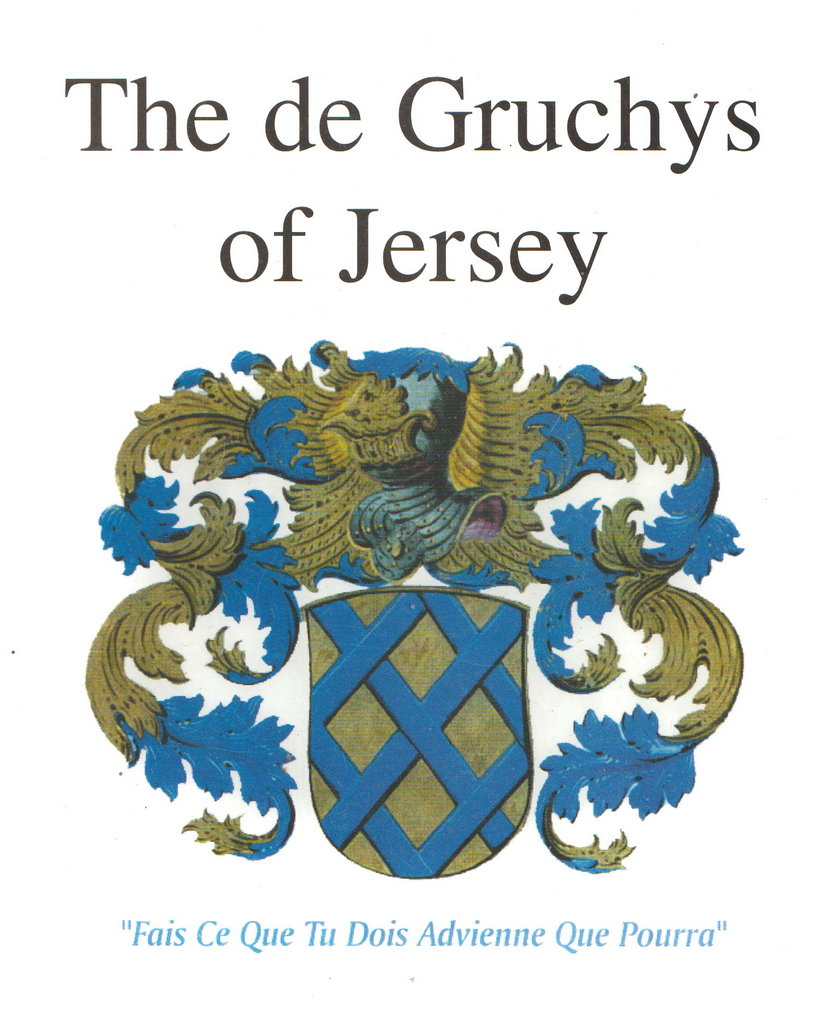
Nicolas and Guillaume de Grouchy ride off on the First Crusade. They will be present at the fall of Jerusalem. By tradition, their descendants held fief at Rozel, Jersey. We know for sure that Guillaume de Gruchy (b. 1284) came to the island after the French conquest of Normandy.
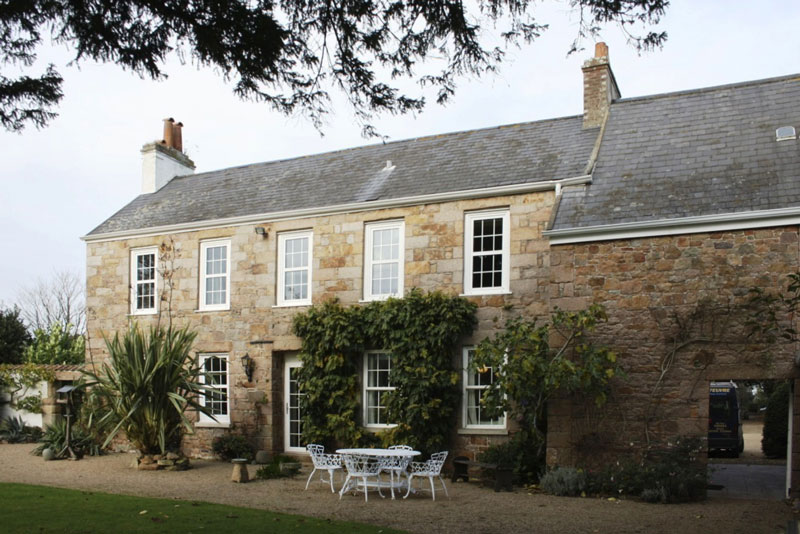
Our Le Brun family wasted money claiming ancestral lands in Brittany, and it turns out that our de Gruchy family from Normandy were no less litigious. And very handy too have the court records been for the Channel Islands Family History Society. The de Gruchy family was based at La Chasse, a courthouse/farmhouse in the Trinity parish from 1362 to 1847. The house still exists – close to Gerald Durrell’s zoo – but it was remodelled when it was sold.
La Chasse, Trinity, Jersey
However, our branch only inherited the property through ten generations. Wives came from the Larbalastier, Poingdestre, Nicole, Hamptonne, and Hubert families. It was Noé (d. 1668), a (litigious) bone-setter who was the first not to live at La Chasse but he, and the next four generations, stayed close by in the parish of Trinity. Wives were from the Grossier, Le Quesne, Fiffard, Esnouf and Remon families.
Finally Helier, in 1777, was born outside Trinity! He married Anne Mauger, and their son Philippe (1804) was the first to appear in the census. By 1851, he and his wife Marie Coutanche, were a mariner and dressmaker respectively. Their elder son, Jean Philippe (1837) was apprenticed to a shipwright from age 13. He married Esther Deslandes in 1858, by which time he was a ship’s carpenter. Their first born was my gt-gt-grandmother, Esther Elisabeth, who would grow into the formidable baker we met in post #059.
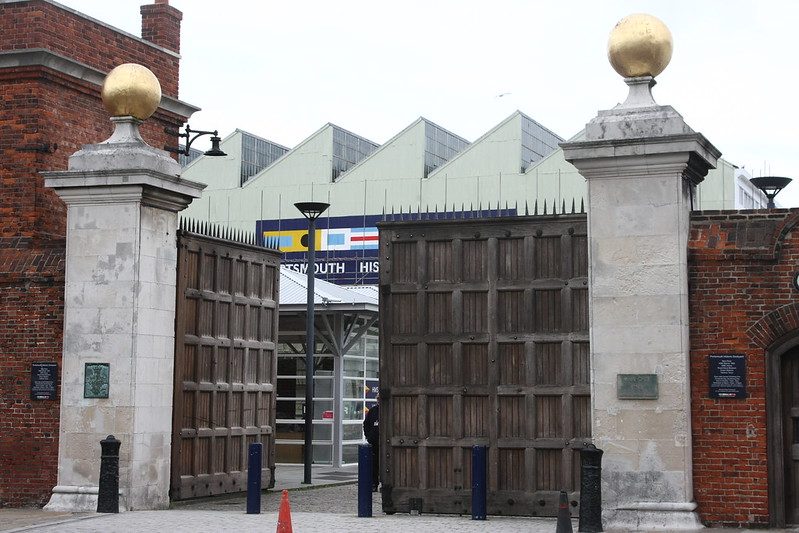
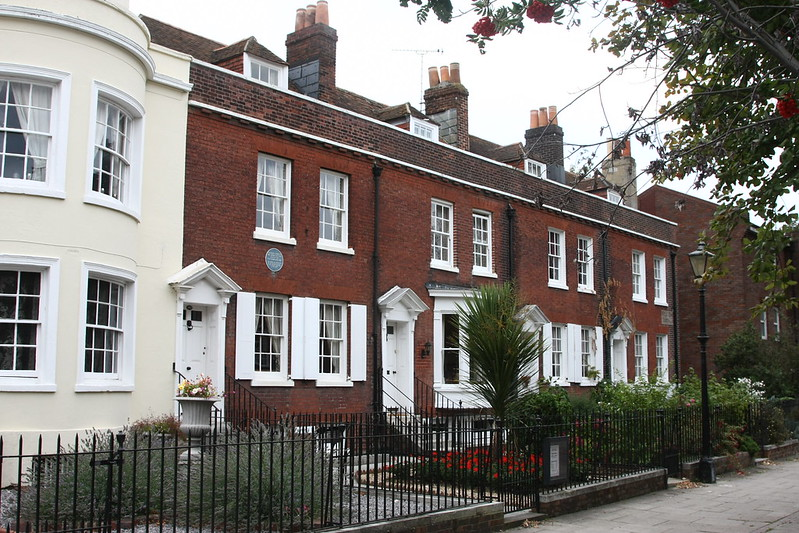
Then the family abruptly dropped out of Jersey history… Esther Elisabeth’s marriage having been on Portsea Island provided the clue. It turns out that Jean Philippe – now “John P De Gruchy” – had moved to Portsmouth to work in the Royal Naval Dockyard, the biggest industrial site in the world at the time. The youngest child, Ada, was born half a mile from Dicken’s birthplace (my photo), half a year from his death (see post #021).
Dickens Birthplace, Portsmouth
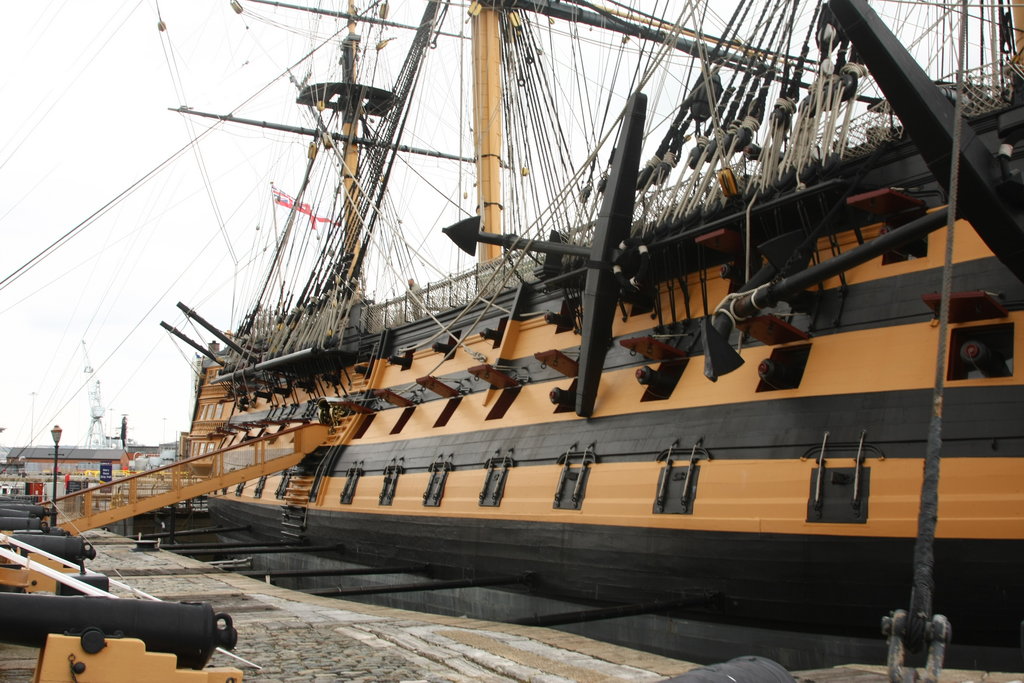
Legend has it that the docks were founded by Richard the Lionheart of Crusades fame. Certainly, the first warship was built in the world’s first dry dock there in 1497, followed by the Mary Rose in 1511. Nelson’s HMS Victory (my photo) was still in active service at Portsmouth in 1831. In 1843, work began on reclamation of land to allow a huge expansion to allow steam ships to be built. By 1860, wooden warships were deemed too vulnerable to and HMS Warrior, Britain’s first iron-hulled battleship was built as the pride of Queen Victoria’s fleet.
Dock, PortsmouthHMS Victory
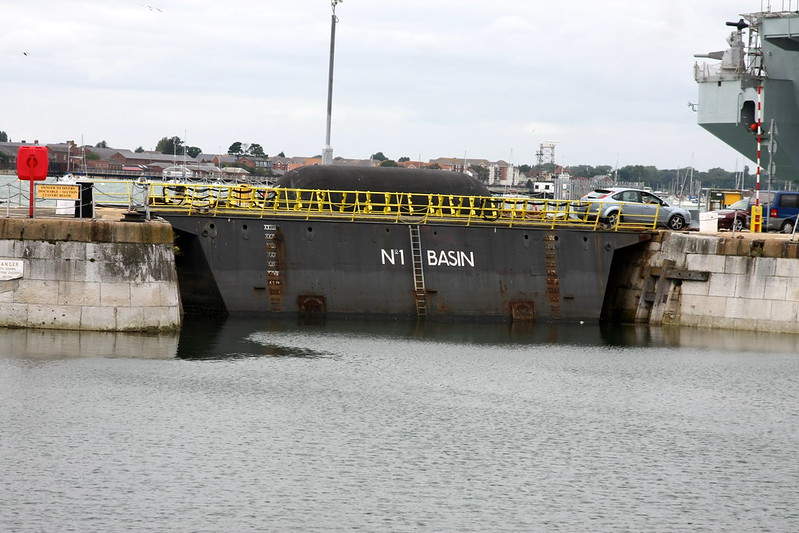
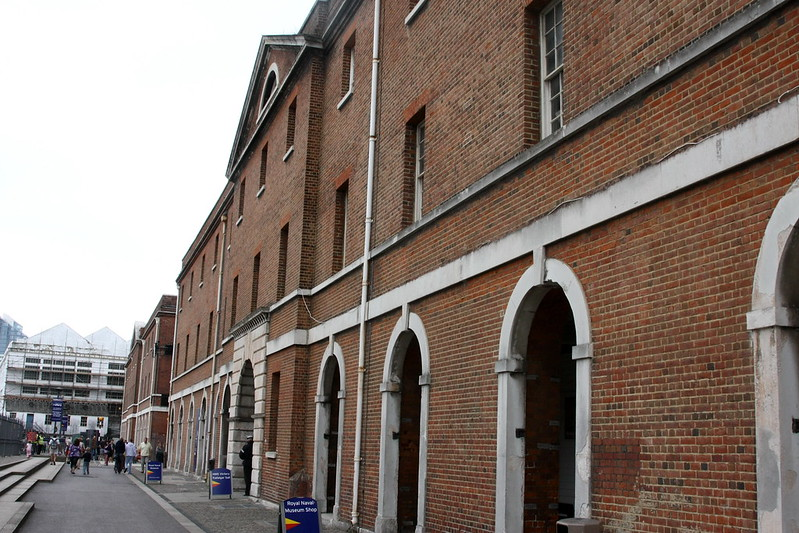
John went over to work in a new complex of interconnected basins (my photo), each of 14–22 acres (5-9 hectare), built for the huge new ships. Each basin served a different purpose: ships would proceed from the repairing basin, to the rigging basin, to the fitting-out basin, and exit from there into a new tidal basin, ready to take on fuel alongside the sizeable coaling wharf there. Many of the associated buildings, which would have been familiar to John are preserved as part of the Historic Dockyard (my photos).
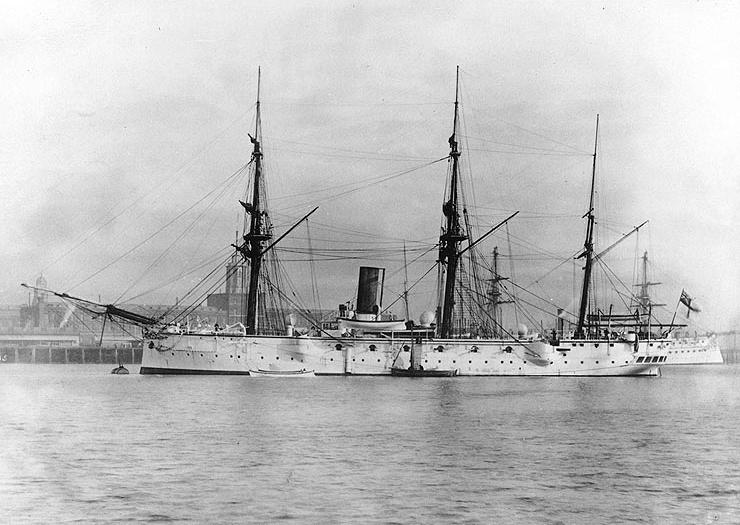
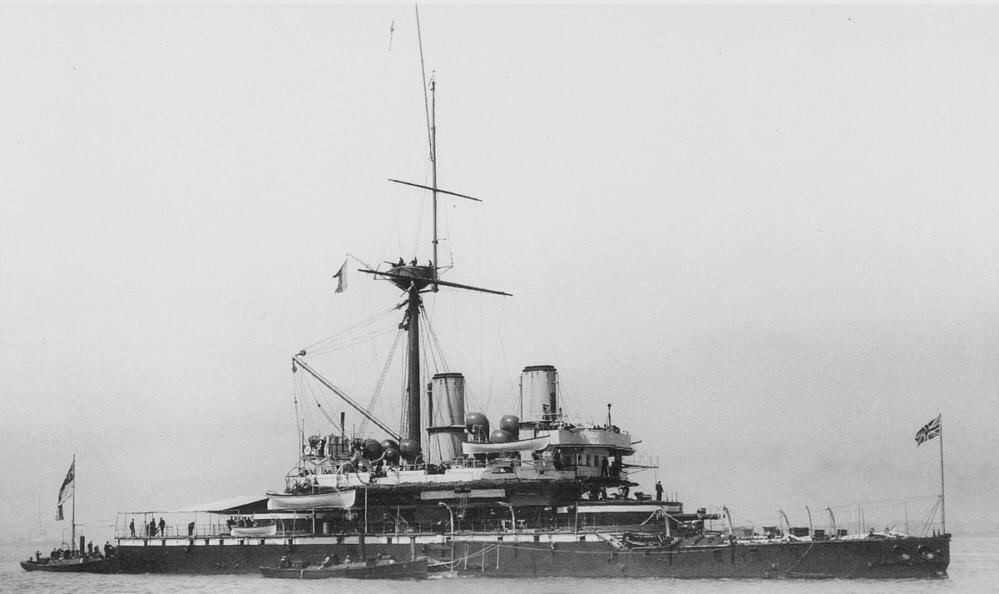
Examples of ships built while John was there show how much things moved on in the late C19. HMS Calliope (1884)(pic) exemplified the late Victorian navy – she was built on the same pattern as earlier wooden ships but had a steel frame; as well as full sail rig, she had a powerful engine. HMS Devastation (1896) was low in the water with masts only for signalling purposes. Her guns were mounted in turrets, and she was armoured with iron plates 12 inches thick.
HMS CalliopeHMS Devastation
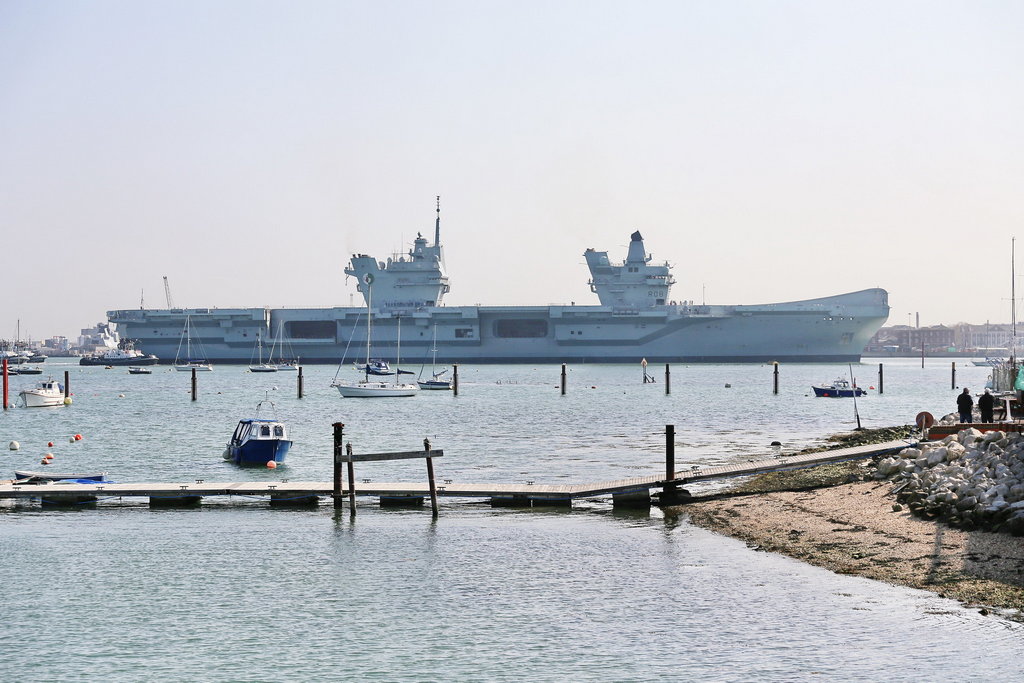
Jean and Esther had retired back to St Helier, close to the bakery, by 1901, so he just missed working on the revolutionary battleship HMS Dreadnought, with her main battery of 12 inch guns. However, many of the ships he would have worked on saw service in WWI. Warship production continued in Portsmouth until the launch of HMS Andromeda in 1967 – she was decommissioned in 2012. I last visited in 2019, to see the new aircraft carrier HMS Queen Elizabeth leaving her new home harbour for the first time (my photo).
1789. La Trinneté, Jèrri (Jersey). A baby girl is born to a father yearning for his own piece of land. He was my 5th gt-grandfather, Moïse Picot: she was named Susanne. A few years later, Susanne watched her father look over that new piece of land, by First Tower, a mile or so from Saint Hélyi town.
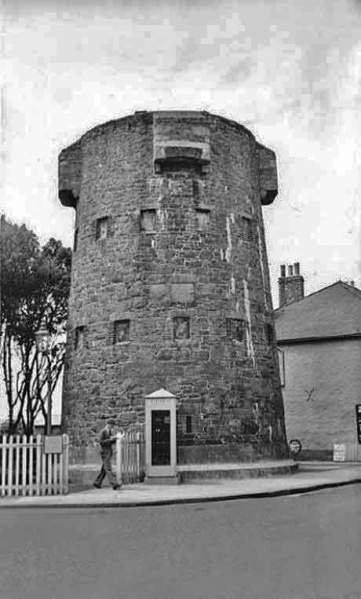
The No. 1 Martello tower had been built ten years earlier to defend St Helier against the French. It hadn’t worked – the French had grown impatient of Jersey pirates threatening the American Revolution. On Old Christmas Day, 6 January 1781, using renegade intelligence, they sailed 30 small boats across the 12 miles of sea into a narrow channel on the SE corner of the island. One or two thousand troops marched the ten miles to town, and took command. The governor ordered surrender, but the English garrison fought on and drove out the invaders. This was the last attempt by France to control the island, (which has also never been part of England, Britain, the UK or the EU).
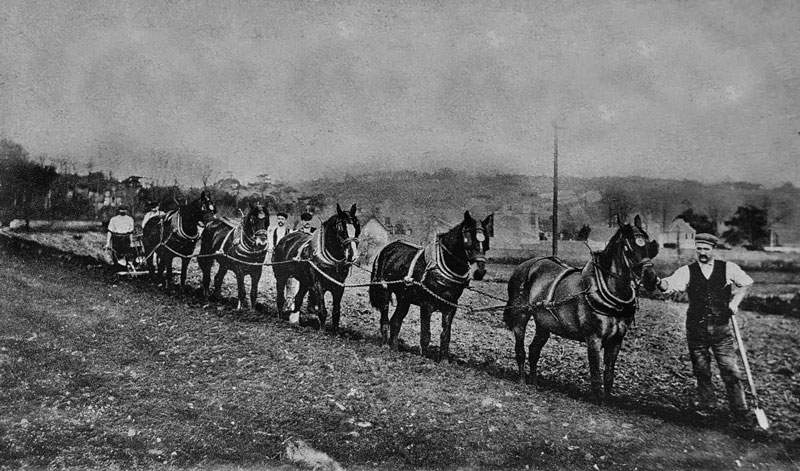
Ploughing at the Le Brun farm in St Laurence, Jersey, c1900
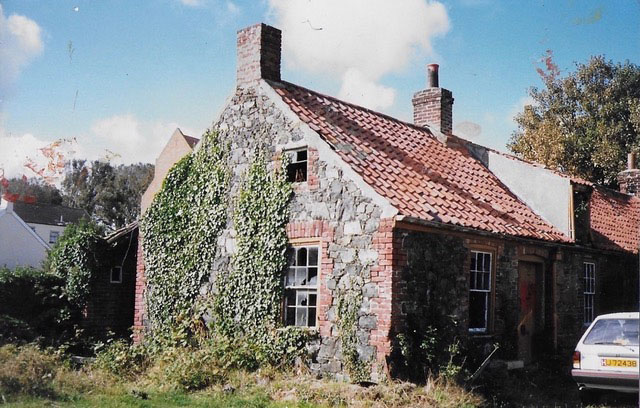
At First Tower, Moïse almost wept at the immensity of the task ahead of him in converting sand dunes into productive land. But he set to work. They lived in Almon Cottage (pic) which stayed in the family until the 1990s. The community was scattered, and nothing could be taken for granted. Bread was made at home, a task which fell to young Susanne. Soon she was making extra, and hawking it around the fishermen’s cottages. In 1808, she married Pierre Le Brun, a shoemaker.
Almon Cottage, Jersey
Since the French débâcle, French names had been going out of fashion, and later records have the couple as Peter and Susan. (This never applied universally, and most street names in town are given in two languages to this day – but the alternative names are not usually synonyms. About two thirds of the population identify as native Jèrriais, but only about 3% speak the language.)
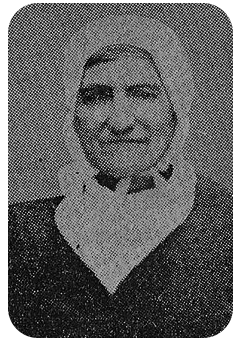
Susanne Picot
Susan kept baking, and formally set up in business in 1824, immediately opposite First Tower. This was also the year that Susan gave birth to the fifth of her eight children. By the 1851 census, her eldest son, also Pierre/Peter, had taken over the shoemaking from his father, and her husband had joined her in the bakery business. Like many Jèrriais, Peter Jr. spent time at sea, but when his father died, he took over the bakery.
St Helier, Jersey (my photo)
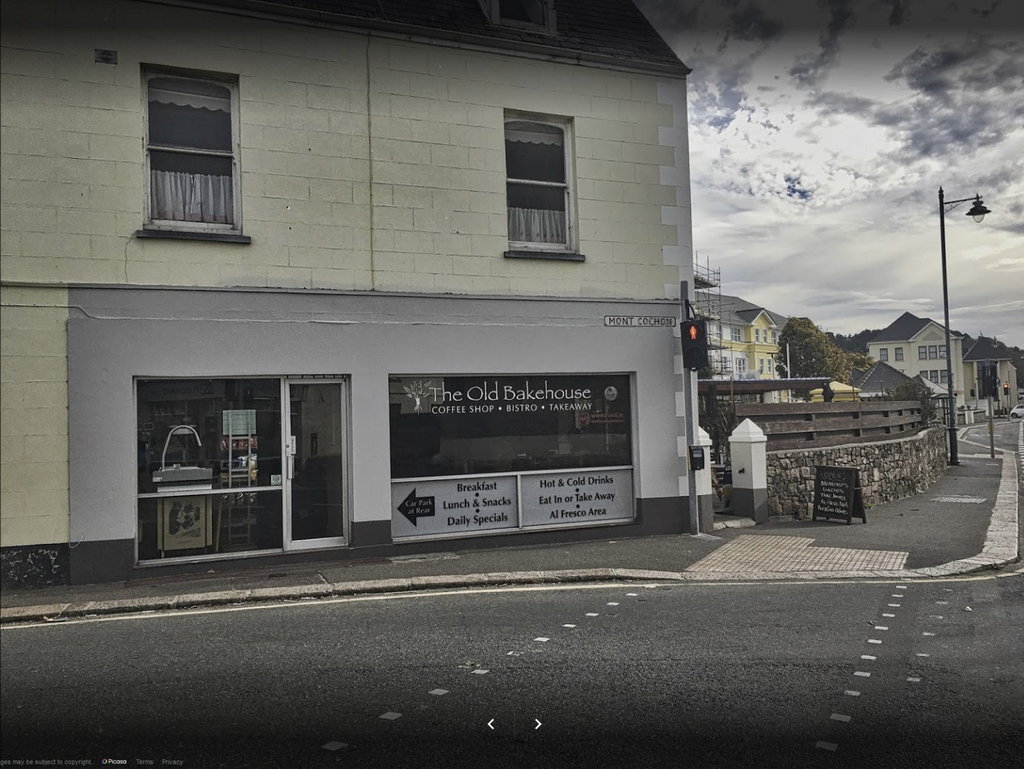
When I visited Jersey in 1997, the first thing I saw as I drove off the ferry was an enormous Mother’s Pride bakery. However, the Le Brun Bakehouse was still there on the corner opposite First Tower. It was now a café, and we enjoyed cake baked on the premises. Even better, the Old Bakehouse (pic) was still in the family.
Old Bakehouse, St Helier, Jersey, 2019
Peter’s son Moses was born in 1859, and by 1871 he was part of the business. His older brother was a carpenter nearby, with his widowed mother being the head of the household. Later in the decade, Moses had the good fortune to meet a woman as formidable as his grandmother: Esther Elizabeth De Gruchy.
Esther De Gruchy Le Brun
In 1880, they married on Portsea Island, Hampshire (more on this anon). Esther joined the business, and became its driving force, alongside – needless to say – bringing up four young children. In 1881, they employed two men and a boy. They worked hard to develop the business and it remained the island’s main bakery.
Sadly, Moses took to drink; he was dead within six years, leaving Esther a widow at age 28. With fortitude, she continued looking after the business and its employees and the four children. In time, her son Jack helped out. The business remained prosperous, and they were able to keep a servant to help out domestically. My Mum’s second cousin, Antoinette Herivel, posted online a lovely hand-coloured photo of the children from about 1892.
Esther was sometimes taken as a companion by her sister-in-law on trips to Europe, especially Germany, a popular destination at the time. They even named their house after Waldeck, a German county. It feels like a long way from 1789 – but also from 1914.
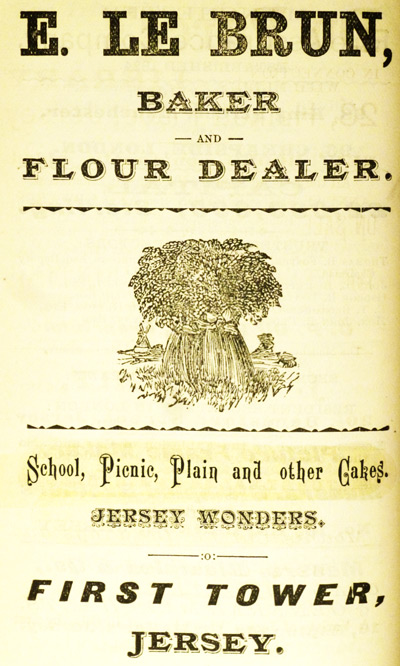
Le Brun Flour Ad
The business apparently continued through WWI, and Jack took over the business when his mother died in 1922. His wife apparently made all her own clothes and loved to gossip in Jèrriais. His brother went into shipping, and became learned in Jersey history. One sister married a man in a similar line and emigrated to Australia. More on younger sister Elsie soon.
Elsie and her Le Brun Family, 1908
The main bakery business was purchased in 1938 by Ralph Le Marquand, brother of a Jersey Senator. Then, from 30 June 1940, Jersey was occupied by Nazi Germany (see post 12). The initial shock was mitigated by a polite and professional occupying force operating via the local government.
As the war progressed, life became progressively harsher and morale declined. The population became aware of forced labour on the new fortifications and sinister underground ‘hospital’. The family told me of harsh punishments if radios were discovered and the fear involved in undeclared flour milling. The winter of 1944-45 was very cold and the population was on the point of starvation. Relief from the Red Cross, and liberation on 9 May 1945, could not have come soon enough.
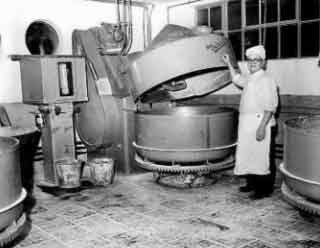
The bakery was expanded after WWII, and moved locally, and then moved again in the 1980s from the residential area to an industrial estate. However, it had lost its leading position – a traditional baker unable to compete with modern food processing and ‘loss leading’ by the supermarkets. It changed hands in 2007 and was renamed, and finally closed in 2013.
Le Brun’s Bakery, St HelierLe Brun Bakery, 1951Le Brun Bakery, Brighton Rd, Jersey,1989
1911 census: ‘Keresforth’, Brunswick Road, Kingston, Surrey. The home of Harriet Squire, widow (post 56). The house was named after a hamlet in Barnsley.
At the other end of the country a cousin on the other side of the family, had just become principal of Birkenhead Technical College. He had once filed a patent for safety devices for hitching horses, and went on to be the president of the Chartered Institute of Patent Agents.
At home in Kingston was daughter Phyllis Margaret, a 24-year-old kindergarten teacher at a poor law school. In 1912, she married Albert Clayton at the local church.
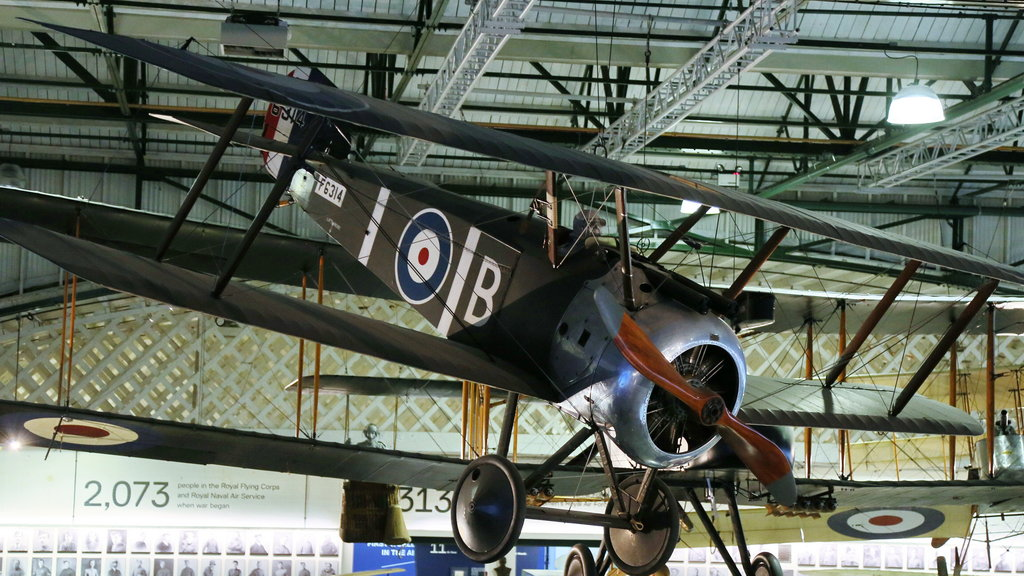
Also in 1912, Sopwith built an aircraft factory on a skating rink less than half a mile away from the family home in Kingston. The famous Sopwith Camel biplane (see post #004) was made here in WWI.
Sopwith Camel (my photo)
Albert and Phyllis lived in Cheadle and had three children. He was an electrical engineer – later a consultant and university lecturer – who wrote several textbooks.
Dad is a retired electrical engineer. Once, while working for GEC, he came up with idea behind a patent involving baking a thermistor into the resin insulation of a motor winding.
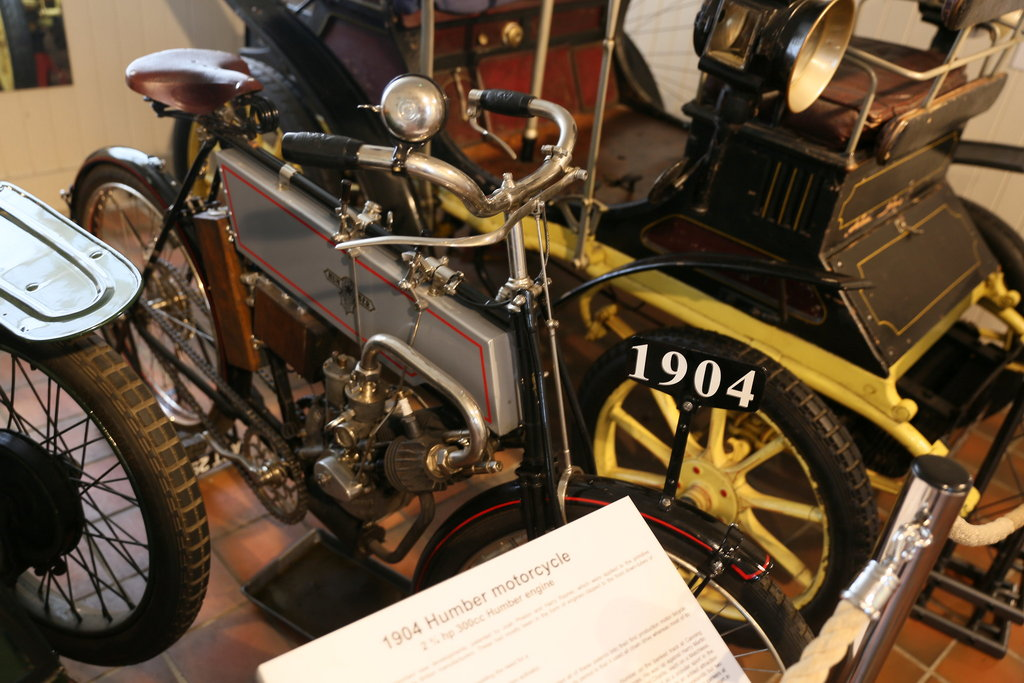
Absent from Kingston was eldest son Cecil Edward. He had attended Kingston Grammar School but was then apprenticed in Sheffield, where he settled, although he spent time at both London and Sheffield Universities. He was a keen motorist and built his own motor cycle before 1906 (a contemporary pictured). At the 1911 census, he was 30, and boarding with a scissor manufacturer (and patent holder). He was already a manager at Willford’s, where he would spend his whole career, having started as a fitter. In 1915, he married Dorothy Bingley – they went on to have three children.
Humber motorcycle, 1904 (my photo)
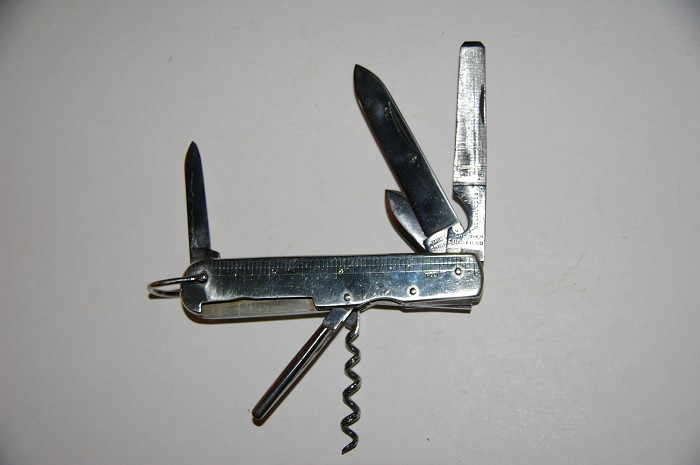
Willford’s made railway springs, and it won’t be a coincidence that his grandfather William Green (the ironfounder and patent holder from post 53) had also been in this line of work in Sheffield. By this time the business had been inherited by Henry Green, who had married Cecil’s aunt Annie Squire. Walter Green, cutler and penknife maker named Cecil in his will. At Willford’s, Cecil was ‘entirely responsible for the design and manufacturing side of the business, in addition to the carrying out of tests and inspection of materials’.
Walter Green penknife
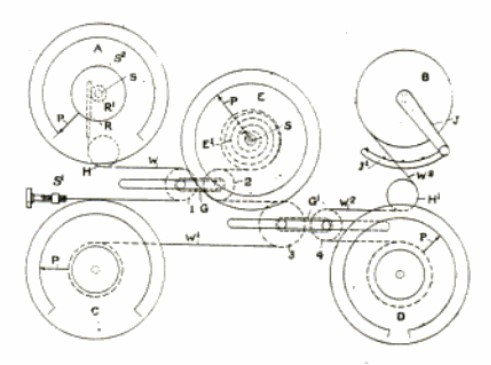
Astonishingly, Cecil invented, constructed, and (in 1918) patented a mechanical computer! (a calculating machine for equations with multiple variables, concerning springs). He was Managing Director from 1926 until one day in 1942, when he dropped dead leaving the office for a technical meeting in London. The business was eventually closed by final owners ThyssenKrupp in 2016, after it flooded.
C. E. Squire Patent
At home in 1911 was middle son, Rupert Henry (whose first name I have inherited as a middle name). He was a 27-year-old engineer’s draughtsman at a steelworks and rolling mill. Kingston is not known for its rolling mills so perhaps this was a visit. During the war, Rupert was a pottery manager. In 1918, he married Vera Paton, daughter of a colliery manager, in Calcutta. The flu pandemic reached India that year, killing at least 12 million people.
A year later, Rupert filed a patent – for a ‘Direct liquid-pressure apparatus. – Solid material such as sand for filling mine workings &c. [later cited in an application for moving rocks and coal] is elevated and transported from a river bed &c. by means of a vessel which is placed in or sunk into the material so that the latter may enter therein, after which water is forced into the vessel to expel the material through a delivery pipe.’ The couple had three children and migrated back to Kingston in 1923. Later, he was a Chartered Structural Engineer, still in Kingston.
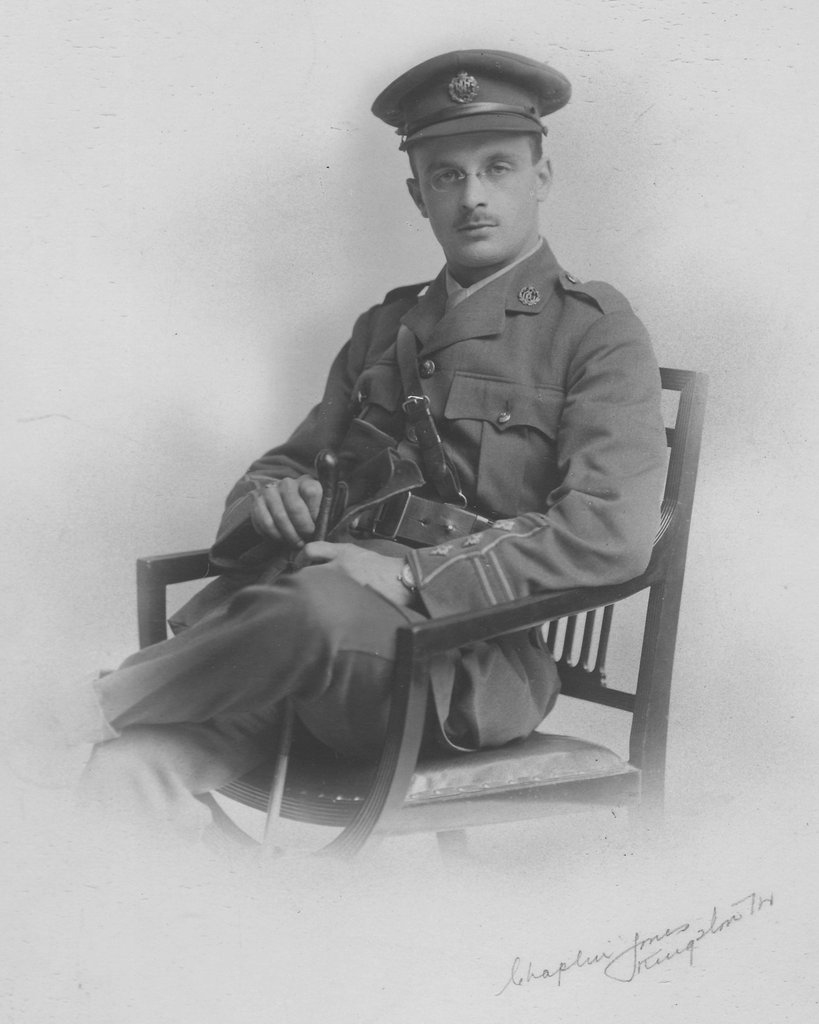
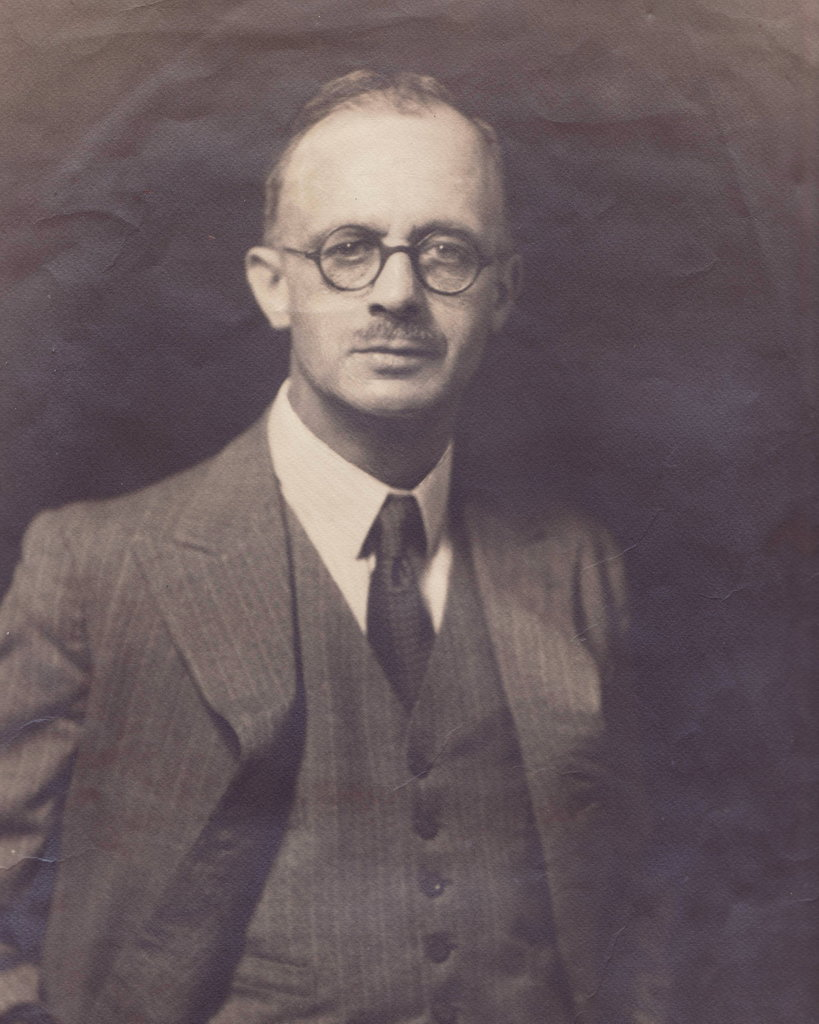
Also at home in 1911, was younger son Alfred Eustace, a 26-year-old manager at a paper merchant’s office. He married Elsie Le Brun in 1913 and they had one surviving son, John Rupert Squire, my grandad (post 51). During WWI, Alfred was a 2nd Lieutenant with the Royal Flying Corps.
Alfred Squire in uniform
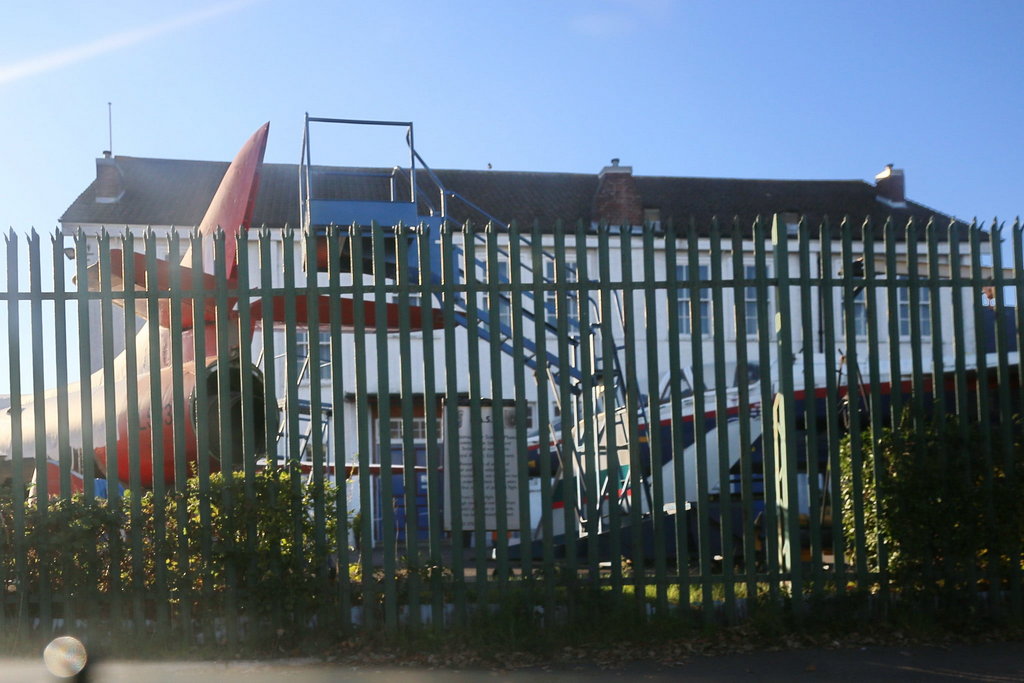
His duties appear to have been ground-based and technical. He was stationed at Farnborough, where the Royal Aircraft Factory had developed from the Army Balloon Factory (my pic).
RAE, Farnborough
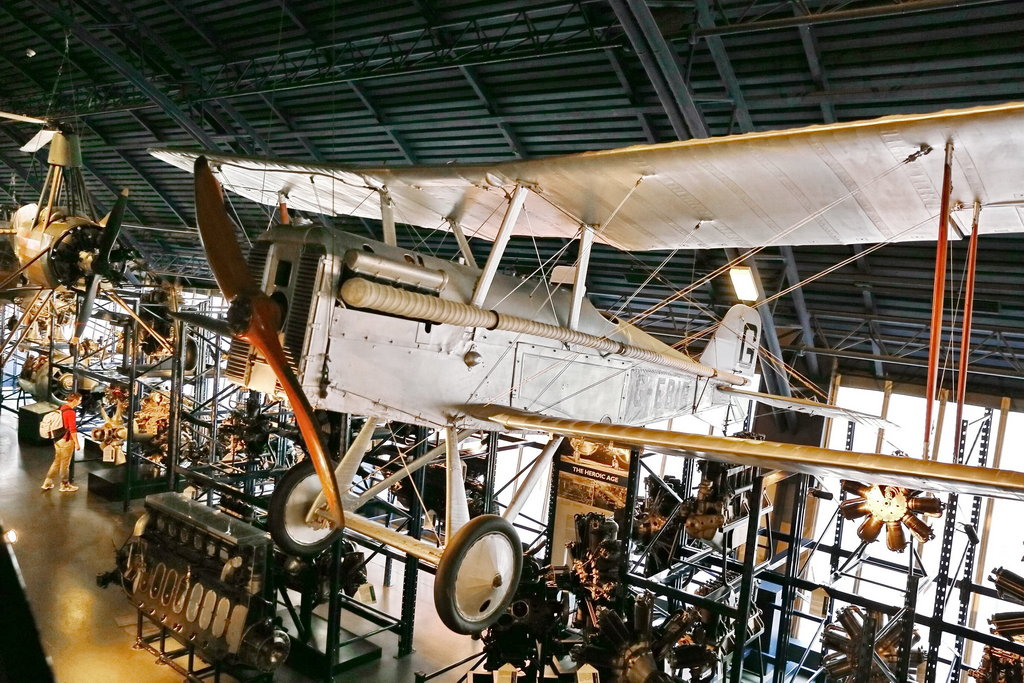
This is where Britain’s first military airship was built and where Britain’s first aeroplane flight took place in 1908. It was also home to another famous WWI fighter, the SE5A (my pic).
Royal Aircraft Factory S.E.5A
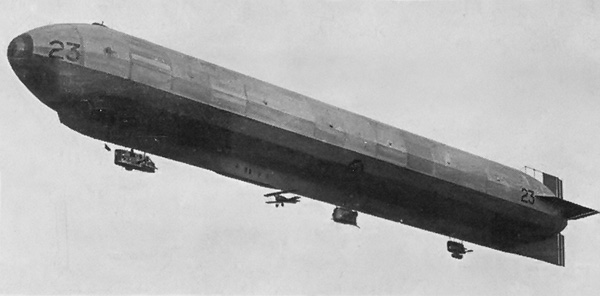
In 1918, Ivo Little, on the other side of the family (posts #015 and #042) invented and patented gear for anchoring Sopwith Camels to airships.
R-23 Airship with Camel
Alfred had been with H. Reeve Angel & Co at the time of his enlistment, and he stayed with them for his whole career. Harry Reeve Angel had been a commercial traveller and agent in the paper trade, and founded his company in 1912. It served as agent for various papers and art supplies, including Whatman art paper, widely considered to be the finest available.
Jabez Barnard, purveyor of art supplies and paper on the other side of the family, patented the enamel slides shown in post #028 in about 1870.
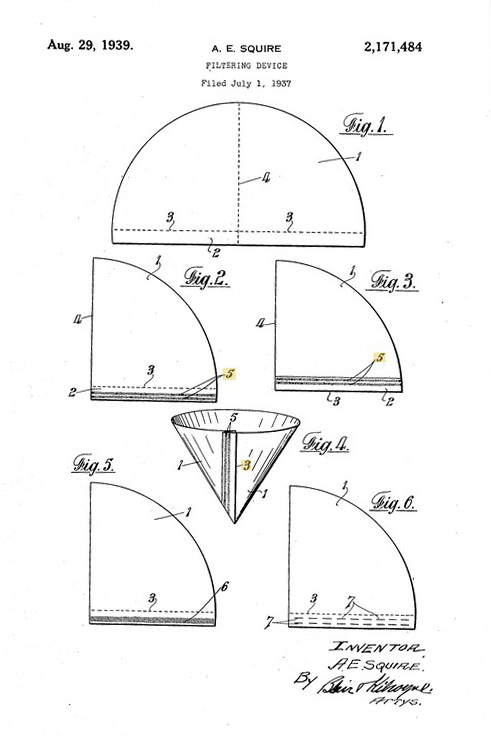
By 1921, Alfred was a director and shareholder. Angel died in 1934, leaving an estate worth the considerable sum of £43,771. By then, the company’s range had extended to high-grade chemical filter papers. In 1937, (not to be outdone) Alfred patented a filtering device.
A. E. Squire Patent
In 1974, Reeve Angel merged with Whatman. Last production at the Springfield Mill, Maidstone was in 2014, and it was knocked down in 2018, after 200 years. The successor company still makes Whatman brand products – their filter papers are used in Covid-19 vaccine production.
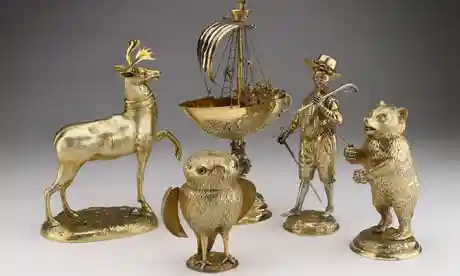
 at the Ashmolean. A small room full of gold things, and a big room full of silver things, bequeathed by cousin Michael Wellby.