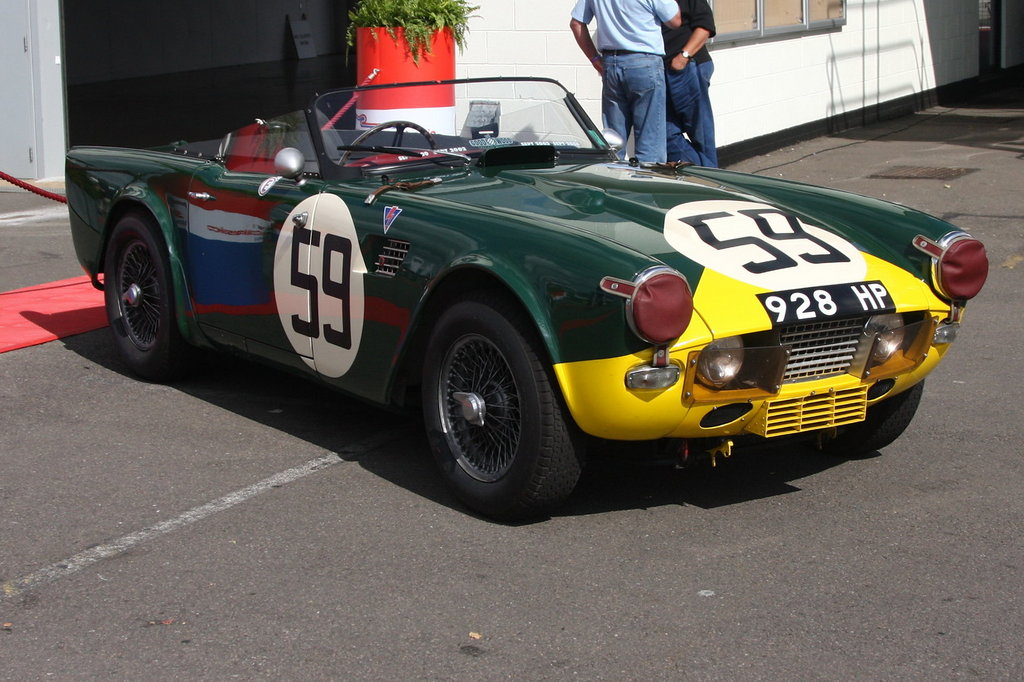
Triumph TRS
Marriage of former TR3S chassis, glass fibre TR4-previewing body, and a brand new twin cam ‘Sabrina’ engine for Le Mans 1960 and 1961 (when it won the prestigious Manufacturer’s Team Prize).
Years
1961
Engine
1985cc twin-cam (DOHC) S4
Body Style
Racing roadster
Production
4
Power: Weight
150-165 BHP
Dimensions
.
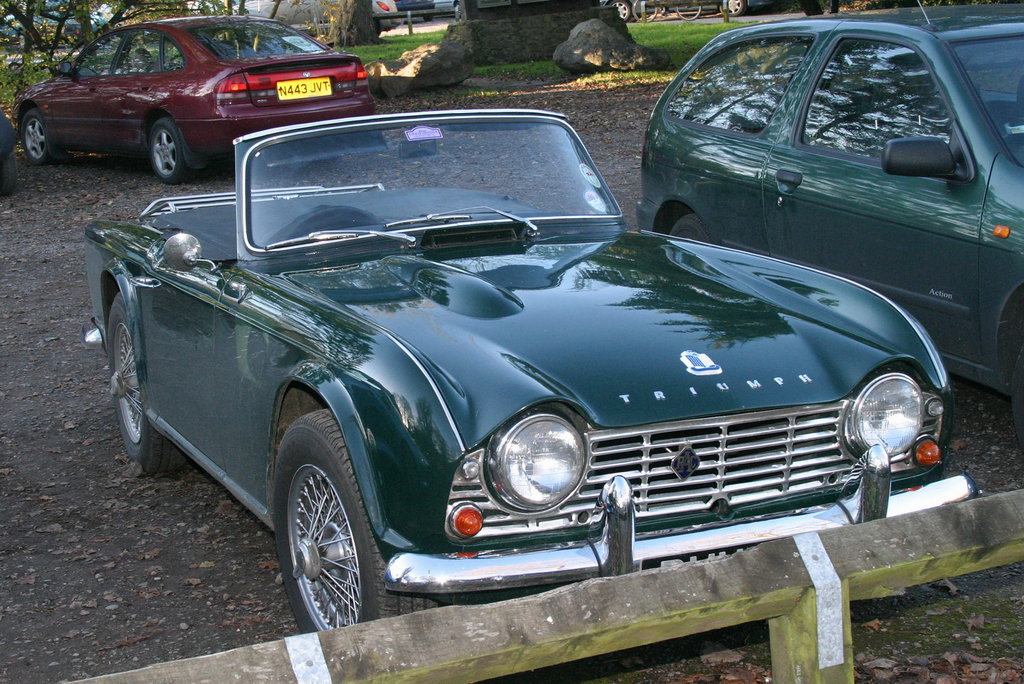
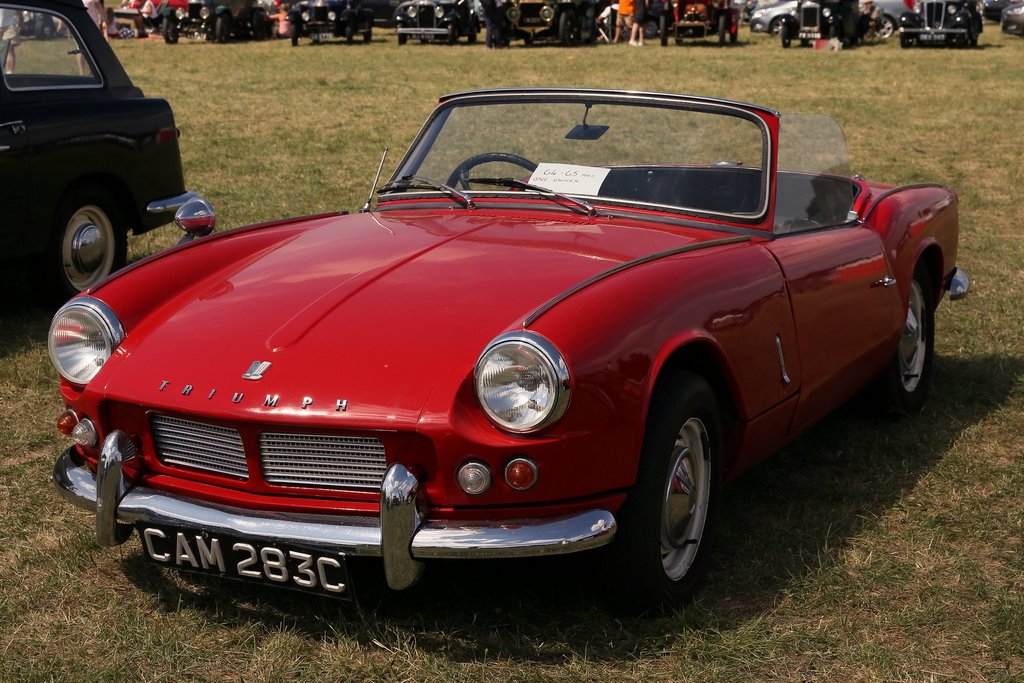
Triumph TR4
Enlargement of the TR3 (q.v.), styled by Michelotti. Wider track for better handling. Lower bonnet line, with bulge to clear the carbs. Wind-up windows, improved fascia.
Years
1961-65
Engine
2138cc S4
Body Style
Roadster
Production
40,253
Power: Weight
.
Dimensions
.
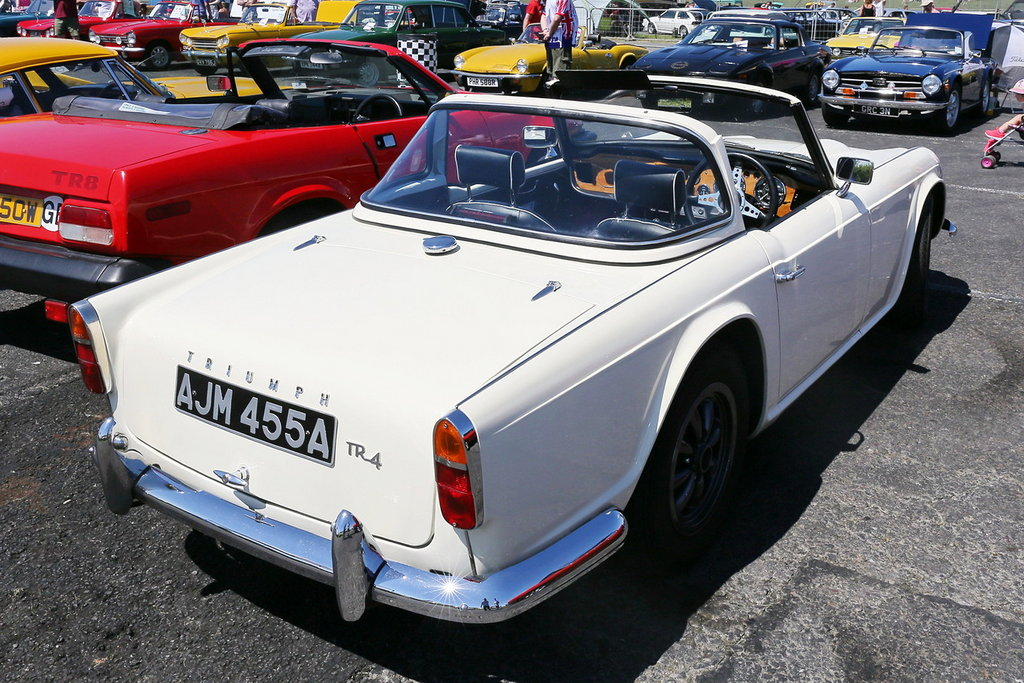
Triumph TR4 Surrey Top
Named for a traditional coachbuilding style, this version had a reinforced rear window frame offering some roll protection, and a winter steel roof panel, and summer removable vinyl soft top and frame, storable inside the car.
Years
1961-65
Engine
2138cc S4
Body Style
Roadster
Production
Inc
Power: Weight
.
Dimensions
.
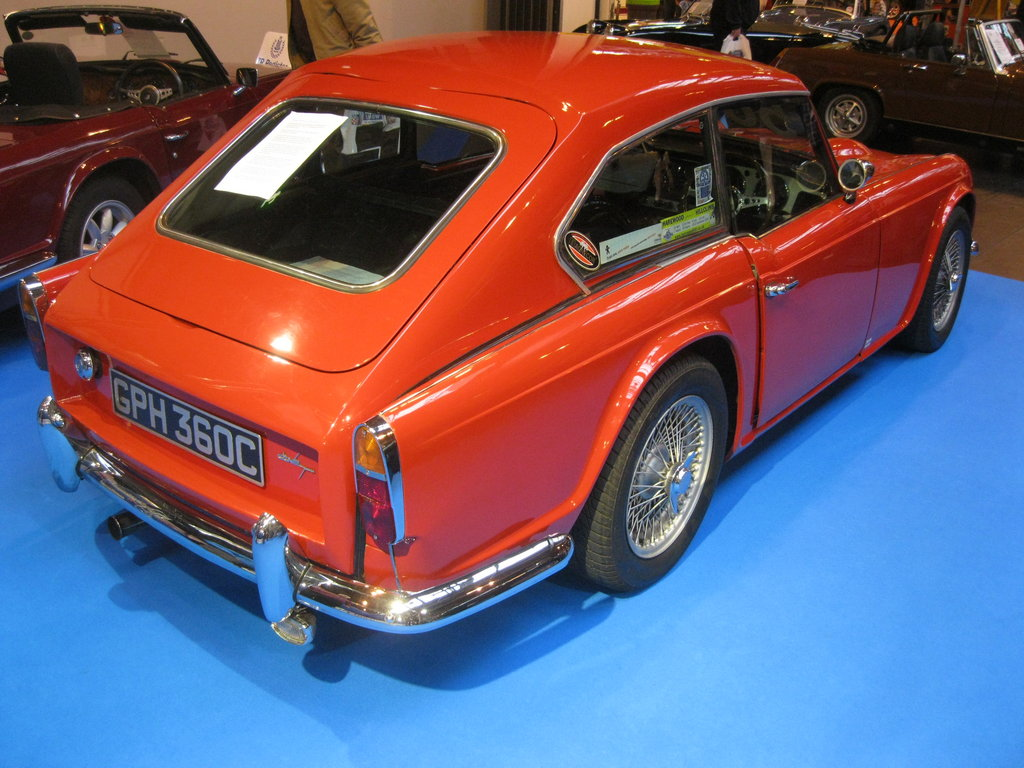
Triumph Dové GTR4
Coupé conversion by Harrison of Hove, and marketed by the Dove main dealers.
Years
1961-64
Engine
2138cc S4
Body Style
2+2 coupé
Production
55
Power: Weight
.
Dimensions
.
Photo: Wikipedia
_(10949849796).jpg)
Triumph Spitfire 4
Triumph’s response to the Healey Sprite, buoyed by good TR4 sales, facilitated by availability of the Herald (q.v.) chassis (used without side members), and Michelotti’s styling talent. Engine and suspension were tuned appropriately.
Years
1962-65
Engine
1147cc S4
Body Style
Roadster
Production
45,753
Power: Weight
.
Dimensions
.
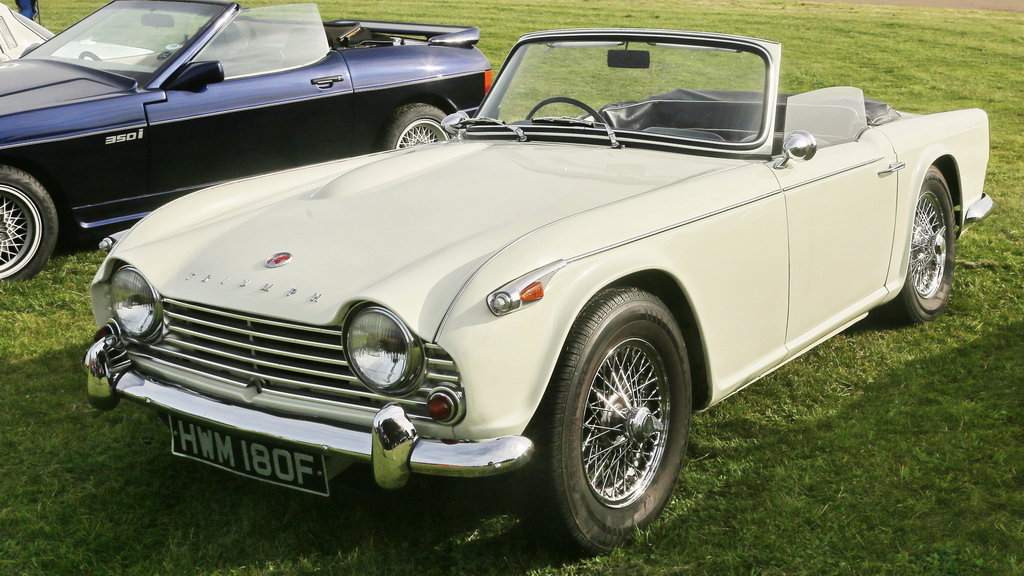
Triumph TR4A
Independent rear suspension bassed on the Triumph 2000 (q.v.); corresponding front suspension changes. Veneer dash.
Years
1964-67
Engine
2138cc S4
Body Style
Roadster
Production
28,465
Power: Weight
.
Dimensions
.
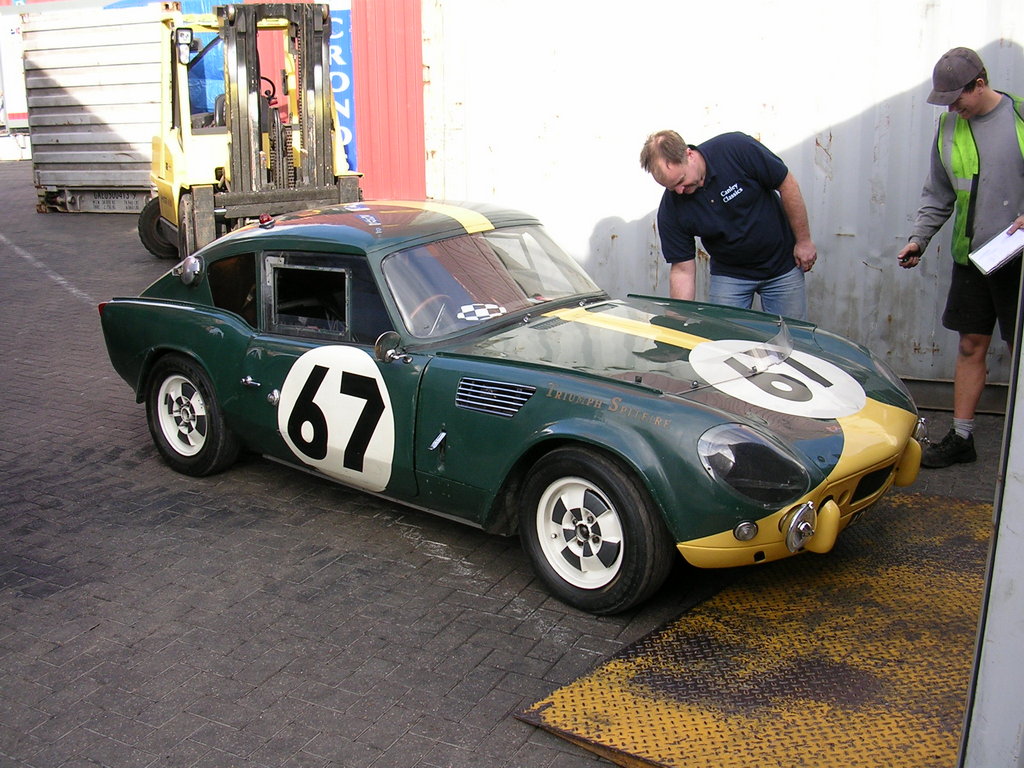
Triumph Spitfire Le Mans
Marriage of the shape of the forthcoming GT6 built in glass fibre, standard Spitfire block, and special cylinder head for Le Mans 1964 and 1965 (achieving 13th and 14th overall). There was also a rally version.
Years
1964
Engine
1300cc S4
Body Style
Racing coupé
Production
3 + 4 rally
Power: Weight
.
Dimensions
.
Photo: Canley Classics
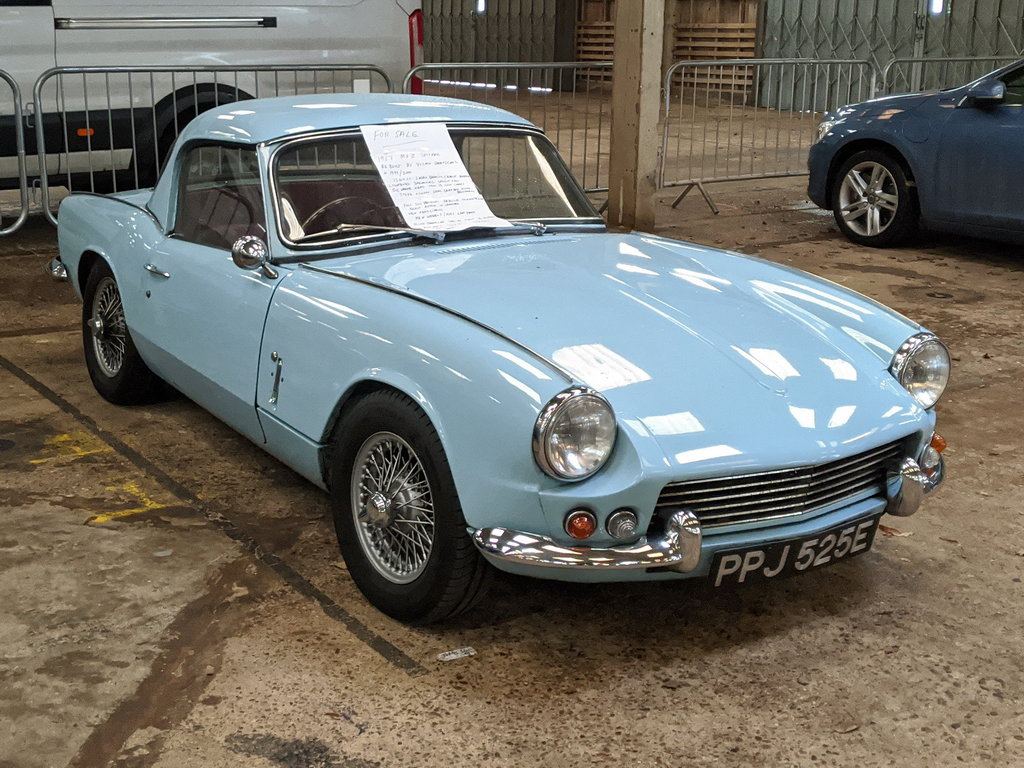
Triumph Spitfire II
A bit more power, and less spartan interior. Optional wire wheels, hardtop and overdrive. Launched just after the Spitfire’s Le Mans appearance.
Years
1965-67
Engine
1147cc S4
Body Style
Roadster
Production
37,409
Power: Weight
.
Dimensions
.
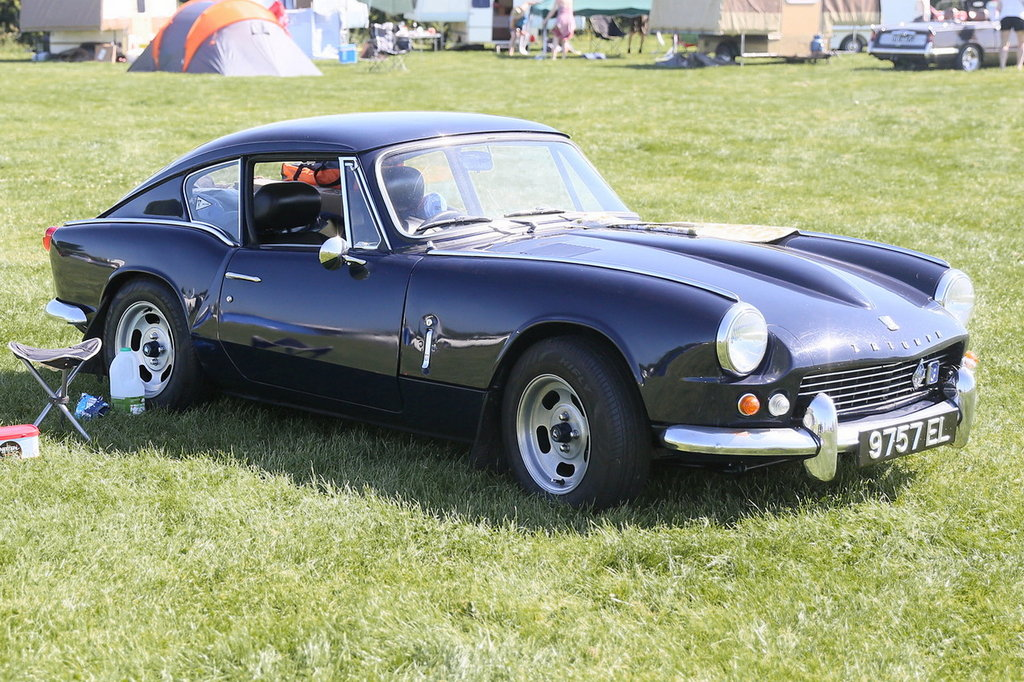
Triumph GT6
Fastback version of the Spitfire adopting the S6 engine from the Vitesse (q.v.). Nicely equipped and styled by the press as the ‘poor man’s Jaguar’ (initially cheaper than the more spacious MGB GT but exactly the same as the TR4A).
Years
1966-68
Engine
1998cc S6
Body Style
2+2 Sports Coupé
Production
15,818
Power: Weight
.
Dimensions
.
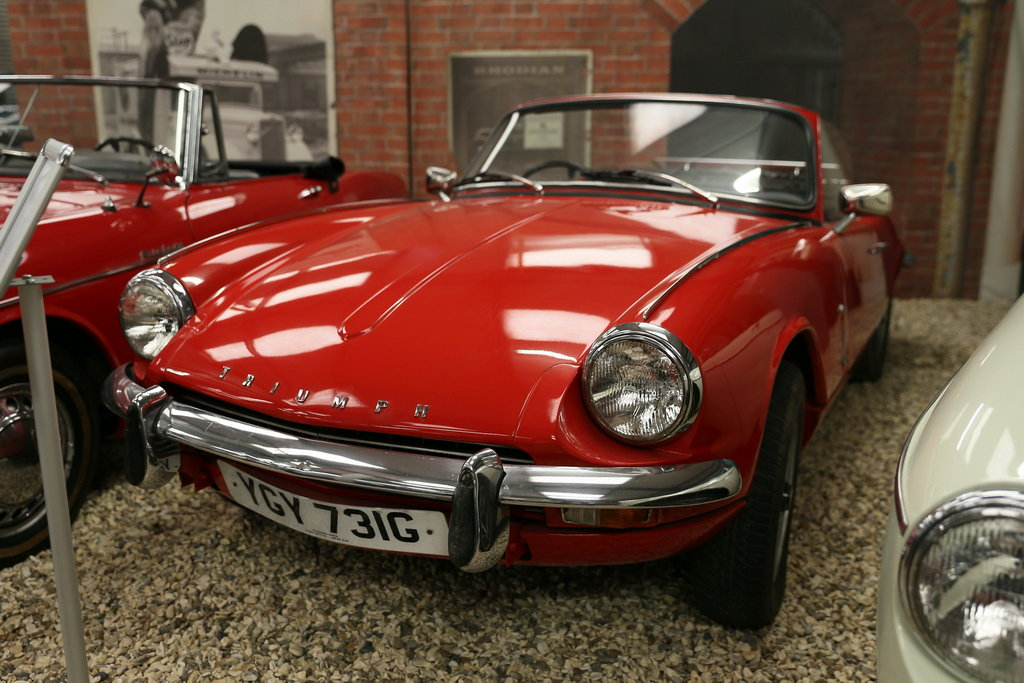
Triumph Spitfire III
Larger engine with an 8-port head (with learnings from Le Mans). Proper foldaway hood, raised bumper at the front, new lights at the rear.
Years
1967-70
Engine
1296cc S4
Body Style
Roadster
Production
65,320
Power: Weight
.
Dimensions
.
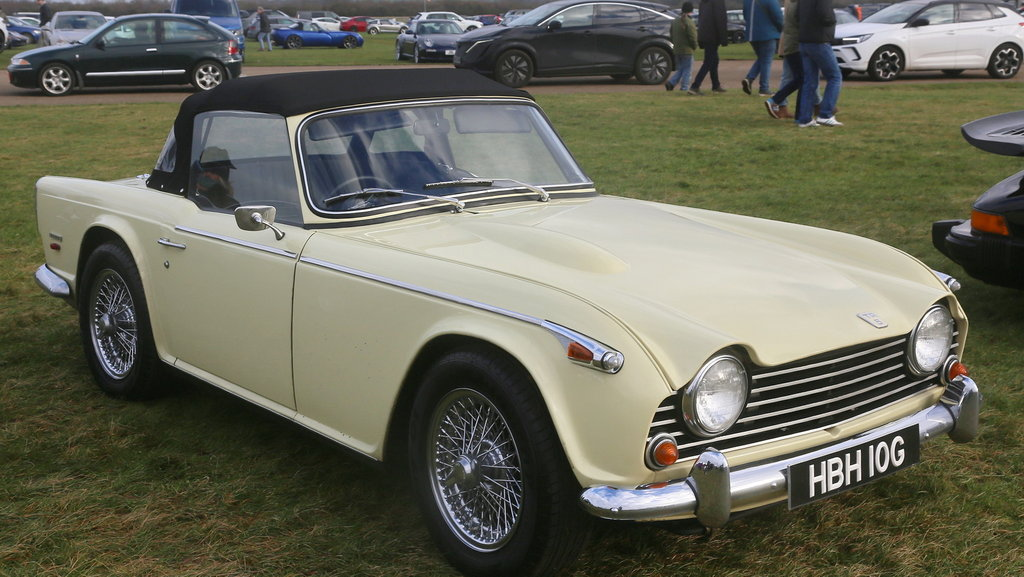
Triumph TR5 / TR250
Long-stroke engine with Lucas fuel injection. The fuel injection could not meet new US emissions standards, despite high hopes: Stromberg carbs managed to comply, albeit with much less power. Interior revised for new US safety rules.
Years
1967-68
Engine
2498cc S6 (Fuel injected in TR5)
Body Style
Roadster
Production
2947 / 8484
Power: Weight
.
Dimensions
.
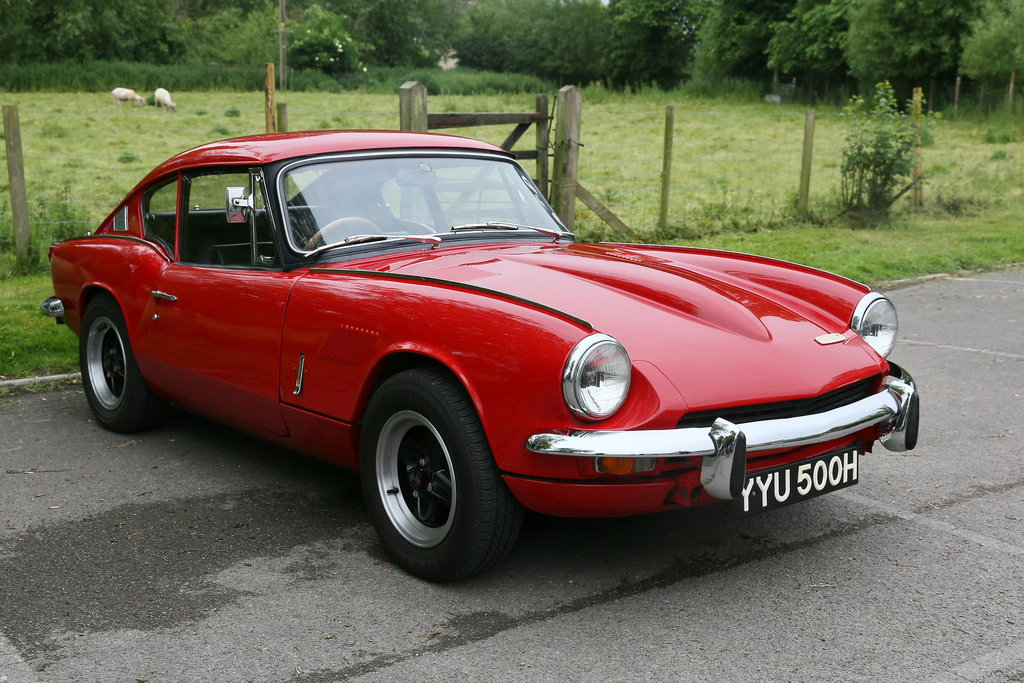
Triumph GT6 Mk II
Lower wishbone rear suspension with rubber doughnuts adopted from FWD drive shafts. Many other detailed improvements, including in ventilation. TR5 cylinder head fitted.
Years
1968-70
Engine
1998cc S6
Body Style
2+2 Sports Coupé
Production
12,066
Power: Weight
.
Dimensions
.

Triumph TR6
Denied the performance gains of fuel injection, the Americans demanded a new body. With Michelotti unavailable (despite a beautiful 1968 show car), and a shortage of die-making capacity, Leyland turned to Karmann for a new dress.
Years
1969-76
Engine
2498cc S6 (Fuel injected)
Body Style
Roadster
Production
94,619
Power: Weight
.
Dimensions
.
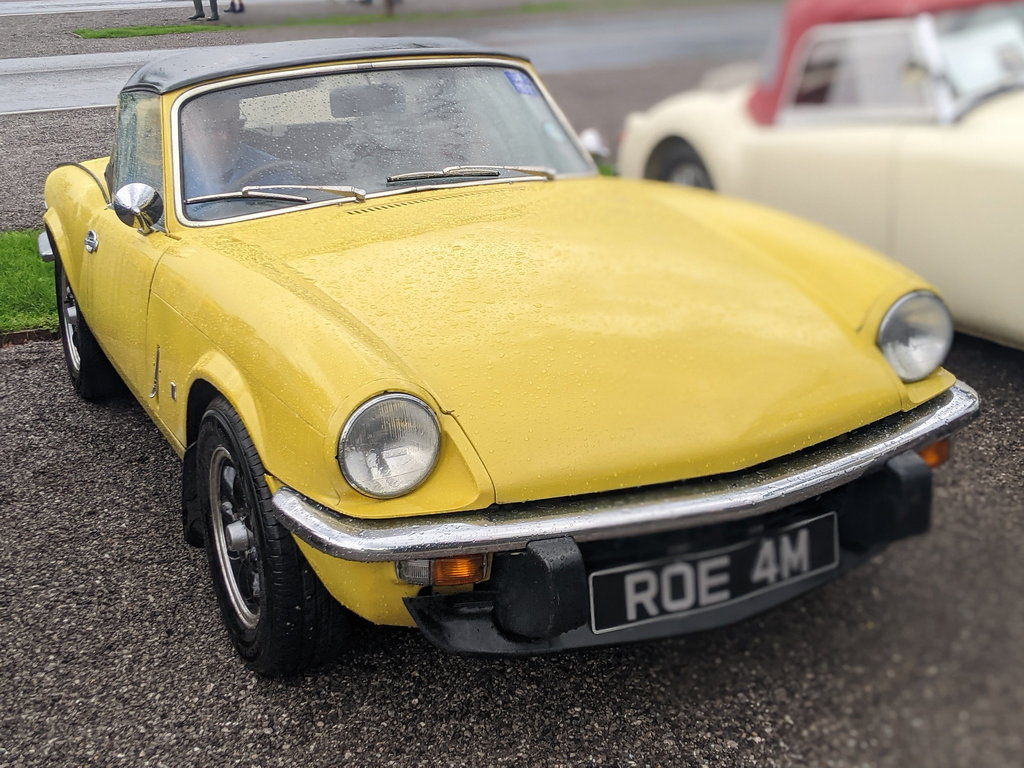
Triumph Spitfire IV
Dramatically improved rear suspension. Larger engine but no faster. Proposals for a more radical front end with pop-up headlights were put on hold, pending safety regulations. Corporate chopped rear end adopted. Improved fascia.
Years
1970-74
Engine
1296cc S4
Body Style
Roadster
Production
70,021
Power: Weight
.
Dimensions
.
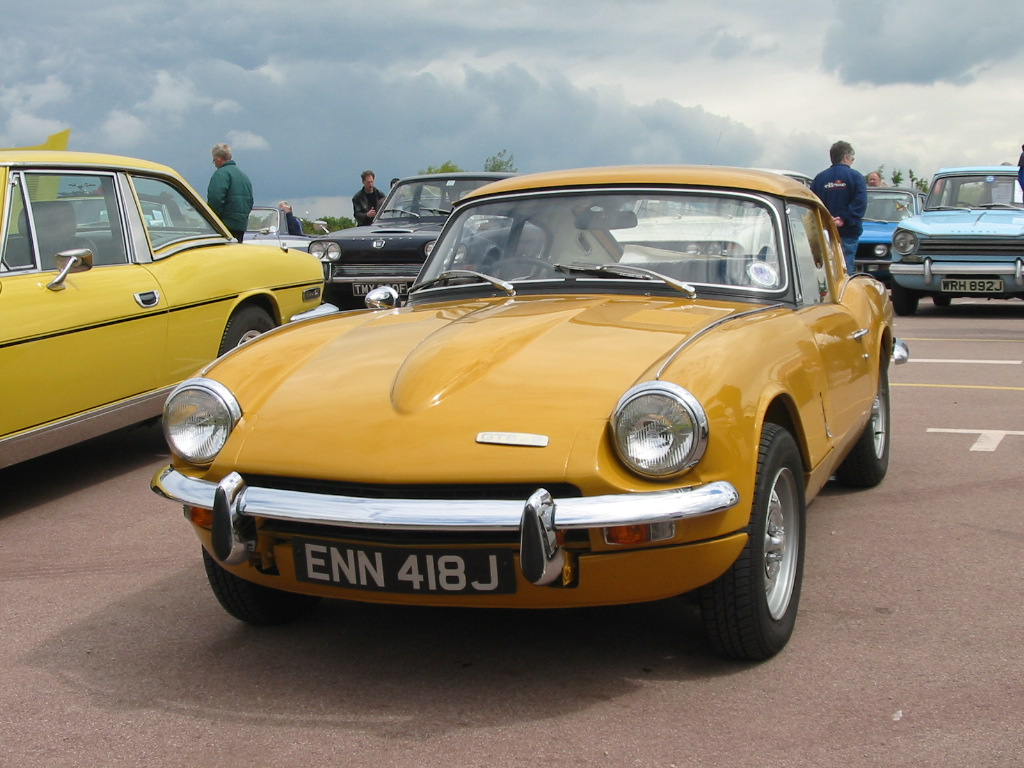
Triumph GT6 Mk III
Styling updates in common with the Spitfire Mk Iv launched at the same time.
Years
1970-73
Engine
1998cc S6
Body Style
2+2 Sports Coupé
Production
13,042
Power: Weight
.
Dimensions
.
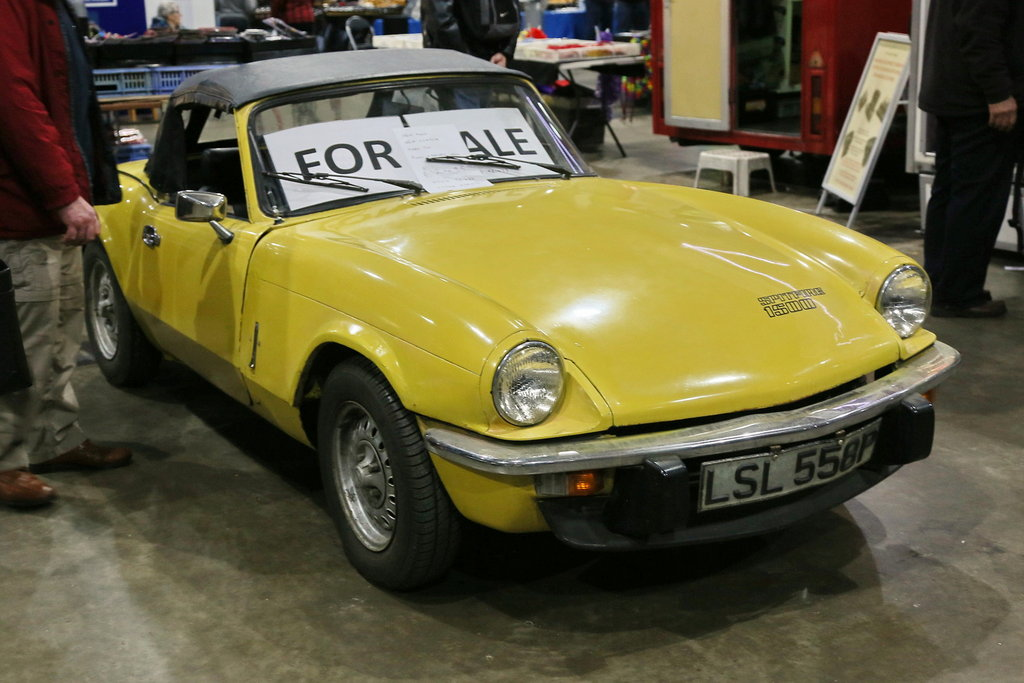
Triumph Spitfire 1500
Finally, the 1500 engine was fitted, updating the performance of the final model.
Years
1973-80
Engine
1493cc S4
Body Style
Roadster
Production
95,829
Power: Weight
.
Dimensions
.
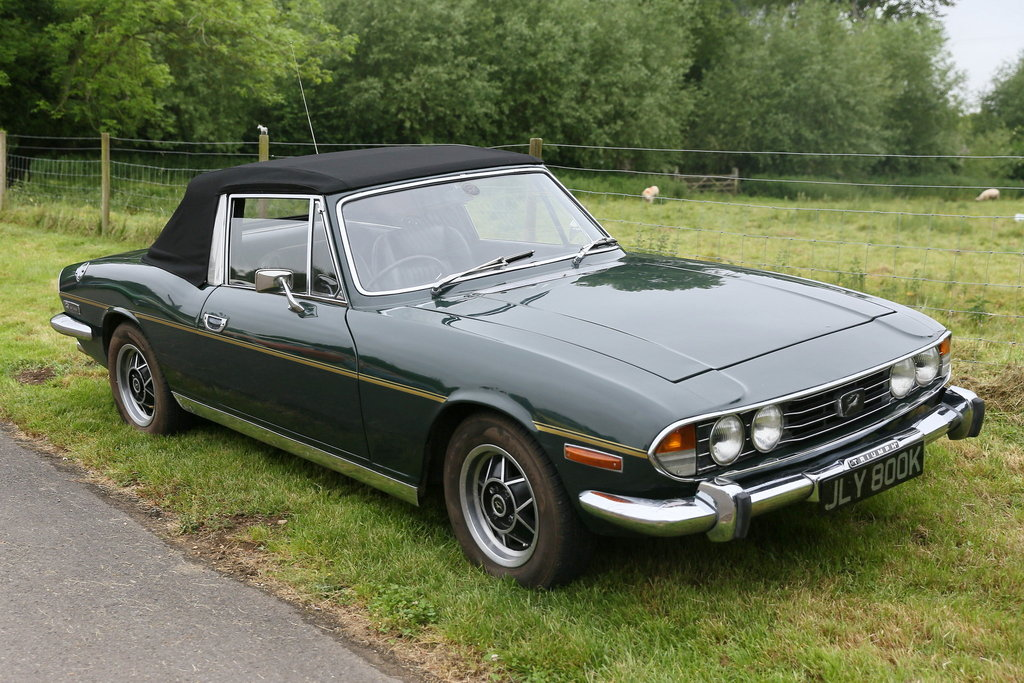
Triumph Stag
Born from a 1968 Michelotti show car (the 2000 (q.v.) got the front-end first, but never got the V8 engine). Elevated Triumph to Mercedes SL territory but suffered engine quality issues. Nevertheless, a much-loved and accomplished GT.
Years
1970-77
Engine
2997cc V8
Body Style
Hardtop GT
Production
25,877
Power: Weight
.
Dimensions
.
Most cars are Mk2 (1972-). Mk 1 (originally) had steel wheels with rostyle trims, hood side windows, grey badges, no side stripes, and other minor differences.
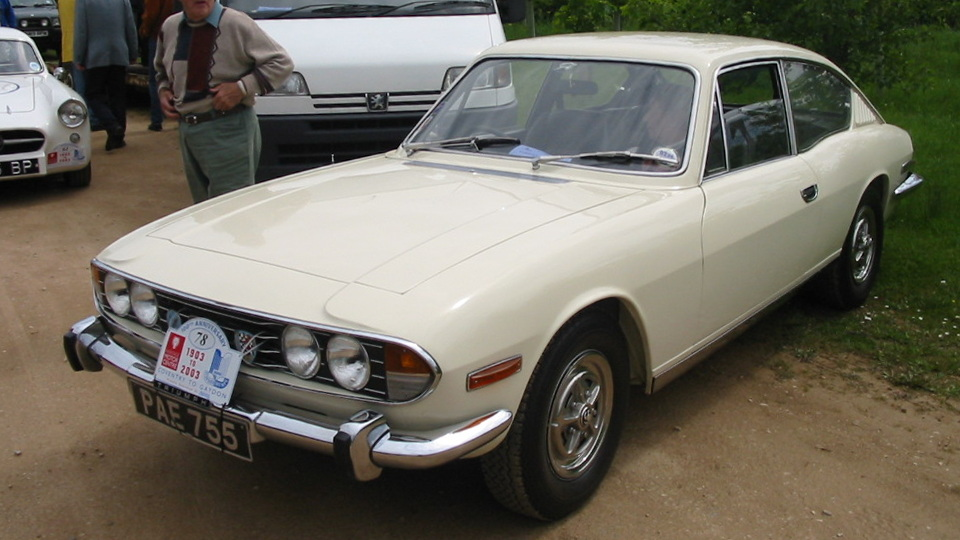
Triumph Stag Fastback Prototype
Attractive coupé along the lines of a scaled-up GT6, which probably would have made it to production had it not been for warranty claims on the open car.
Years
1969-71
Engine
2997cc V8
Body Style
Fastback coupé
Production
3
Power: Weight
.
Dimensions
.
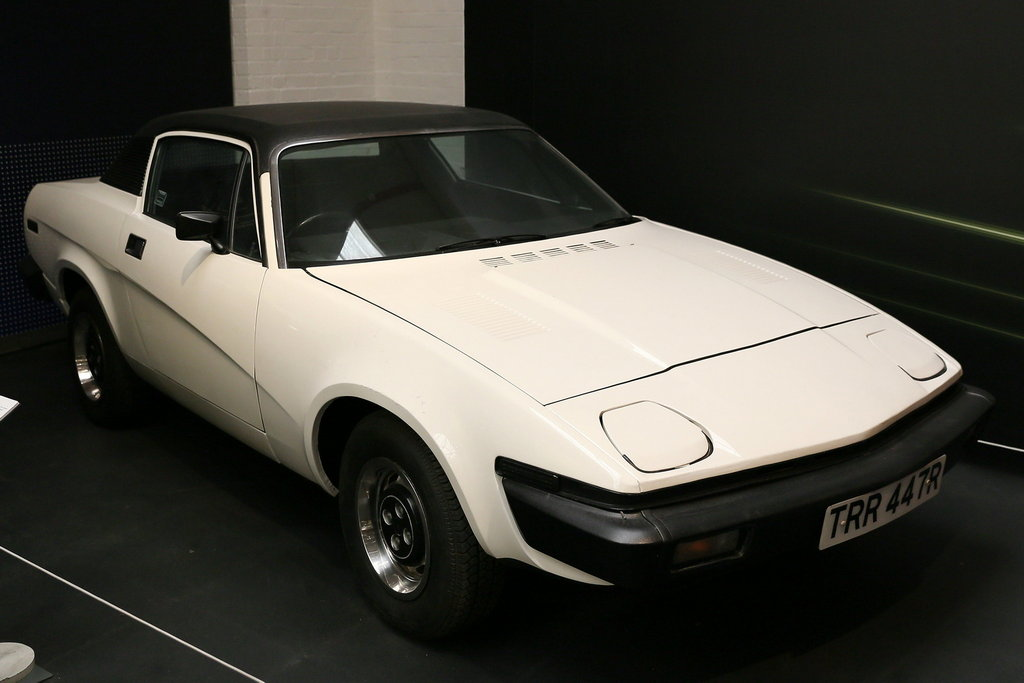
Triumph TR7
A new generation TR with modern wedge styling and interiors. Heavily influenced by new and predicted US safety standards. Slant 4 Dolomite engine. Initially made at the Speke plant on Merseyside.
Years
1975-81
Engine
1998cc S4
Body Style
Sports coupé
Production
112,368
Power: Weight
.
Dimensions
.
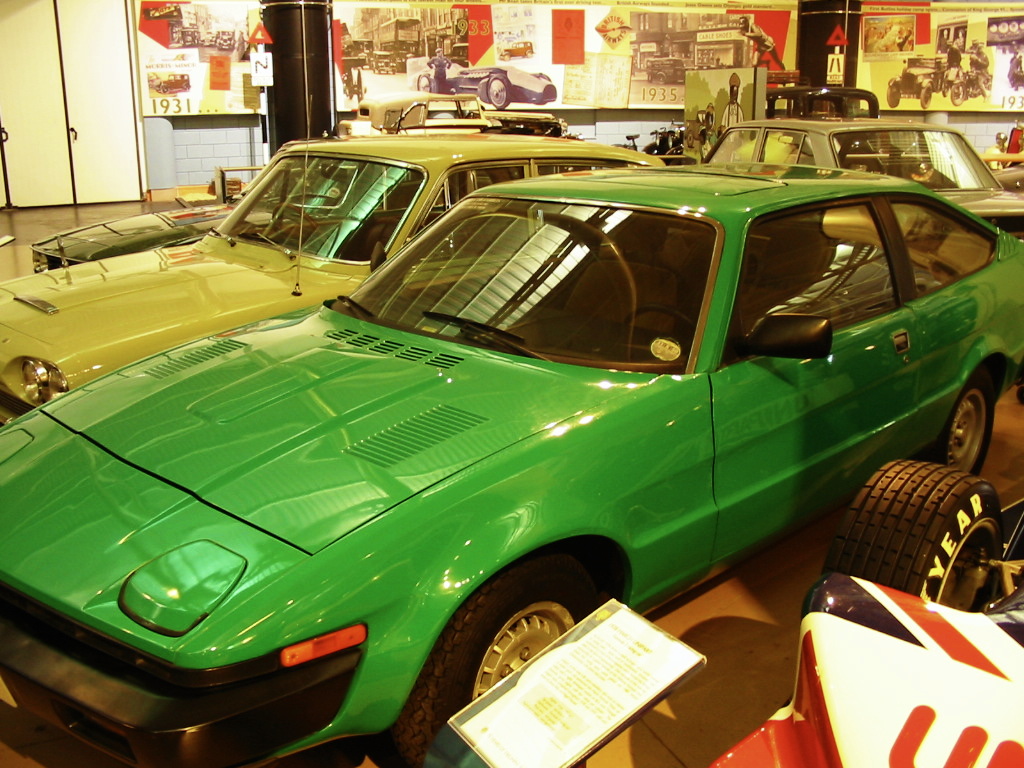
Triumph Lynx Prototype
Stag replacing 2+2 coupé killed off by a major strike at the Speke factory.
Years
1980
Engine
1998cc S4
Body Style
Sports 2+2 coupé
Production
–
Power: Weight
.
Dimensions
.
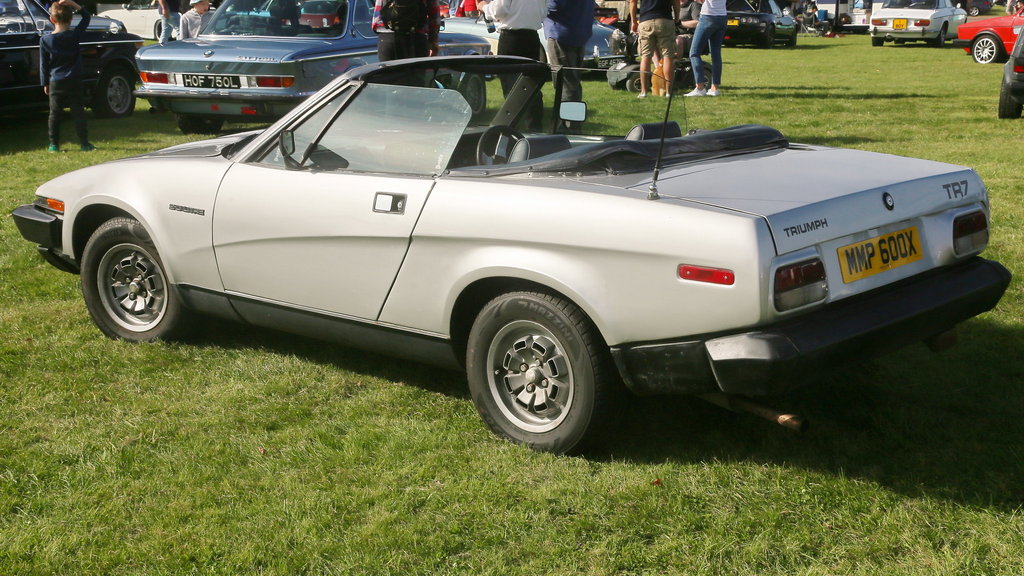
Triumph TR7 Convertible
Convertible version not originally envisaged due to expected safety rules. with Much body strengthening. Launch delayed by the strike hastened the end of the brand, and resulted in relocation (like the coupé) to Canley and then Solihull.
Years
1979-81
Engine
1998cc S4
Body Style
Roadster
Production
inc
Power: Weight
.
Dimensions
.
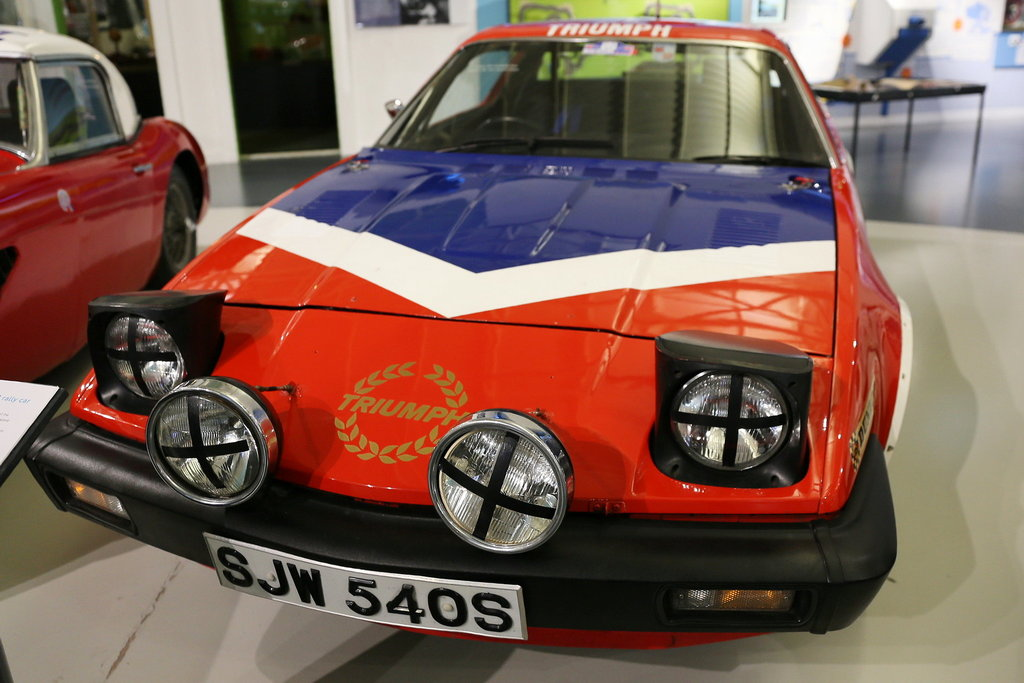
Triumph TR7 V8
Competition version. Originally used Dolomite Sprint engine (in 1980, 25 or so cars had O-Seres engines fitted – one turbo version managed 129 mph but not competed). Most cars used the V8 of the forthcoming TR8.
Years
1979-80
Engine
3528cc V8
Body Style
Roadster
Production
Competition cars only
Power: Weight
.
Dimensions
.
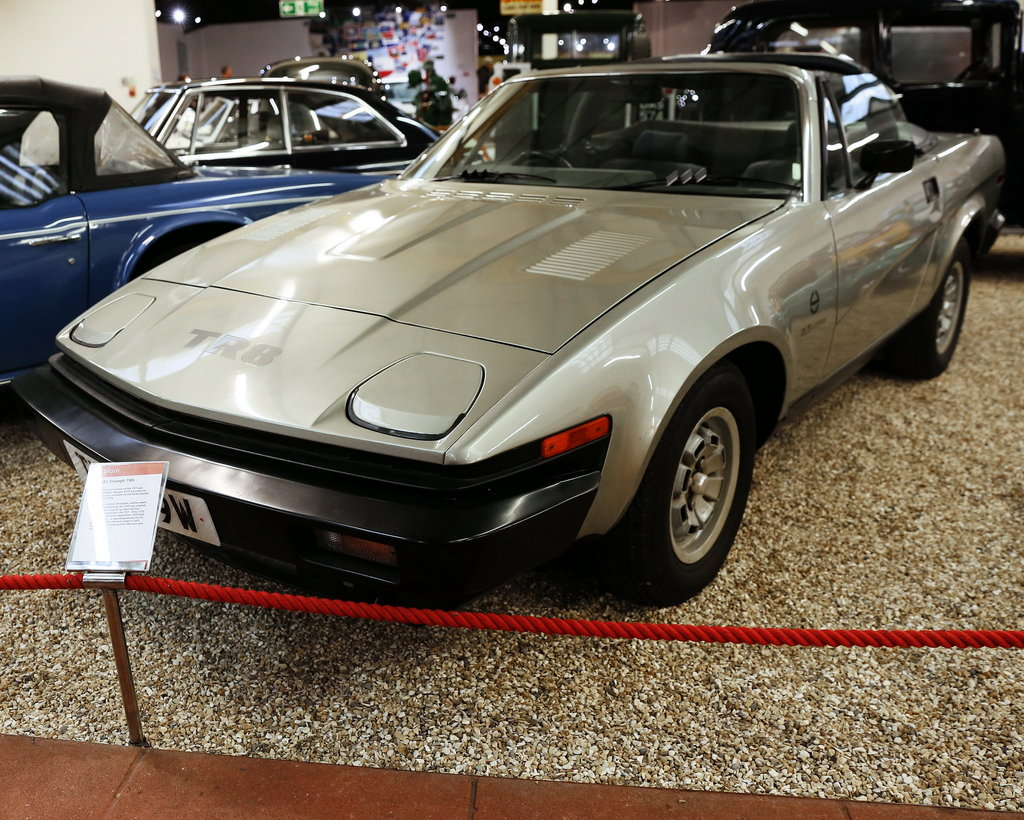
Triumph TR8
The TR7 was always designed for the Rover V8, rather than the Stag engine (which was effectively two slant 4 TR7 blocks). Its launch was delayed beyond the point of no return for the model. 60 ish 16v TR7 Sprints were made in 1977.
Years
1980-81
Engine
3498cc V8
Body Style
Sports coupé, roadster
Production
2722
Power: Weight
.
Dimensions
.