Britain has been blessed for over a century with a healthy band of intrepid independent car producers, attempting to bring a vision to the market. Some emerged from competition roots, some from ‘kit car’ makers, some from industrial diversification.
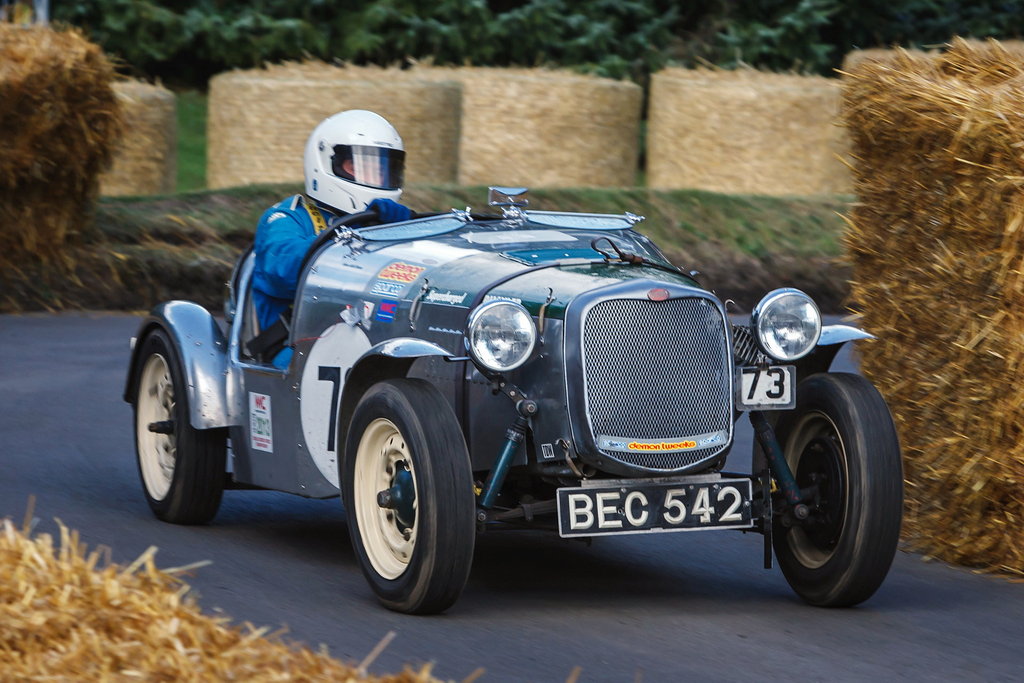
Buckler Mk V (etc)
Founded by Derek Buckler in Reading in 1947, Buckler pioneered the kit car industry, and dominated 1950s trials and club racing. Advanced, ultra-lightweight spaceframe chassis clothed in aluminium or glass fibre bodies.
Years
1949-62
Engine
Various
Body Style
Sports racer
Production
Power: Weight
Dimensions
Photo: Flickr
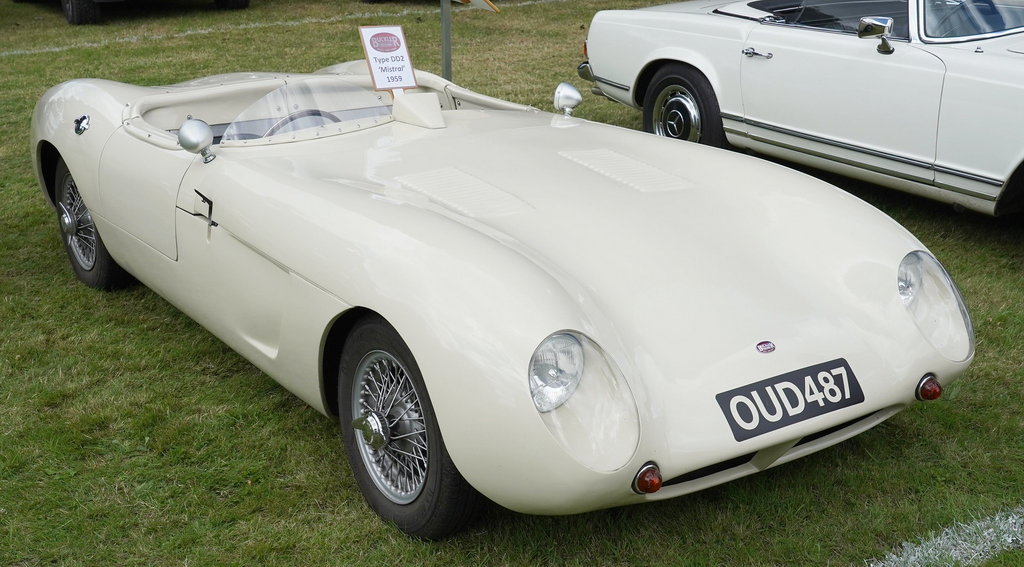
Buckler DD2 Mistral
Successful sports-racer built on multi-tubular spaceframe chassis. It typically featured a sleek glass fibre Microplas Mistral body and de Dion rear suspension. Like its predecessors, the 90 and DD1, it accepted various engines up to 2.0-litres
Years
1957-62
Engine
Various
Body Style
Sports racer
Production
Power: Weight
Dimensions
Photo: Flickr
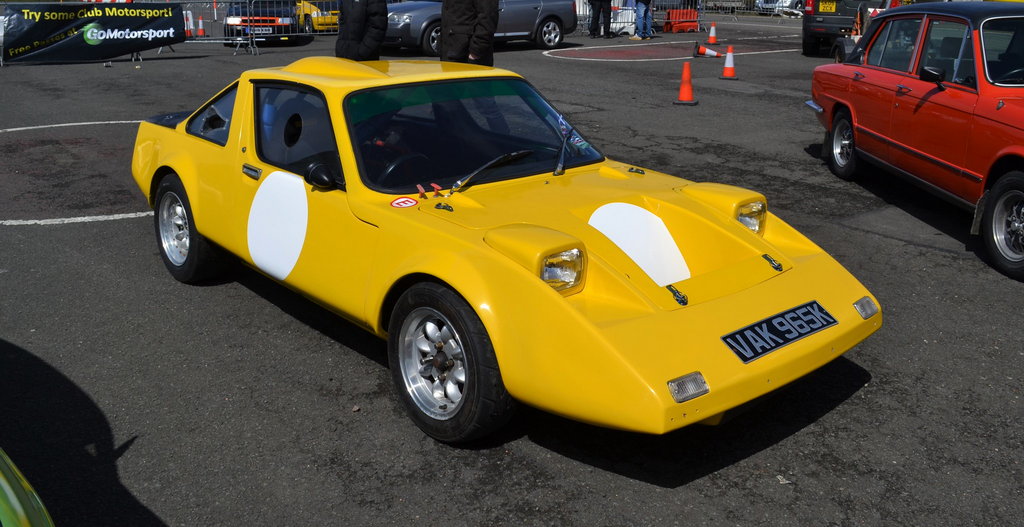
Clan Crusader
Lightweight, rear-engined sports car built in Co. Durham. Created by ex-Lotus engineer, Paul Haussauer, with fibreglass monocoque chassis and Hillman Imp engine. Known for its exceptional handling.
Years
1971-74
Engine
.
Body Style
.
Production
.
Power: Weight
.
Dimensions
.
Photo: Flickr
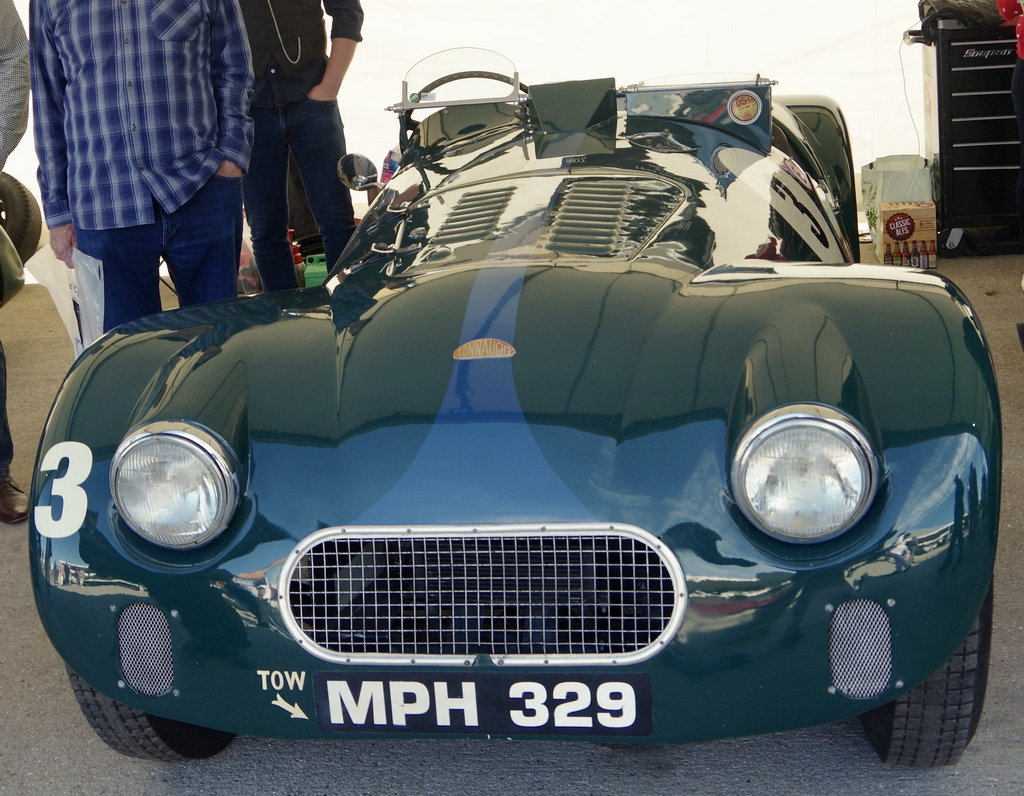
Connaught L2 / L3
Only road-going cars from the famous sports and GP racing company, based in Surrey. Based on modified Lea-Francis running gear with high-compression engines, under aluminium bodies.
Years
1948-53
Engine
1767cc S4 OHV
Body Style
Roadster
Production
c. 27
Power: Weight
Dimensions
Photo: Flickr
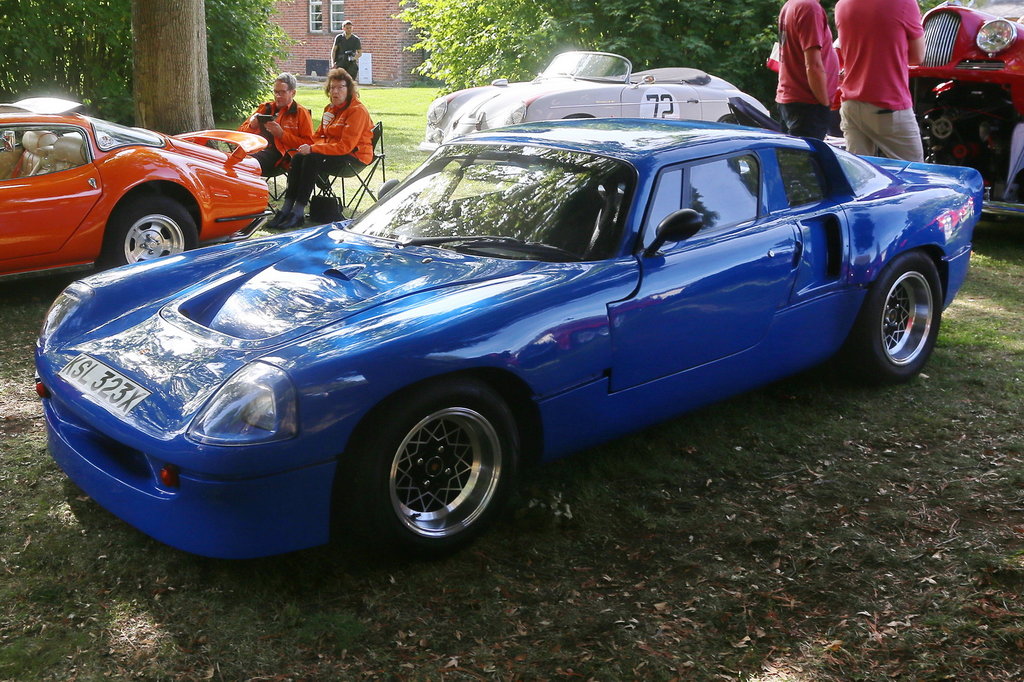
Davrian
Founded by Adrian Evans, Davrian used lightweight, rigid fibreglass monocoques, and mostly Hillman Imp engines. Popular in amateur rallying and circuit racing.
Years
1968-83
Engine
875cc S4 OHC
Body Style
Sports coupé.
Production
Power: Weight
Dimensions
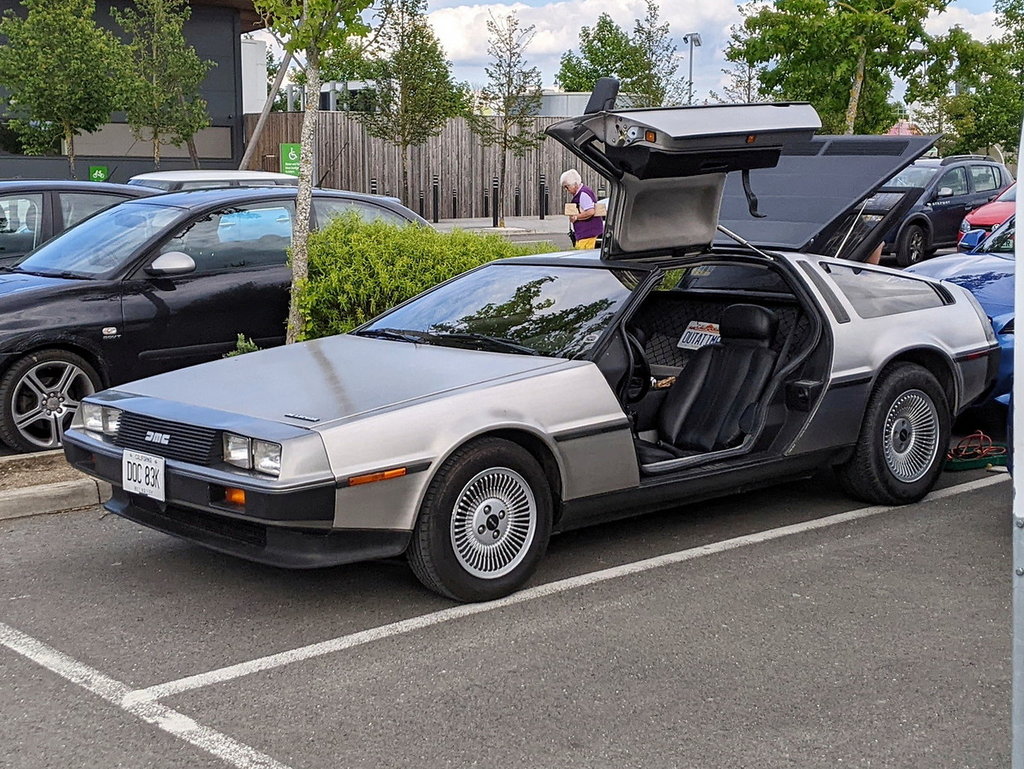
Delorean DMC-12
Iconic gull-wing car designed by Giugiaro, made by Pontiac legend John Z. DeLorean. Made in Northern Ireland, backed by UK government. Featured brushed stainless-steel body panels. Arguably under-powered, especially in US.
Years
1981-82
Engine
2849cc S4 OHV
Body Style
Coupé
Production
c. 9000
Power: Weight
156 bhp
Dimensions
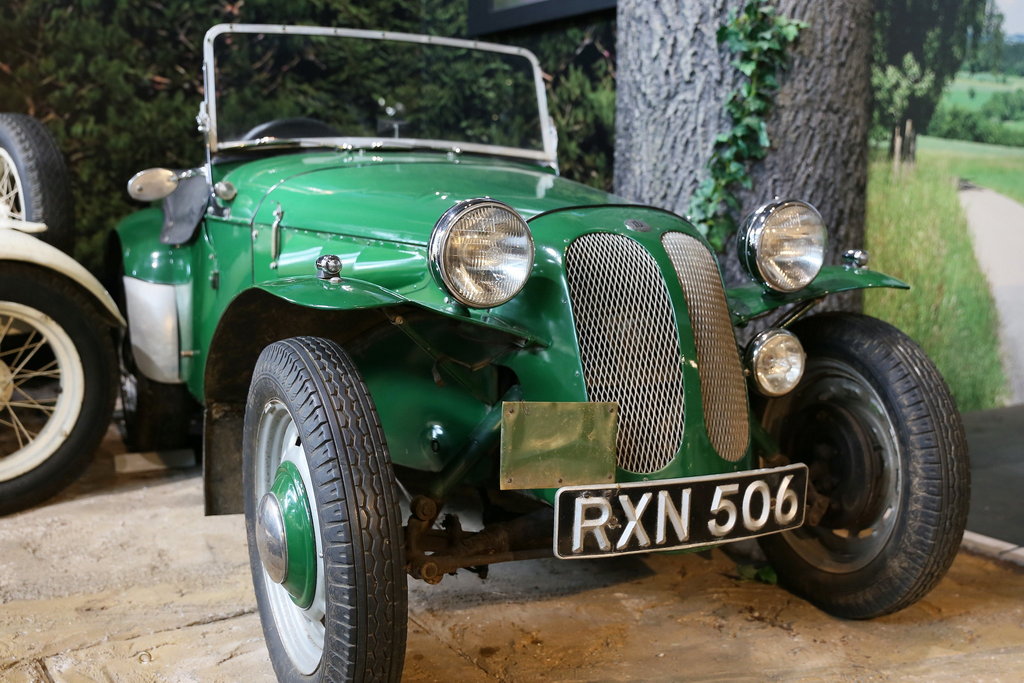
Dellow
Dellow made highly successful trials cars, using lightweight, military-surplus rocket tubes for chassis, and aluminium panels. Exceptional power-to-weight ratio, and dominated post-war hill climb events.
Years
1949-57
Engine
1172cc Ford
Body Style
Sports racer
Production
c. 500
Power: Weight
Dimensions
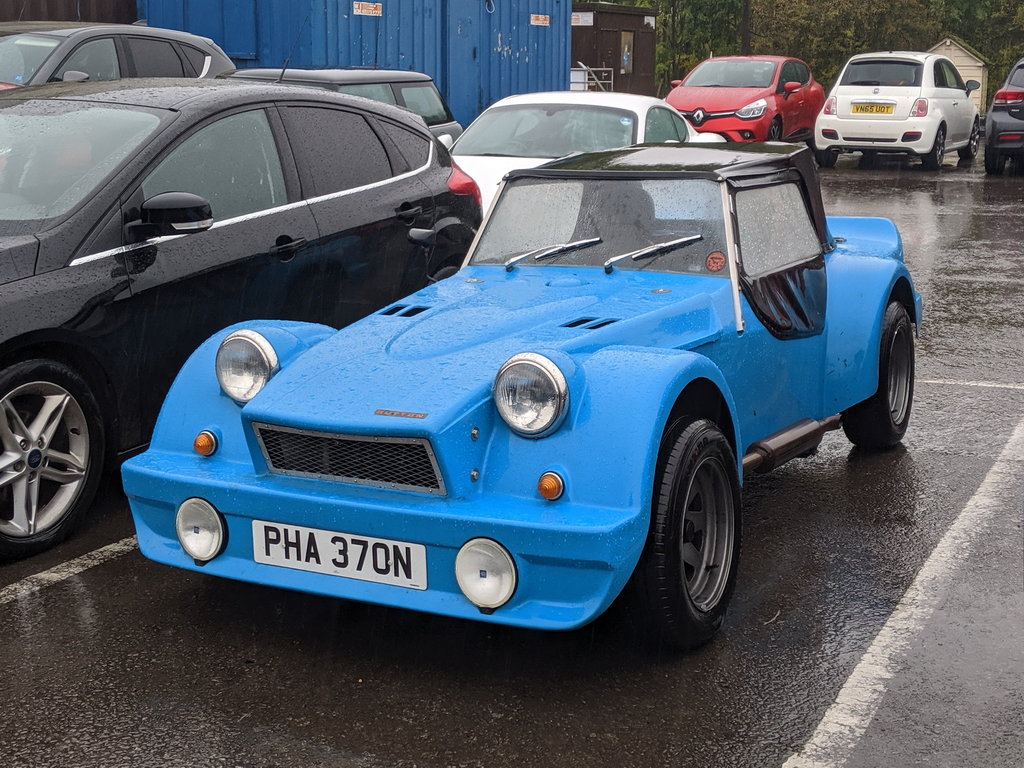
Dutton Phaeton
Dutton Cars, was one of the world’s largest kit car manufacturers, producing rugged, glass-fibre-bodied like the Phaeton sportscar, and Sierra estate. Some were sold fully assembled. Company later made amphibious vehicles.
Years
1977-89
Engine
1296/1598cc S4 OHV Triumph/Ford etc
Body Style
Sportscar
Production
c. 8000 (all models from 1970)
Power: Weight
Dimensions
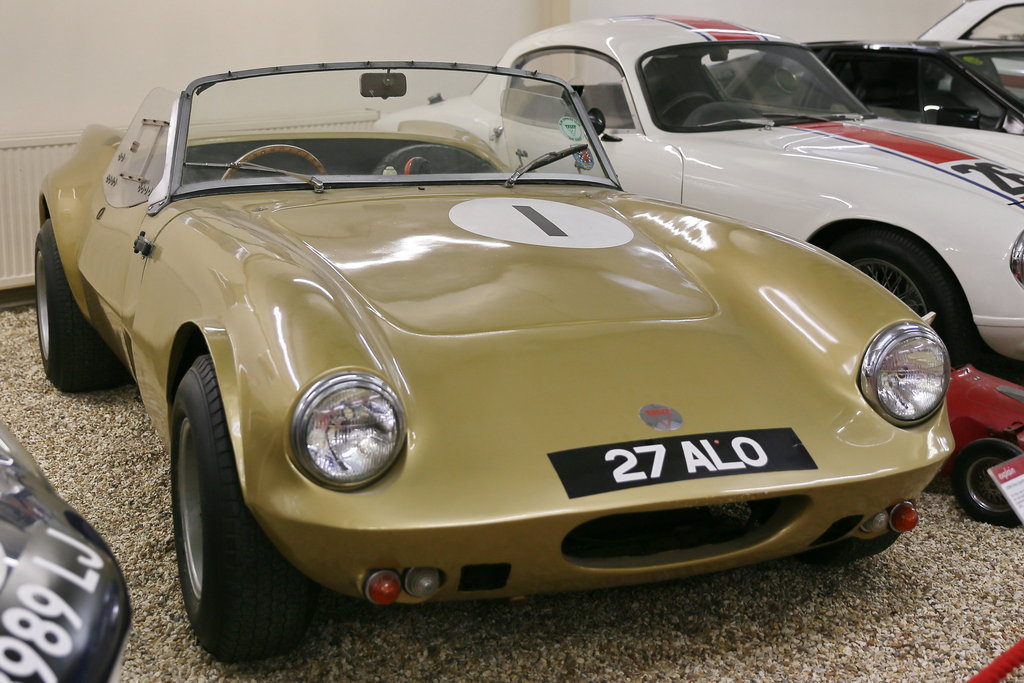
Elva Courier
Lightweight, high-performance sports car from East Sussex. Simple tubular chassis and glass-fibre bodywork, usually with MGA engine. Exceptional handling made it highly successful in British and American sports car racing.
Years
1958-61
Engine
1489/1588cc S4 OHV Riley/MG
Body Style
Sportscar
Production
c. 400
Power: Weight
Dimensions
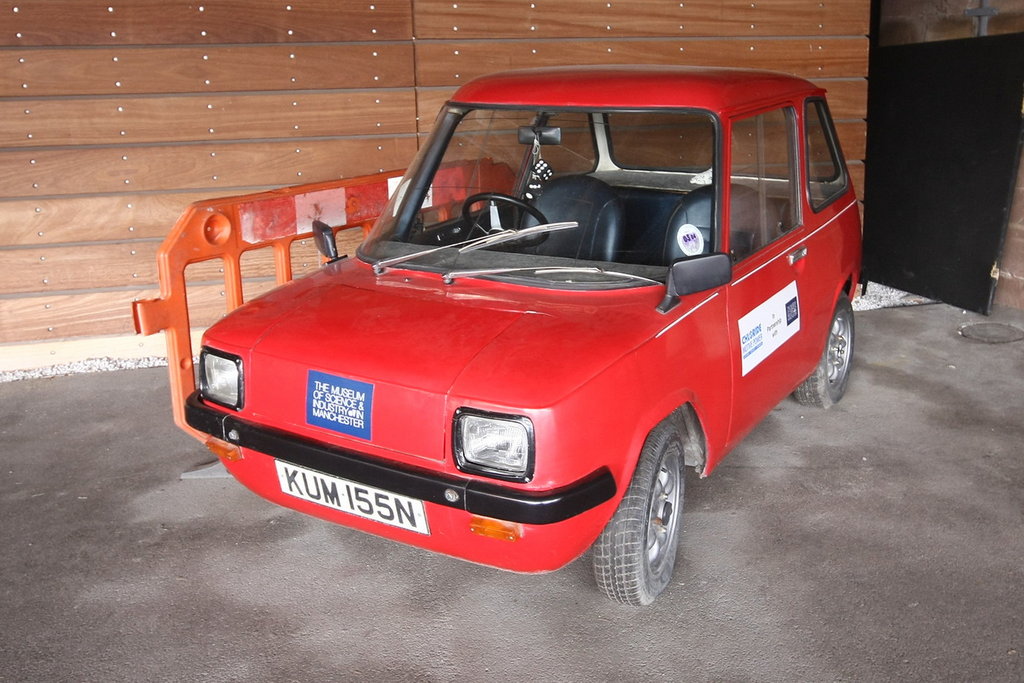
Enfield 8000
Pioneering electric city car from the Isle of Wight. Featuring an aluminium body on a steel chassis, it was powered by an 8hp electric motor and lead-acid batteries. The Electricity Council ordered 66 cars for fleet testing trials.
Years
1973-76
Engine
Electric motor
Body Style
Microcar
Production
103
Power: Weight
8 hp
Dimensions
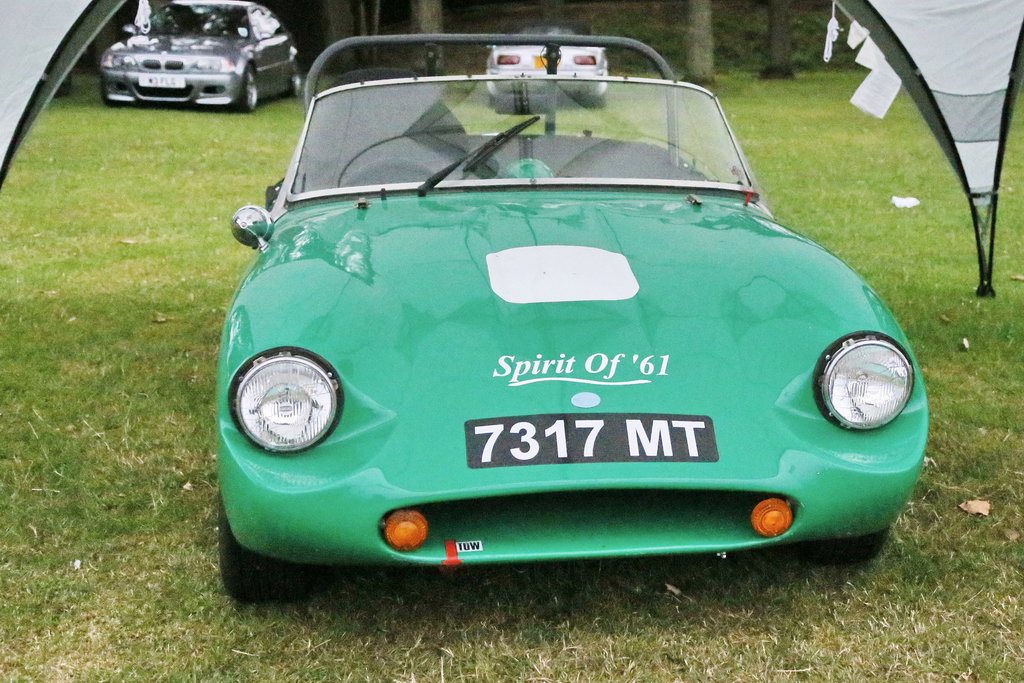
Fairthorpe Electron
Lightweight sports car featuring a Microplas Mistral glass fibre body over a steel chassis, and Coventry Climax engine. The engine was expensive, which limited production.
Years
1956-65
Engine
1098cc S4 OHC Coventry Climax
Body Style
Sportscar
Production
c. 30
Power: Weight
Dimensions
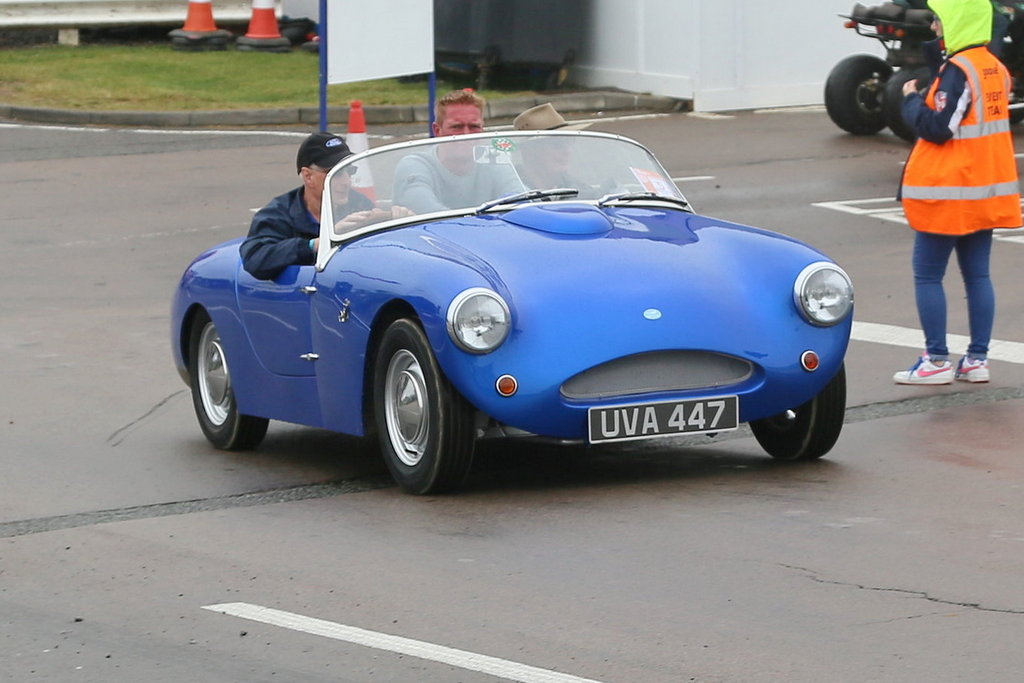
Fairthorpe Electron Minor
Probably saved the company by replacing the pricey Climax engine. Built on a tubular steel ladder chassis with a glass fibre body. It evolved through six marks, moving from Standard 10 engine through Herald and Spitfire units.
Years
1957-73
Engine
948/1147/1296cc S4 OHV Triumph
Body Style
Sportscar
Production
c. 500
Power: Weight
Dimensions
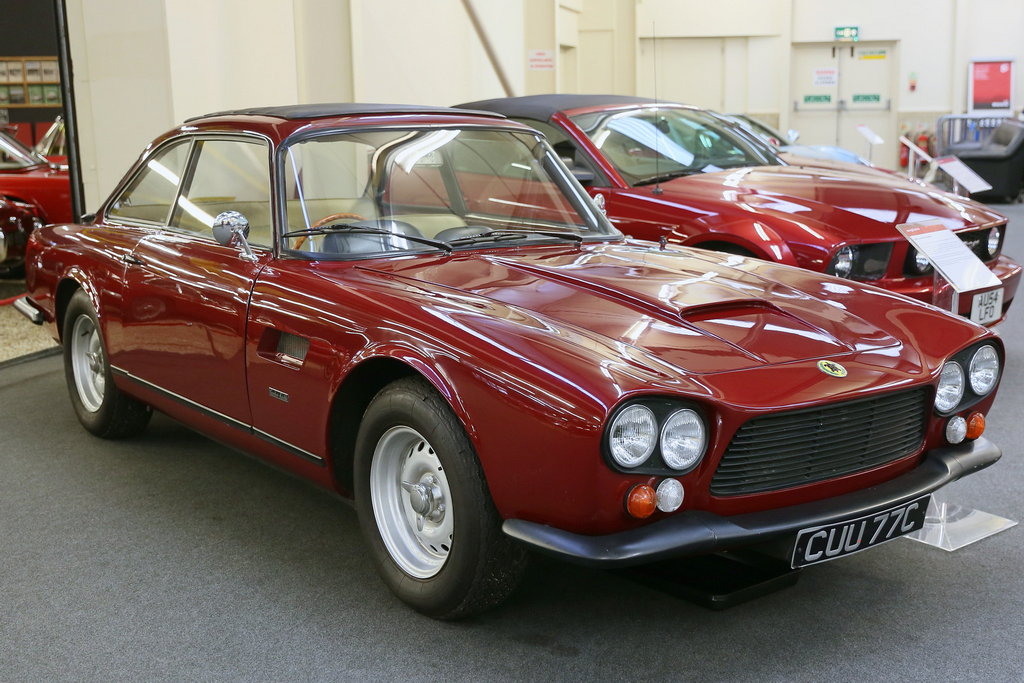
Gordon-Keeble GK1 / IT
Magnificent Anglo-American grand tourer, conceived by John Gordon and Jim Keeble. Featuring a Giugiaro-styled glass fibre body over a square-tube spaceframe chassis, and powered by a thunderous Chevrolet V8 engine.
Years
1964-67
Engine
5395cc V8 OHV Chevrolet
Body Style
Sports saloon
Production
99
Power: Weight
Dimensions
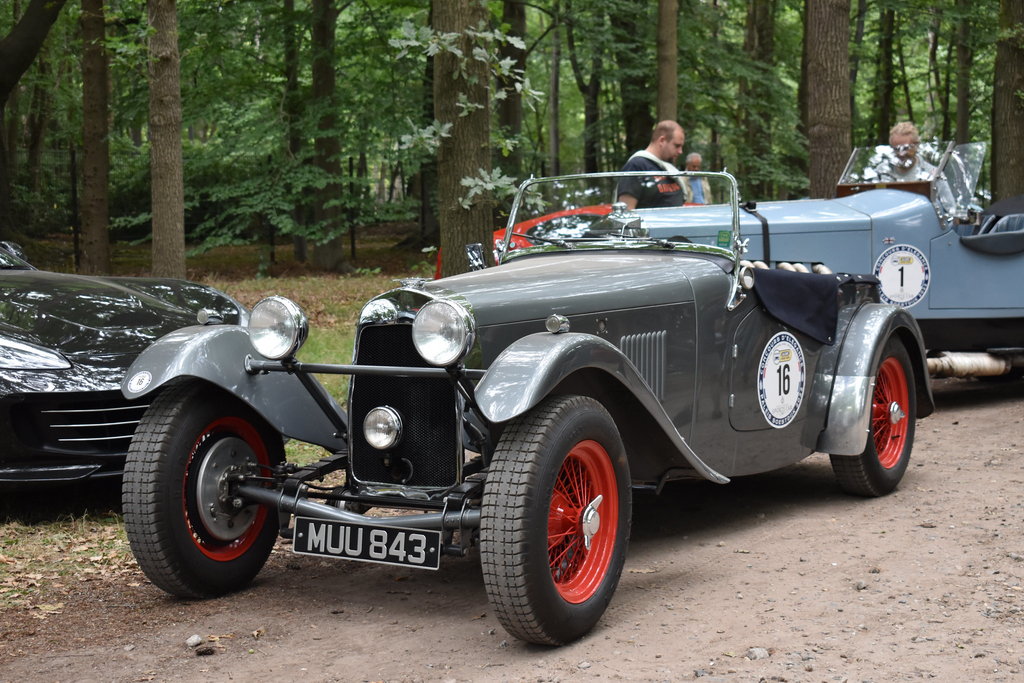
HRG 1100/1500
Quintessentially traditional British sports cars built in Surrey. Mating a stark, ultra-lightweight chassis with vintage styling. Singer engines replaced the pre-War Meadows units.
Years
1939-55
Engine
1047/1496cc S4 OHC Singer
Body Style
Sports racer
Production
49/138
Power: Weight
Dimensions
Photo: Flickr
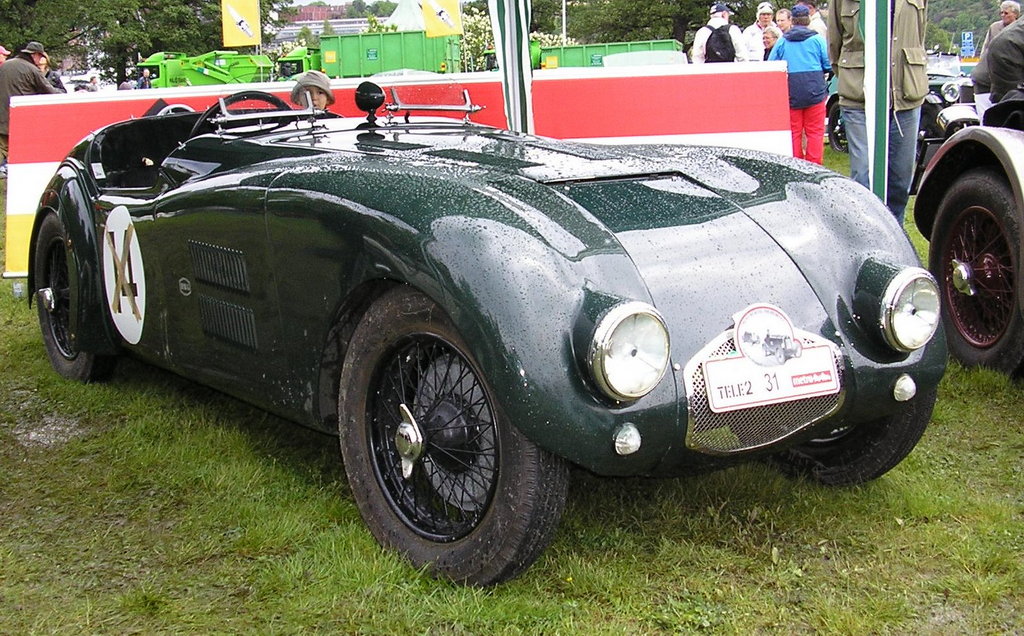
HRG 1500 Aerodynamic
The traditional chassis clothed in a pioneering, streamlined aluminium body built by Fox & Nicholl.
Years
1946-48
Engine
1496cc S4 OHV Singer
Body Style
Sports racer
Production
30
Power: Weight
Dimensions
Photo: Flickr
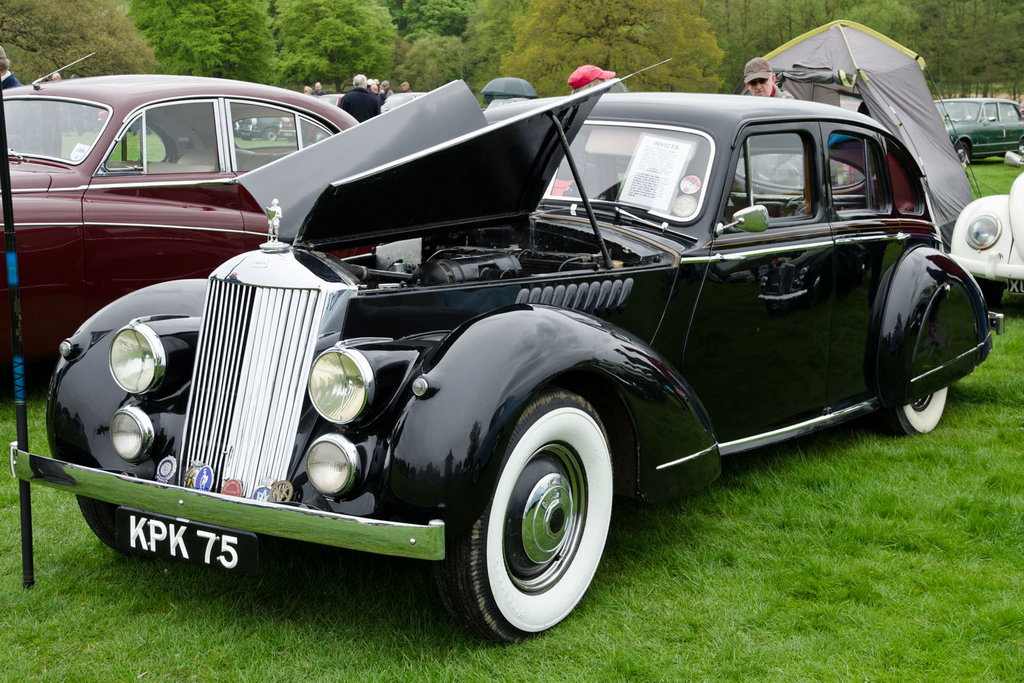
Invicta Black Prince
Advanced luxury car intended to rival Bentley. It featured a complex 3.0-litre DOHC Meadows engine and a pioneering, automatic torque converter. 24v, twin spark. Extremely expensive to build, and inevitably became unsustainable.
Years
1946-50
Engine
2998cc S6 DOC Meadows
Body Style
Saloon, DHC, specials
Production
c. 25
Power: Weight
Dimensions
Photo: Flickr
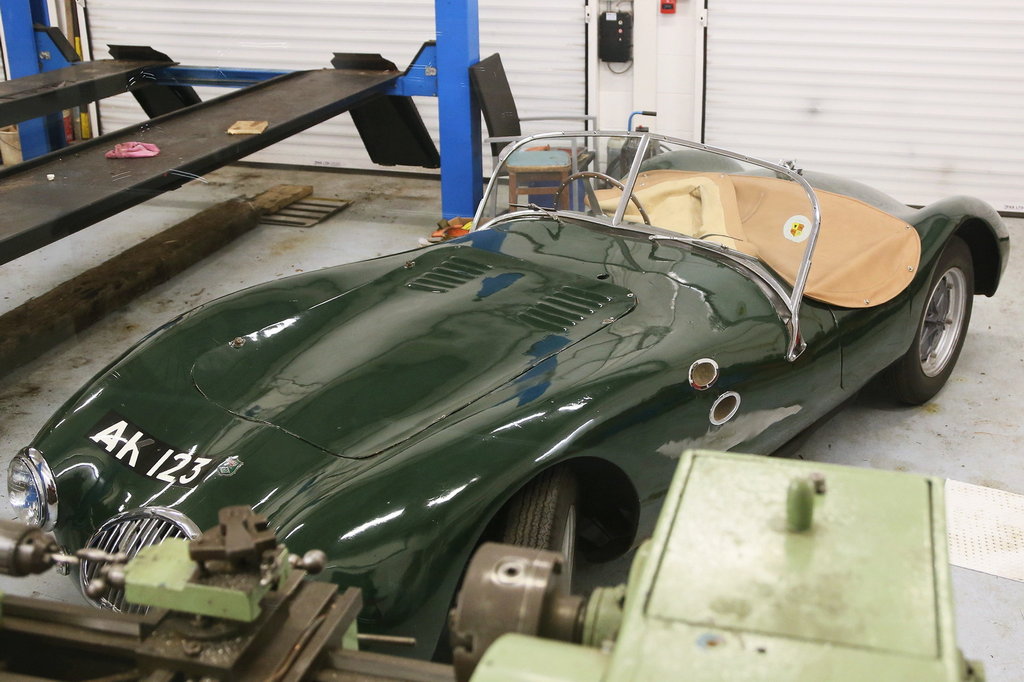
Kieft
Pioneering British racer. It was the first car to use the famous Coventry Climax FWA engine. Revolutionary, lightweight one-piece fibreglass body over a tubular ladder chassis.
Years
1954-56
Engine
1098cc S4 OC
Body Style
Sportscar
Production
c. 6
Power: Weight
Dimensions.