Founded in Coventry in 1895, Lea-Francis established a reputation for highly engineered, distinctive British motor cars. The company found its true stride during the inter-war period, achieving legendary motorsport success when a supercharged Hyper model won the 1928 Ulster Tourist Trophy.
Throughout the 1920s and 1930s, the company refined a varied line-up of sporting tourers, saloons, and innovative designs like the Ace of Spades, though frequent financial collapses repeatedly halted momentum (by 1931, the company fell into a brutal receivership that dragged on for nearly six years). To power these vehicles, the company initially relied heavily on proprietary units, most famously Meadows 1¼-litre and 1½-litre overhead-valve four-cylinder engines, alongside occasional side-valve engines from Coventry-Simplex and Anzani.
Post-war production relied on Hugh Rose’s robust twin-camshaft overhead-valve engine, featuring high-mounted camshafts and short pushrods that mirrored Riley’s layout. This potent powerplant motivated an array of elegant saloons, sleek sports cars, and the wooden-bodied Fourteen Estate.
Despite engineering excellence, acute financial struggles and the failure of the radical, Ford-powered Lynx roadster forced the historic manufacturer to permanently abandon car production in 1960.
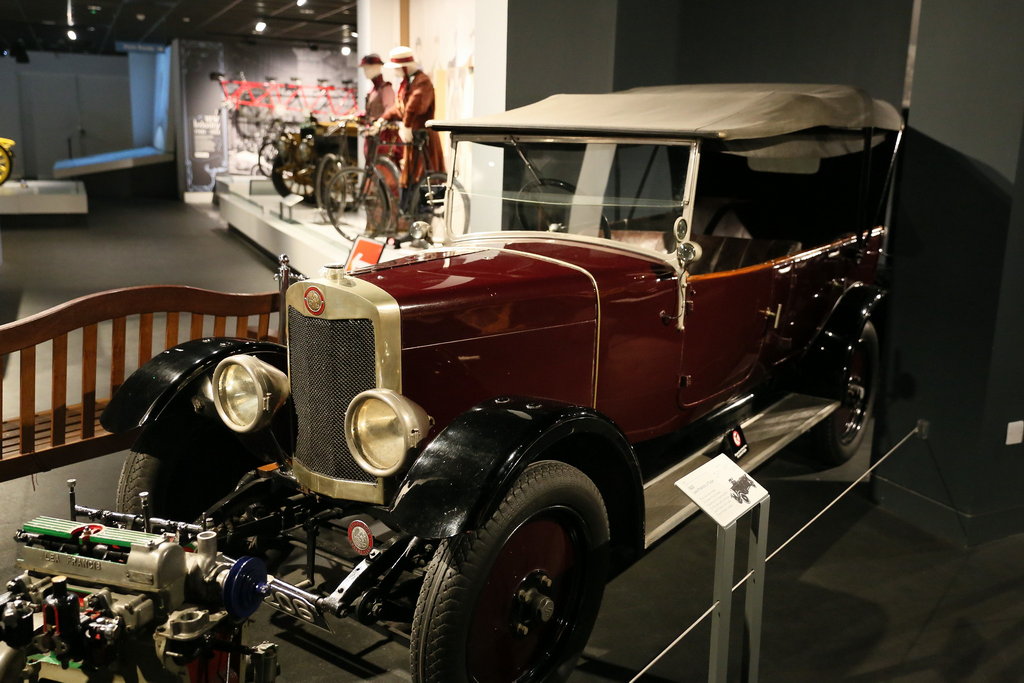
Lea-Francis J-Type
The company’s core 12hp model, which – unlike many utilitarian pre-war family saloons, it focused on premium, assembled-car quality, with 4-wheel brakes. The stretched wheelbase allowed a decent amount of interior space.
Years
1925-28 (1923-30 all)
Engine
1496cc S4 OHV Meadows
Body Style
Tourers, saloons
Production
2350 (all)
Power: Weight
28 bhp
Dimensions
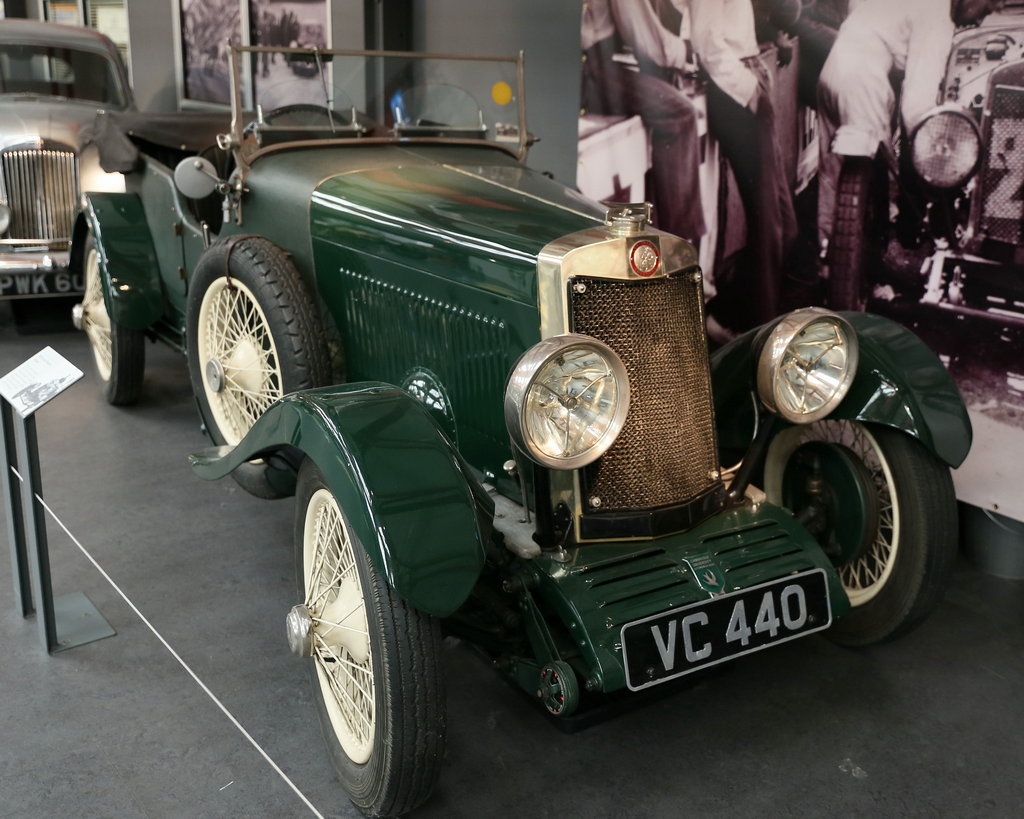
Lea-Francis Hyper
Britain’s first supercharged production sports car, built to dominate tracks – and achieved motorsport legendary status by winning the 1928 Ulster Tourist Trophy. Its low-slung chassis and high-speed reliability made it highly prized.
Years
1928-31
Engine
1496cc S4 OHV sc
Body Style
Sportscar
Production
c. 185
Power: Weight
Dimensions
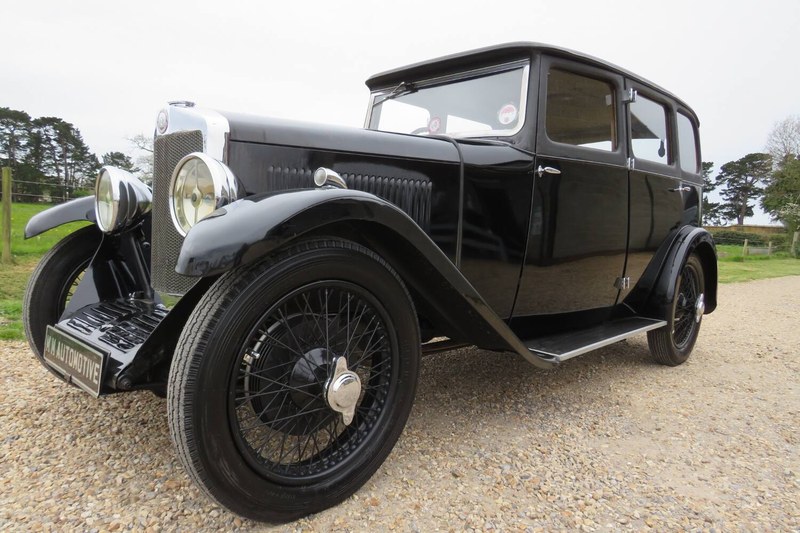
Lea-Francis 2-Litre ‘Ace of Spades’
Premium model, powered by the company’s own advanced, single overhead-camshaft six-cylinder engine, which offered luxury, refinement and high-speed cruising. The company’s financial collapse halted production in 1935.
Years
1930-35
Engine
1991/2244cc S6 OC
Body Style
Saloon, coupe, tourer, sports
Production
c. 67
Power: Weight
Dimensions
Photo: C&C
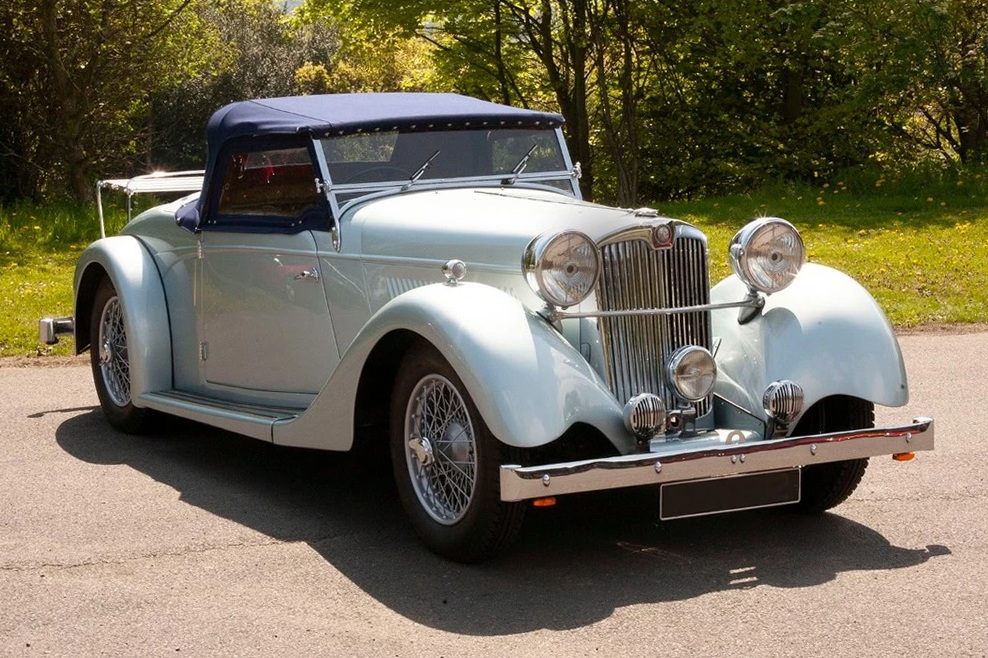
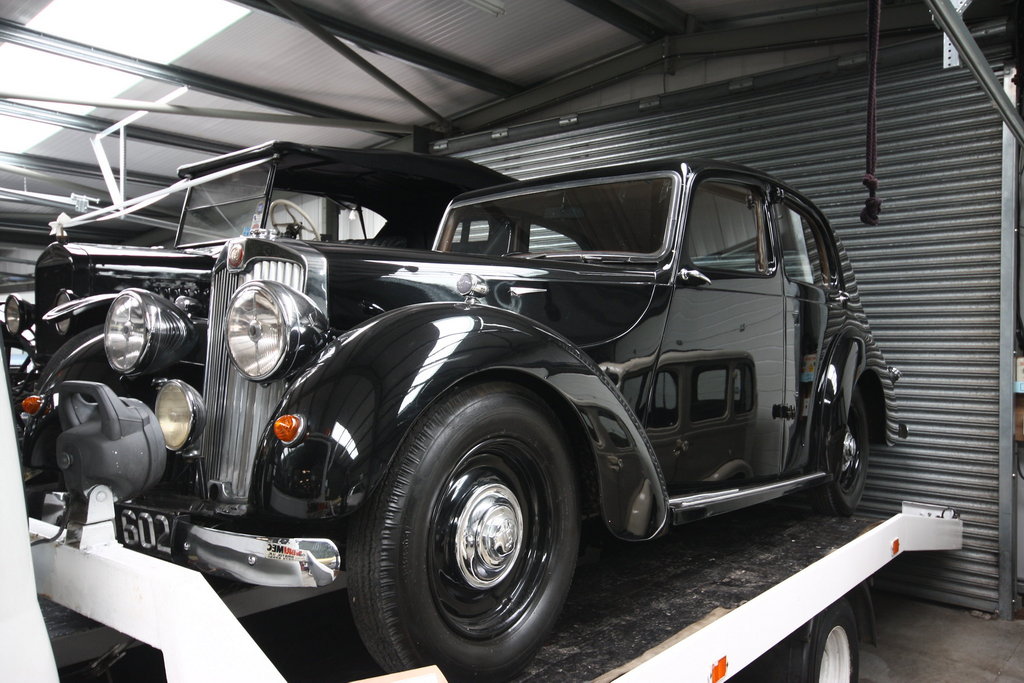
Lea-Francis 12 HP / 14 HP
Launched the brand’s resurrection, debuting the sophisticated high-cam engine, wrapped in elegant, streamlined coachwork. Successfully re-established the company’s engineering credentials, and new mechanical blueprint.
Years
1938-40
Engine
1496/1629cc S4 OHV
Body Style
Saloons, DHC, tourer
Production
83
Power: Weight
Dimensions
Photo: Aston
Lea-Francis 14 HP
Post-war relaunch, with an enlarged version of the high-cam engine. A smaller-engined Twelve variant was briefly offered. Torsion bar IFS; headlights recessed from 1951. ‘Woody’ estate also available.
Years
1946-54
Engine
1496/1767cc S4 OHV
Body Style
Saloon, coupé, woody estate
Production
3137
Power: Weight
Dimensions
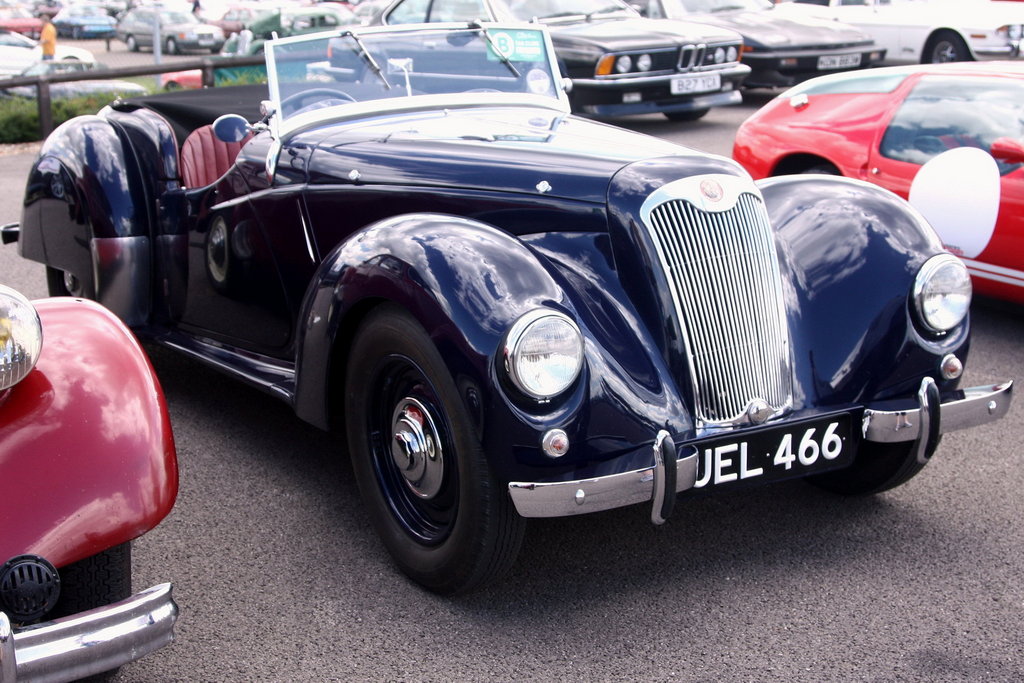
Lea-Francis 14 HP Sports / 2.5-Litre Sports
High-compression, twin-carb version of the saloon’s engine in a low-slung, lightweight two-seater aluminium body. A striking, aerodynamic roadster with genuine 90 mph performance, which achieved vital export sales.
Years
1947-49/1950-53
Engine
1496/1767/2496cc S4 OHV
Body Style
Roadster
Production
129/77
Power: Weight
87 bhp
Dimensions
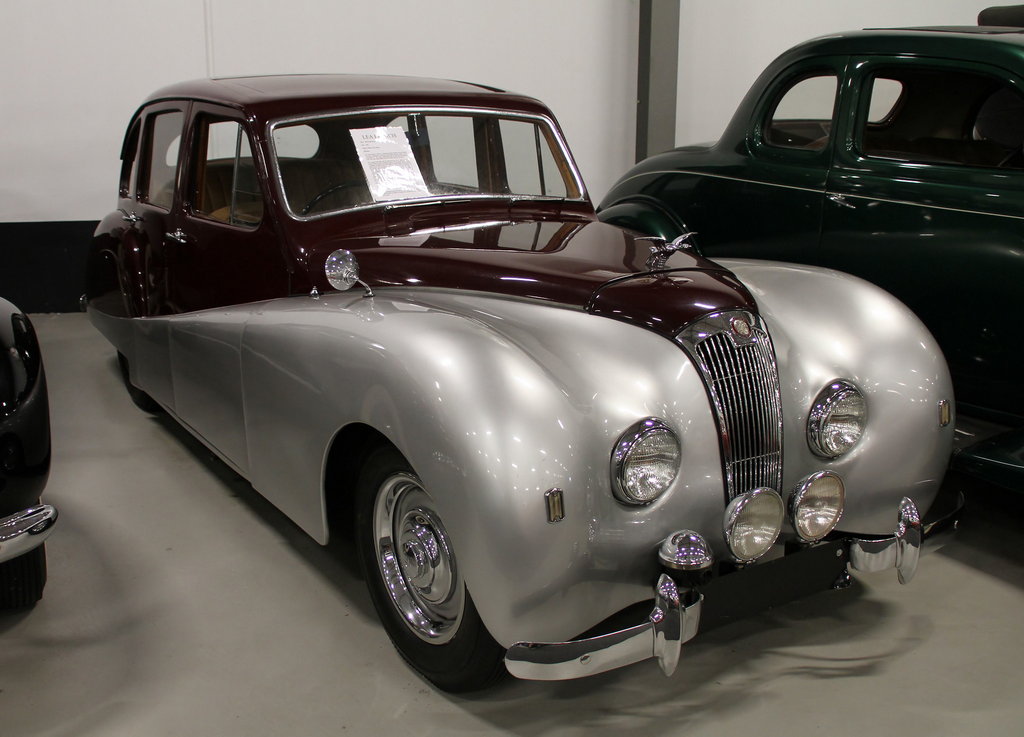
Lea-Francis 14/70 / 18HP
Upmarket, higher-performance development of the Fourteen, with beautifully finished, coachbuilt body. The 18 HP served as the flagship with bigger engine wider track chassis.
Years
1949-53
Engine
Body Style
Saloon
Production
1767/2496cc S4 OHV
Power: Weight
Dimensions
Photo: Flickr
Leave a Reply