The Jaguar XK120 debuted in 1948, showcasing the twin-cam straight-six XK engine and achieving a record-breaking 120 mph. Its motorsport success inspired the pure-racing C-Type, which secured historic victories at the Le Mans 24 Hours in 1951 and 1953.
For road drivers, the XK140 arrived in 1954, introducing rack-and-pinion steering and an optional C-Type cylinder head for extra power. Concurrently, the legendary, aerodynamic D-Type racer dominated Le Mans with a hat-trick of wins from 1955 to 1957.
The road-going trilogy concluded with the 1957 XK150, featuring a wider body and pioneering four-wheel disc brakes. These exceptional machines firmly cemented Jaguar’s dual reputation for luxury grand touring and world-class endurance racing.
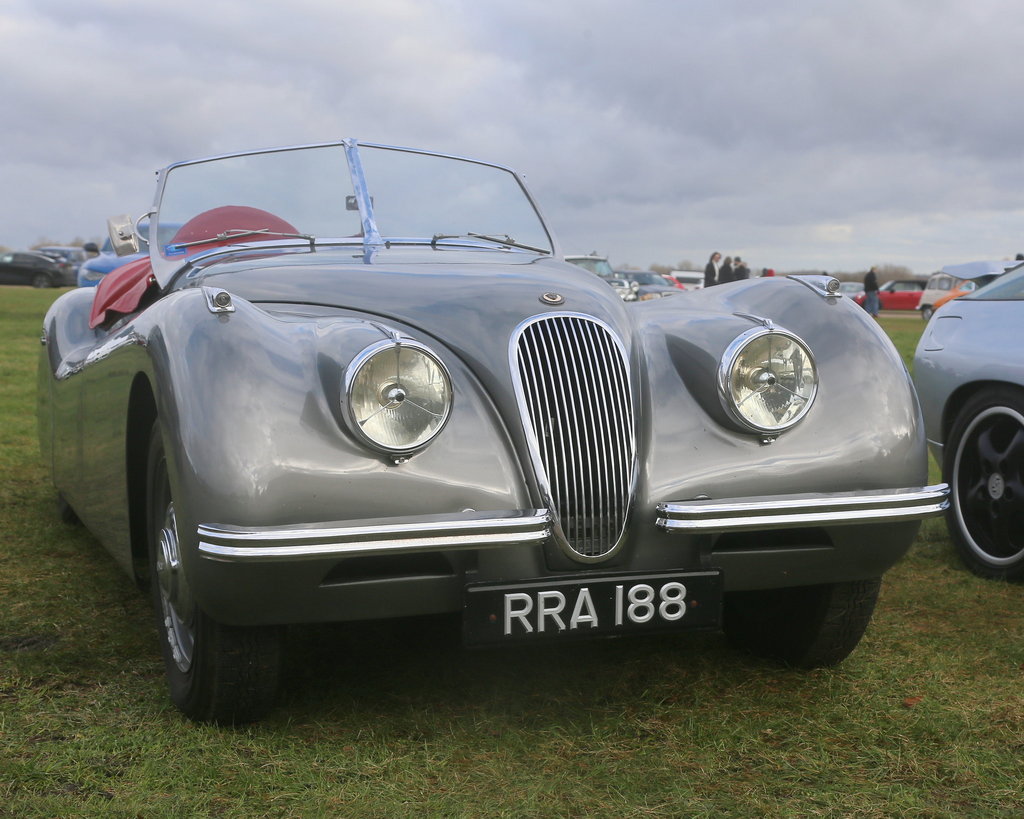
Jaguar XK120 Roadster
A post-war sensation. It debuted the legendary twin-cam, S6 XK engine, reaching a record-breaking 120 mph – the world’s fastest production car. Aluminium over ash switched to steel from 1950.
Years
1949-54
Engine
3442cc S6 DOC
Body Style
Roadster
Production
7612
Power: Weight
Dimensions
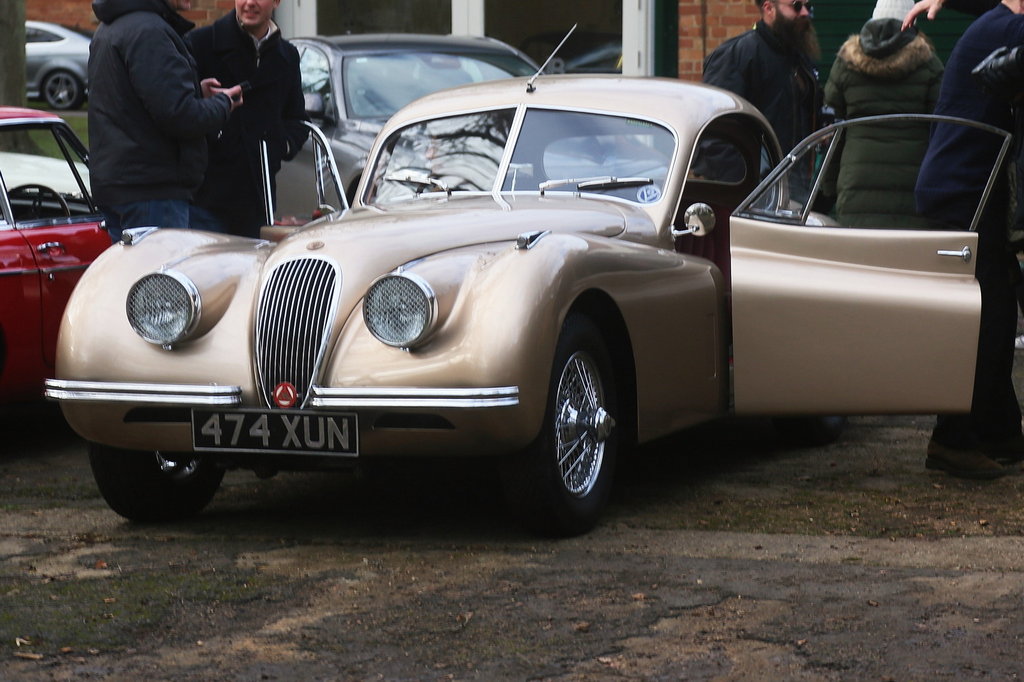
Jaguar XK120 Coupé
The FHC added a permanent steel roof, walnut-veneered dashboard, wind-up glass windows, and exterior door handles to the sportscar chassis.
Years
1951-54
Engine
3442cc S6 DOC
Body Style
Coupé
Production
2678
Power: Weight
Dimensions
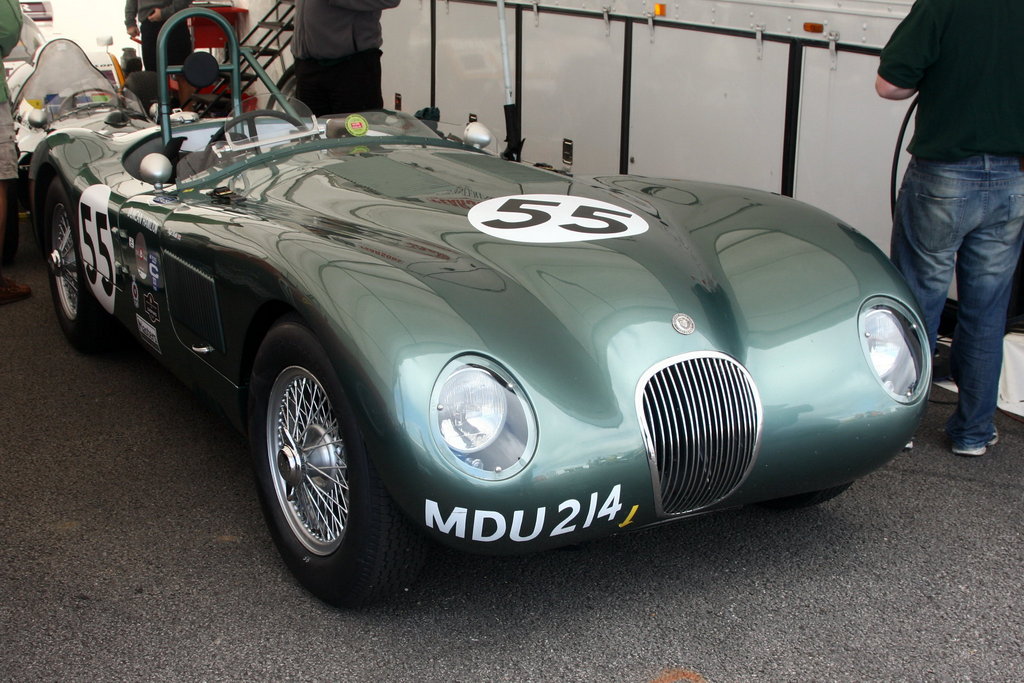
Jaguar C-Type
43 competition cars were sold to private owners – including the first three F1 world champions – many of whom too good advantage of the XK120 running gear, and registered them for road use.
Years
1951-53
Engine
3442cc S6 DOC.
Body Style
Sports racer
Production
53 (inc track cars)
Power: Weight
Dimensions
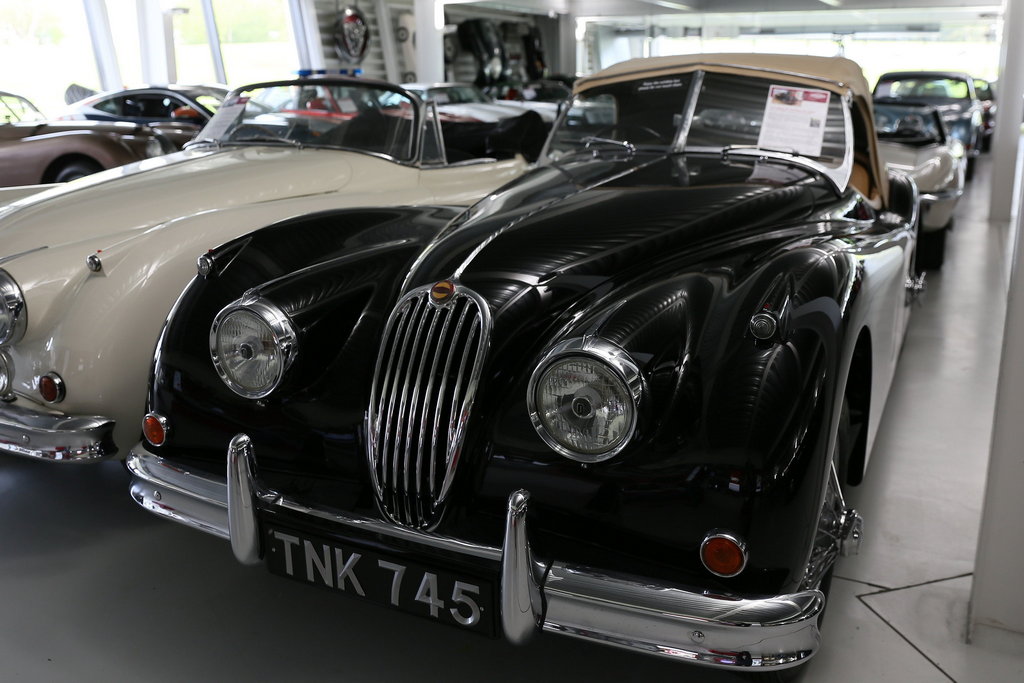
Jaguar XK140 Roadster
The Open-Top Sport “OTS” moved the engine forward to give more cabin space, and introduced rack-and-pinion steering, telescopic shock absorbers, and stronger bumpers.
Years
1955-57
Engine
3442cc S6 DOC
Body Style
Roadster
Production
3347
Power: Weight.
Dimensions
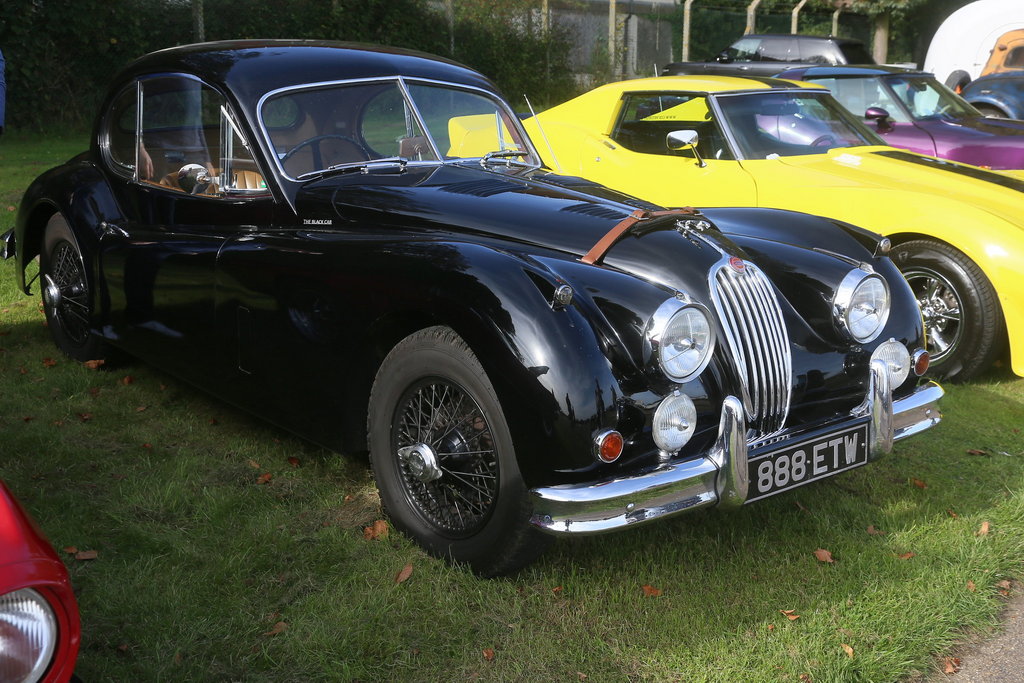
Jaguar XK140 Coupé
The FHC updated, and with a pair of tiny rear seats added to make it a 2+2.
Years
1955-57
Engine
3442cc S6 DOC
Body Style
Coupé.
Production
2797
Power: Weight
Dimensions
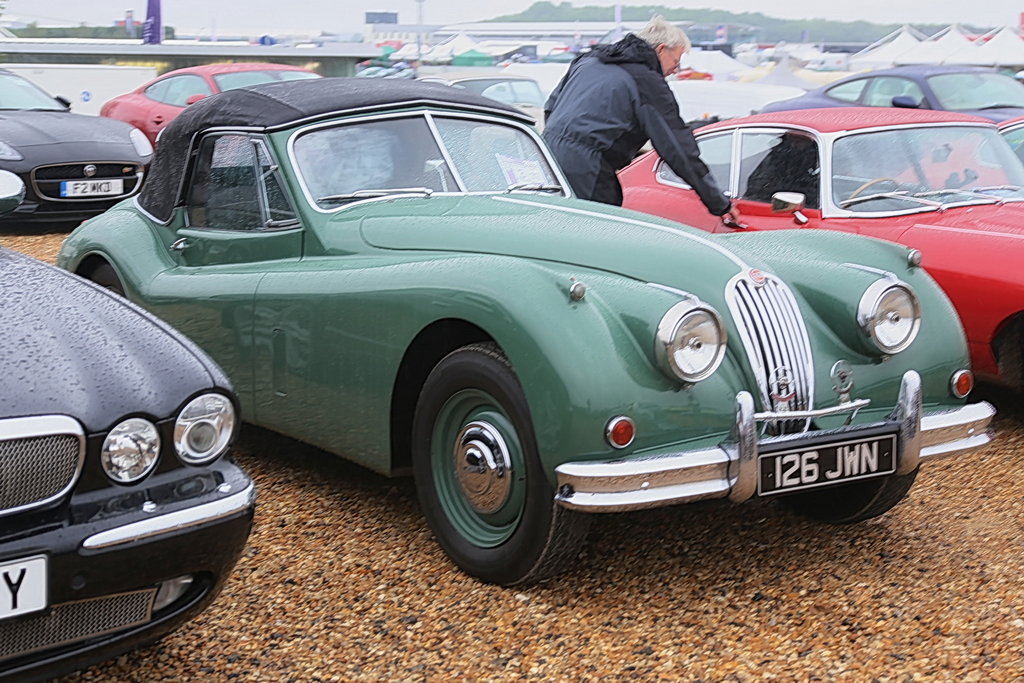
Jaguar XK140 DHC
Convertible version of the coupé with quarter lights and padded hood that stacks on the rear deck when folded – in contrast to the spartan roadster’s vanishing light hood and clip-on side screens .
Years
1955-57
Engine
3442cc S6 DOC.
Body Style
DHC
Production
2740
Power: Weight
Dimensions
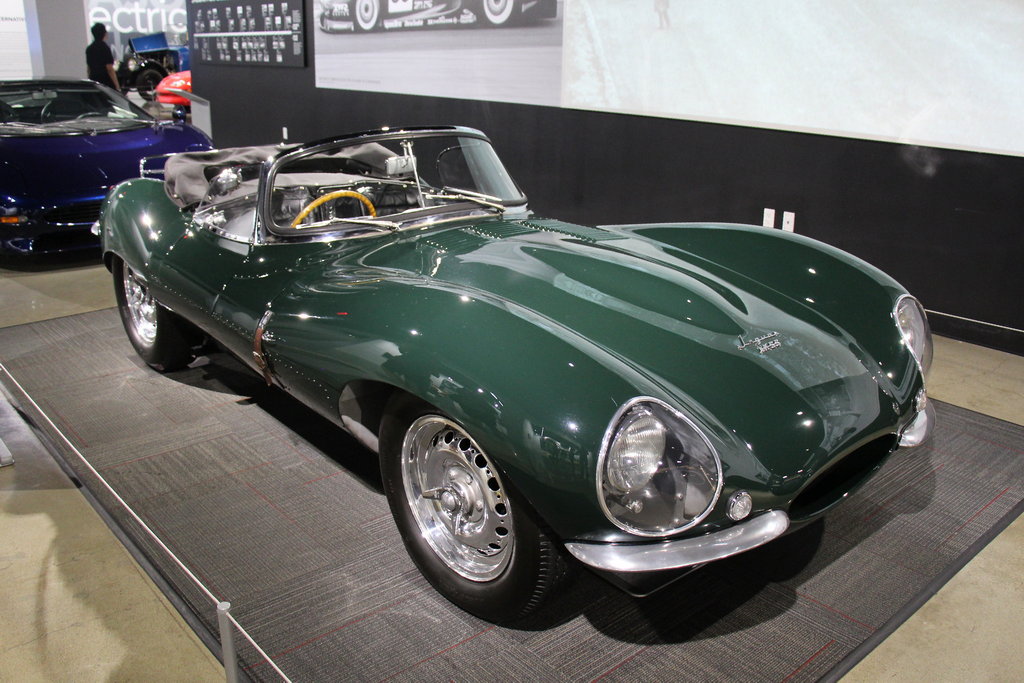
Jaguar XK-SS
Following Jaguar’s 1956 withdrawal from motorsport, the remaining, D-Type chassis were converted into road-going supercars, complete with windscreen, door, soft top, and a side-exiting silenced exhaust.
Years
1957
Engine
3442cc S6 DOC
Body Style
Roadster
Production
25
Power: Weight
Dimensions
Photo: Flickr
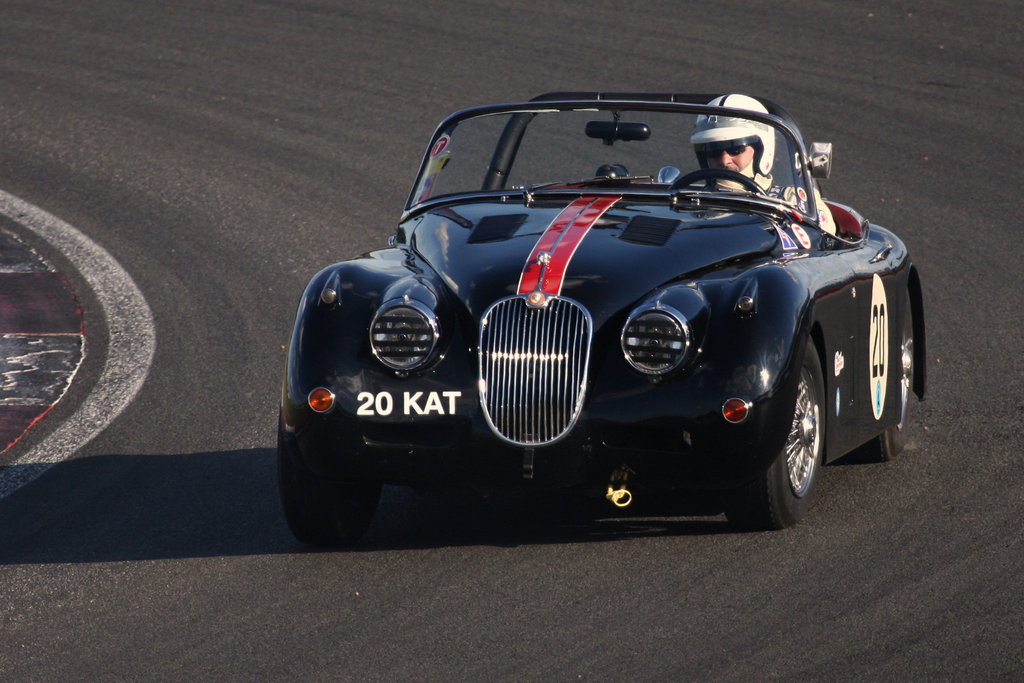
Jaguar XK150 / XK150S Roadster
Modernised the line with a higher waistline, grille, and a one-piece curved windscreen. Introduced 4-wheel Dunlop disc brakes and wind-up side windows – still with flush-folding canvas roof.
Years
1958-61
Engine
3442/3781cc S6 DOC
Body Style
Roadster
Production
1339/924
Power: Weight
190/250; 220/265 bhp
Dimensions
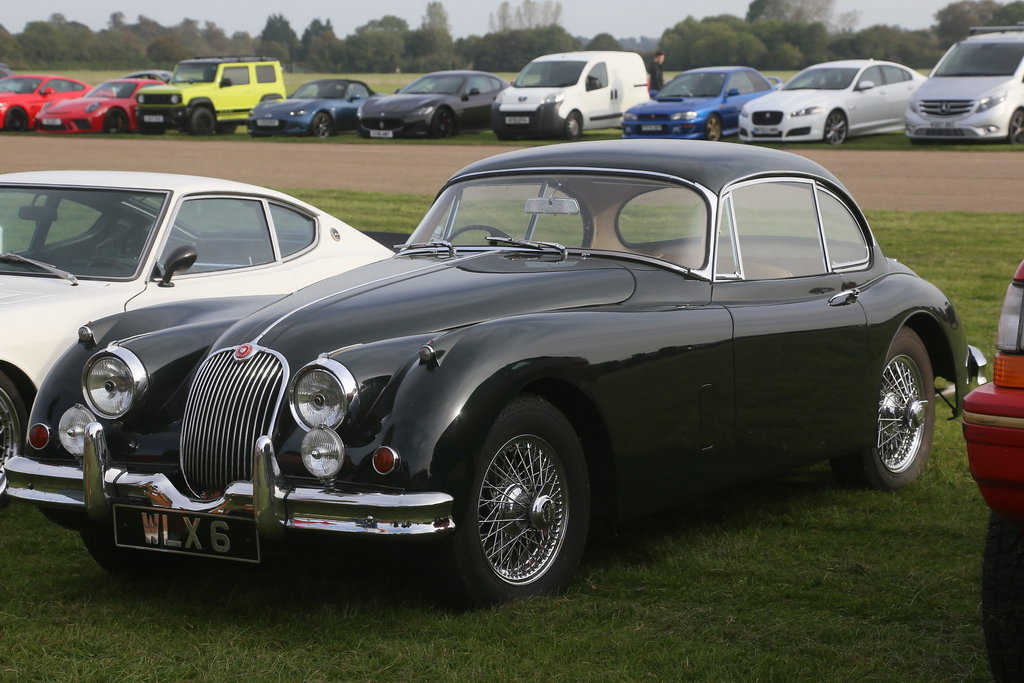
Jaguar XK150 / XK150S Coupé
The luxury FHC version, now with a leather-trimmed dashboard. Like the other XK150 models, the “S” gained a huge power increase from upgrades like triple carbs, straight-port heads, higher compression.
Years
1957-61
Engine
3442/3781cc S6 DOC
Body Style
Coupé
Production
4101/349
Power: Weight
190/250; 220/265 bhp
Dimensions
S models only distinguishable by bonnet and door badges
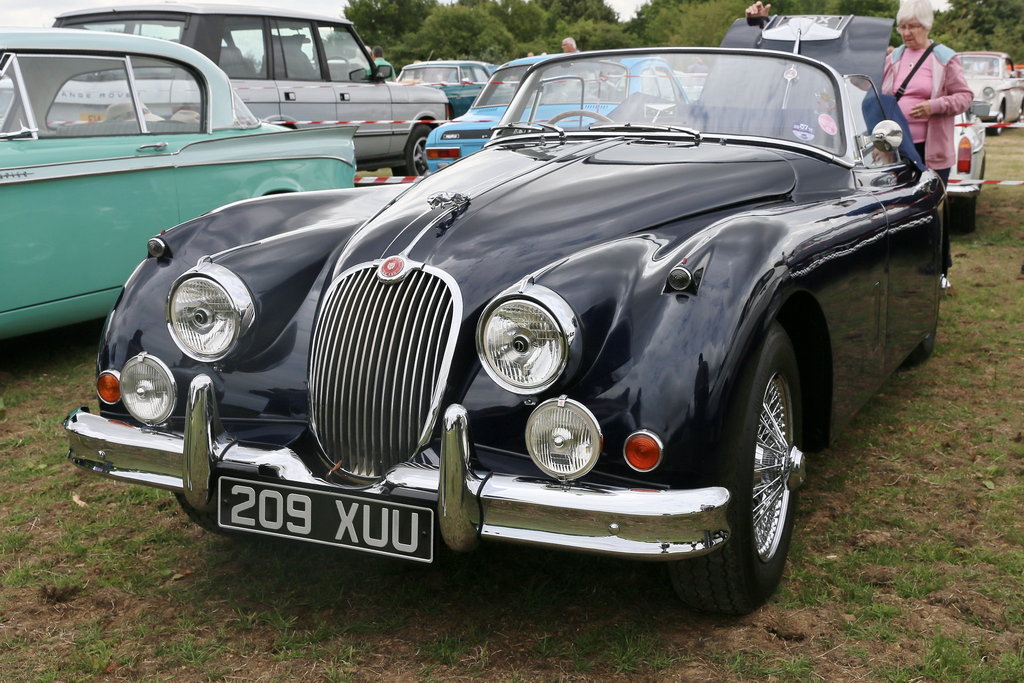
Jaguar XK150 / XK150S DHC
Convertible version. Like the other XK150 models, got the larger engine from 1959 (with the S mods remaining available on the 3.8). The engine mods were needed to fight off V8 competition in the US.
Years
1957-61
Engine
3442/3781cc S6 DOC
Body Style
DHC
Production
2489/103
Power: Weight
190/250; 220/265 bhp
Dimensions