The MGA, MGB, MGB GT V8, and MGC represent the post-war golden era of Abingdon’s sports cars.
Launched in 1955, the MGA broke tradition with beautiful, aerodynamic, body-on-frame styling. Over 100,000 models were built, cementing MG’s global reputation. Its monocoque successor, the MGB, arrived in 1962. Offering superior cabin space and comfort, it became Britain’s best-selling medium sports car.
The rare MGC (1967–1969) added a heavy 3.0-litre straight-six engine under a distinct twin-bulge bonnet. Its nose-heavy handling restricted popularity. Perfecting the multi-cylinder formula, the MGB GT V8 (1973–1976) wedded the coupe body to a lightweight, all-alloy 3.5-litre Rover V8. Only 2,591 factory units were built, making it a prized collector’s piece today.
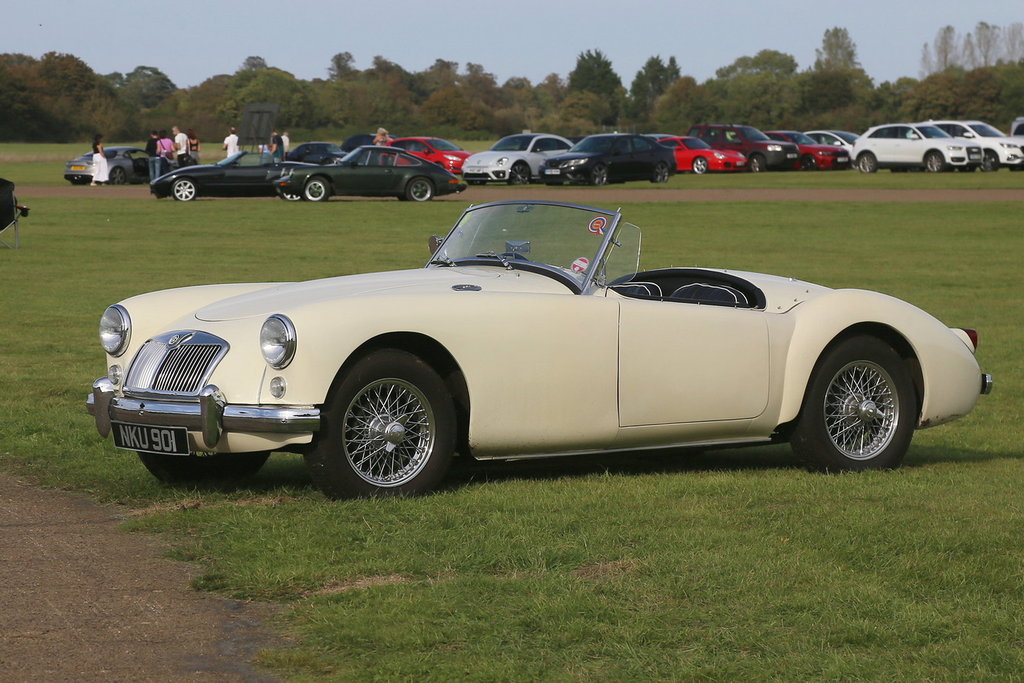
MG A
The 1955 MGA 1500 modernised MG with sleek, aerodynamic, body-on-frame styling, replacing the traditional T-Series. Its B-Series engine gave 68 bhp and 90 mph. More than 80% exported, primarily to North America.
Years
1955-59
Engine
1489cc S4 OHV
Body Style
Roadster
Production
58,750
Power: Weight
68 bhp
Dimensions
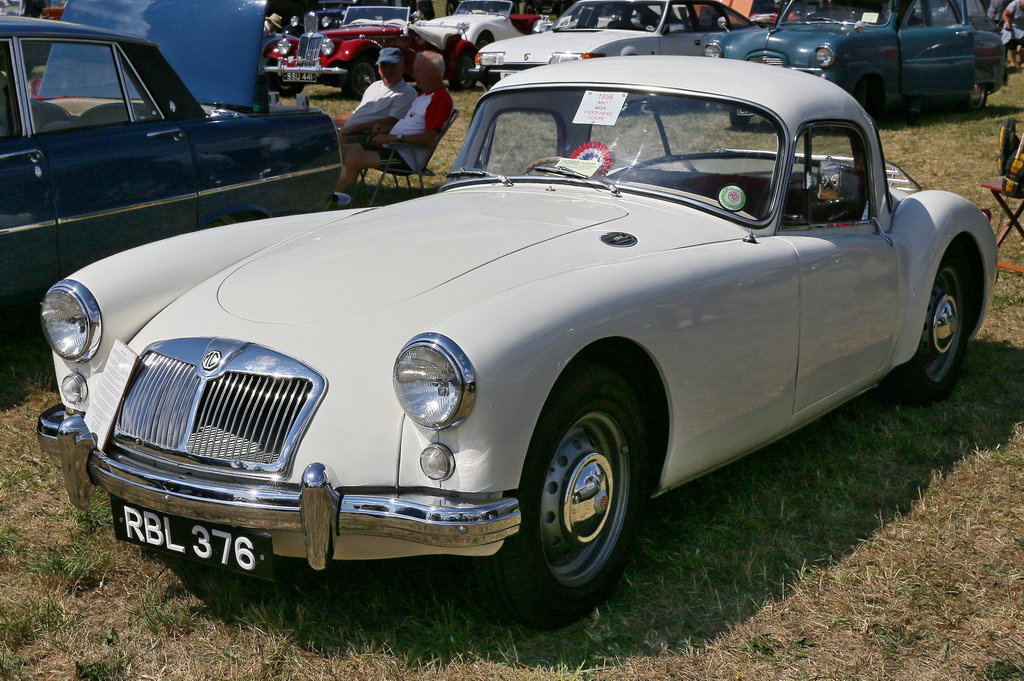
MG A Coupé
The FHC added wind-up windows, external door handles, and a rigid steel roof to the sports car chassis, giving weatherproofing and a degree of refinement.
Years
1956-59
Engine
1489cc S4 OHV
Body Style
Coupé
Production
.
Power: Weight
Dimensions
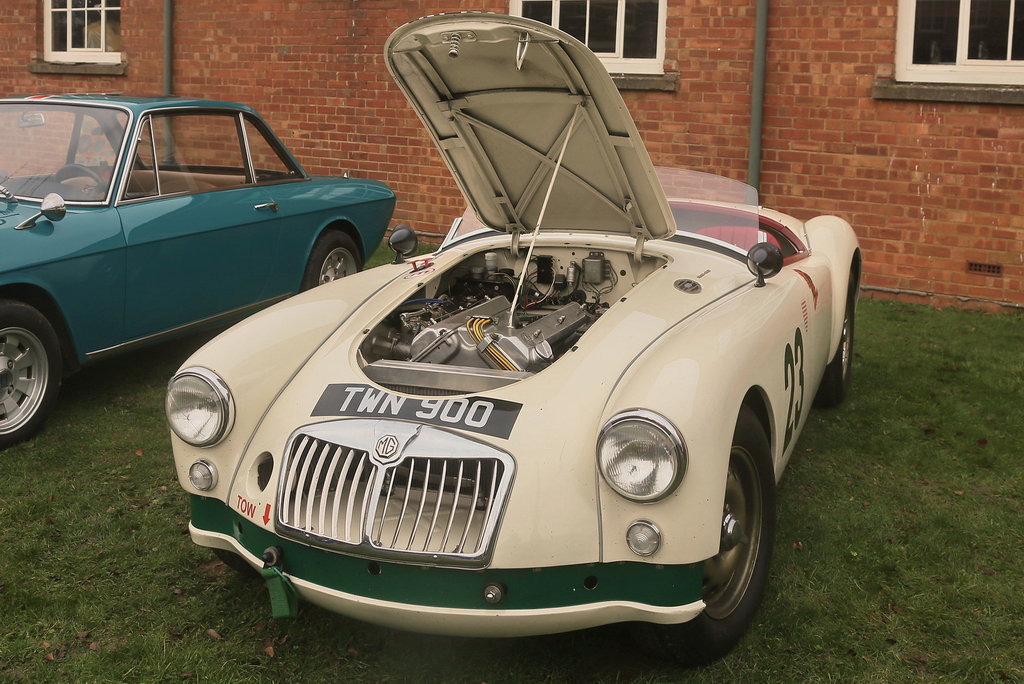
MG A Twin Cam
This high-performance variant featured a complex double-overhead-camshaft engine putting out 108 bhp. Dunlop four-wheel disc brakes, and distinctive knock-off steel wheels. But engine reliability issues cut production short.
Years
1958-60
Engine
1588cc S4 DOC
Body Style
Roadster, coupé
Production
2111
Power: Weight
108 bhp
Dimensions
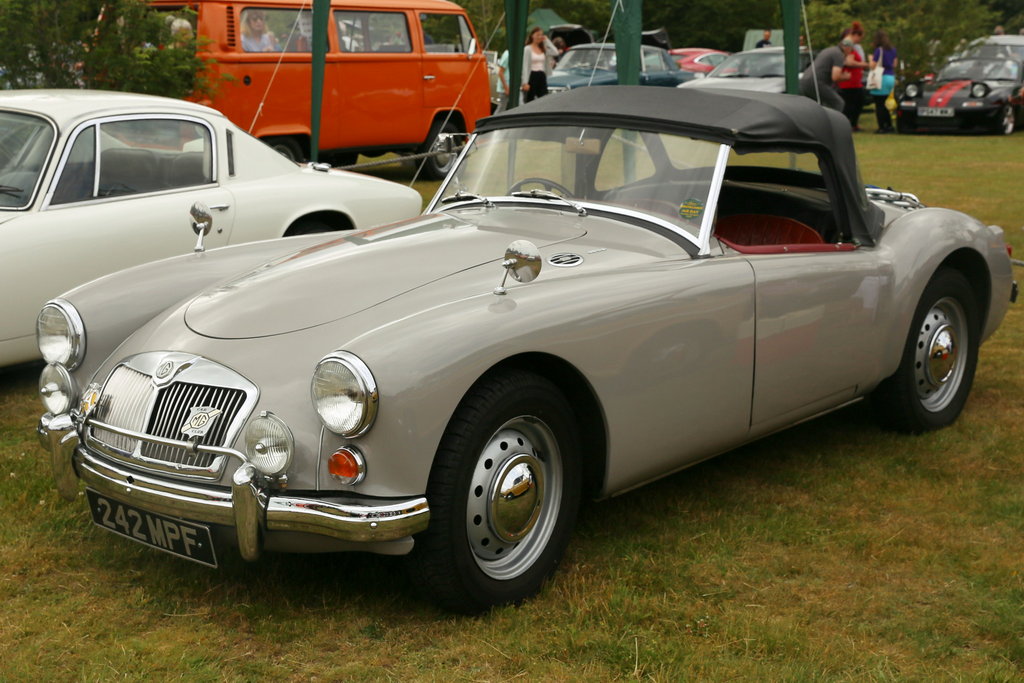
MG A 1600
The MGA 1600 brought the enlarged B-series, and standard Lockheed disc brakes.
Years
1959-61
Engine
1588cc S4 OHV
Body Style
Roadster
Production
.
Power: Weight
79 bhp
Dimensions
Amber indicator lenses on wings.
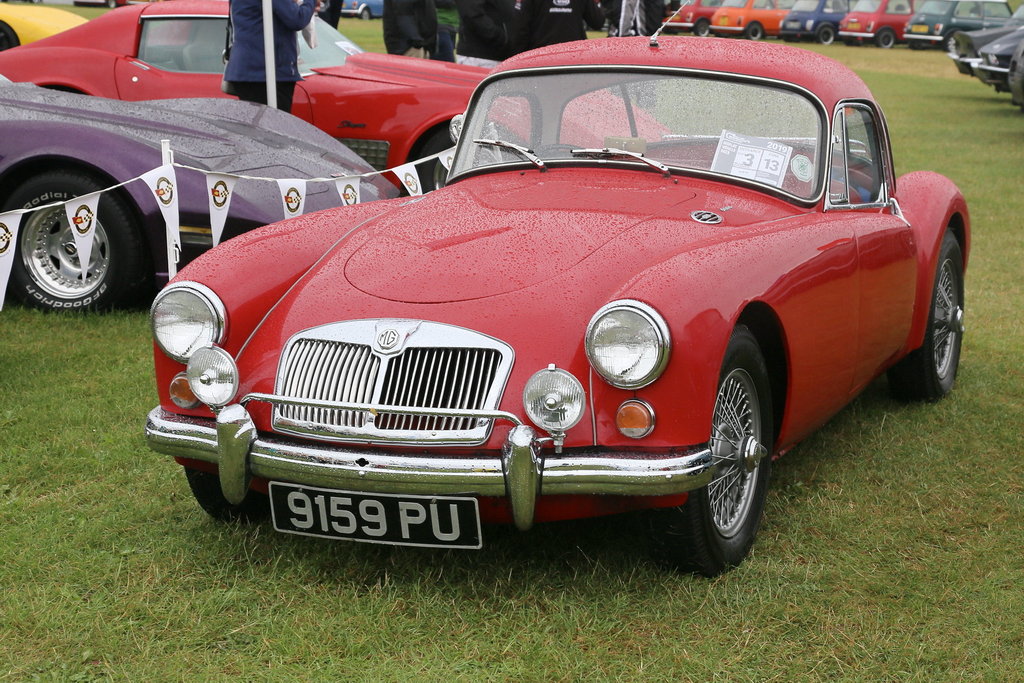
MG A 1600 Coupé
FHC version
Years
1959-61
Engine
1588cc S4 OHV
Body Style
Coupé
Production
.
Power: Weight
Dimensions
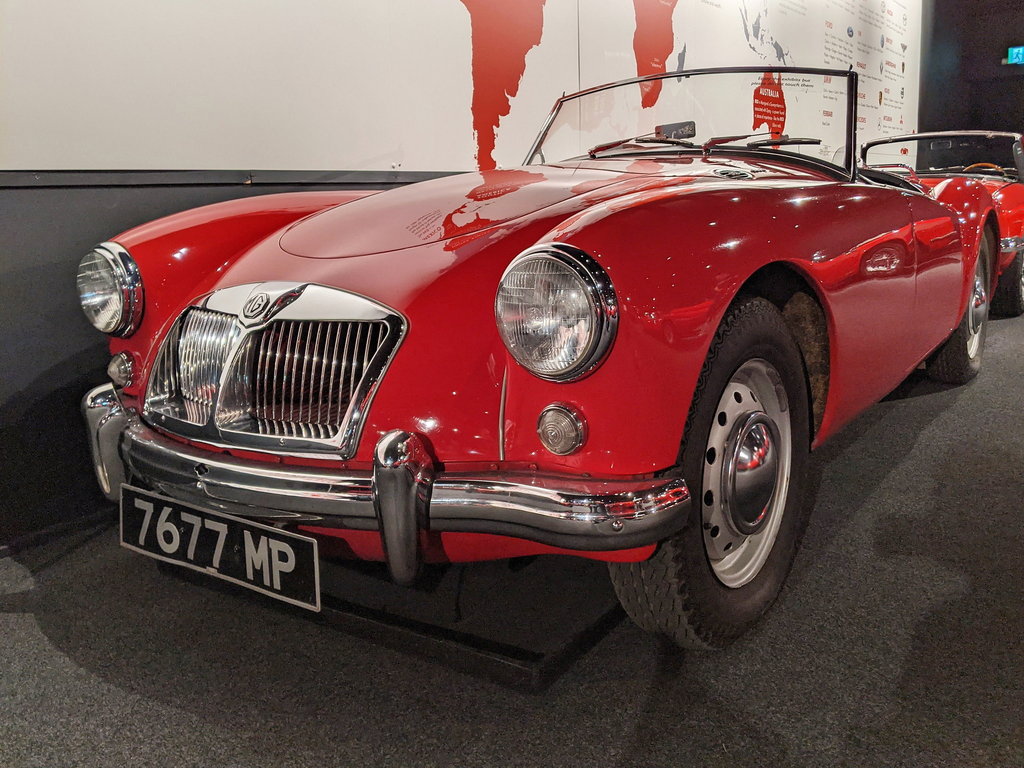
MG A 1600 Mk II
Another capacity and power boost. New inset front grille with recessed vertical slats, and a revised rear deck featuring Mini-style horizontal tail lamps below the boot lid.
Years
1961-62
Engine
1622cc S4 OHV
Body Style
Roadster
Production
.
Power: Weight
90 bhp
Dimensions
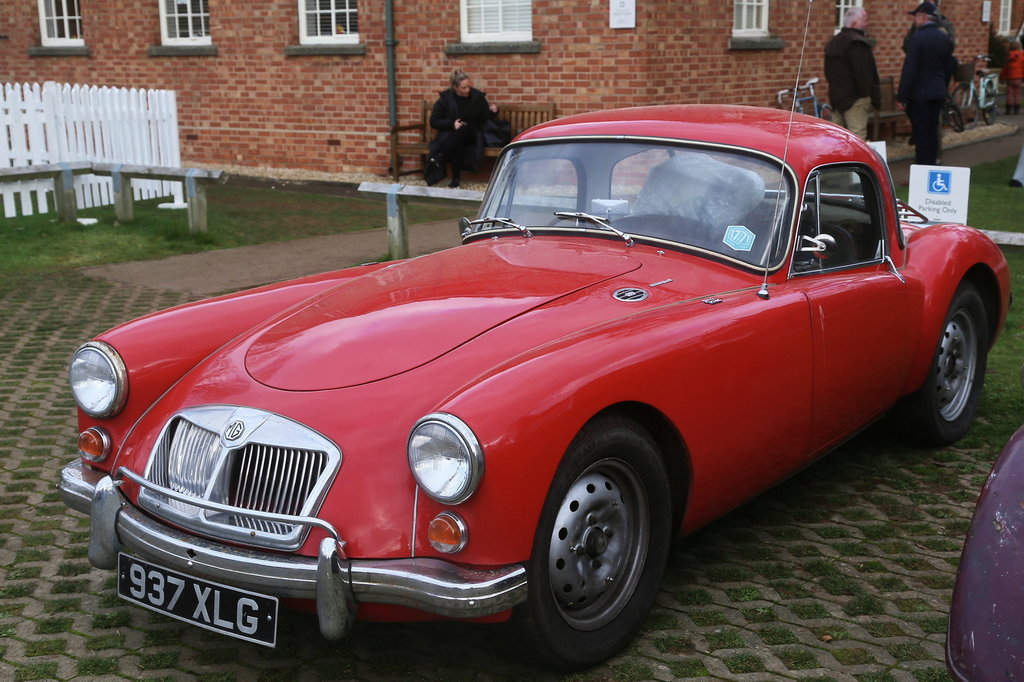
MG A 1600 Mk II
FHC version
Years
1961-62
Engine
1622cc S4 OHV
Body Style
Coupé
Production
.
Power: Weight
Dimensions
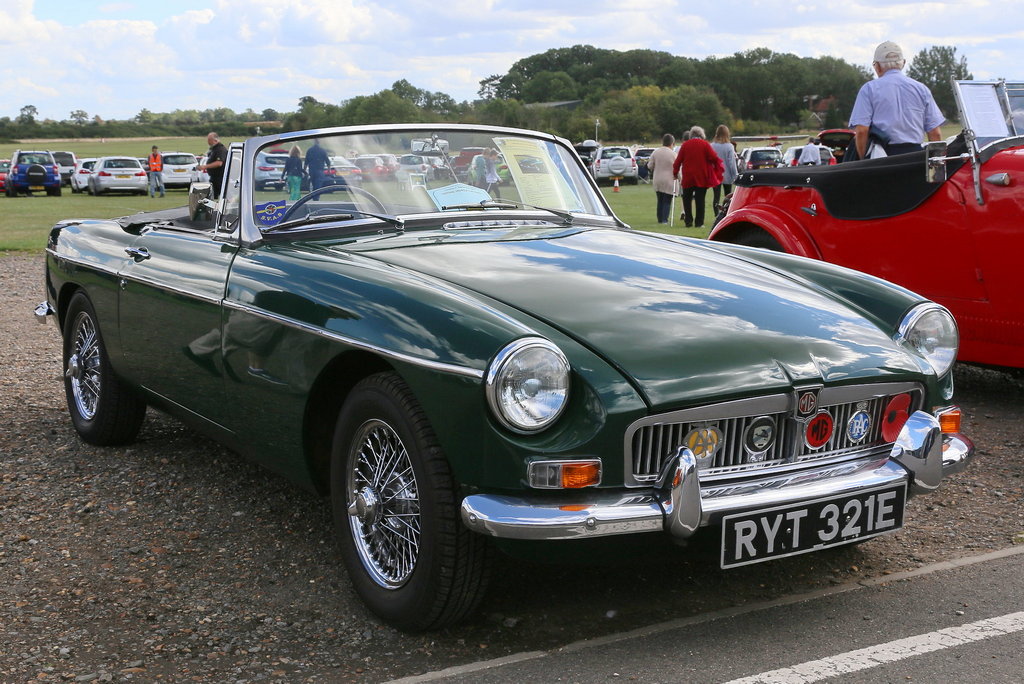
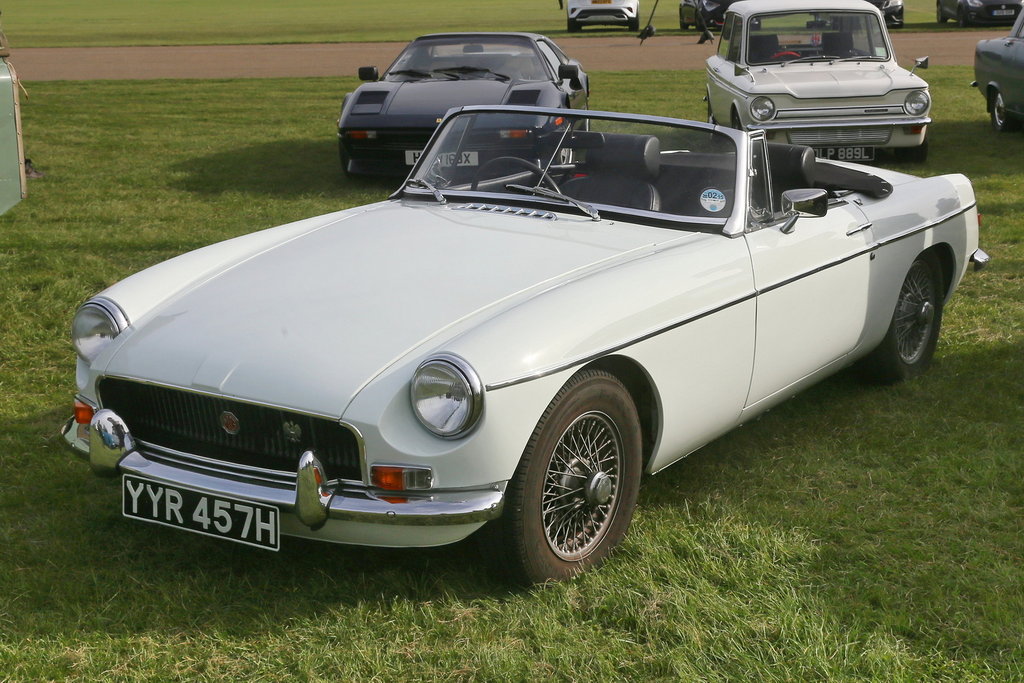
MG B
The MGB revolutionised the brand by moving to a spacious monocoque structure. Aluminium bonnet.
Years
1962-67
Engine
1798cc S4 OHV
Body Style
Roadster
Production
.
Power: Weight
Dimensions
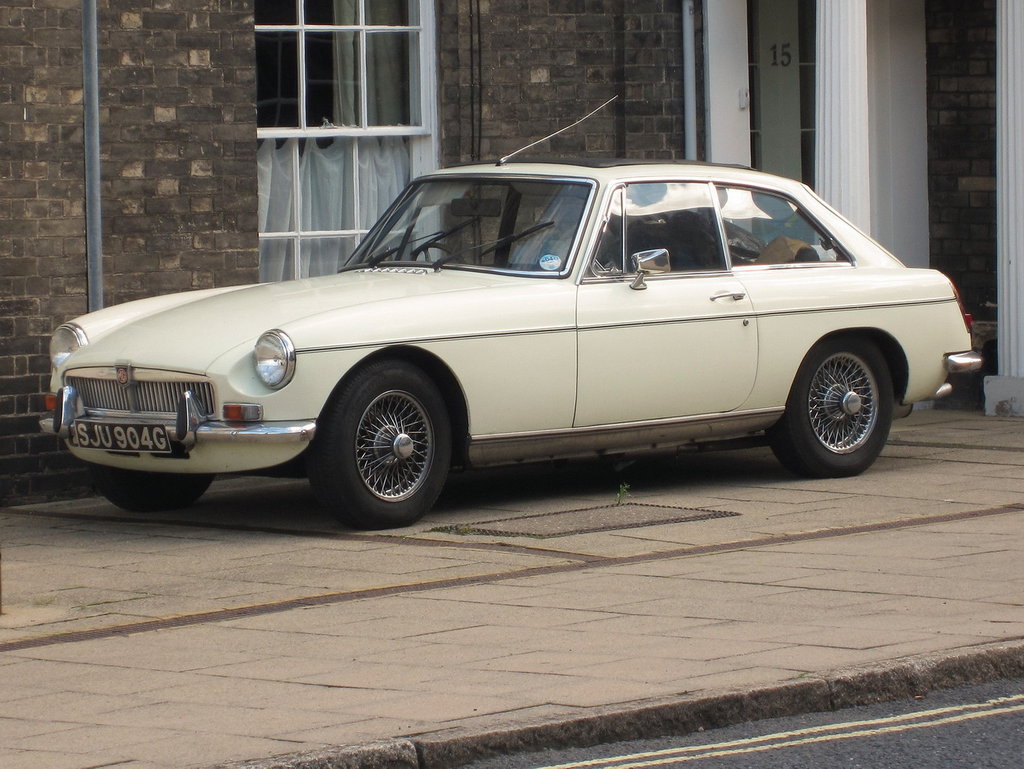
MG B GT
The GT transformed the roadster into an elegant, three-door fastback coupe. Designed by Pininfarina, it introduced a practical hatchback and occasional 2+2 rear seating; improved aerodynamics gave greater speed and refinement.
Years
1965-67
Engine
1798cc S4 OHV
Body Style
Coupé
Production
.
Power: Weight
Dimensions
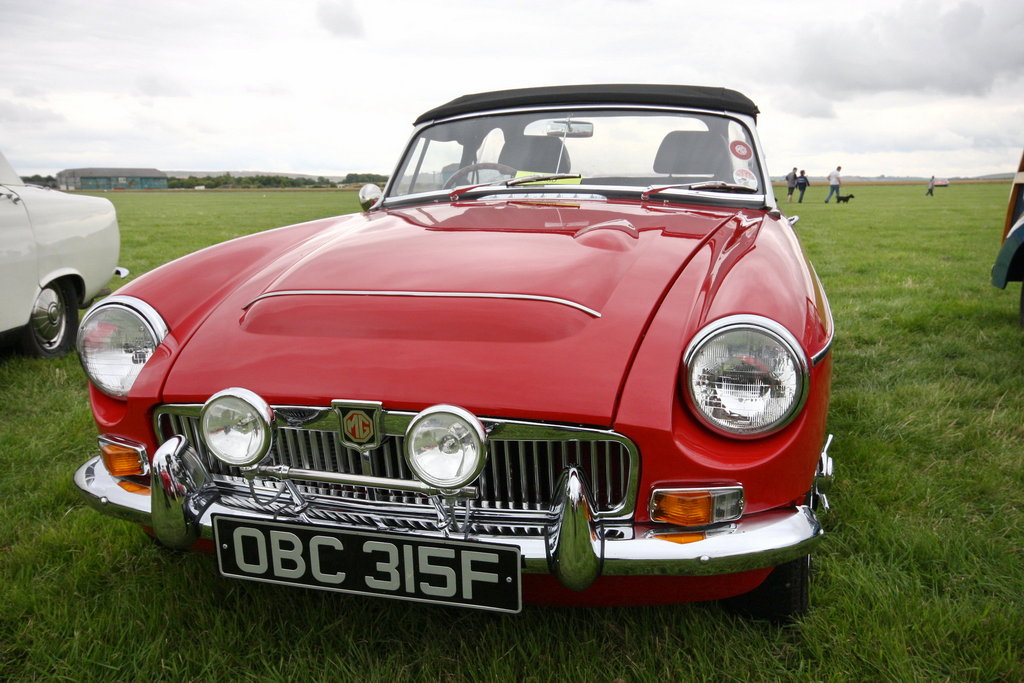
MG B Mk II
Mark II brought mechanical refinement with a fully synchronised transmission, a stronger engine, and updated electrics. Followed up in 1969 by Ambla vinyl seats, rostyle wheels, fishmouth grille and BL badges; then steel bonnets.
Years
1967-73
Engine
1798cc S4 OHV
Body Style
Roadster
Production
375,147 (all Mk II to 1980)
Power: Weight
Dimensions
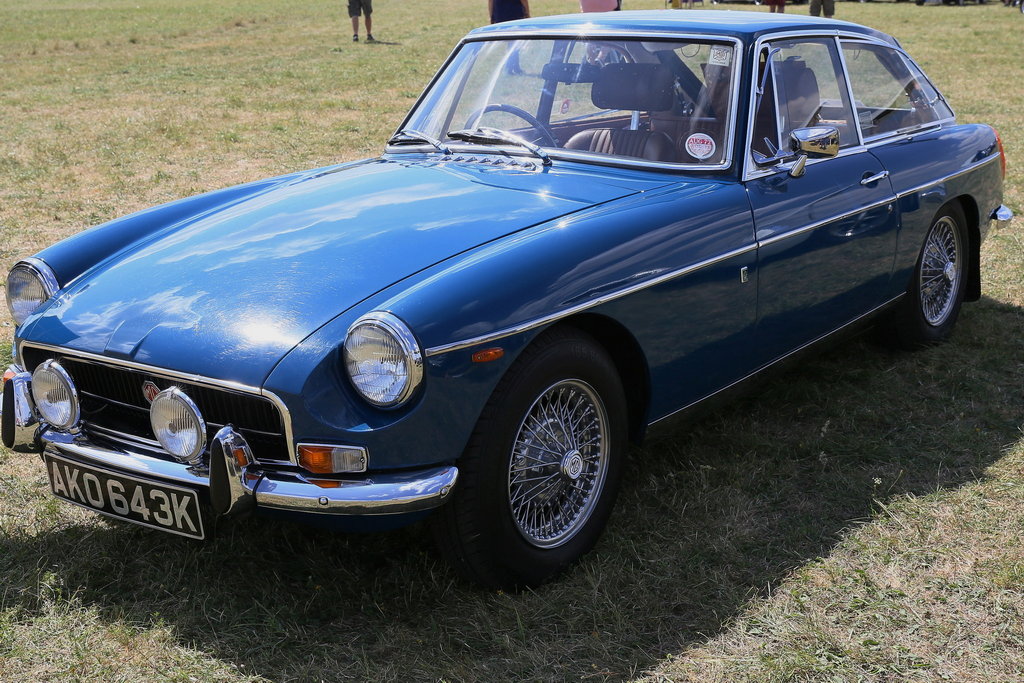
MG B GT Mk II
Coupé version
Years
1967-73
Engine
1798cc S4 OHV
Body Style
Coupé
Production
Inc above
Power: Weight
Dimensions
MG C
Intended to replace the Austin-Healey 3000, its nose-heavy weight required completely revised torsion-bar front suspension. Bad press on the handling limited popularity from the outset.
Years
1967-69
Engine
2912cc S6 OHV
Body Style
Roadster
Production
4552
Power: Weight
145 bhp
Dimensions
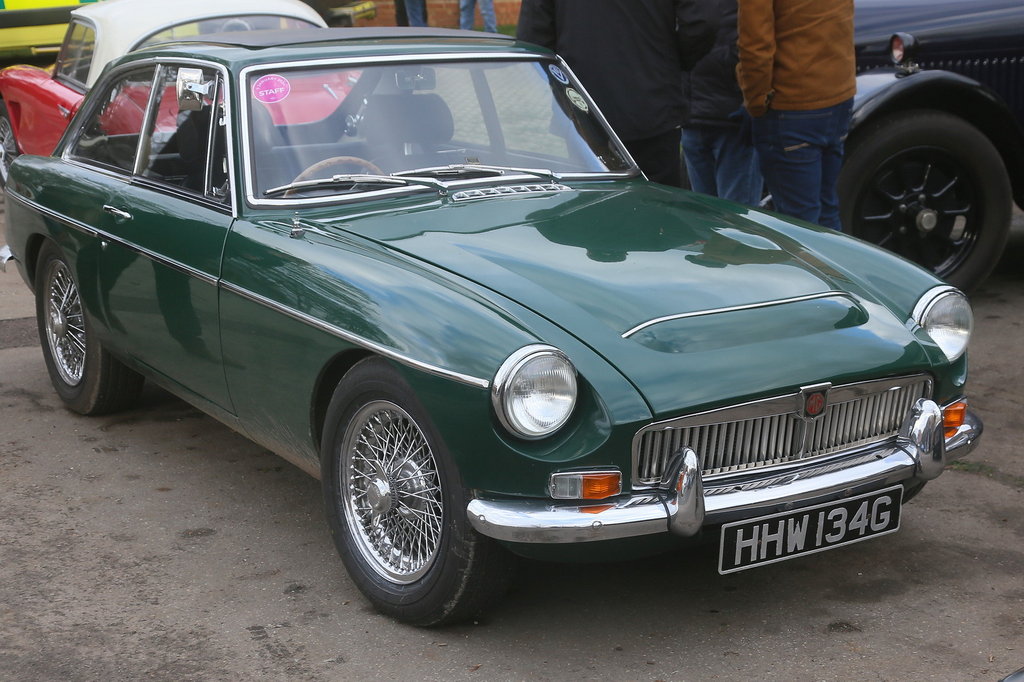
MG C GT
Coupé version
Years
1967-69
Engine
2912cc S6 OHV
Body Style
Coupé
Production
4557
Power: Weight
Dimensions
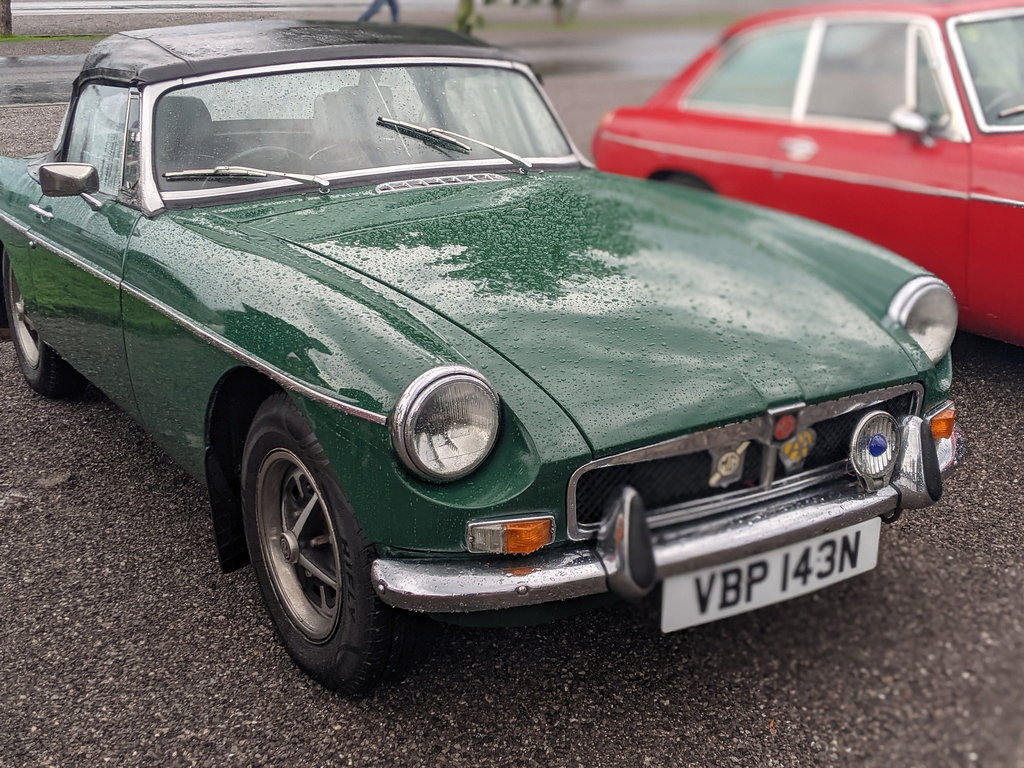
MG B (’73)
Another new grille, along with doors mirrors, new steering wheel, arm rests, hazard lights, cigarette lighter. Black engine block.
Years
1973-74
Engine
1798cc S4 OHV
Body Style
Roadster
Production
Inc above
Power: Weight
Dimensions
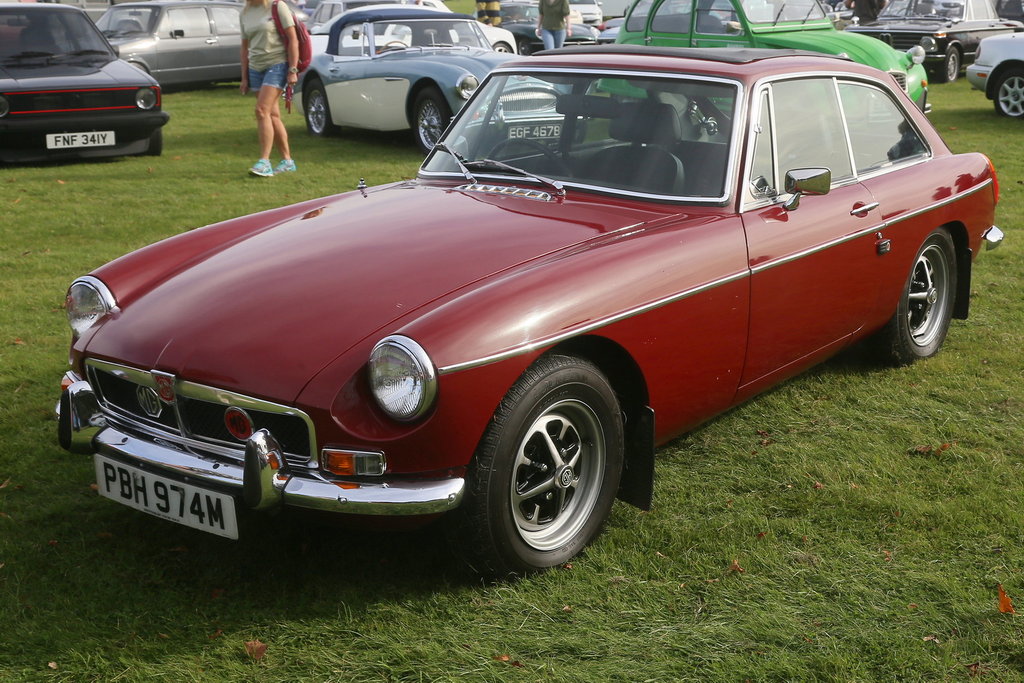
MG B GT (’73)
Coupé version. Cloth-faced seats.
Years
1973-74
Engine
1798cc S4 OHV
Body Style
Coupé
Production
Inc above
Power: Weight
Dimensions
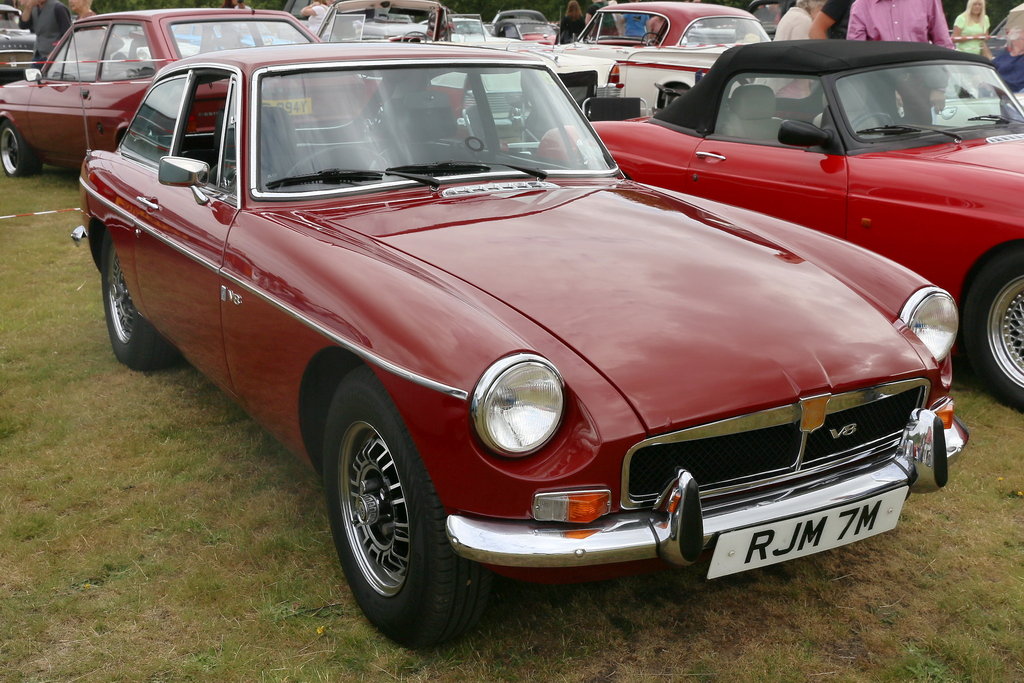
MG B GT V8
The all-alloy 3.5-litre Rover V8 engine weighed less than the standard four-cylinder unit (but gave less power than the 6). With the more modern TR7 incoming, BL did not invest in a US version, so numbers were small.
Years
1973-76
Engine
3528cc V8 OHV
Body Style
Coupé
Production
2591
Power: Weight
137
Dimensions
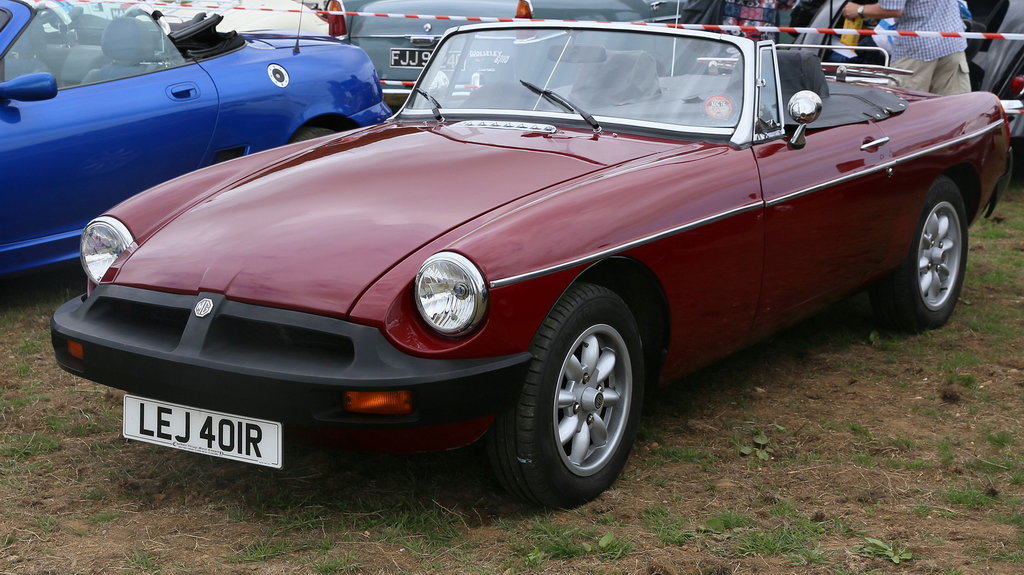
MG B (’74 1/2)
“Rubber-bumper” MGB: the heavy polyurethane bumpers and an inch on the ride height ruined the handling, and emissions control ruined the performance, particularly in the US. Anti-roll bars for 1977.
Years
1974-80
Engine
1798cc S4 OHV
Body Style
Roadster
Production
Inc above
Power: Weight
Dimensions
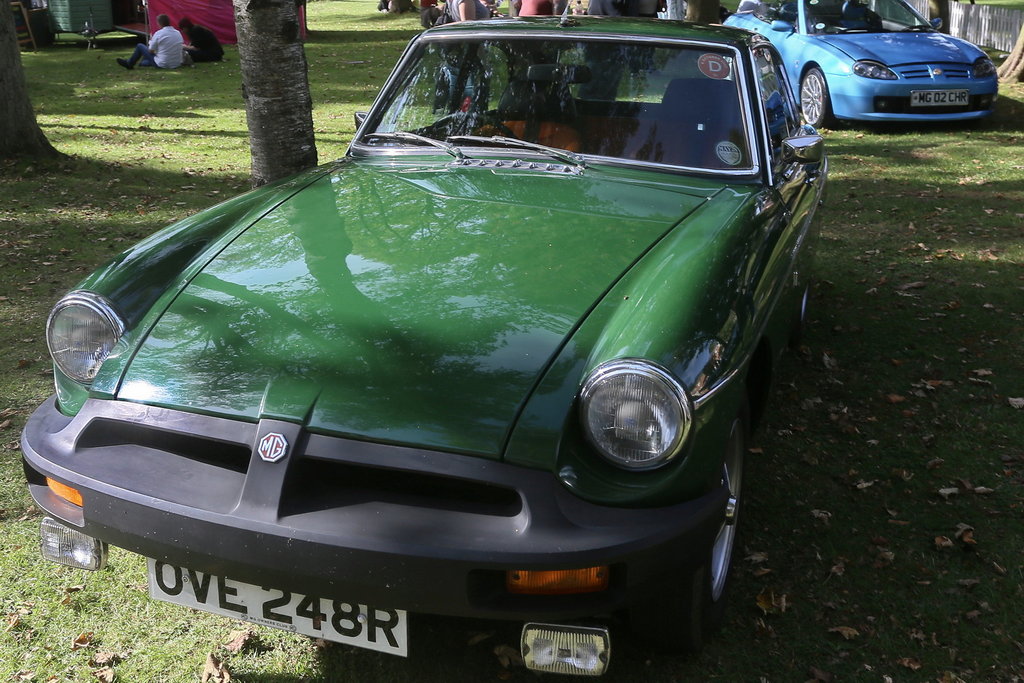
MG B GT Mk III
Coupé version
Years
1974-80
Engine
1798cc S4 OHV
Body Style
Coupé
Production
Inc above
Power: Weight
Dimensions
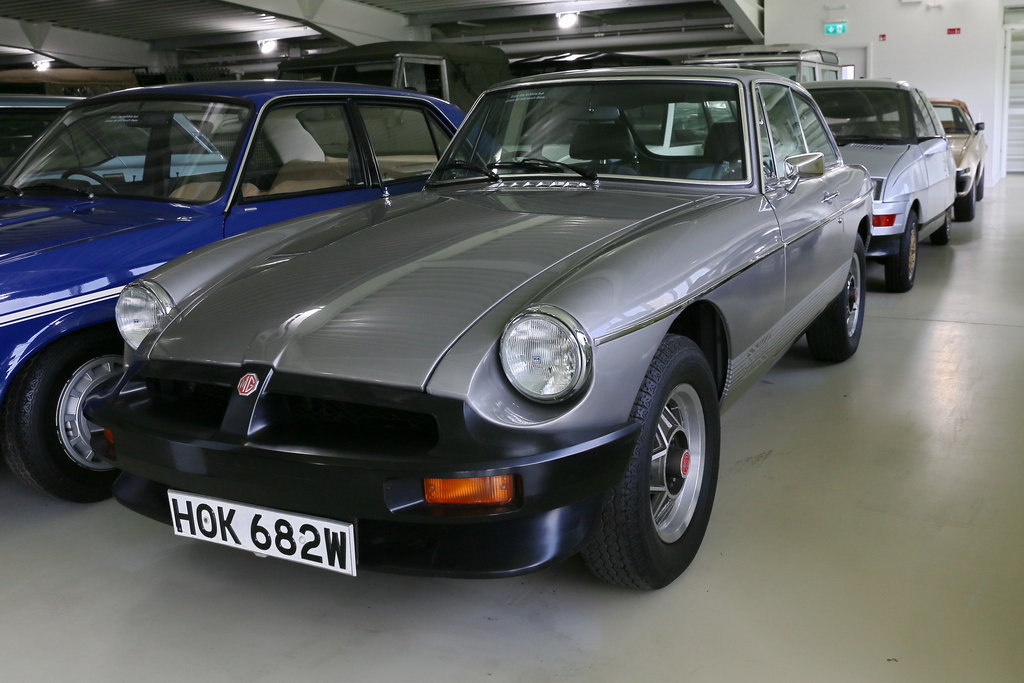
MG B GT LE
End of the line limited edition. Back to twin carbs and 95 bhp in UK versions.
Years
1980
Engine
1798cc S4 OHV
Body Style
Roadster, coupé
Production
420, 580
Power: Weight
95 bhp
Dimensions
MG B GT V8
The all-alloy 3.5-litre Rover V8 engine weighed less than the standard four-cylinder unit (but gave less power than the 6). With the more modern TR7 incoming, BL did not invest in a US version, so numbers were small.
Years
1973-76
Engine
3528cc V8 OHV
Body Style
Coupé
Production
2591
Power: Weight
137
Dimensions