During the inter-war period, the British automotive landscape transformed from an elite luxury market into a hub of mass production. To revive a stagnant post-WWI economy and avoid the heavy horsepower tax, manufacturers shifted away from giant, hand-built tourers toward smaller, economical family vehicles.
The undisputed catalyst of this era was the Austin Seven, launched in 1922, which successfully motorised the British public and killed off the primitive cyclecar. Simultaneously, William Morris mastered assembly-line manufacturing in Cowley, making Morris the country’s dominant volume brand.
Technologically, the 1930s witnessed immense refinement. Cars moved away from angular, fabric-bodied vintage styling toward aerodynamic, all-steel monobloc saloons. Major mechanical advancements became standard across the mid-market, including synchromesh gearboxes, hydraulic brakes, and independent front suspension. This competitive, innovative environment allowed stylish upstarts like S.S. Cars (q.v., later Jaguar) to thrive by offering exotic luxury styling at mass-market prices.
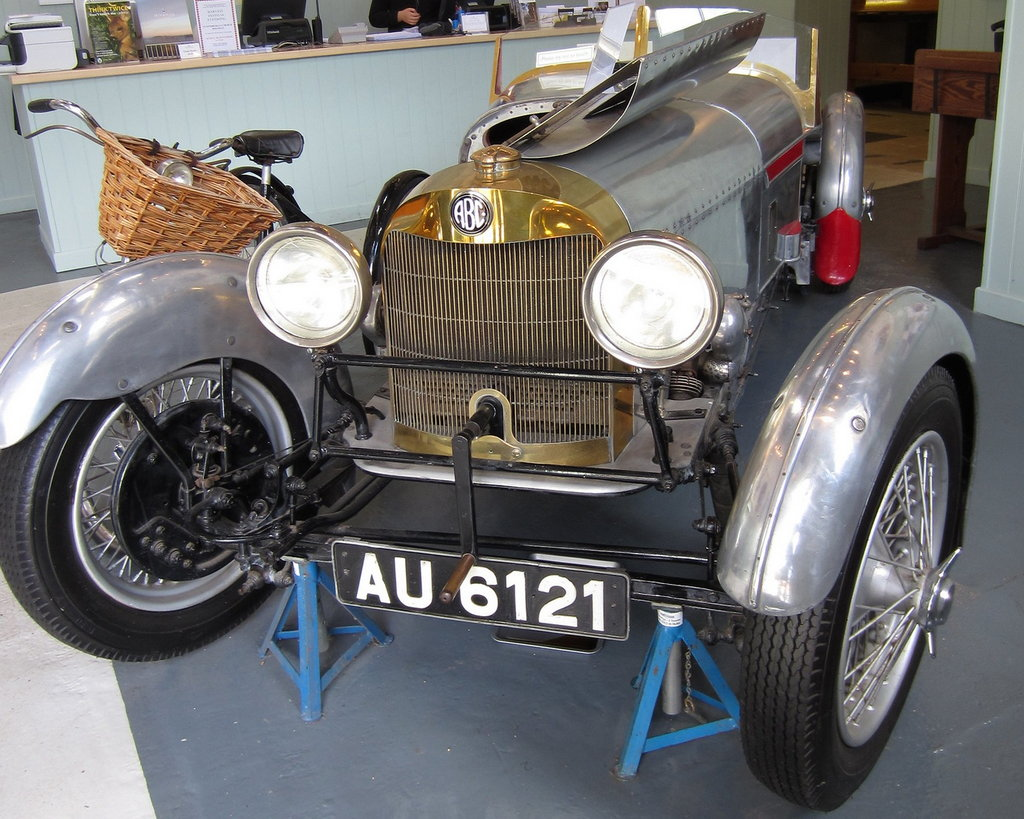
ABC
Years
c. 1923
Engine
Body Style
Production
Power: Weight
Dimensions
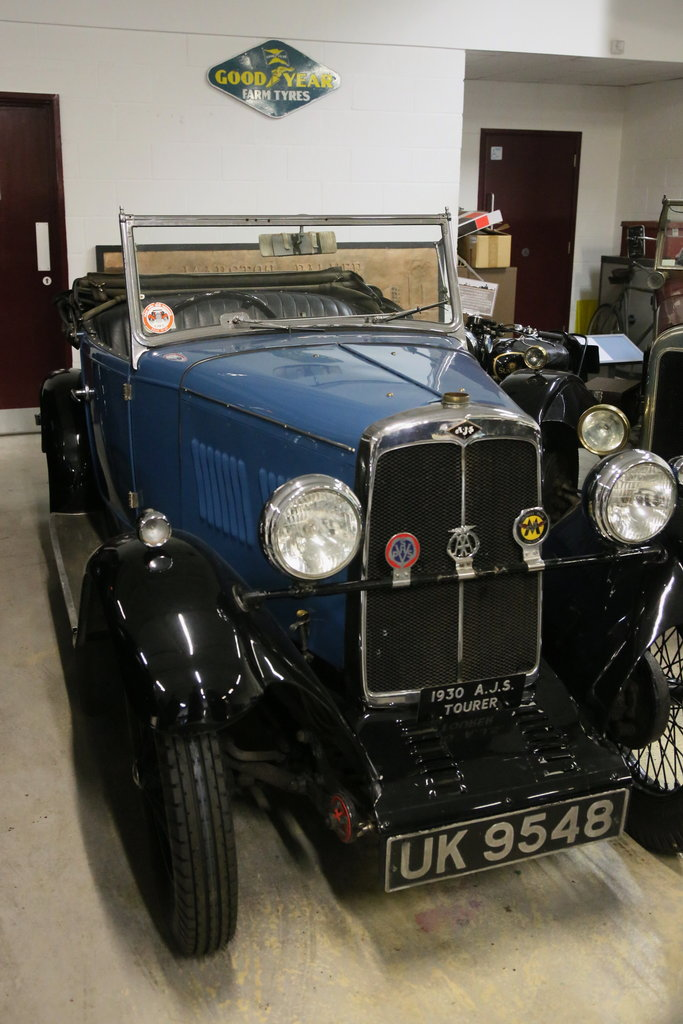
AJS Nine Tourer
Re-engineered version of the 9 HP which killed off Clyno, this time with Coventry Climax engine. A much better car but ultimately unsuccessful. Later cars were built by Crossley (q.v.).
Years
1929-33
Engine
1018cc S4 SV
Body Style
Tourer
Production
3300
Power: Weight
Dimensions

AJS Nine
The
Years
c. 1936
Engine
Body Style
Saloon
Production
Power: Weight
Dimensions
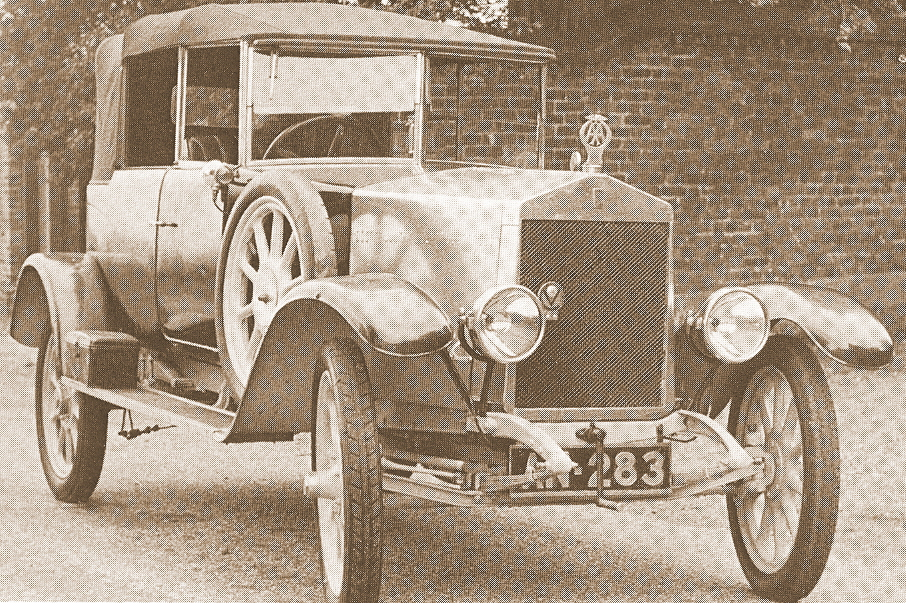
Albert
Ex-Argyll engineer bought coachmakers to make high-quality aluminium bodies, Rolls-Royce-style radiator, and an engine from Gwynne who bought out the company in 1920. Expensive and poor reliability reputation – most made by 1923.
Years
1919-29
Engine
1495cc
Body Style
Mostly tourers.
Production
c. 2000
Power: Weight
Dimensions
Photo: Wikipedia
#/media/File:MHV_Albert_11-9_hp_G3_1920.jpg)
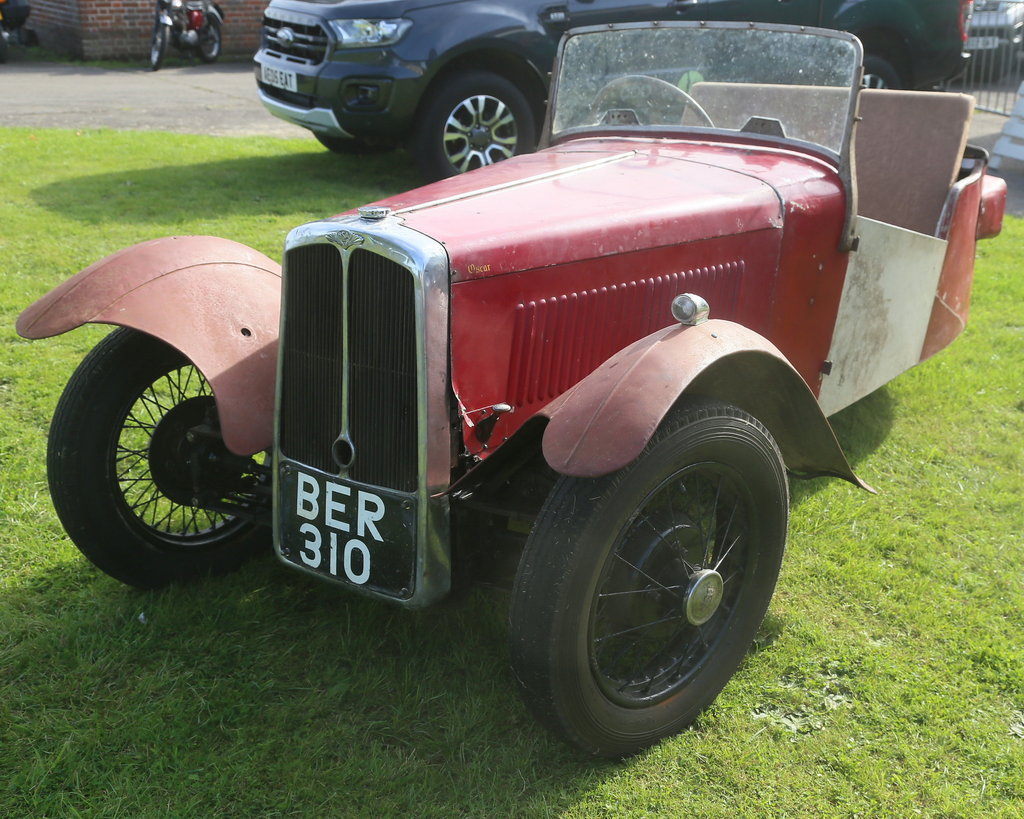
BSA 3-Wheeler
Surprisingly smooth and refined. Hotchkiss-based twin or, from ’33, BSA’s 4. A few 4-wheelers were also made.
Years
1929-36
Engine
1021 V2 OHV; 1075cc S4 SV
Body Style
Sportscar
Production
5200; 1700
Power: Weight
Dimensions
Vertical radiator bar on ’36 cars
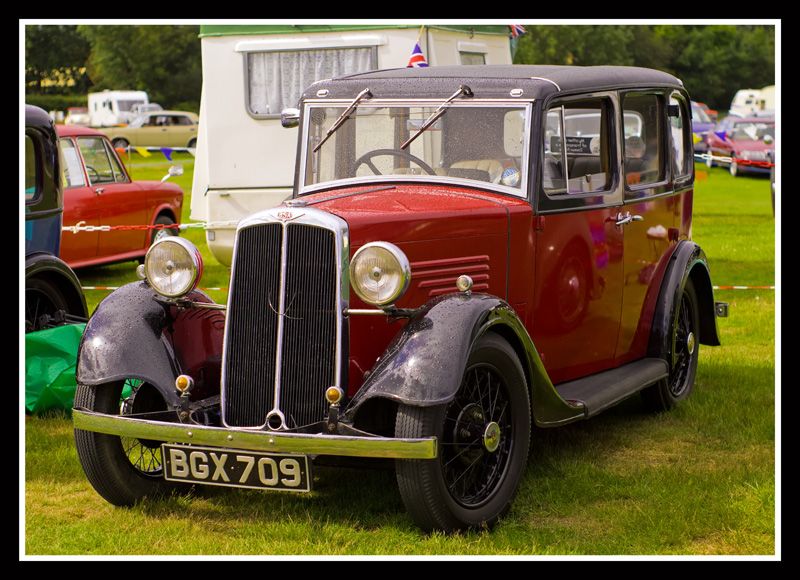
BSA 10
Conventional small saloons built by Daimler with fluid flywheel; some coachbuilt saloons. A Light 6 was also offered, which was a cheapened Lanchester (q.v.),
Years
1933-36
Engine
1185/1398cc S4 SV
Body Style
Various saloons, tourers, coupés
Production
Power: Weight
Dimensions
Photo: Flickr
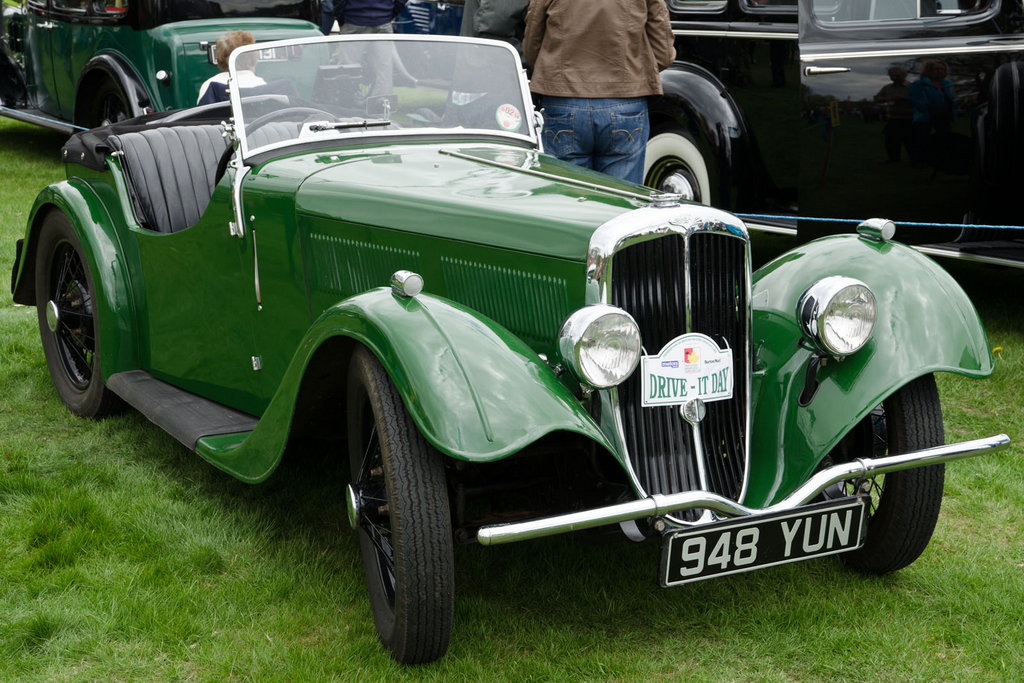
BSA Scout
A front wheel drive sportscar! Lack of propshaft gave flat floor and low centre of gravity and exceptional handling. Buyers were suspicious of fabric UJs, not entirely without justification, especially as failure took out the inboard brakes.
Years
1935-40
Engine
1075/1203cc S4 SV
Body Style
Various sportscars, sports saloons and coupés.
Production
2800
Power: Weight
Dimensions
Photo: Flickr
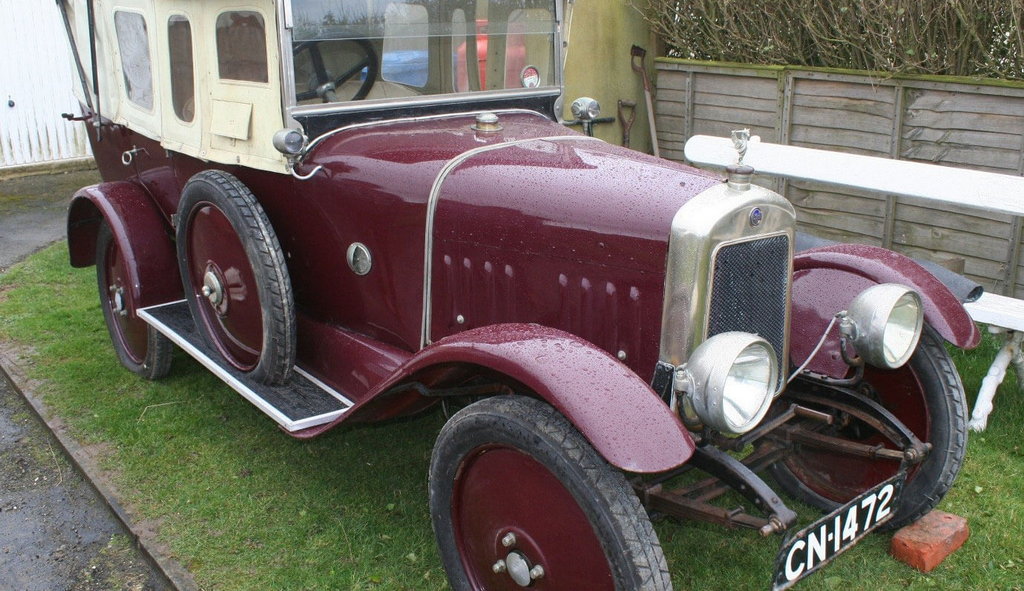
Calthorpe
The pre-war 10 HP (q.v.) continued and improved after the war. By 1920, 1200 workers made 25-50 cars a week in the Mulliner factory. Augmented by bigger 12/20 and (briefly) 15/45 sixes before the company failed.
Years
1919-25
Engine
1328/1496cc S4 SV, 1991cc S6 SV
Body Style
Saloons and tourers
Production
c. 5000
Power: Weight
Dimensions
Photo: DA&H
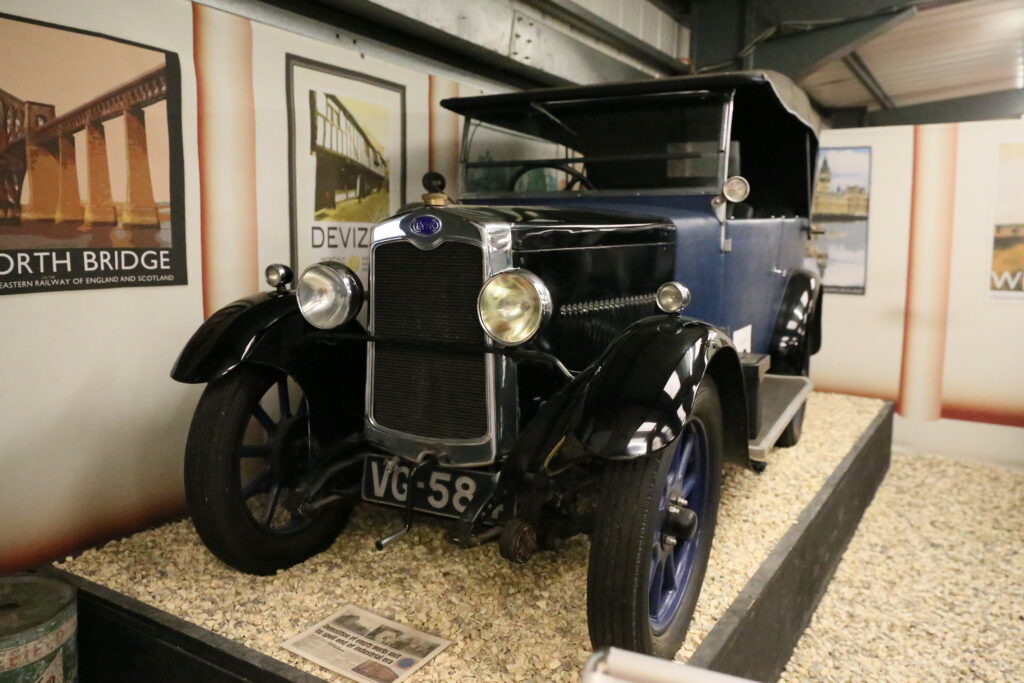
Clyno
Wolverhampton motorcycle make, behind only Morris and Austin in car volumes. Offered pleasant driving, quality, bargain specification. Over-extended with a spartan 9, quality fell, and Rootes bought Hillman, ending their distribution deal.
Years
1922-28
Engine
S4 SV: 1368cc Coventry Climax; 1496/1593cc Clyno
Body Style
Various 2- and 4-seater tourers, family saloons (‘Royal’ shown)
Production
c. 18,500 11 HP Climax; 10,000 12-13 HP Clyno; 300 9 HP
Power: Weight
Dimensions
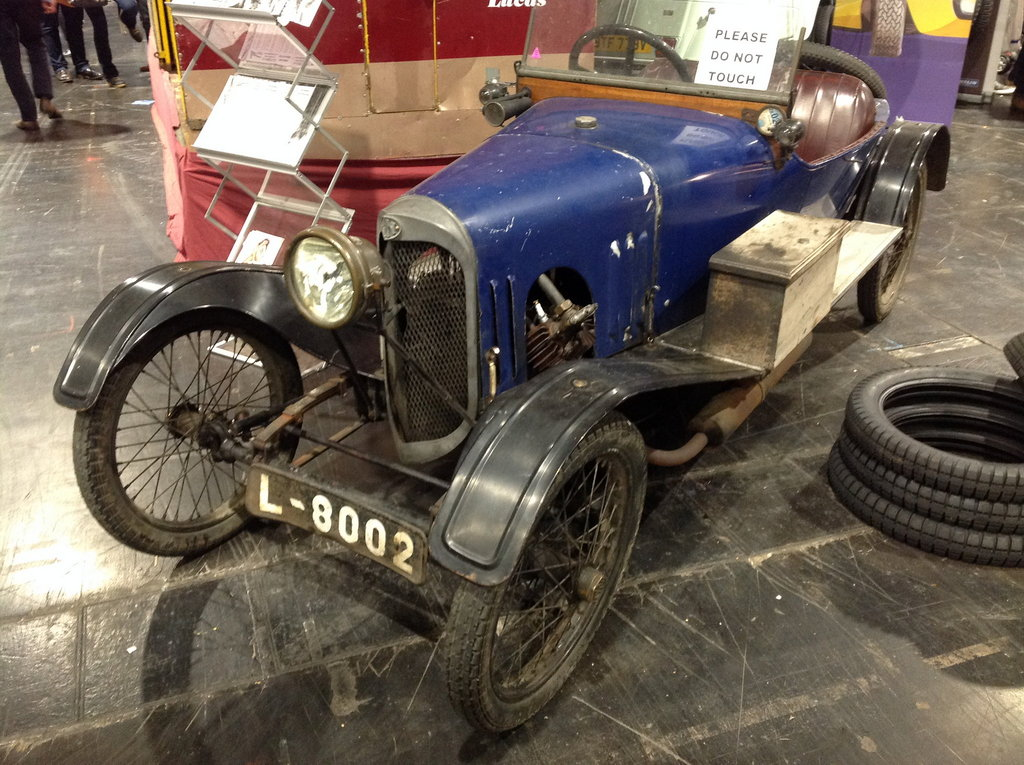
GN Cyclecar
Founded by Godfrey (later HRG q.v.) and Nash (later Frazer Nash) in Hendon, using their own engine and Peugeot parts. The company was bought out in 1919 and moved to Wandsworth. The cars were light and fast, and chain-driven.
Years
1910-14; 1919-23
Engine
1100cc V2
Body Style
Open cyclecar; racing specials
Production
c. 4000
Power: Weight
.
Dimensions
.
Photo: Flickr
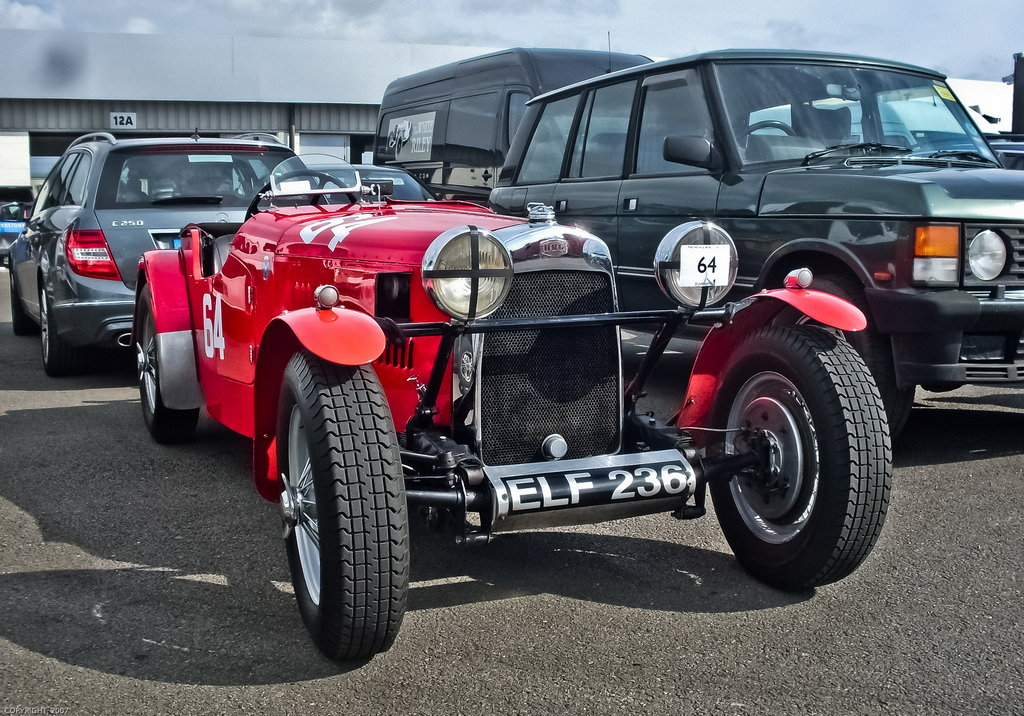
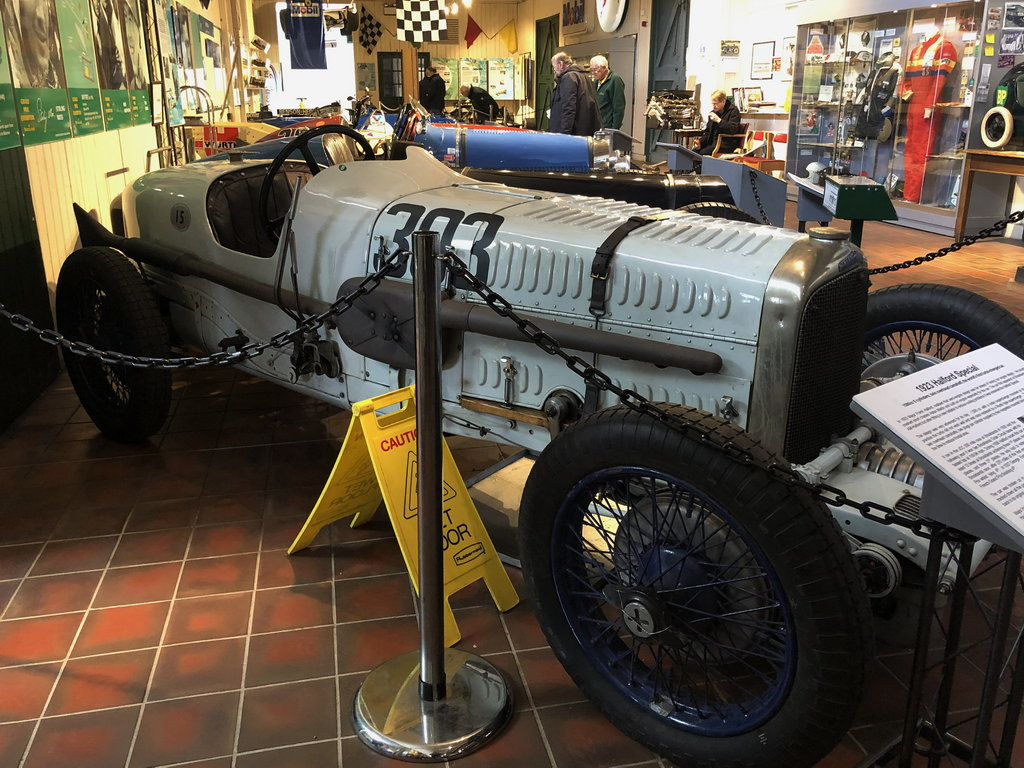
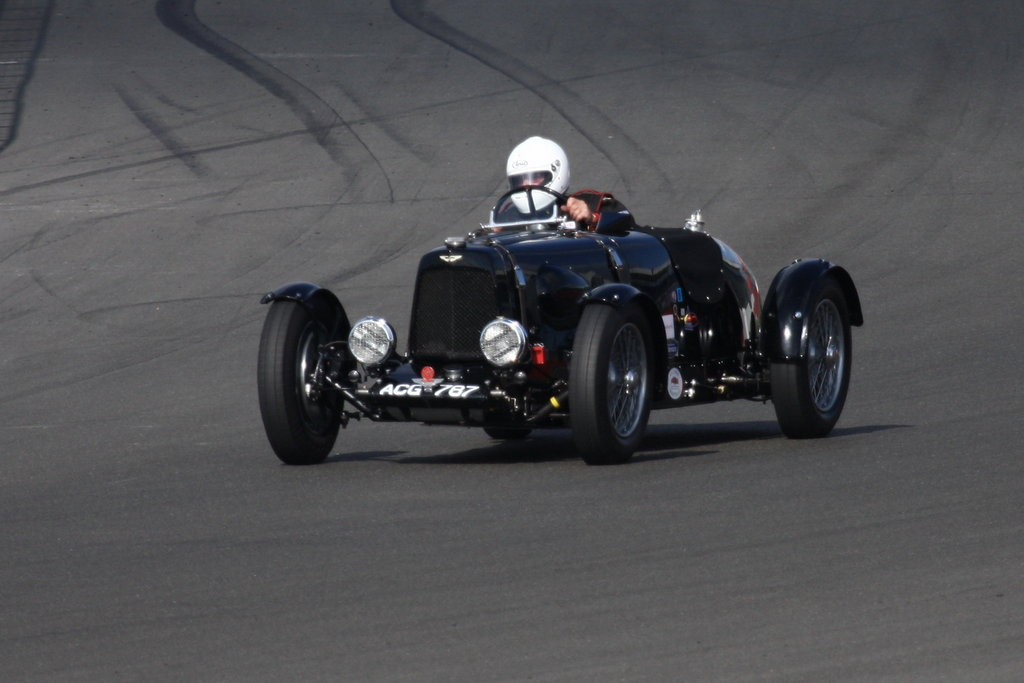
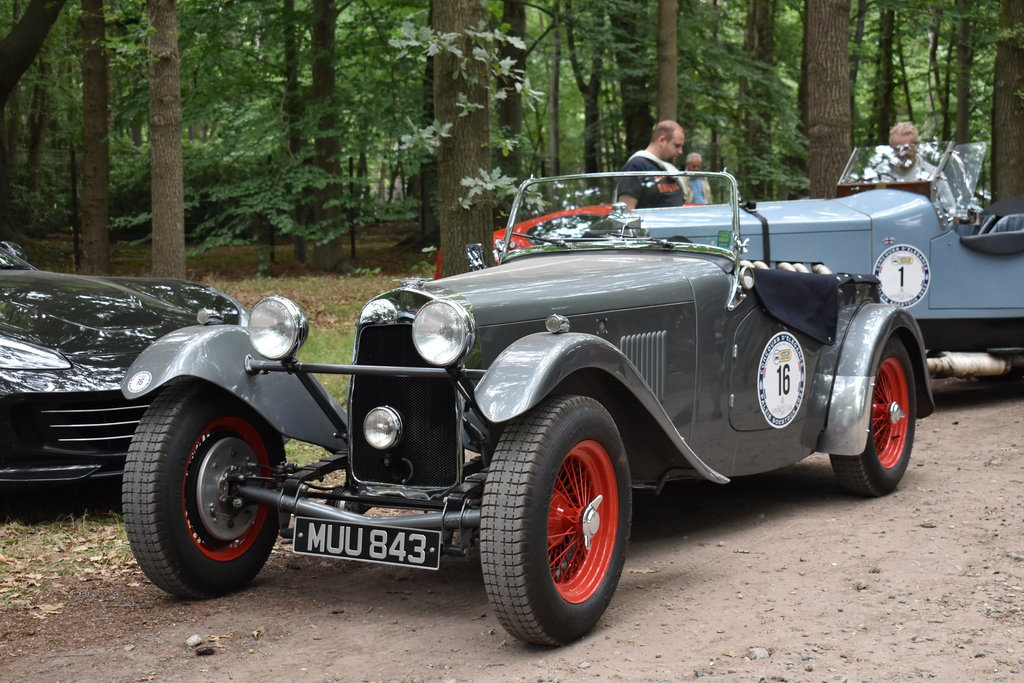
HRG 1.5-Litre
Brooklands racing friends, Godfrey and Halford set up with Robins (ex-Trojan), in Norbiton. The cars were heavily influenced by Godfrey’s time with GN and Frazer Nash (q.v.). 50% the cost, and 60% the weight of the contemporary Aston Martin.
Years
1935-39
Engine
1497 S4 OHV (Meadows)
Body Style
Sportscar
Production
26
Power: Weight
.
Dimensions
.
Photo: Flickr
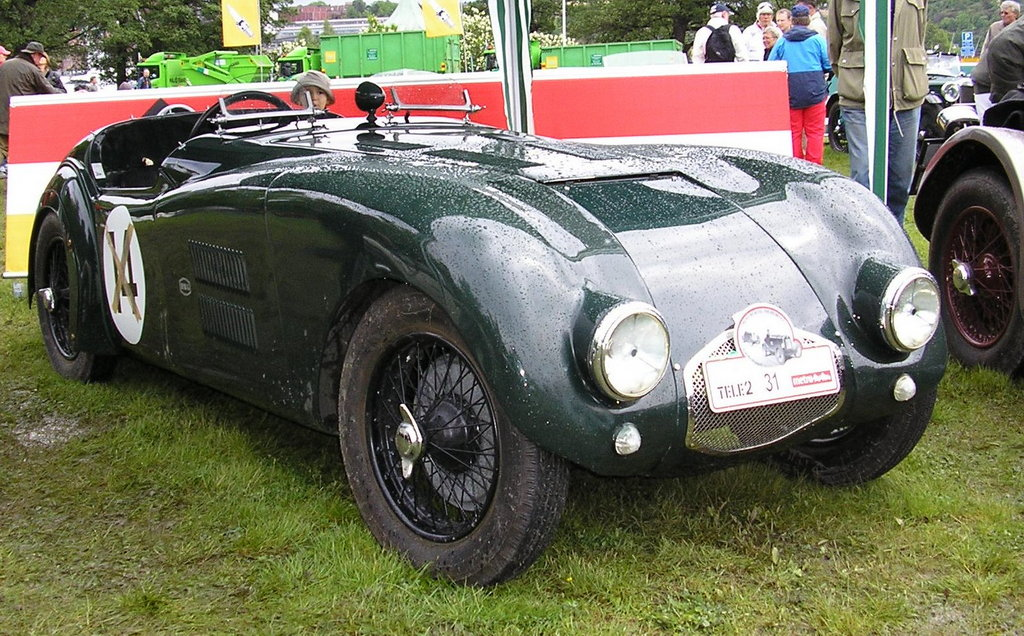
HRG 1100 / 1500
In 1938, HRG announced models with a shorter wheelbase and a Singer OHC engines. The models continued post-war.
Years
1938-50/1939-56
Engine
1074/1496cc S4 OHC (Singer)
Body Style
Sportscar
Production
49 / 111 + 4 DOHC
Power: Weight
.
Dimensions
.
Photo: Flickr
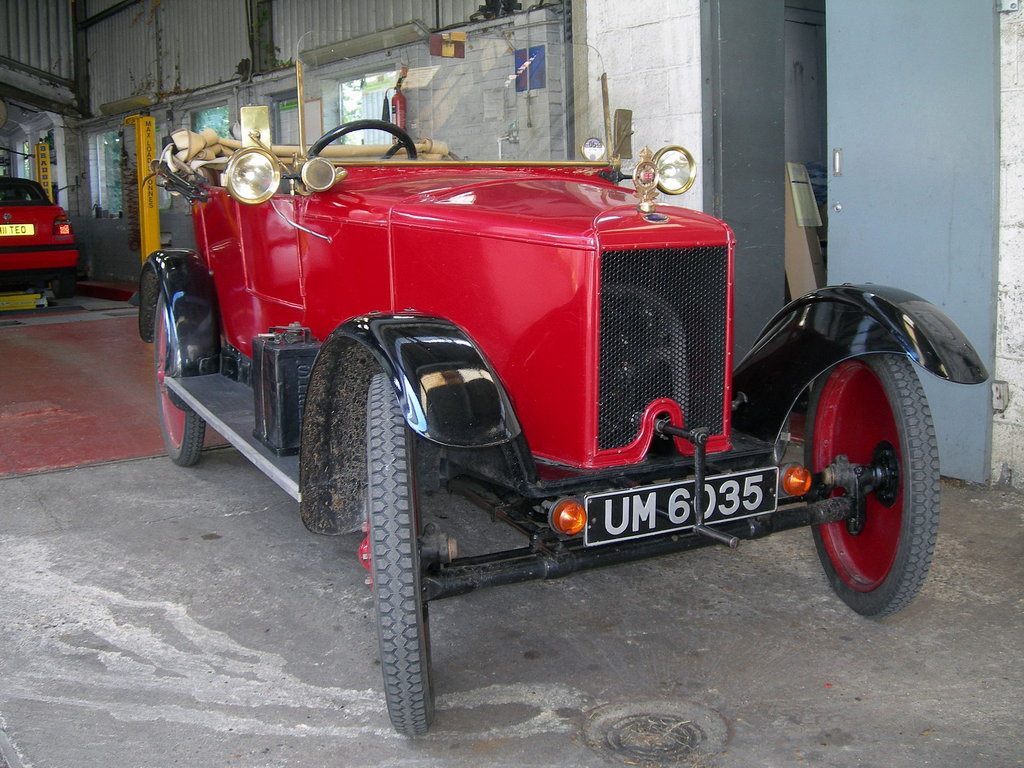
HRG Aerodynamic
Aero skin on the same chassis, and with same mechanicals as 1500.
Years
1945-49
Engine
1496cc S4 OHC (Singer)
Body Style
Sportscar
Production
45
Power: Weight
.
Dimensions
.
Photo: Flickr
Stoneleigh 9 HP
Stoneleigh was a sub-brand of Siddeley, a pre-WWI joint venture with BSA (q.v.), based on their 13.9 hp car. In this second iteration, inspired by Rover, it was a ‘nippy performer with a curious bounding motion’. The Coop used them as vans.
Years
1922-24
Engine
1000cc
Body Style
Tourer, van
Production
Several hundred
Power: Weight
.
Dimensions
.
Photo: Wikipedia
.jpg)