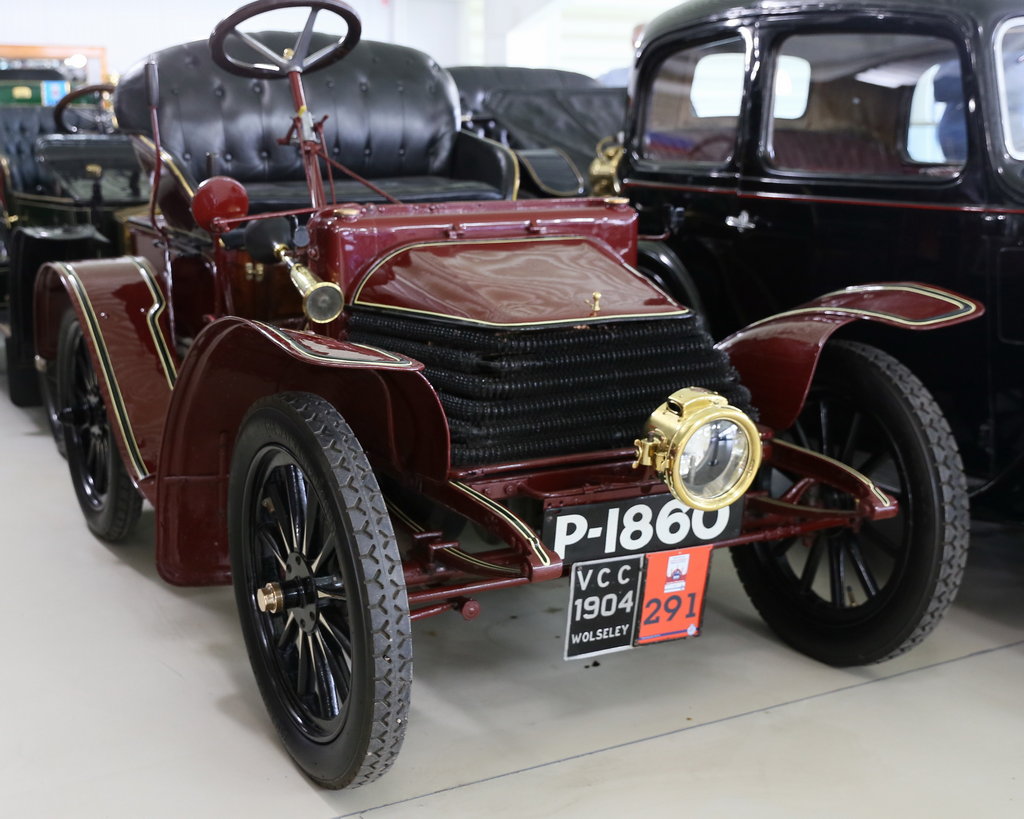
The British Veteran era was initially stifled by the restrictive Locomotive
Acts, famously requiring a man with a red flag to precede any
self-propelled vehicle. While pioneers in France and Germany, such as
Panhard and Benz, were already establishing a commercial lead, British
innovation was forced into the shadows until the “Emancipation” of 1896.
Even after the speed limit was raised, the British industry remained a
fragmented collection of carriage-builders and bicycle makers.
Manufacturers like Lanchester and Napier focused on high-quality,
bespoke engineering, but imports of French De Dion-Bouton engines and chassis were prominent.
While Ransom Olds was already experimenting with rudimentary assembly lines in America, British production remained craft-based. The Royal Automobile Club (RAC) was founded in 1897 to provide a social and regulatory framework, but motoring remained a hobby for the ultra-wealthy.
The four-cylinder engine and honeycomb radiator had become common by 1904, but Britain remained reliant on importing Continental technology to meet the domestic demand for “horseless carriages”.
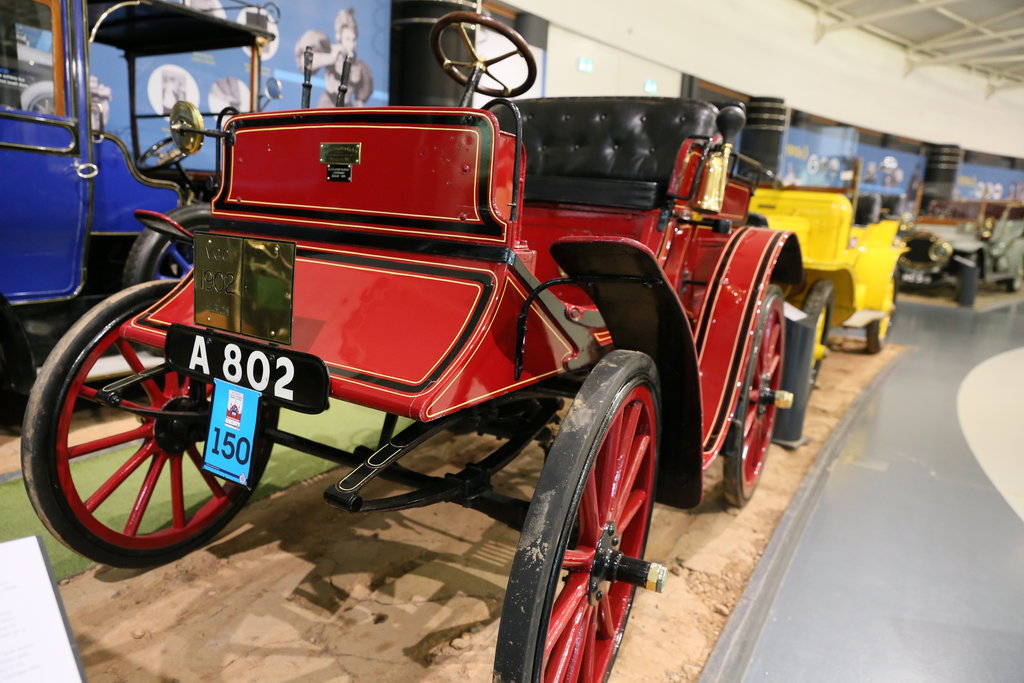
Albion A1 Dog Cart
Founded in 1899 in Glasgow, Albion initially focused on cars (8 – 15 HP), but focused on commercial vehicles after WWI, eventually becoming part of Leyland Trucks.
Years
1901
Engine
.
Body Style
Open car
Production
.
Power: Weight
.
Dimensions
.
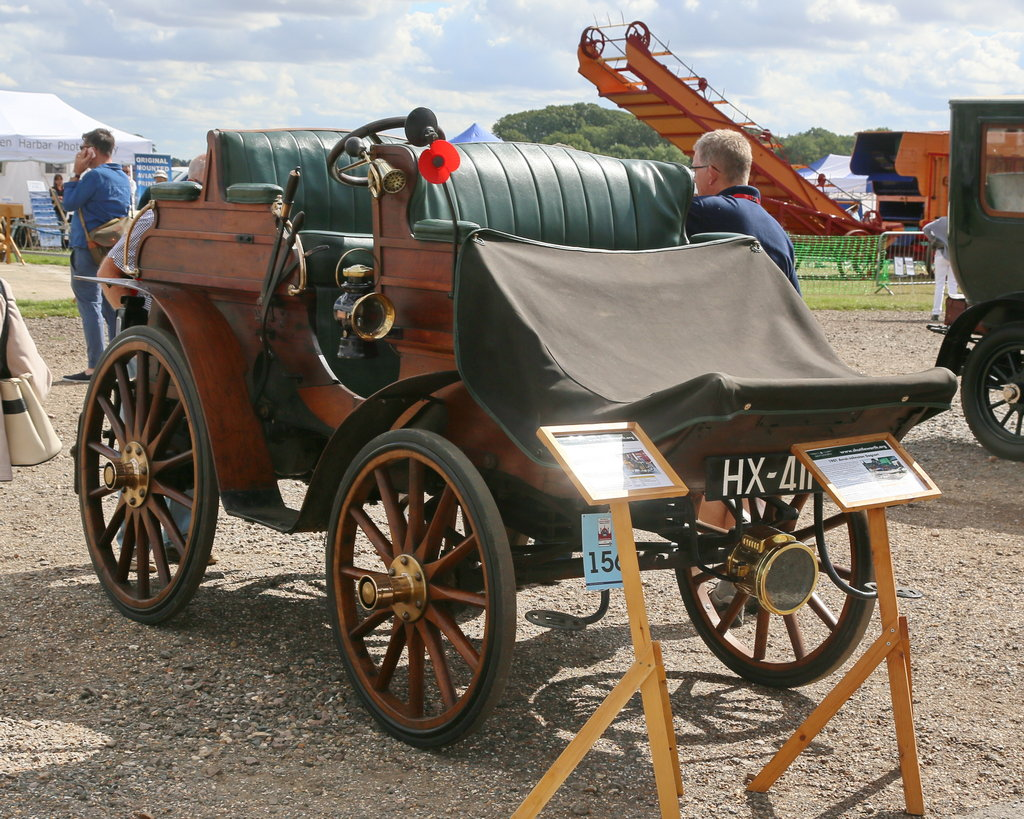
Arrol Johnston Dogcart
Maker of Britain’s first car, and the world’s first off-roader! This example was driven by Shuttleworth in 1931 from the bankrupt Arrol Johnston works in a 23-hr non-stop candlelit trip from Scotland to Bedfordshire.
Years
1901
Engine
.
Body Style
Open car
Production
.
Power: Weight
.
Dimensions
.
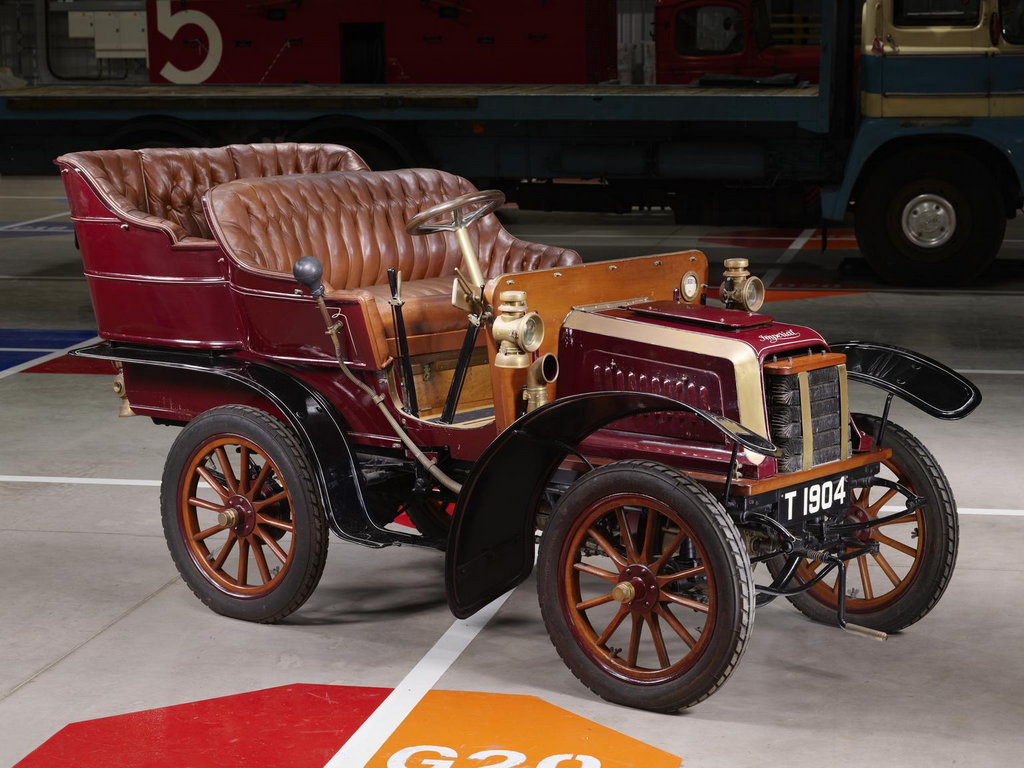
Autocar Imperial
Years
1904
Engine
.
Body Style
.
Production
.
Power: Weight
.
Dimensions
.
Photo: Science Museum
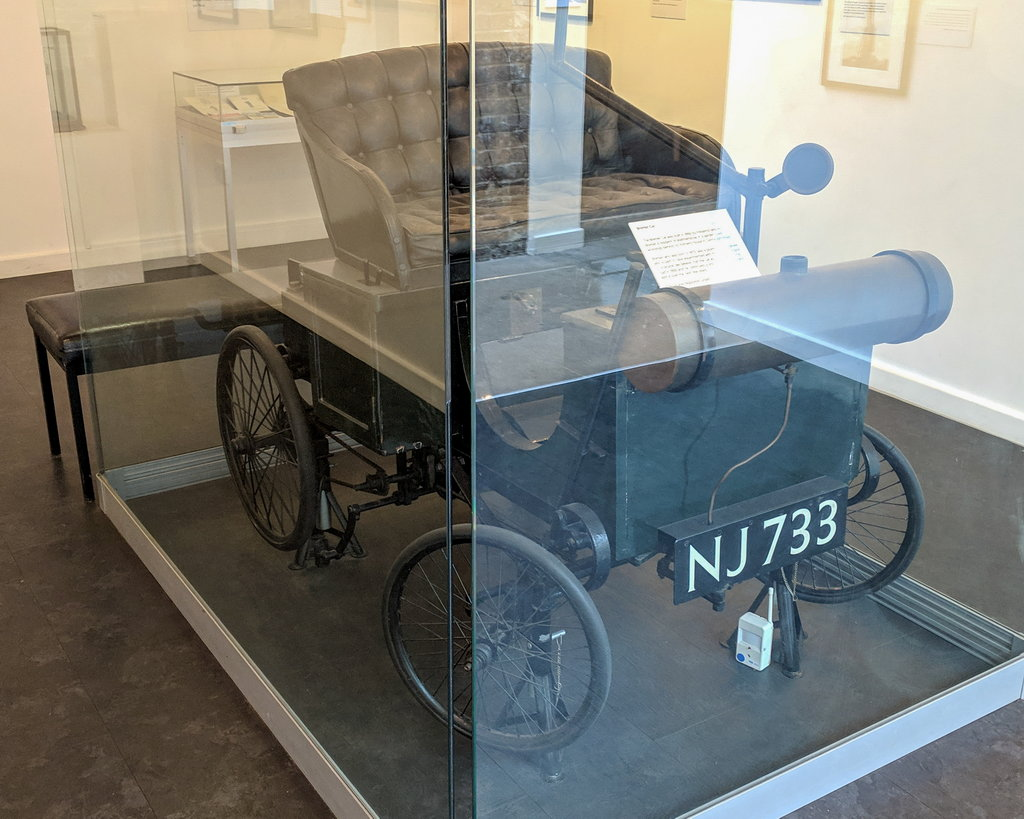
Bremer
Plumber and gas-fitter Frederick Bremer built the first British four-wheeled car with an internal combustion engine. In 1894 he drive it on the roads of Walthamstow, his home town, where it still lives.
Years
1892
Engine
S1
Body Style
Open car
Production
1 + 1 (4 cyl)
Power: Weight
.
Dimensions
.
Photo: Wikipedia
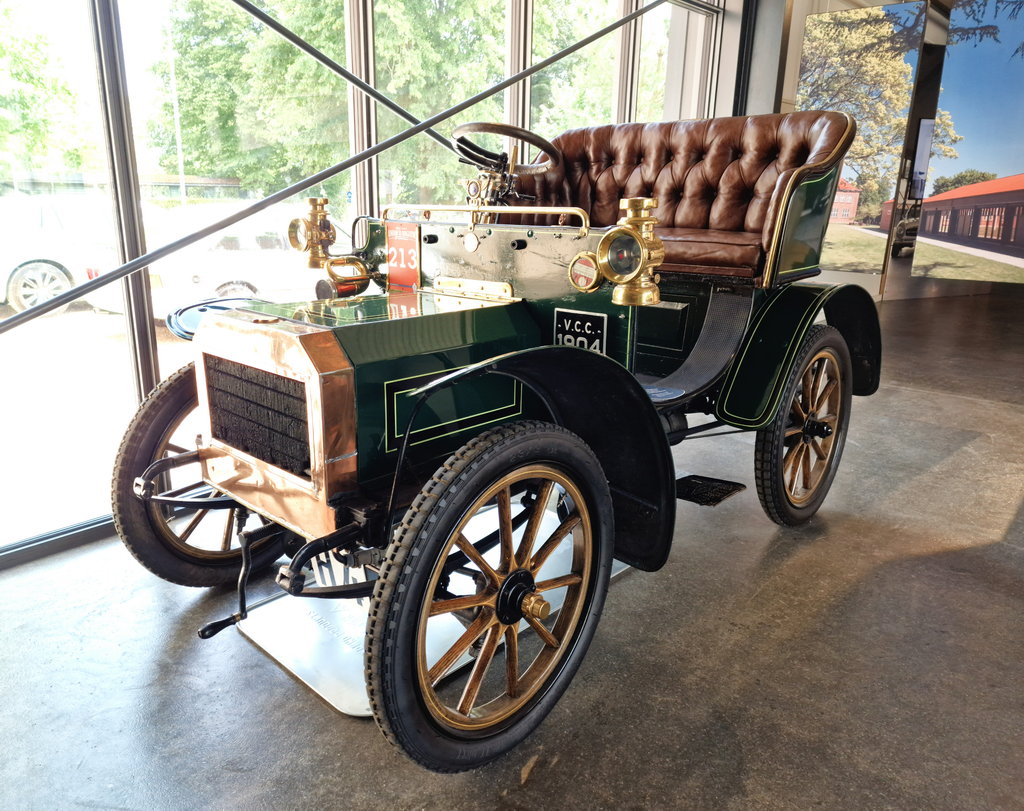
Humber Humberette
Years
1904
Engine
.
Body Style
Tourer
Production
.
Power: Weight
.
Dimensions
.
Photo: Flickr

Knight
Knight was stopped in a car of this model for exceeding the speed limit in Farnham in 1895: this was the first motoring offence in Britain. The follwoing year, he demonstrated it at the first small Crystal Palace Motor Exhibition
Years
1895
Engine
.
Body Style
Open car
Production
.
Power: Weight
.
Dimensions
.
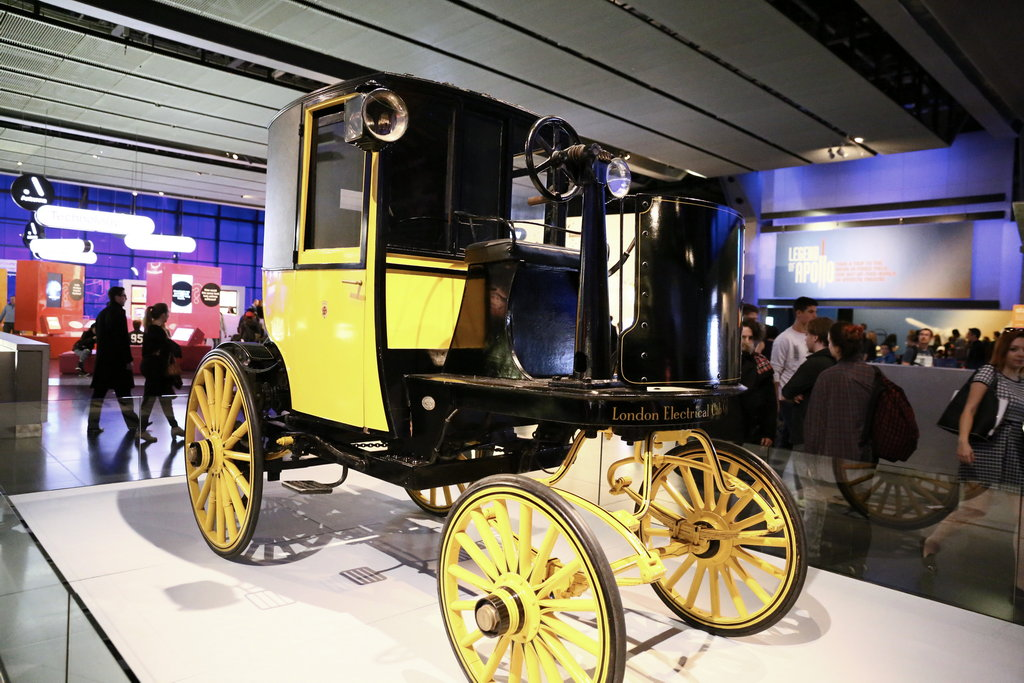
London Electrical Cab
Years
1897
Engine
.
Body Style
Horseless cab
Production
.
Power: Weight
.
Dimensions
.
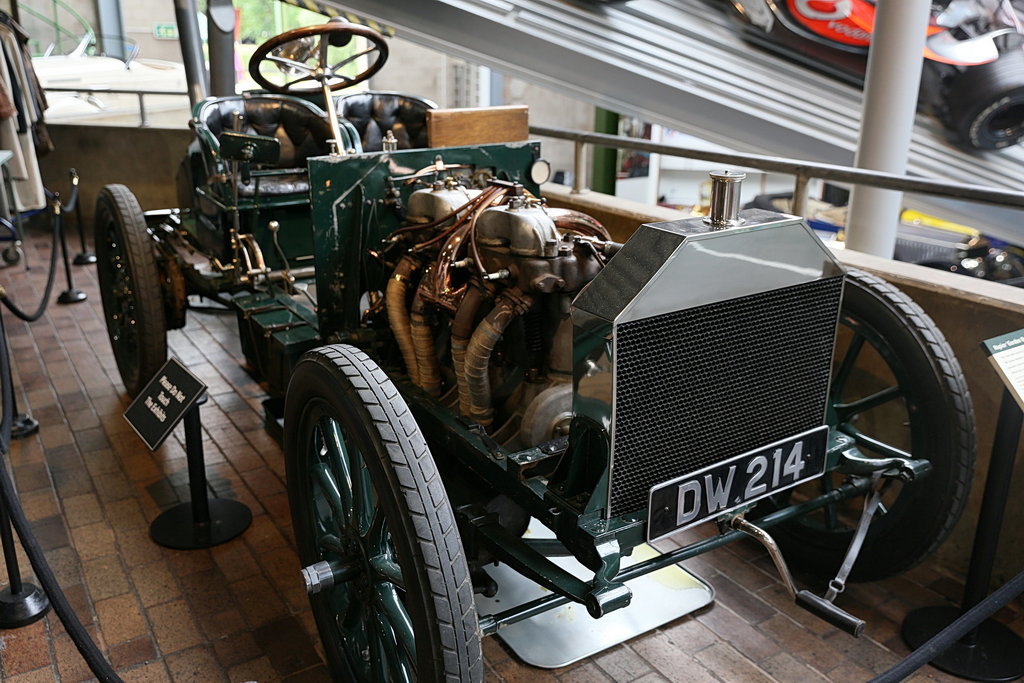
Napier ‘Gordon Bennett’
Napier were the first British manufacturer to recognise the value of publicity from motorsport, and the car shown is Britain’s first oldest surviving racing car. Napier were a competitor of Rolls-Royce who just beat them to buying Bentley.
Years
1903
Engine
.
Body Style
Open racer
Production
.
Power: Weight
.
Dimensions
.
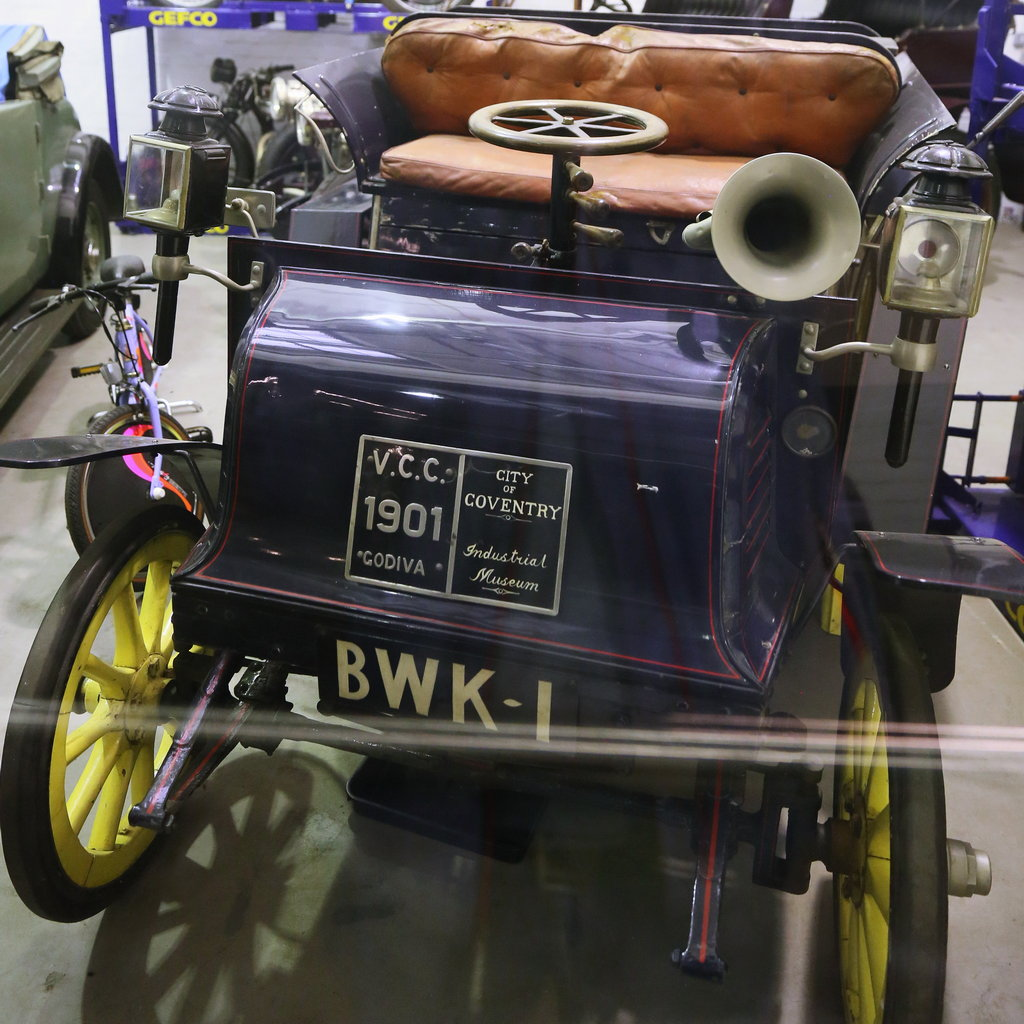
Payne & Bates ‘Godiva’
Years
1901
Engine
.
Body Style
Open car
Production
.
Power: Weight
.
Dimensions
.
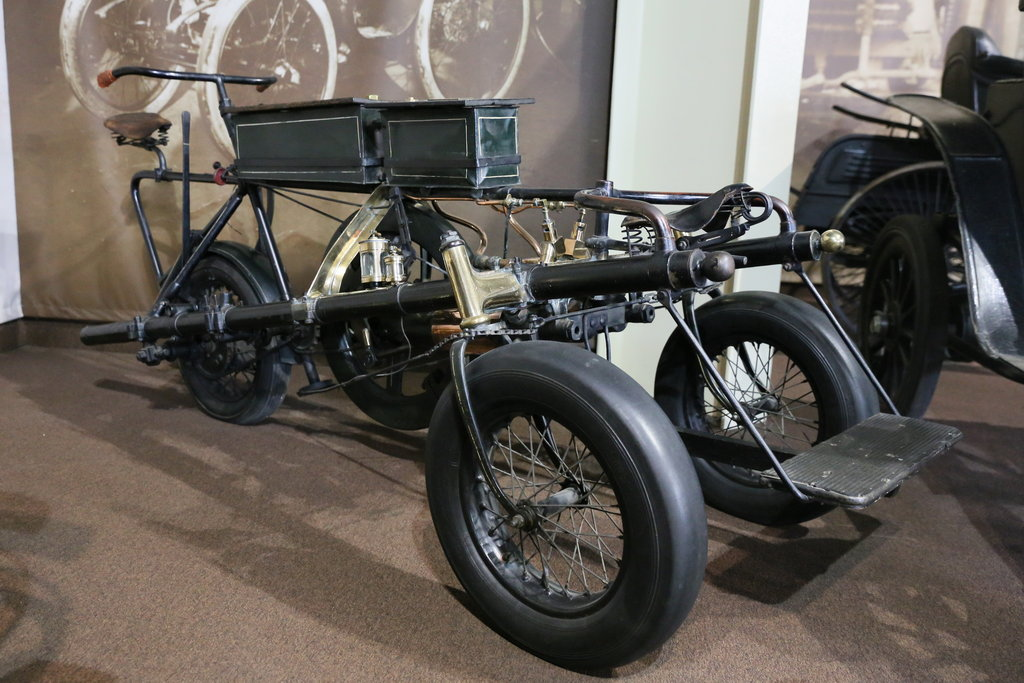
Pennington Autocar
.
Years
1896
Engine
.
Body Style
Cyclecar
Production
.
Power: Weight
.
Dimensions
.
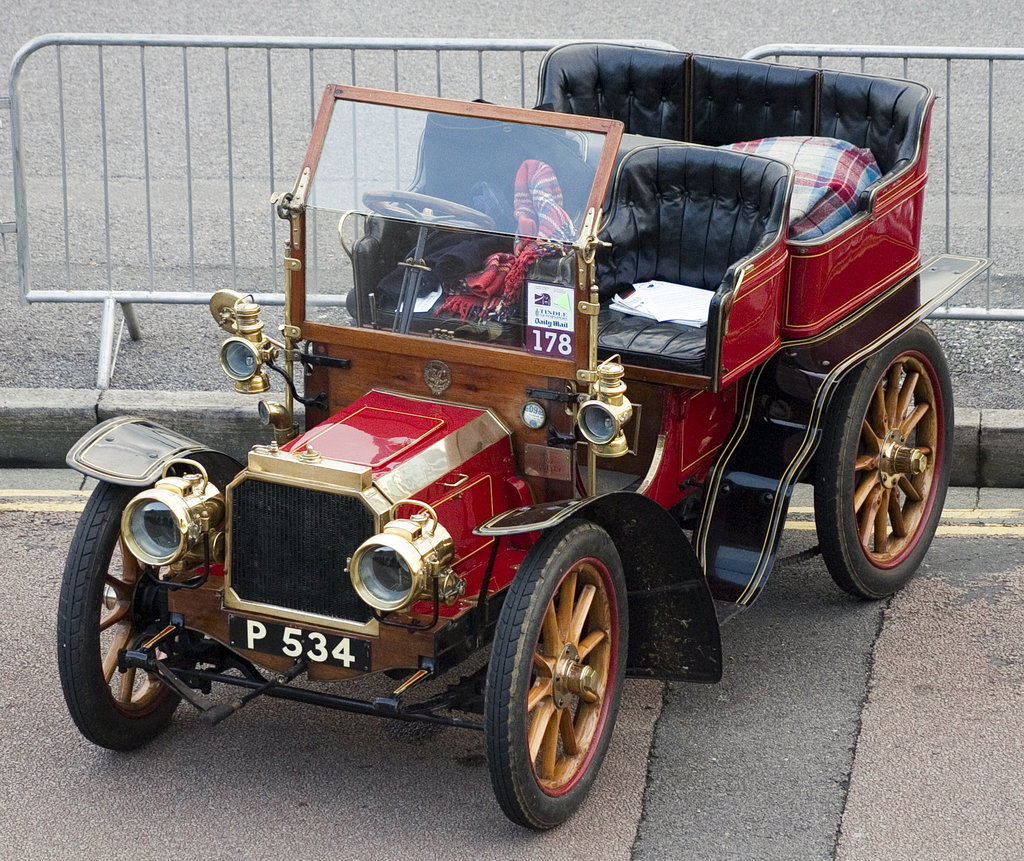
Siddeley
Siddeley was founded in 1902 to make cars to Peugeot designs (as shown at Crystal Palace in 1903). By 1905, they had a dozen models for sale, some built at Vickers’ Crayford factory. Vickers-owned Wolseley bought Siddeley in 1905.
Years
1902-05
Engine
.
Body Style
Tourer
Production
.
Power: Weight
.
Dimensions
.
Photo: Flickr
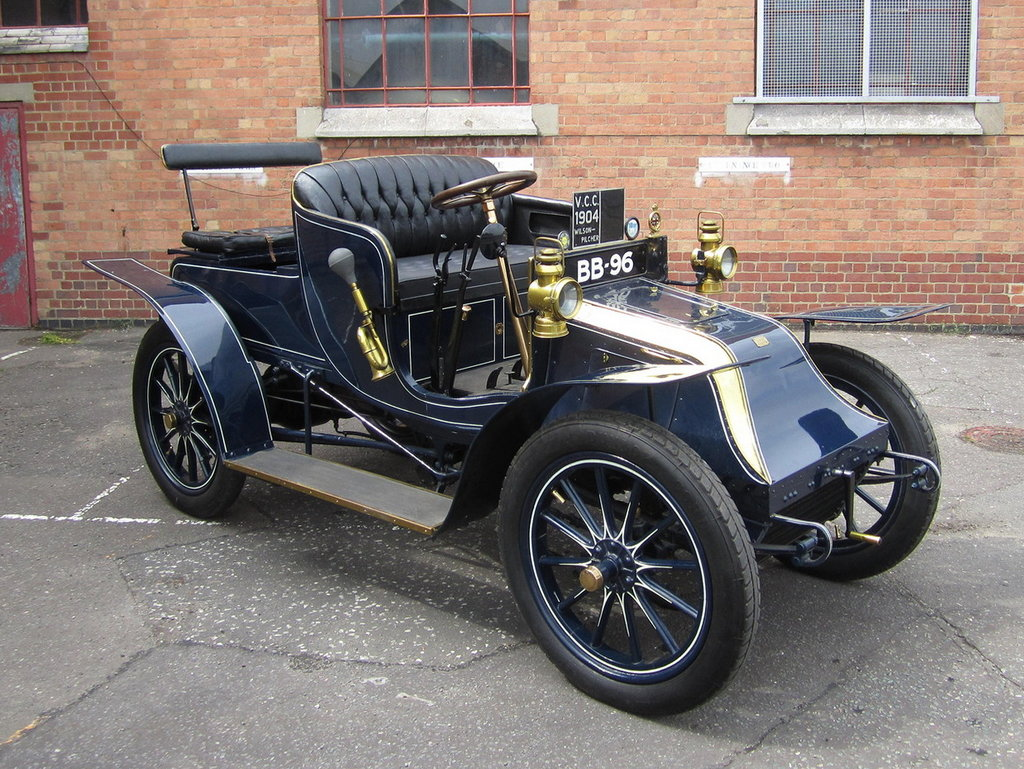
Wilson-Pilcher
Founded 1901 by Walter Gordon Wilson in London. Percy Pilcher had died in a gliding accident while working with Wilson on an engine for powered flight. The first car had a 9 hp four cylinder flat engine of 2400 cc. Later cars had S4 or S6.
Years
1901-04
Engine
2694cc S4
Body Style
Open car
Production
.
Power: Weight
.
Dimensions
.
Photo: Flickr
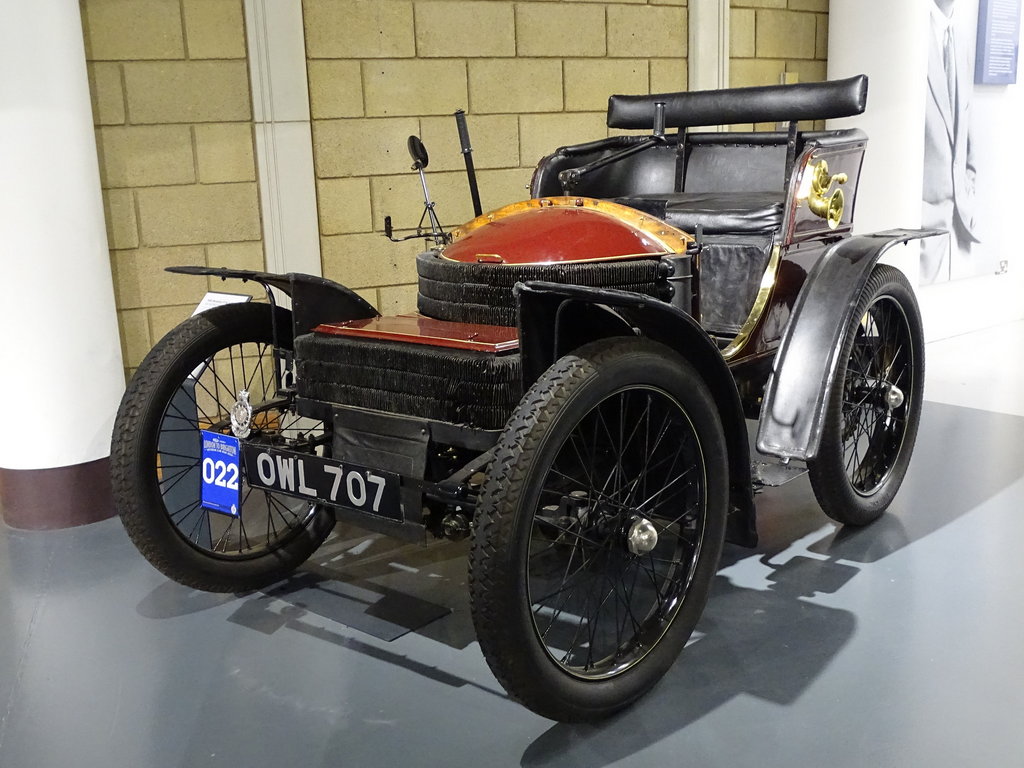
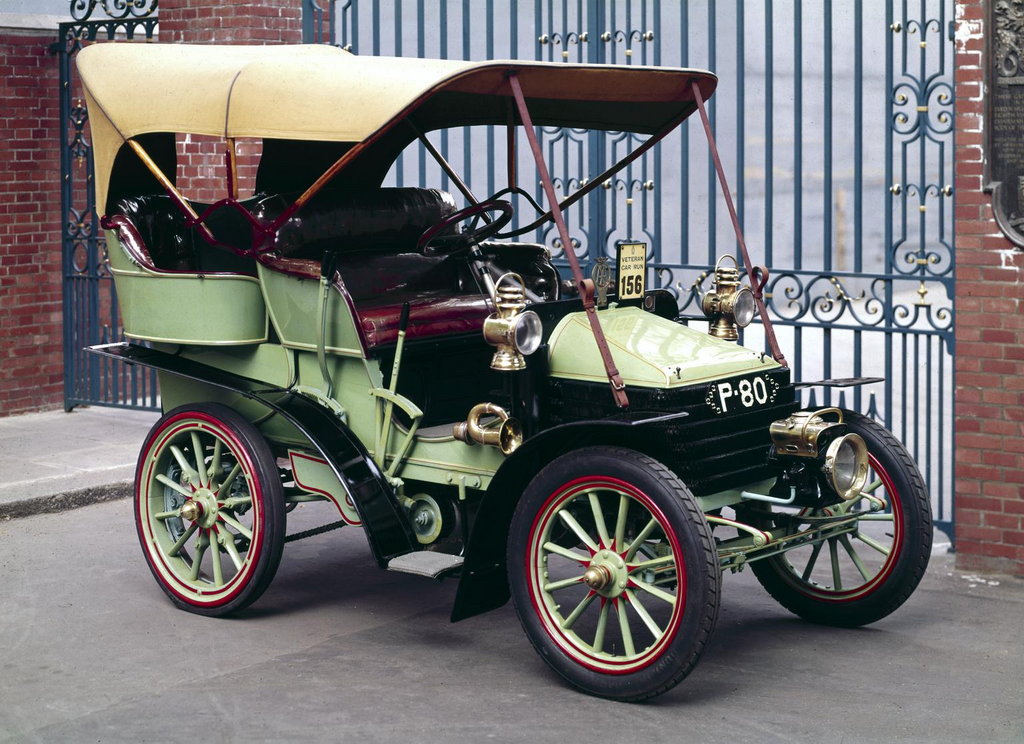
Wolseley 6.5 HP
Years
1902
Engine
.
Body Style
Tourer
Production
.
Power: Weight
.
Dimensions
.
Photo: Science Museum