The Jaguar E-Type redefined sports car design when it launched at the 1961 Geneva Motor Show. Enzo Ferrari famously called it the most beautiful car ever made, thanks to Malcolm Sayer’s aerodynamic, flowing curves. Beyond its striking looks, it offered supercar performance at a fraction of the cost of its rivals. Early Series 1 models featured a potent 3.8-litre straight-six engine, reaching a top speed of 150 mph. It utilised independent rear suspension and four-wheel disc brakes, making it highly advanced for its time. The car evolved through Series 2 changes before concluding with the Series 3, which housed a smooth 5.3-litre V12. It remains a definitive British motoring icon.
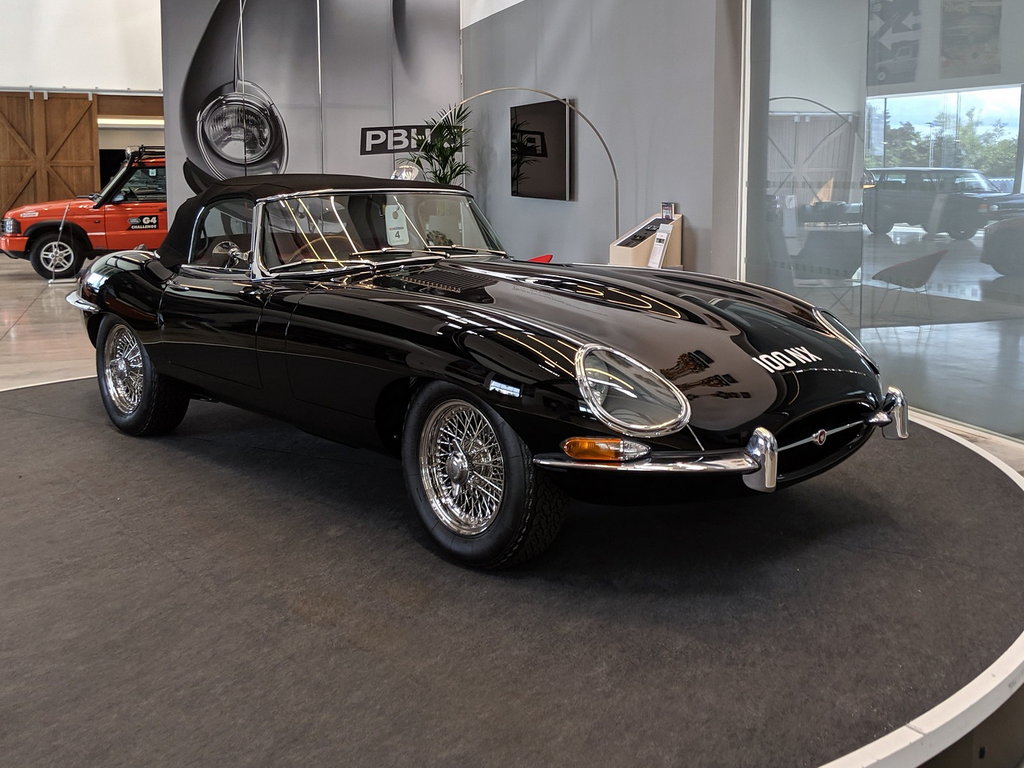
Jaguar E-Type 3.8-Litre Roadster
Breathtaking styling in 1961 and a powerful S6 engine, This pure, 150 mph open-top sports car defined the swinging sixties. Very early cars had flat floors – pretty but cramped.
Years
1961-64
Engine
3781cc S6 DOC
Body Style
Roadster
Production
7820
Power: Weight
265 bhp
Dimensions
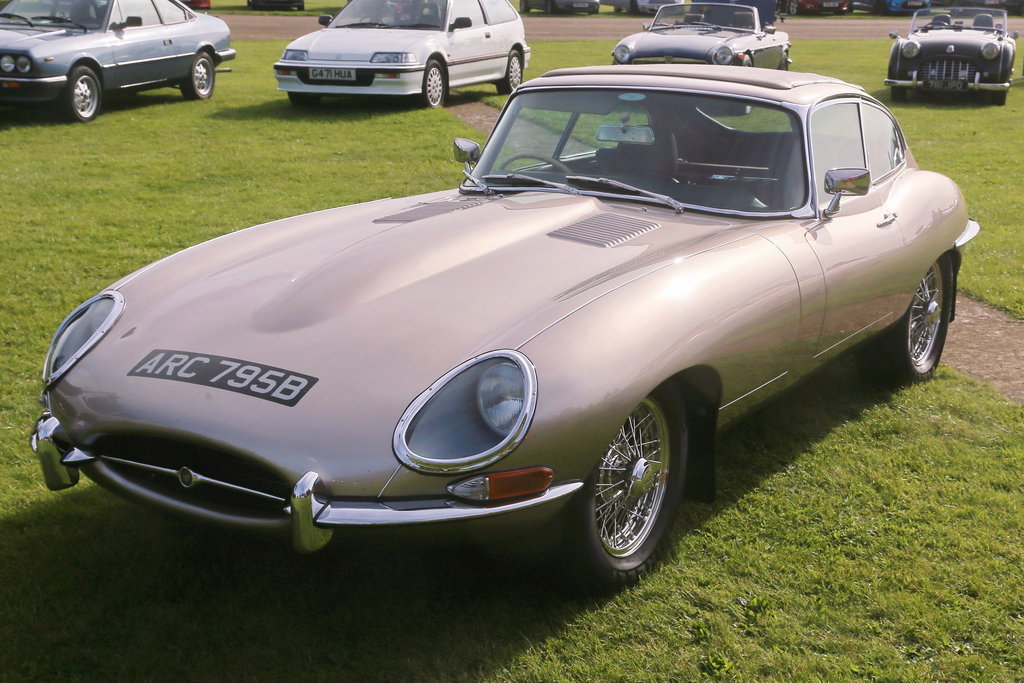
Jaguar E-Type 3.8-Litre Coupé
FHC combining aerodynamic fastback silhouette with a side-opening rear hatch. Advanced monocoque construction and independent rear suspension.
Years
1961-64
Engine
3781cc S6 DOC
Body Style
Coupé
Production
7670
Power: Weight
Dimensions
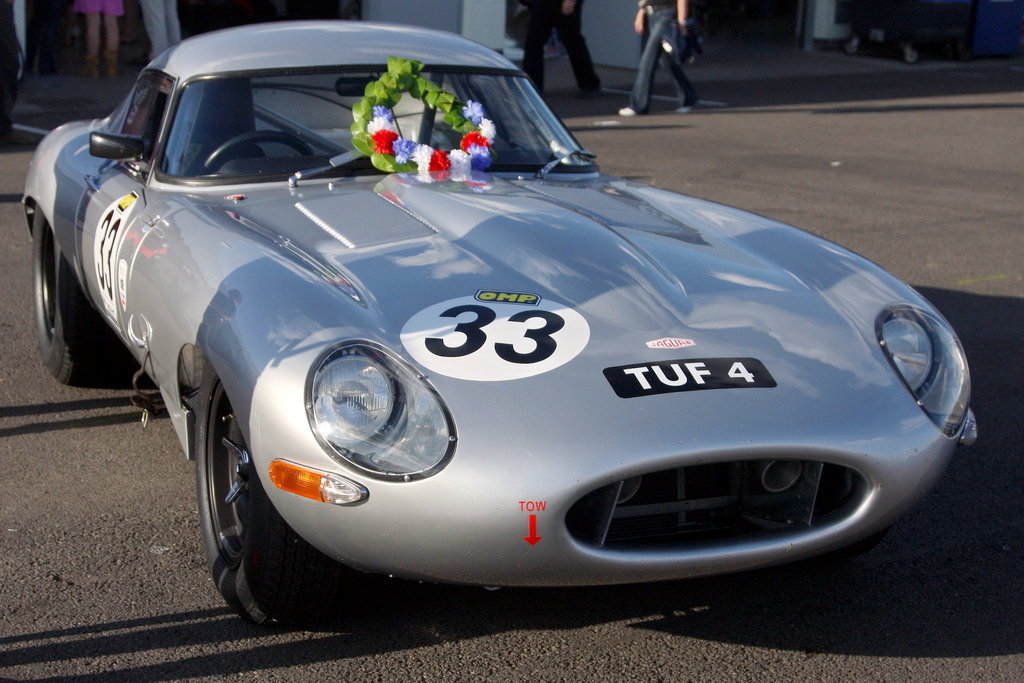
Jaguar E-Type 3.8-Litre Lightweight
All-aluminium racing homologation special built to challenge Ferrari. Stripped of luxury trim, it weighed 114 kg less than standard models. Fuel-injected, giving 300 bhp.
Years
196e
Engine
3781cc S6 DOC
Body Style
Coupé
Production
12
Power: Weight
300 bhp
Dimensions
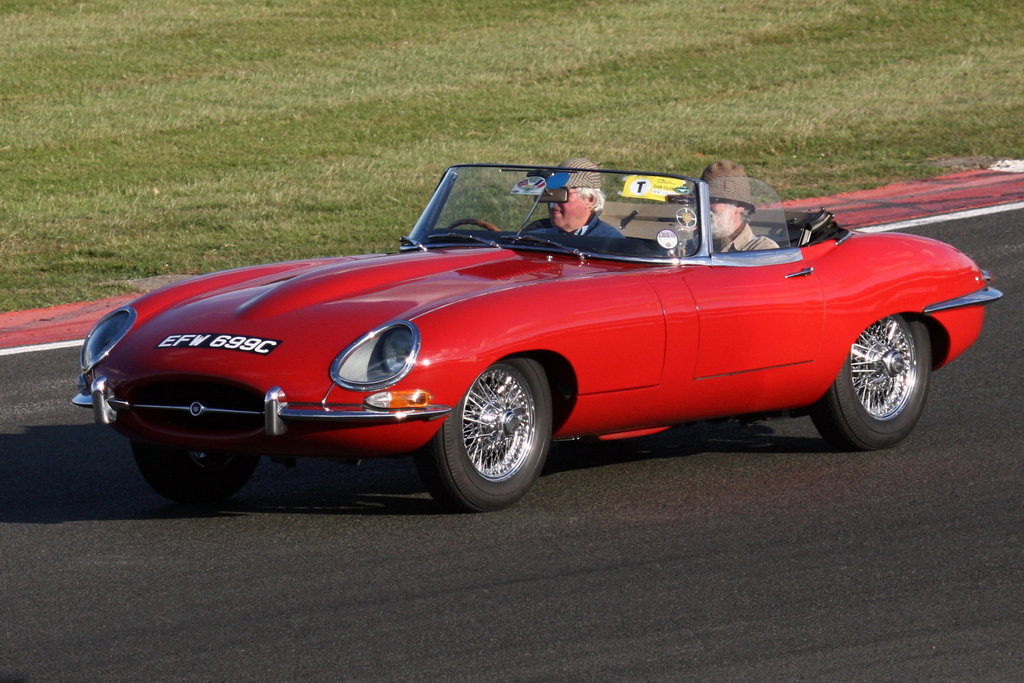
Jaguar E-Type 4.2-Litre
Bigger, torquier engine and in-house, all-synchro gearbox in place of the heavy, sluggish Moss unit, perfected the original design. Retained the glass-covered headlights and more comfortable, adjustable seats.
Years
1965-68
Engine
4235cc S6 DOC
Body Style
Roadster, coupé
Production
9550
Power: Weight
Dimensions
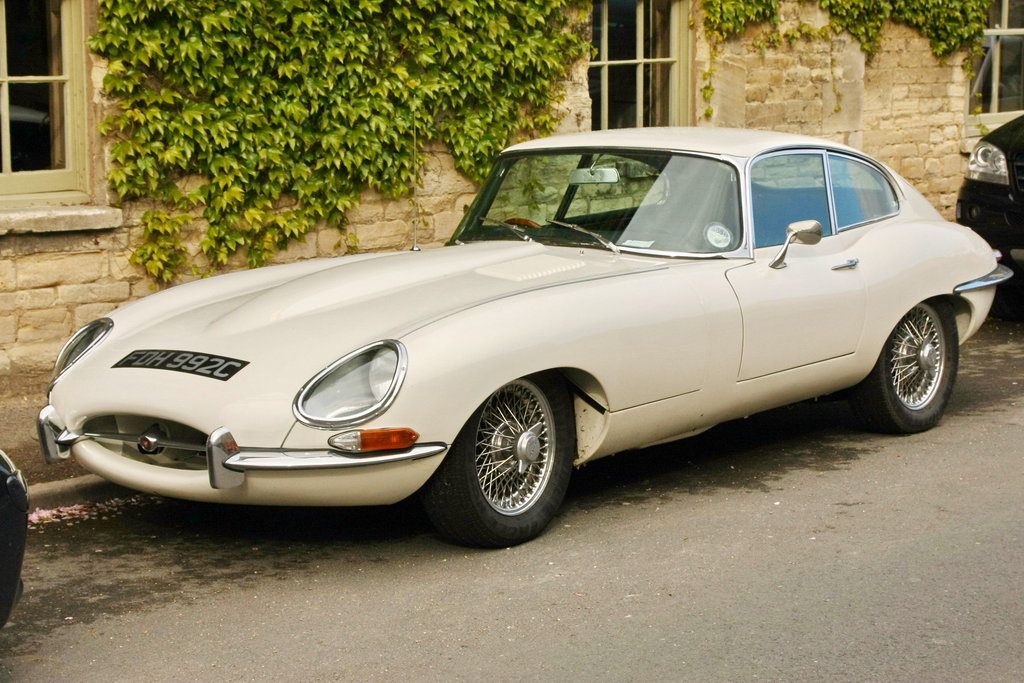
Jaguar E-Type 4.2-Litre Coupé
Coupé version
Years
1965-68
Engine
4235cc S6 DOC
Body Style
Roadster, coupé
Production
7770
Power: Weight
Dimensions
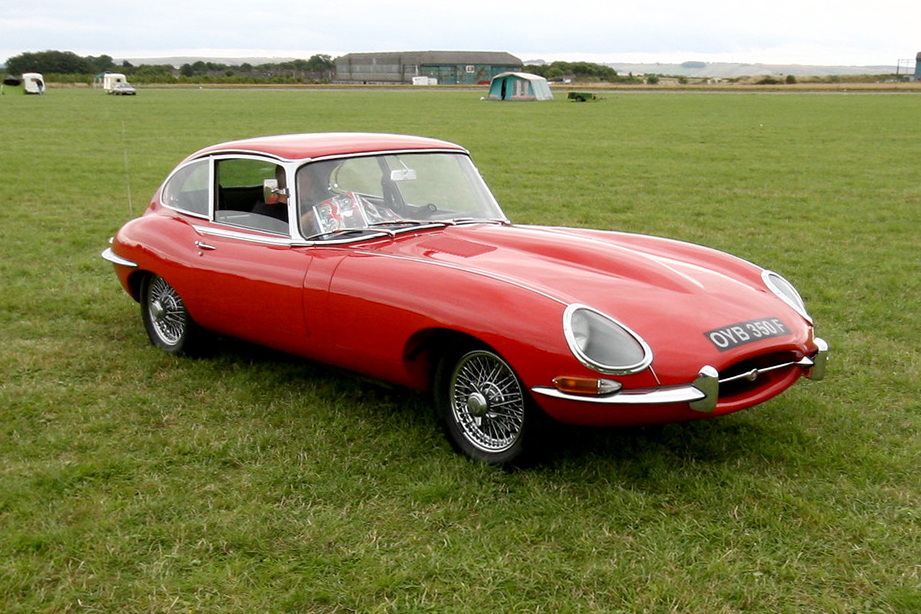
Jaguar E-Type 4.2-Litre 2+2
The 2+2 stretched the chassis by 9 inches and raised the roofline to accommodate two small rear seats. Introducing a steeper windscreen and longer doors, it sacrificed silhouette for practicality. Auto option.
Years
1966-68
Engine
4235cc S6 DOC.
Body Style
Roadster, coupé, 2+2 coupé
Production
5600
Power: Weight
Dimensions
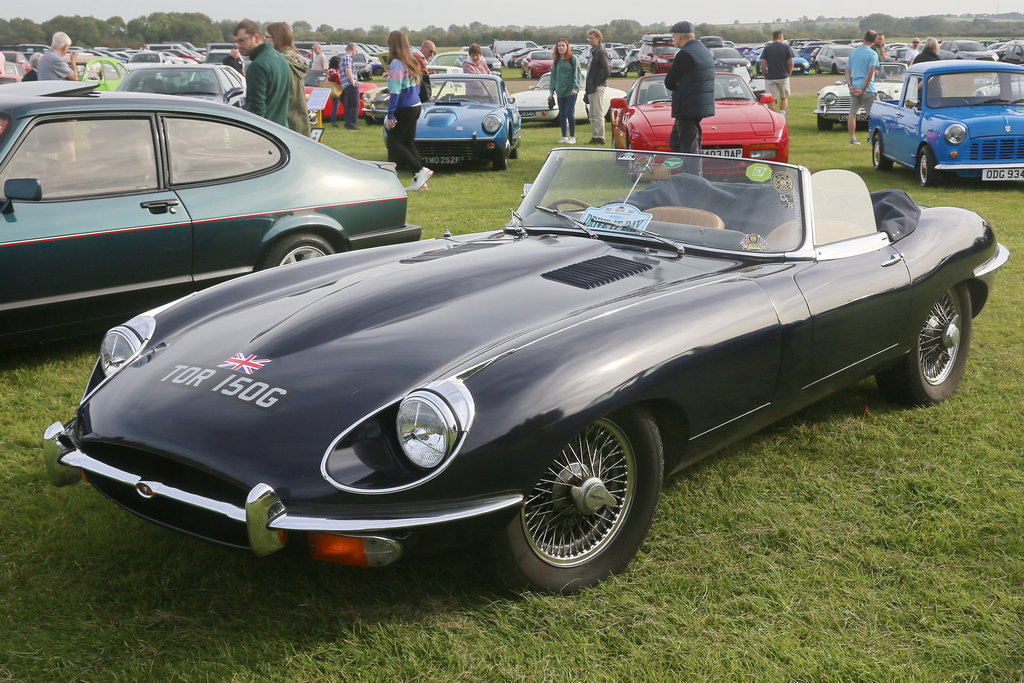
Jaguar E-Type 4.2-Litre S2
The S2 adopted exposed, forward-mounted headlights and wrapping bumpers to comply with US safety legislation. Toggle switches made way for plastic rockers. New, more reliable twin-fan cooling system.
Years
1969-70
Engine
4235cc S6 DOC
Body Style
Roadster, coupé, 2+2 coupé
Production
8630
Power: Weight
Dimensions
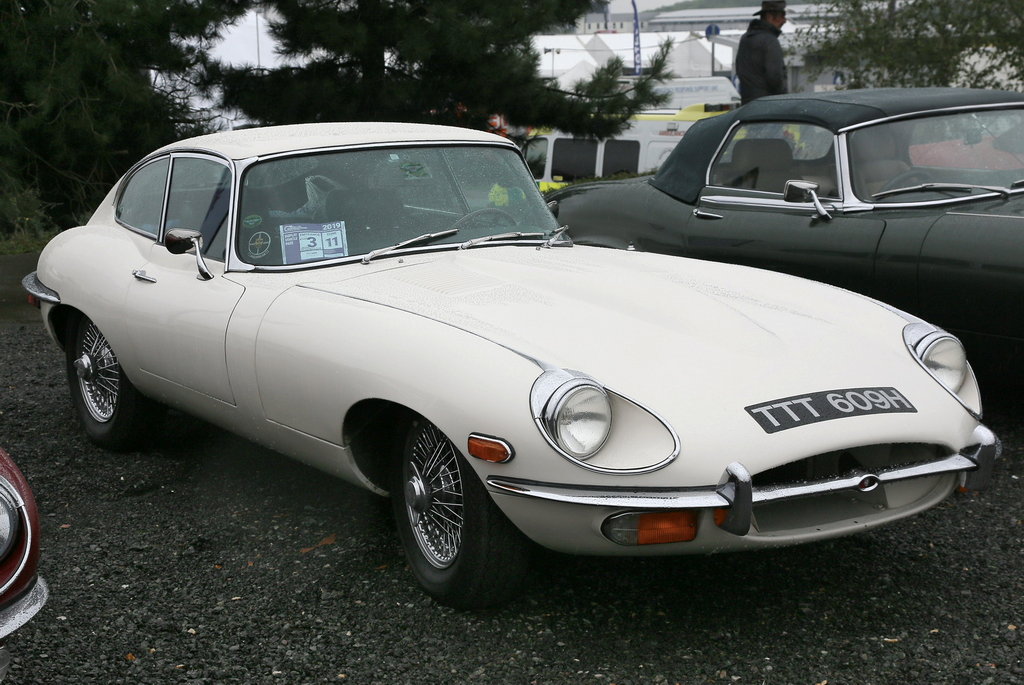
Jaguar E-Type 4.2-Litre S2 Coupé
Coupé version
Years
1965-68
Engine
4235cc S6 DOC
Body Style
Roadster, coupé
Production
4860
Power: Weight
Dimensions
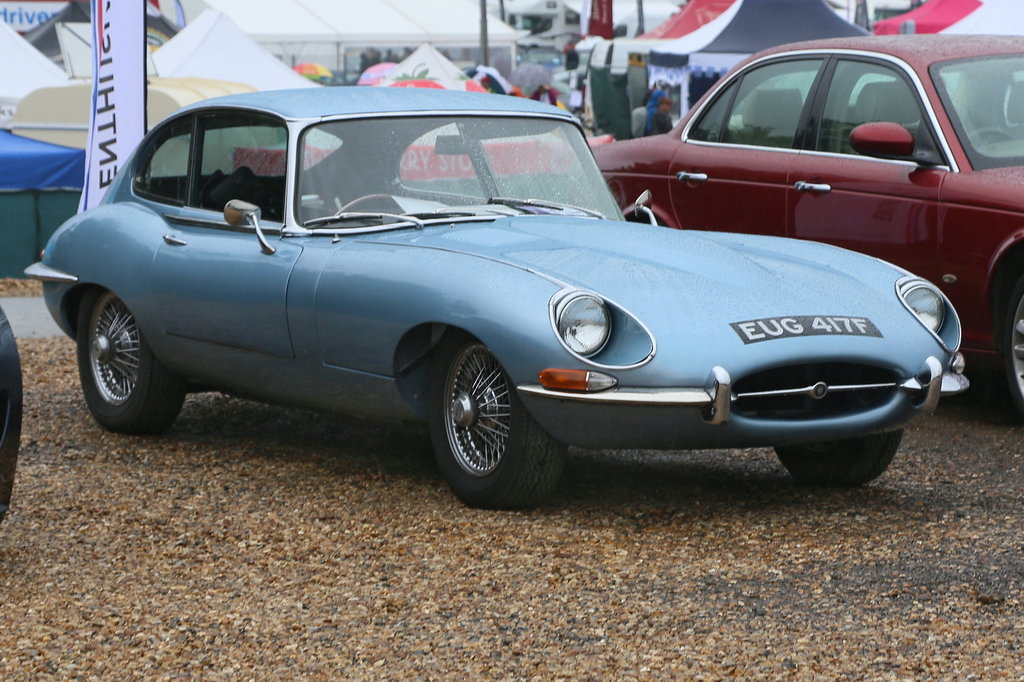
Jaguar E-Type 4.2-Litre S2
2+2 version
Years
1969-70
Engine
4235cc S6 DOC.
Body Style
Roadster, coupé, 2+2 coupé
Production
5330
Power: Weight
Dimensions
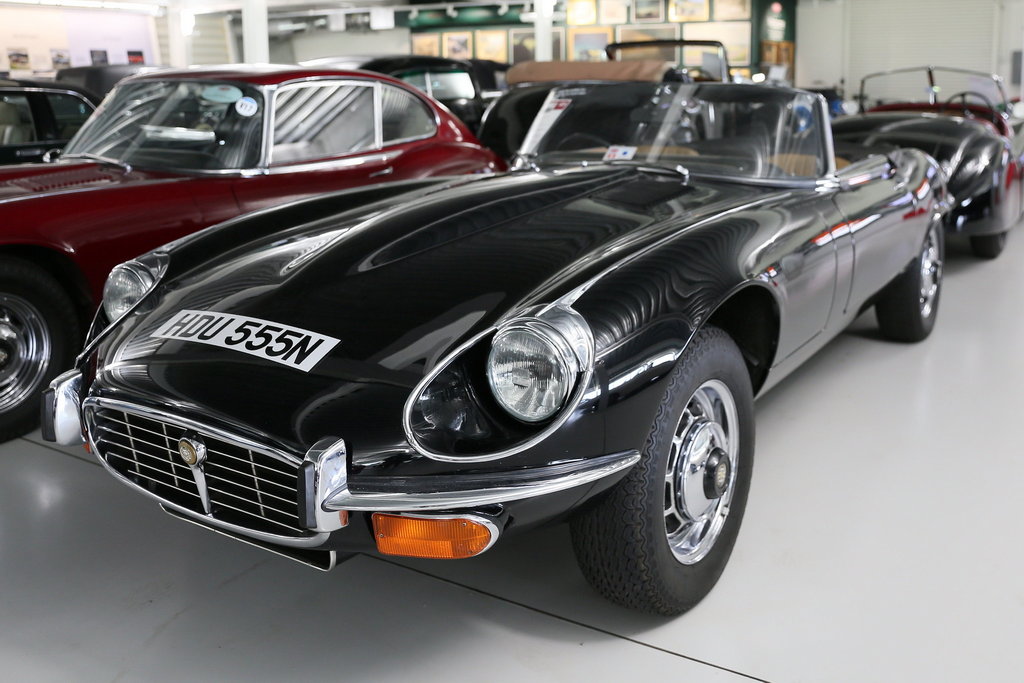
Jaguar E-Type S3 Roadster
The new V12 transformed the sports car into a powerful Grand Tourer. Built on the longer 2+2 wheelbase, it offered a more spacious cockpit, wider track, flared wheel arches, and a large, slatted front grille.
Years
1971-75
Engine
5343cc V12 DOC
Body Style
Roadster
Production
7990
Power: Weight
272 bhp
Dimensions
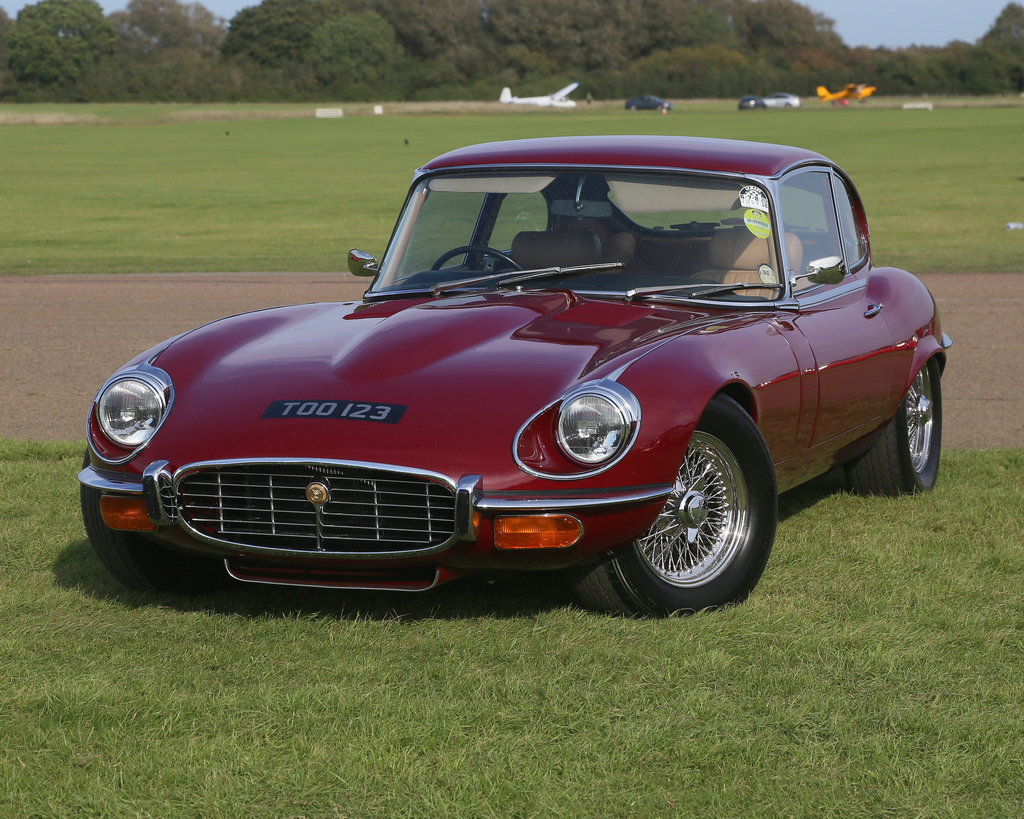
Jaguar E-Type S3 Coupé
Coupé version
Years
1971-75
Engine
5343cc V12 DOC.
Body Style
2+2 coupé
Production
7300
Power: Weight
Dimensions
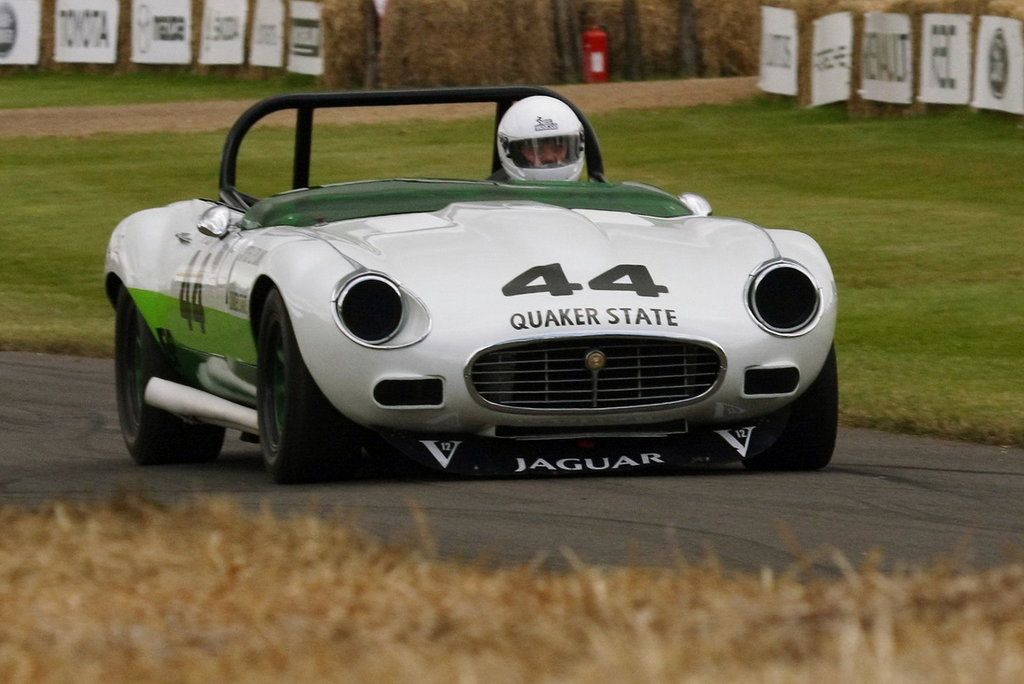
Jaguar E-Type ‘Group 44’
Commissioned by BL to clear unsold US inventory, the Group 44 car was a radically modified roadster. Stripped down to 1,211 kg and pushing a fierce 460 bhp, it dominated the 1975 Championship.
Years
1975
Engine
5343cc V12 DOC
Body Style
Roadster
Production
Power: Weight
460 bhp: 1211 kg
Dimensions
Leave a Reply