Founded in 1901 in Bradford, Jowett Cars built a fierce reputation for creating unique, highly engineered British vehicles. The company initially specialised in light cars and commercial vehicles powered by a rugged, water-cooled flat-twin engine.
Following the Second World War, the manufacturer abandoned its utilitarian roots to release two highly advanced vehicles designed by Gerald Palmer: the aerodynamic Jowett Javelin saloon in 1947 and the sleek Jupiter sports car in 1950. Both models utilised an innovative aluminium flat-four engine and advanced torsion-bar suspension.
Despite motorsport success at Le Mans, body supply issues – Ford bought Briggs and sold the Doncaster plant – and a collapse in vital export markets forced the company to cease production in 1954.
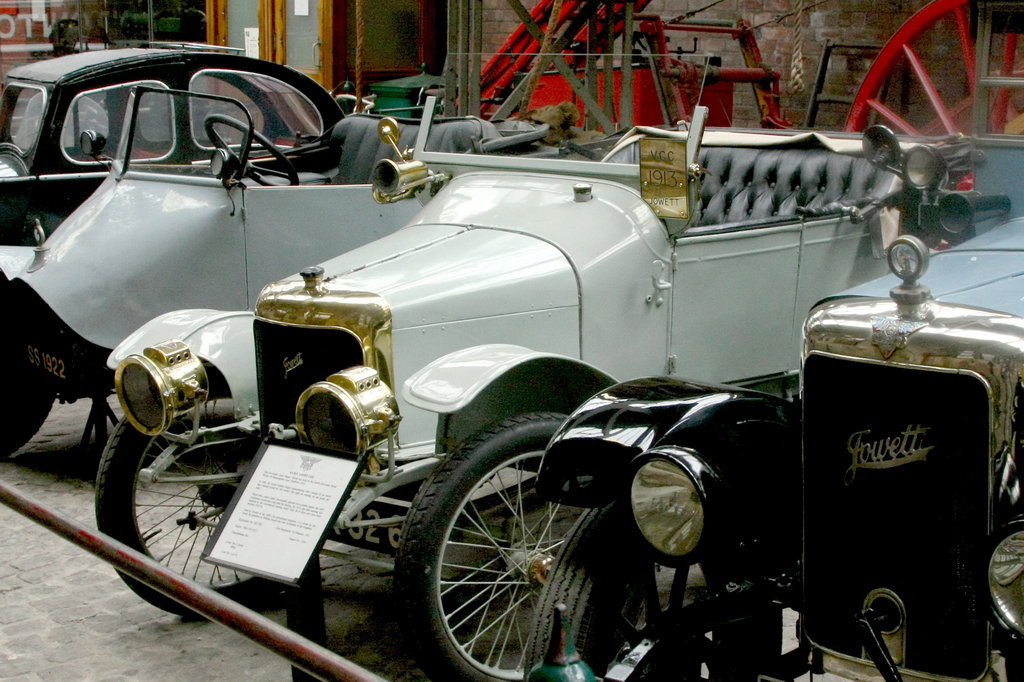
Jowett 6.4 / 8 HP Light Car
Pioneering lightweight open two-seater with purpose-built aluminium engine and gearbox. First 12 had tiller steering.
Years
1906-14
Engine
816cc F2
Body Style
Tourer
Production
38
Power: Weight
Dimensions
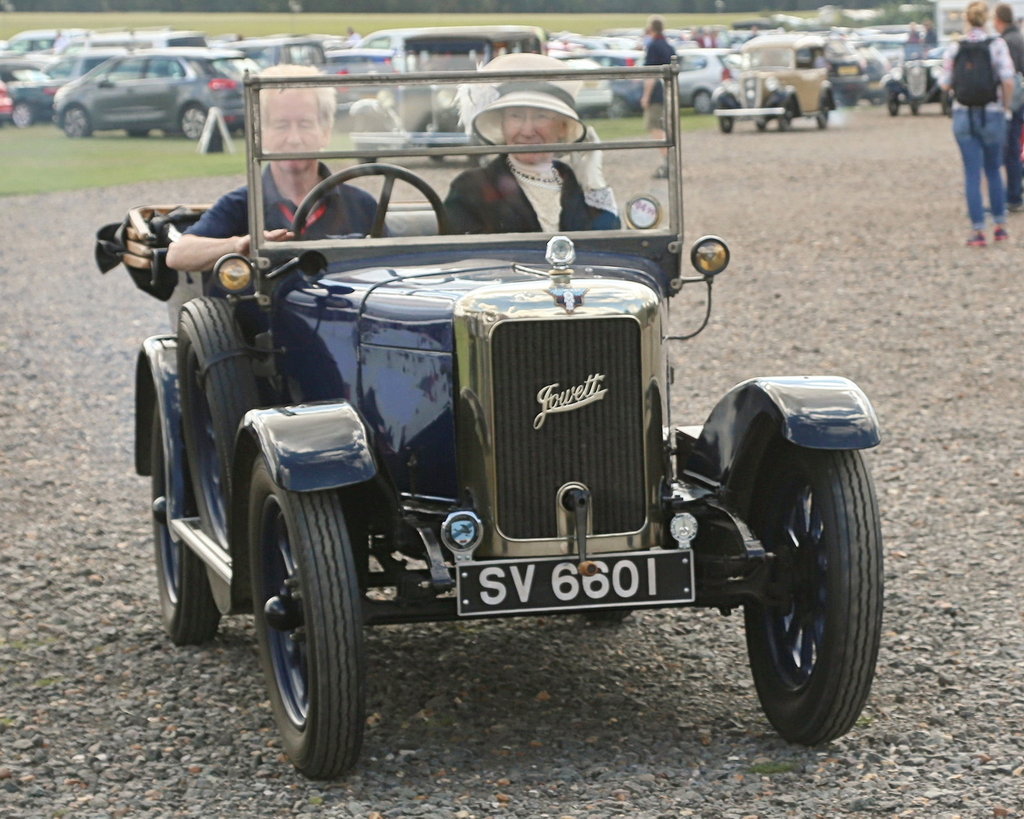
Jowett 7 HP
After WWI, from their new factory at Idle, Jowett established a formidable name for simple, rugged, and economical light cars. The “Little Engine with the Big Pull” proved highly popular for conquering steep northern hills and poor roads.
Years
1919-30
Engine
907cc F2
Body Style
Tourer
Production
11, 444 (all interwar twins)
Power: Weight
Dimensions
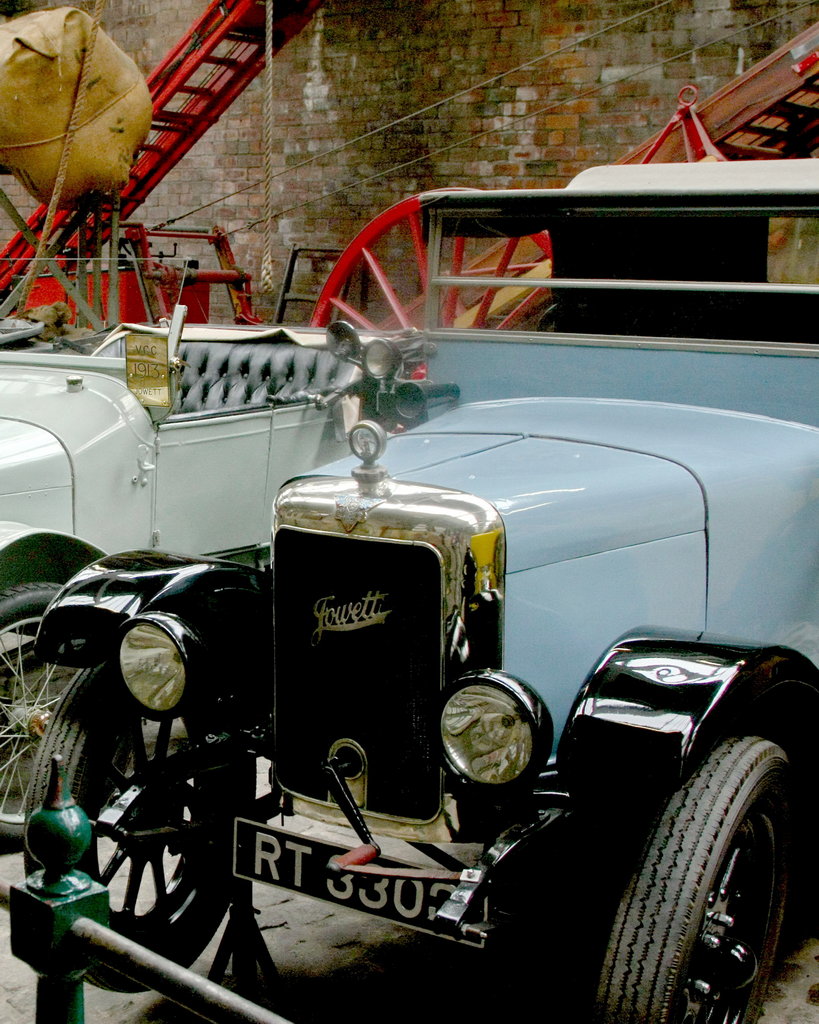
Jowett Long Two / Long Four
Longer wheelbase car with 2 or 4 seats. The 2-seater shown was the first car to cross Africa. Coil ignition and electric starter motor; removable cylinder heads and 4-wheel braking from 1929.
Years
1923-35
Engine
907cc F2
Body Style
Tourer, saloon, sports tourer
Production
inc above
Power: Weight
Dimensions
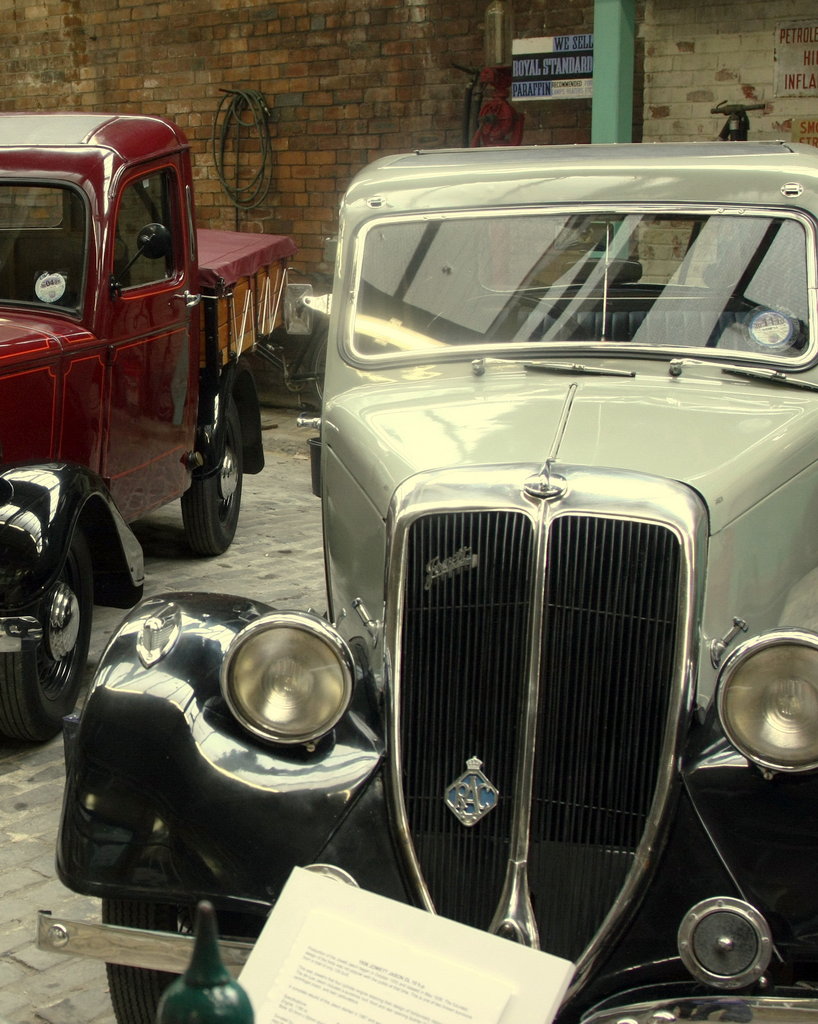
Jowett Jason / Jupiter / Kestrel / Weasel
The company’s first 4-cylinder engine, of innovative flat-four design: conventional looks of Jupiter were preferred to the aerodynamic grille of the Jason (shown). Kestrel updated the twin with streamlined body and conventional grille; Weasel was a 4-seater sports tourer.
Years
1935-36
Engine
907cc F2 / 1166cc F4 SV
Body Style
Saloon, sports tourer
Production
105; c. 125; 2600; 75
Power: Weight
Dimensions
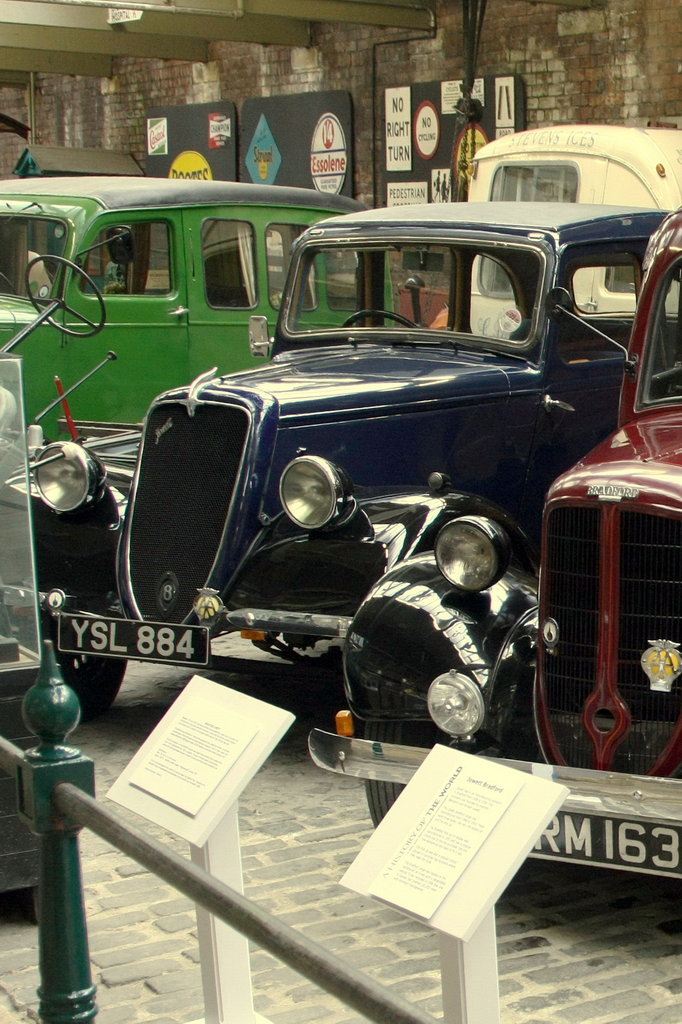
Jowett 8 / 10
The Eight and Ten standardised pre-war production into a single, modernised body design. The Eight had an flat-twin engine, the Ten used the smooth 1,166cc flat-four unit. These reliable saloons kept the factory moving until military work stopped production in 1940.
Years
1936-40
Engine
946cc F2 /1166cc F4 SV
Body Style
Saloon
Production
2888; 1821
Power: Weight
Dimensions
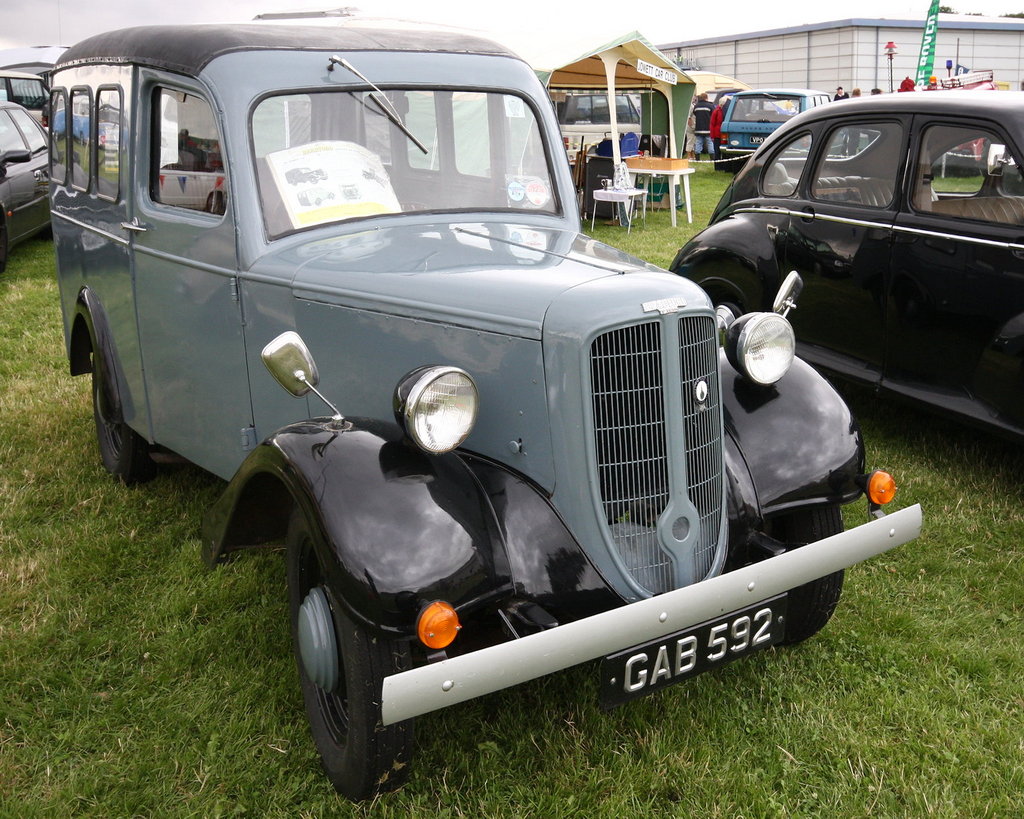
Jowett Bradford Utility
Estate version of the Bradford van, with side windows and rear passenger seats. Later De Luxe added a chrome rear bumper and steps. This clever “six-light” design offered families a rugged, tax-efficient alternative to a traditional saloon.
Years
1946-53
Engine
1005cc F2
Body Style
Estate
Production
38,241 (mostly vans)
Power: Weight
Dimensions
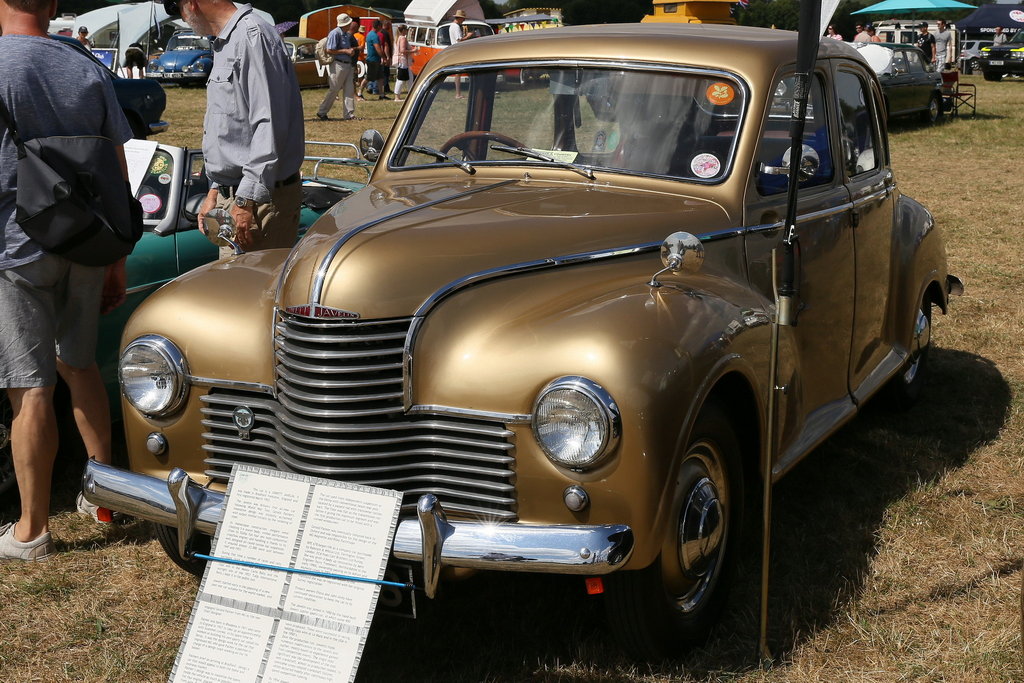
Jowett Javelin
Advanced saloon featuring streamlined body designed by Gerald Palmer, and forward-mounted aluminium flat-four engine, it used torsion-bar suspension to deliver superb handling. Bodies made by Briggs in a dedicated Doncaster plant.
Years
1947-53
Engine
1486cc F4 OHV
Body Style
Saloon
Production
23,000
Power: Weight
Dimensions
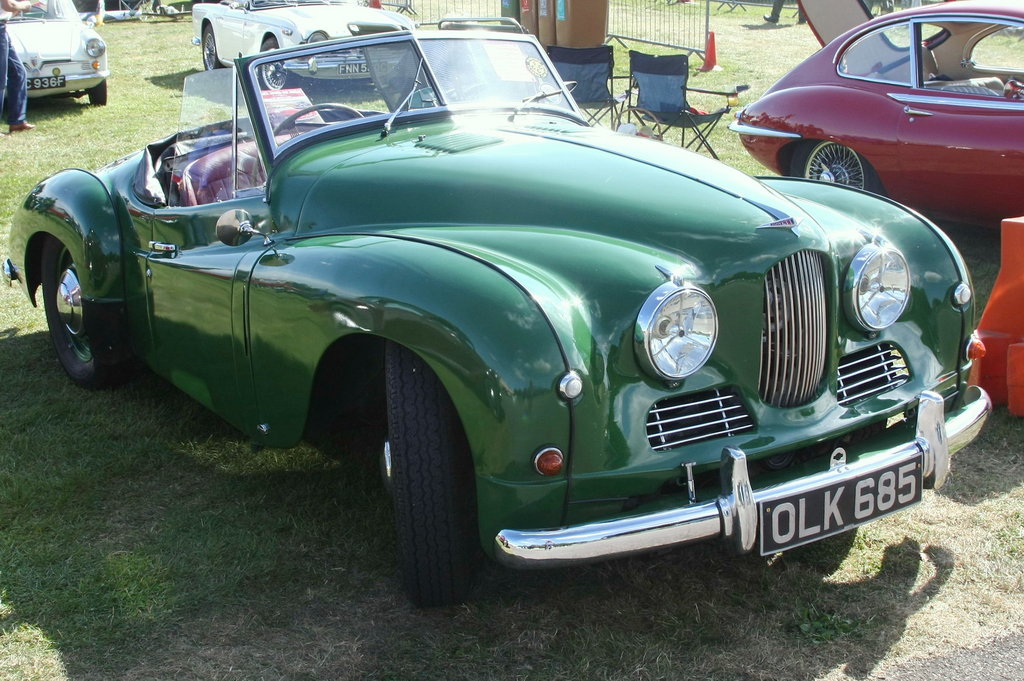
Jowett Jupiter
Light aluminium structure over a race-bred, tubular steel chassis designed by former-Auto Union engineer Robert Eberan von Eberhorst. Class-leading handling that allowed it to secure class victory at the 1950/1951/1952 Le Mans.
Years
1950-54
Engine
1486cc F4 OHV.
Body Style
Sportscar
Production
733; 94 Mk II; 69 chassis
Power: Weight
Dimensions
Mk II had opening boot
Leave a Reply