Before World War I, Rover successfully transitioned from a world-leading bicycle manufacturer into a prestigious car company. In 1888, Starley made an electric tricycle car, but it was never put into production.
Three years after founder J. K. Starley’s death in 1901 the Rover company began producing cars with the two-seater Rover Eight to the designs of Edmund Lewis, who came from the Daimler. Their early years were experimental, featuring advanced single-cylinder “runabouts” and the 1907 Isle of Man TT-winning 20hp model.
However, the company’s identity truly solidified under the leadership of Owen Clegg. Arriving from Wolseley in 1910, Clegg scrapped the confusing lineup of experimental sleeve-valve engines to focus on refined, high-quality engineering. This car was so successful that all other cars were dropped, and for a while, Rover pursued a “one model” policy, turning Rover into a symbol of middle-class reliability and sophistication.

Starley ‘Rover’ Safety Bicycle
The company made history in 1885 with the Rover Safety Bicycle. Its chain-driven rear wheel and equal-sized wheels made the dangerous “Penny Farthing” obsolete. Bicyle is Polish is ‘rower’ as a consequence… 400,000 Rover bicycles were made by 1924.
Years
1885
Engine
N/A
Body Style
N/A
Production
Power: Weight
Dimensions

Rover Imperial 3.5 HP Motorcycle
Diamond-framed with the engine in the centre and ‘springer’ front forks – which was ahead of its time, as were features such as a spray carburettor, bottom-bracket engine and mechanically operated valves. 10,000 motorcycles were made by 1924.
Years
1902-05; 1910-14
Engine
411/500cc
Body Style
N/A
Production
Power: Weight
Dimensions

Rover 8 HP
Technically advanced, featuring a unique central backbone chassis – a rigid box-girder structure that protected the drivetrain. It was famously used for a long-distance drive from London to Constantinople in 1906.
Years
1904-12
Engine
1327 S1
Body Style
Tourer
Production
2200
Power: Weight
Dimensions

Rover 6 HP
A smaller, more affordable single-cylinder follow-up to the 8hp model.
Years
1905-12
Engine
780cc S1
Body Style
Tourer
Production
2296
Power: Weight
Dimensions

Rover 10/12 & 16/20 & 16 HP
Soon, Rover offered their first 4-cylinder cars: the 10/12 a smoother small car with a small monobloc engine; and the larger 16/20 with cylinders cast in pairs. A version of the latter won the Isle of Man TT, a landmark for the company.
Years
1906-07/1906-10/1906-10
Engine
1767/3100/3251cc S4
Body Style
Tourer
Production
c. 200
Power: Weight
Dimensions
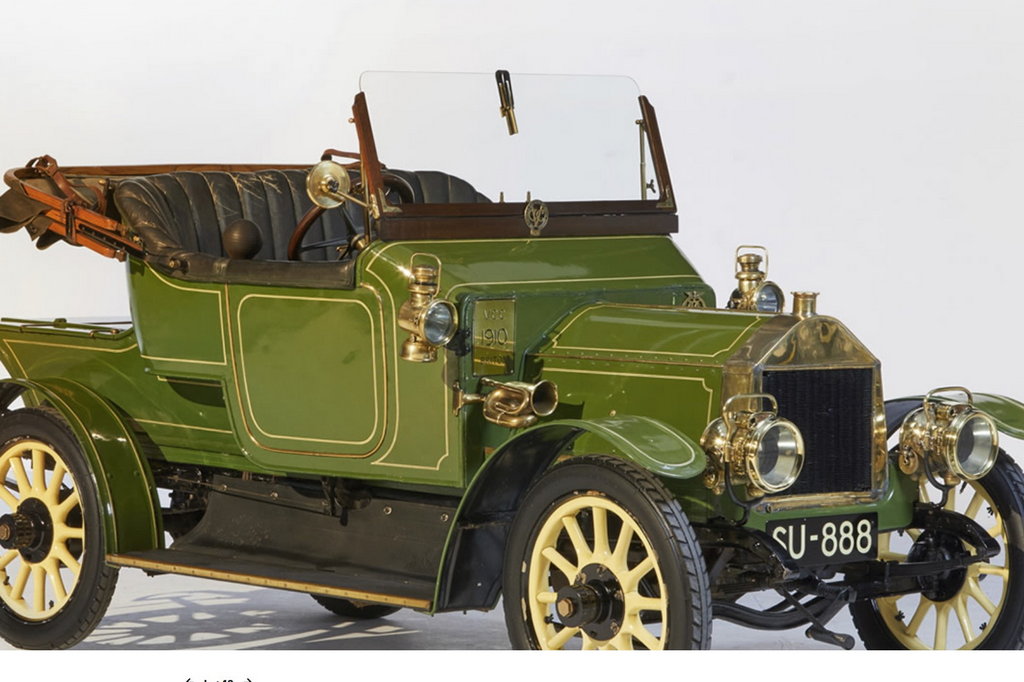
Rover 10/12 HP 2-Cylinder
Rover briefly reverted to two cylinders for their mid-range models before Clegg’s arrival and fleetingly experimented with the Knight sleeve-valve engine. Only one known survivor.
Years
1909-12/1910-12
Engine
1624cc S2 SV/1882cc S2 SlV
Body Style
Tourer
Production
400/350 (inc 8 HP)
Power: Weight
Dimensions
Photo: Gooding

Rover 15 HP
Designed by Bernard Wright, this model replaced the earlier large fours. It featured a 2.5-litre engine – the first Rover to adopt pressure lubrication in 1911.
Years
1908-11
Engine
2497cc S4 SV
Body Style
Tourer
Production
450
Power: Weight
Dimensions
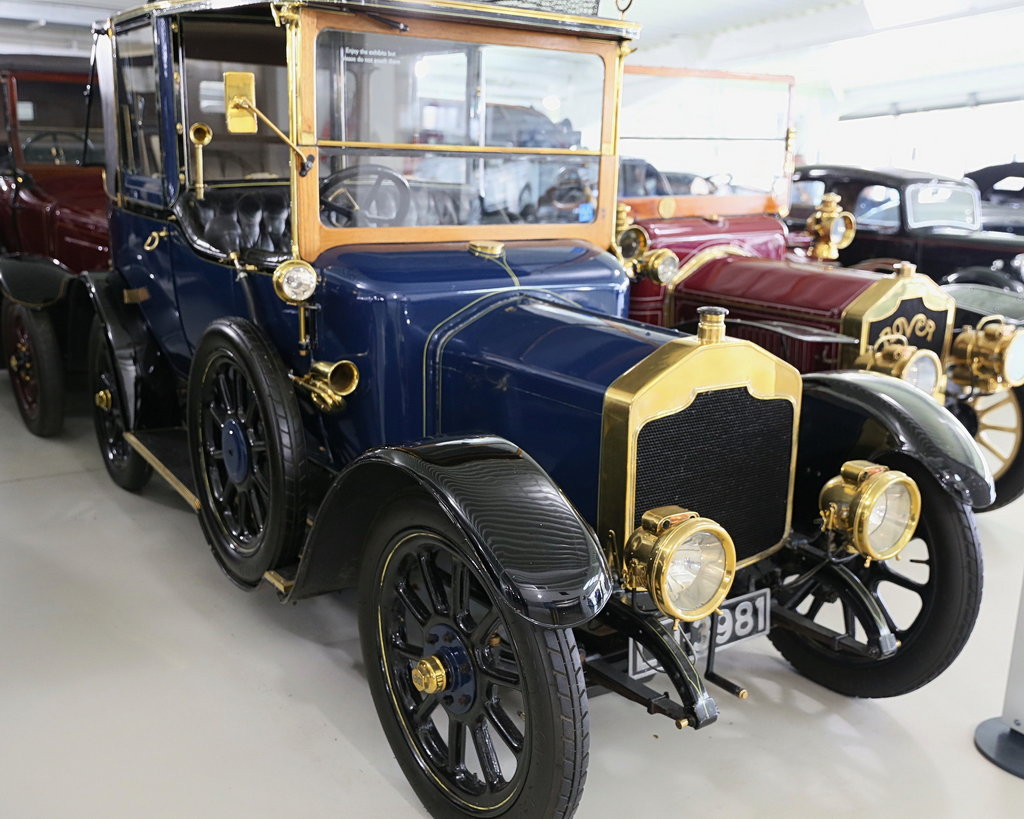
Rover 12 Clegg
His masterpiece, the 1912 “Clegg” 12hp, introduced a modern 2.3-litre four-cylinder monobloc engine and the industry’s first engine oil dipstick. Shown is the upper-end Landaulette. For one season, there was also a bigger 18.
Years
1912-23
Engine
2297(3307)cc S4 SV
Body Style
Tourers; others
Production
5000 + 150 18 HP
Power: Weight
.
Dimensions
.