Between 1945 and 1985, Rover transitioned from a traditional luxury manufacturer to a core component of the British Leyland empire. Post-war, the company focused on quality, releasing the P3 and the iconic “Auntie” P4 saloon (1949–1964), known for its,, “Cyclops” light.
The revolutionary 1948 Land Rover, designed for agriculture, became a global success. Innovation continued with the P5 (1958) and P6 (1963) saloons, which brought high-end comfort and the 3.5L V8 to discerning owners.
Despite technical triumphs like the Range Rover (1970), the 1967 merger with Leyland and later nationalization brought industrial strife. By 1985, the company had launched the luxury SD1 and was aligning with Honda.
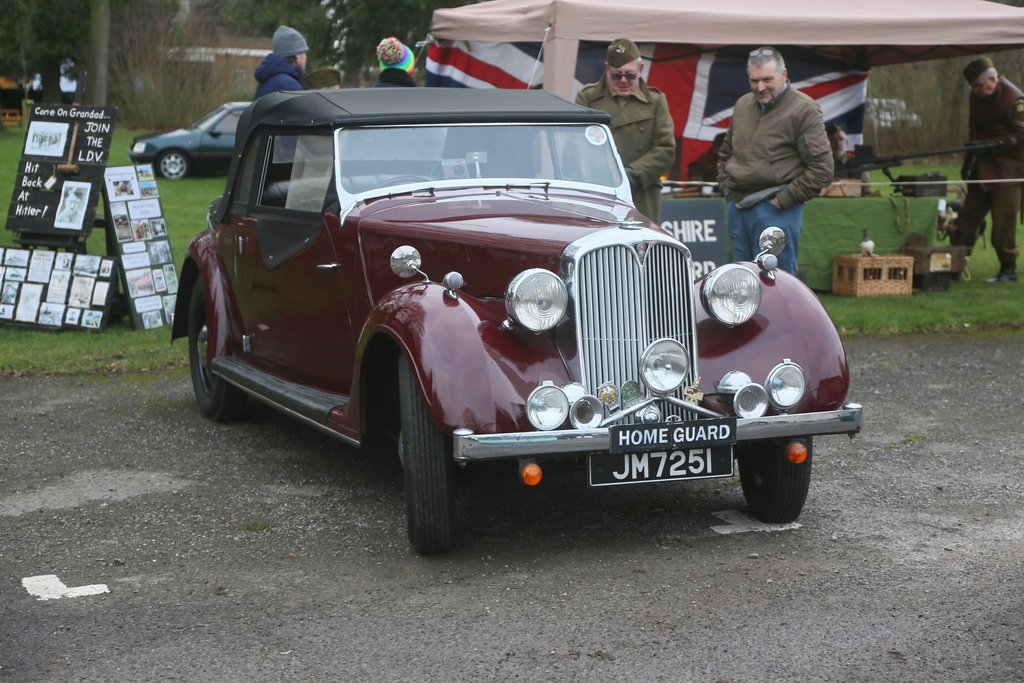
Rover P2 10 / 12 / 14 / 16
Thirties design with post-war refresh. On 105/112/115/115 inch wheelbase chassis. Dignified and refined cars, with the 12 tourer being notably pretty. The pre-war 20 did not continue after the war. Heater standard from ’47.
Years
1945-49
Engine
1389/1496cc S4; 1901/12147cc S6 OHV
Body Style
Sallon, sports saloon, tourer (12)
Production
2640 / 4840/ 1705 / 4150
Power: Weight
Dimensions
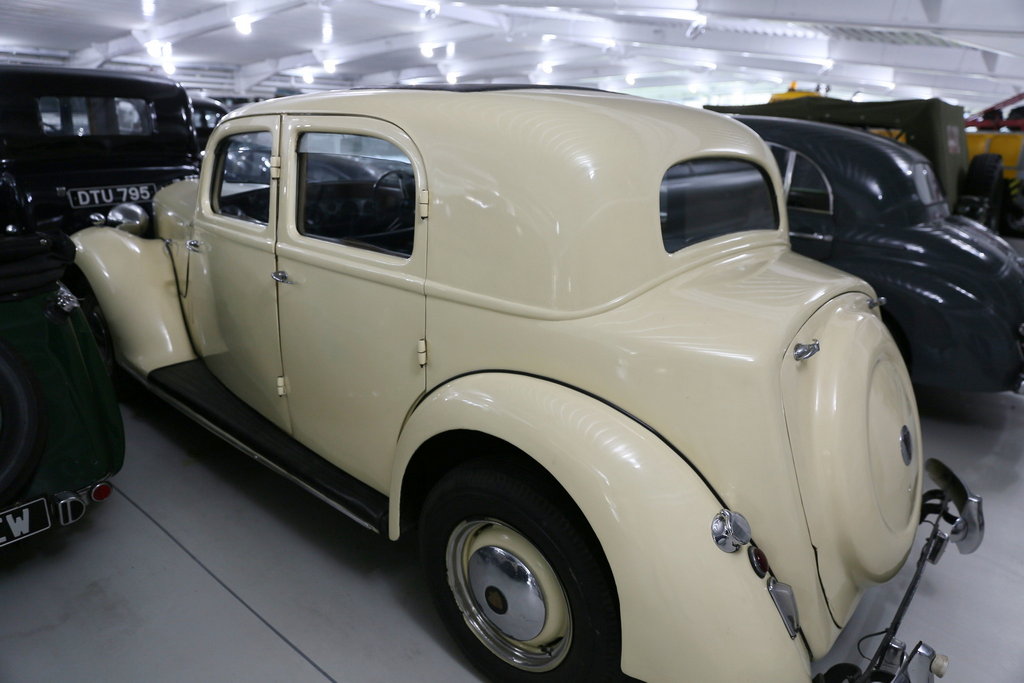
Rover P3 50 / 75
Interim update with coil spring ifs, IOE cylinder heads, electric fuel pump. Traditional styling and free wheel retained.
Years
1948-49
Engine
1595/2103cc S4/S6 IOE
Body Style
Saloon, sports saloon, a few DHC
Production
Power: Weight
Dimensions
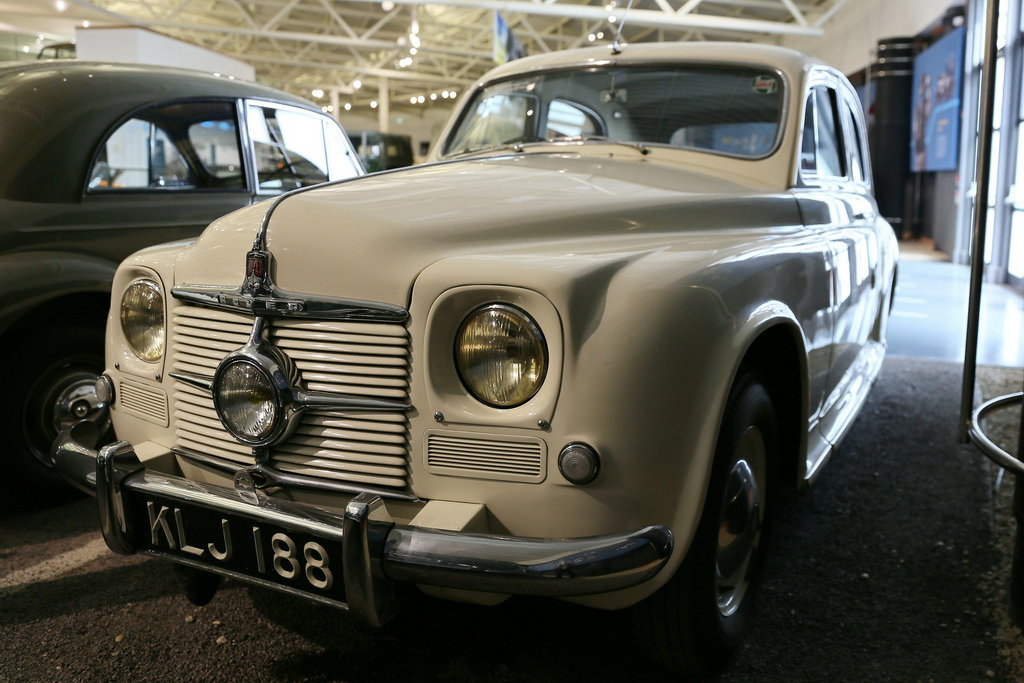
Rover P4 75
Radical slab-sided redesign and famous cyclops spotlight until 1952 facelift. Hydraulic brakes from ’52 and floorshift from ’54. Revised in 1955 with larger engine, and 3-piece wraparound rear screen. Wing-mounted sidelights from ’57.
Years
1950-54; 1955-59
Engine
2103/2230cc S6 IOE
Body Style
Saloon
Production
43677
Power: Weight
Dimensions
A few Pininfarina coupés and DHC were made too.
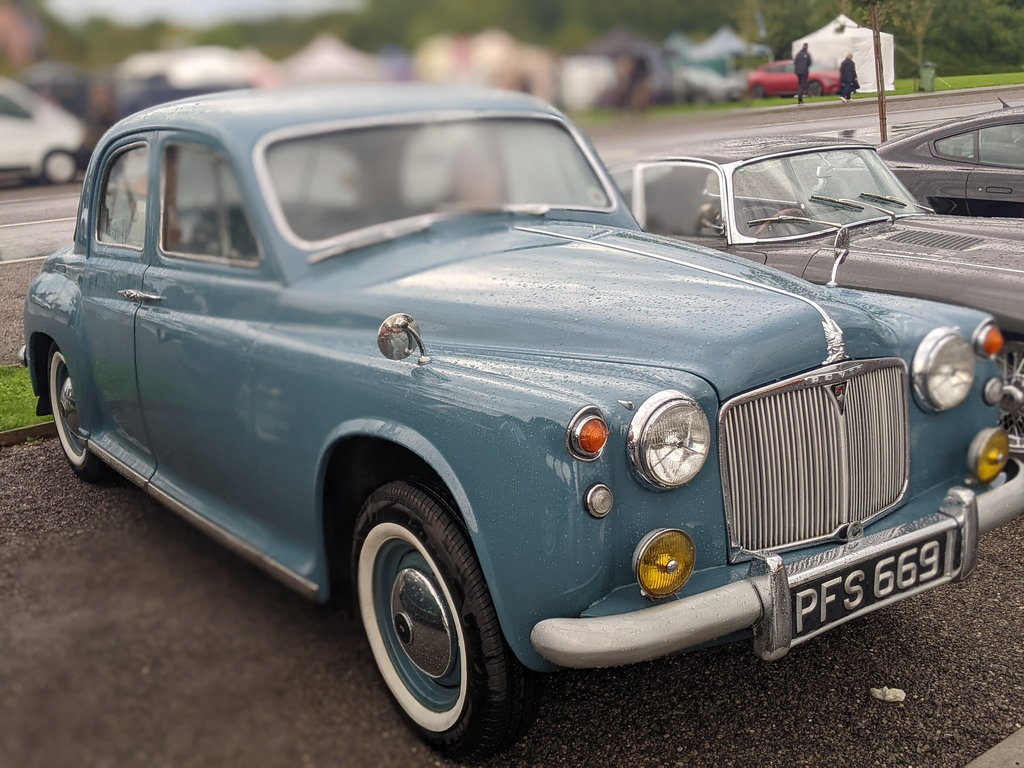
Rover P4 60 / 80
P4 economy model with 4-cylinder Land Rover engine. Still quite thirsty.
Years
1954-59
Engine
1997/2286cc S4 IOE/OHV
Body Style
Saloon
Production
9261/5900
Power: Weight
Dimensions
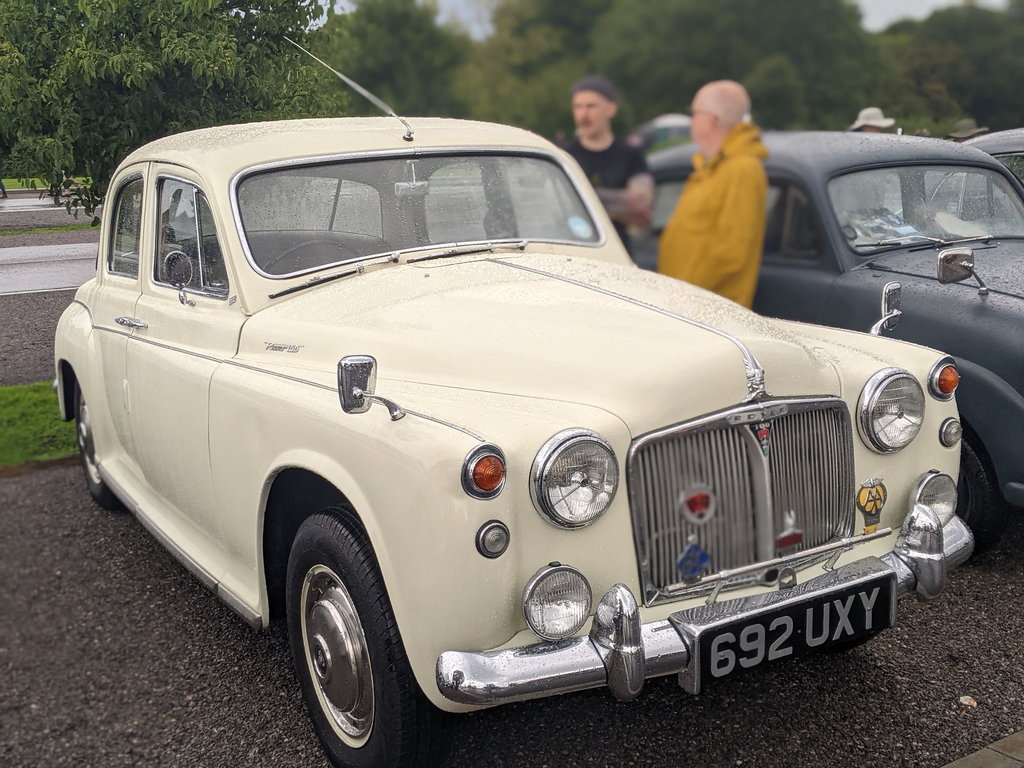
Rover P4 90 / 95 / 100 / 105R / 105S / 110
Various iterations of range-topping sixes. Overdrive an option (rather than freewheel). 90 had 90 bhp and 90 mph. 105 bought in facelift in ’57; S had twin cars, two-tone paints and overdrive. 80 and 100 1960-62; 95 and 110 1962-64.
Years
1954-59
Engine
.
Body Style
Saloon
Production
35,891/3680/16,621/3499/7201/4612
Power: Weight
Dimensions
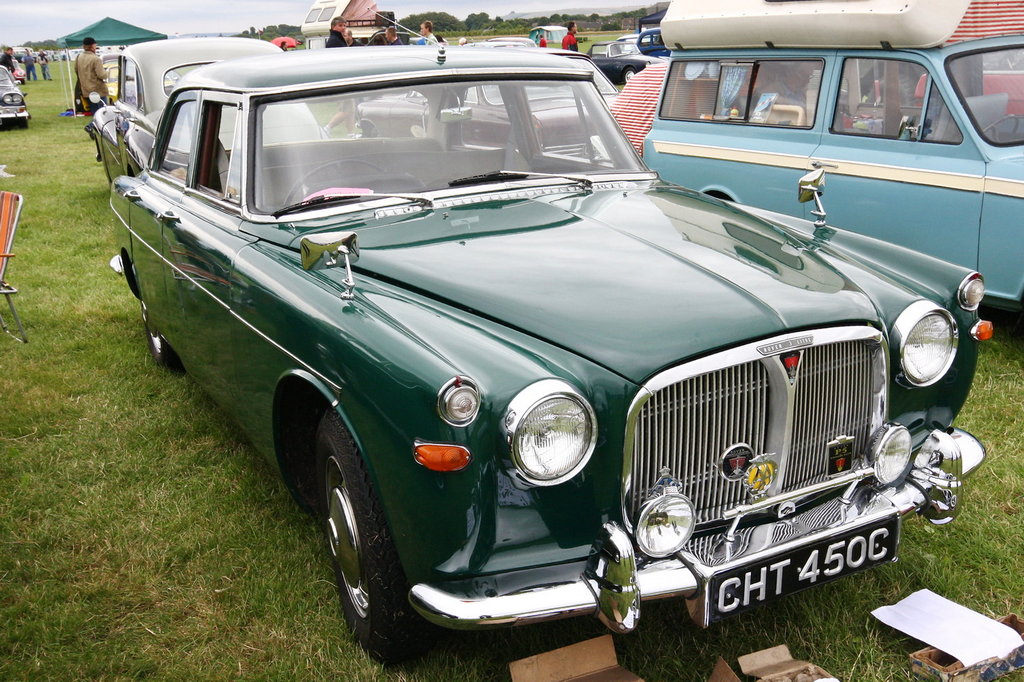
Rover P5 3-Litre Saloon
“Hefty unitary barge, beloved by British officialdom” (Sedgwick). Power steering option, and standard overdrive from 1960.
Years
1959-67
Engine
2995cc S6 IOE
Body Style
Saloon
Production
20,963
Power: Weight
Dimensions
Mk III had full-length side chrome strip
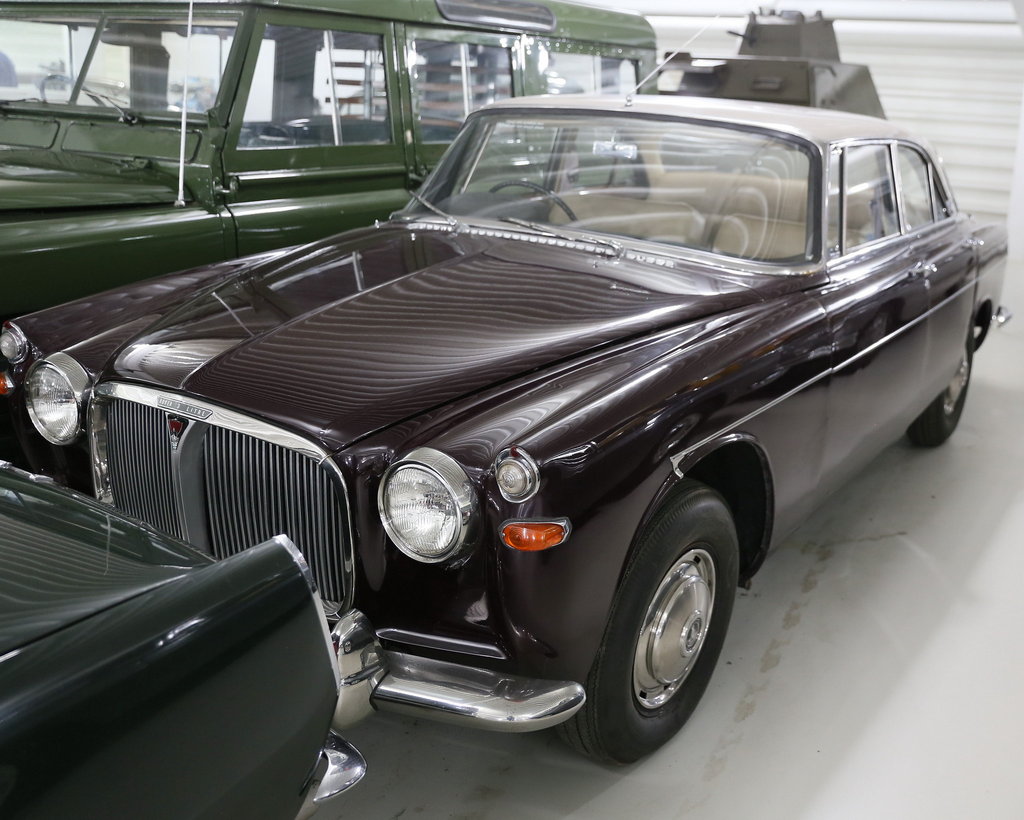
Rover P5 3-Litre Coupé
Strange idea really, but seemed to work. Unless you are a tall back-seat passenger, or like hats!
Years
1962-67
Engine
2995cc S6 IOE
Body Style
Coupé
Production
Inc above
Power: Weight
Dimensions
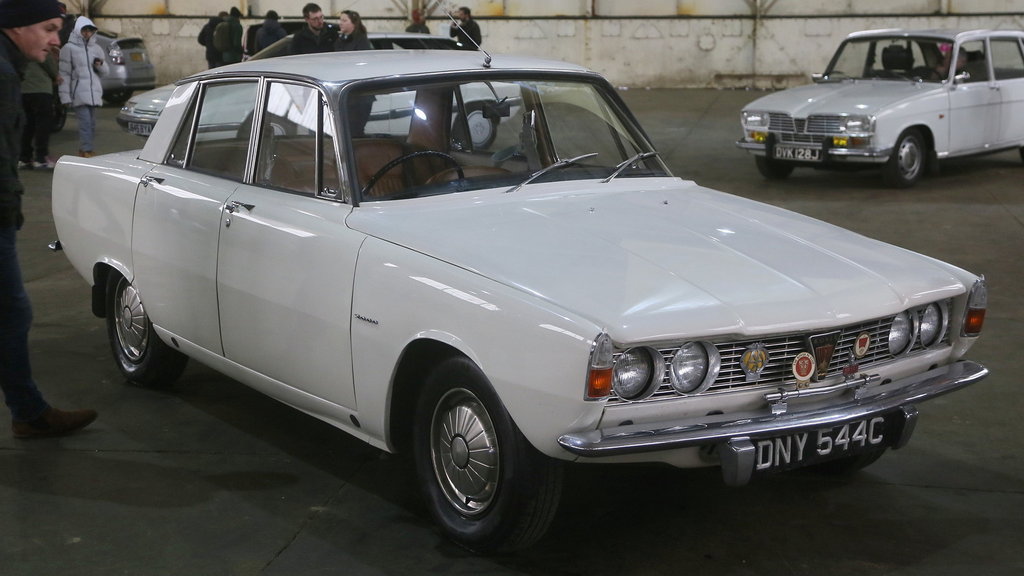
Rover P6 2000 / 2000SC / 2000TC Mk I
New shape, unitary construction and advanced safety, aerodynamics and another styling shock. All new OHC engine, with skeletal block, integral inlet manifold, external oil pump. Originally designed for 3, 4, 5, 6 cylinder options!
Years
1963-70
Engine
1978cc S4 OHC
Body Style
.
Production
327,808
Power: Weight
Dimensions
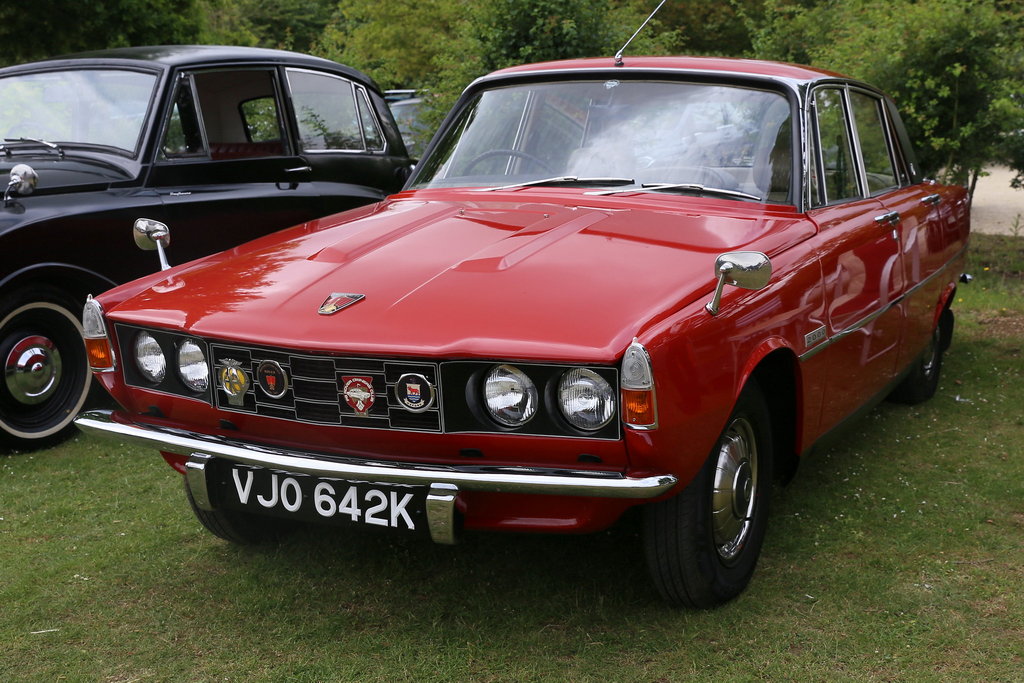
Rover P6 2000SC / 2000 TC Mk II
Internal and external facelift – new grille and bonnet.
Years
1970-73
Engine
1978cc S4 OHC
Body Style
Saloon
Production
Inc above
Power: Weight
Dimensions
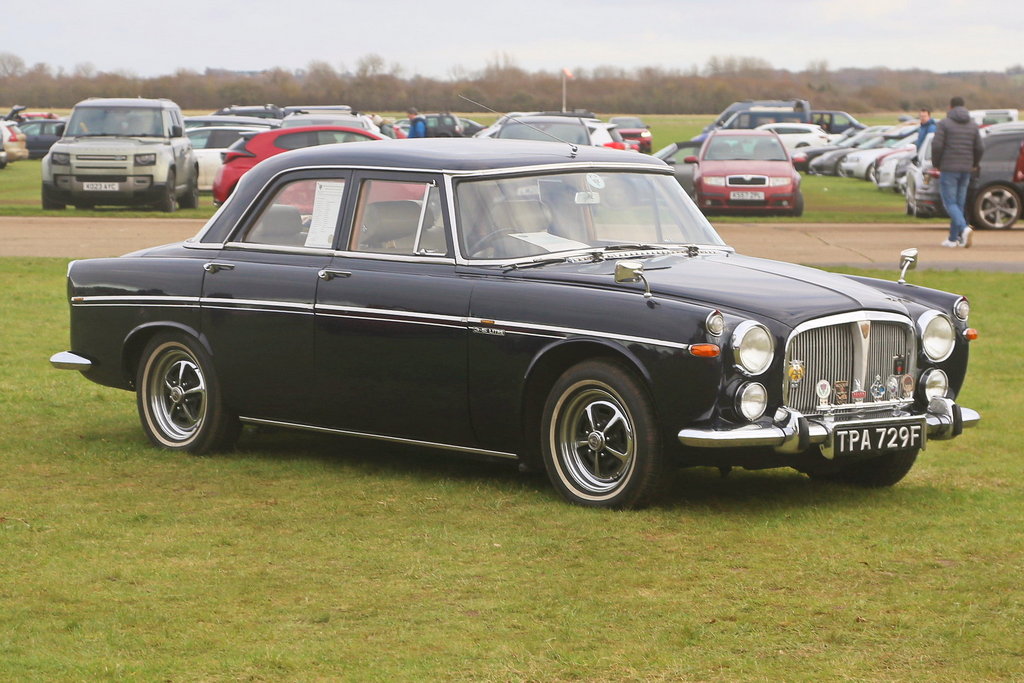
Rover P5B 3.5-Litre
The heavy Rover gets the light Buick-based V8. And rostyle wheels.
Years
1968-75
Engine
3528cc V8 OHV
Body Style
Saloon, coupé
Production
11,501/9099
Power: Weight
Dimensions
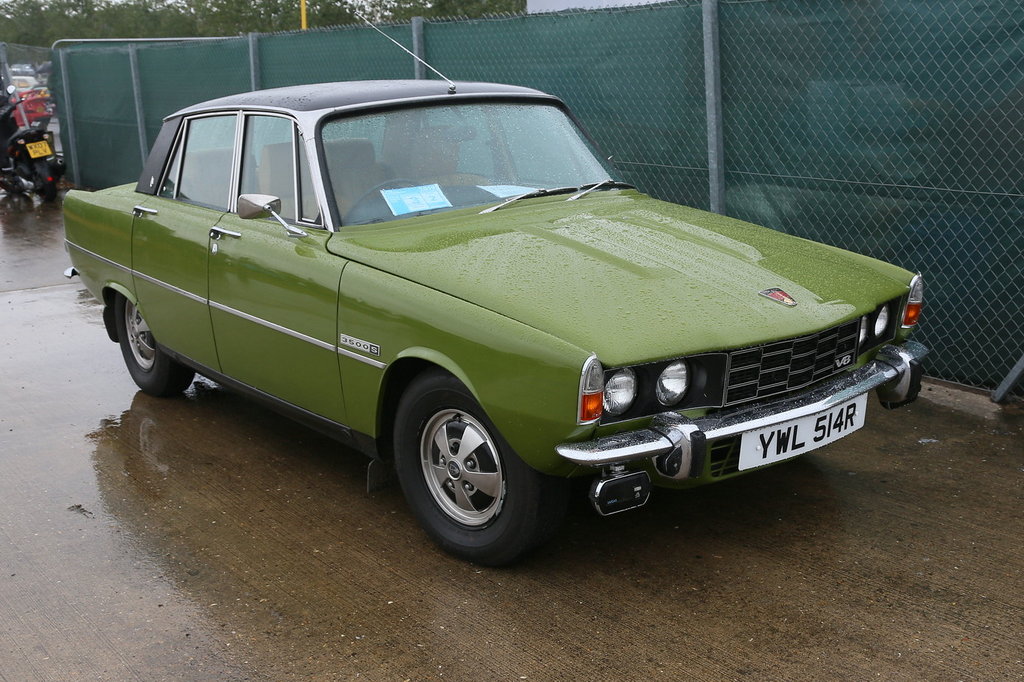
Rover P6 3500
And the V8 shoehorned in to the P6. Fast and sure-footed, if soft.
Years
1968-75
Engine
3528cc V8 OHV
Body Style
Saloon
Production
22,495/37,709/19,896
Power: Weight
Dimensions
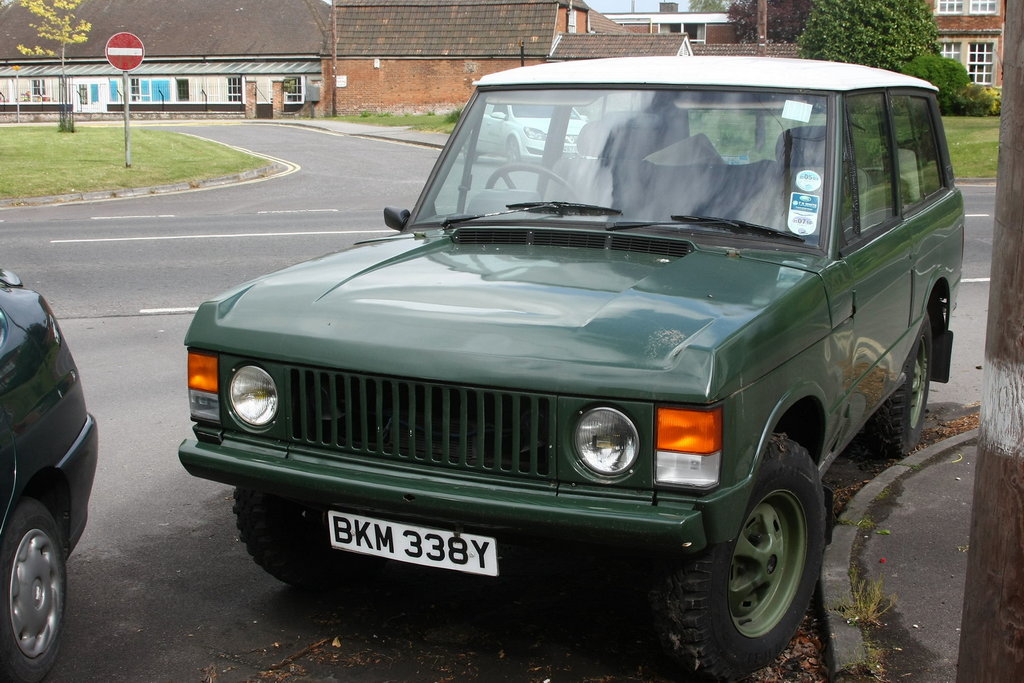
Rover Range-Rover
Originally called an estate or station wagon, and only 2-doors for its first decade. Jeep-influenced but a lot more civilised. Mostly aluminium body. 4-wheel discs. Thirsty.
Years
1970 on
Engine
3528cc V8 OHV
Body Style
Station wagon (SUV)
Production
>200,000
Power: Weight
Dimensions
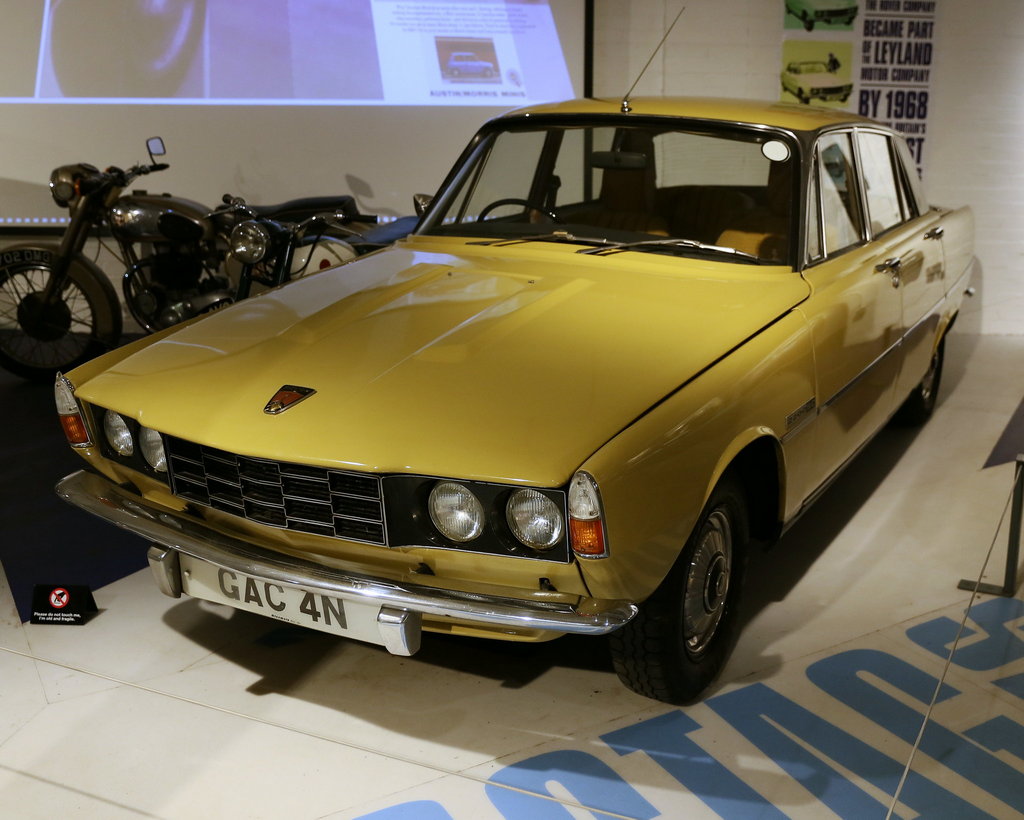
Rover P6 2200SC / 2200TC
Last hurrah for the 4-cylinder Rover engine, enlarged to give useful power and torque increae. Strengthened transmission to cope.
Years
1973-76
Engine
16,928 S4 OHC
Body Style
.
Production
9316/6126 (auto)/16,928
Power: Weight
Dimensions
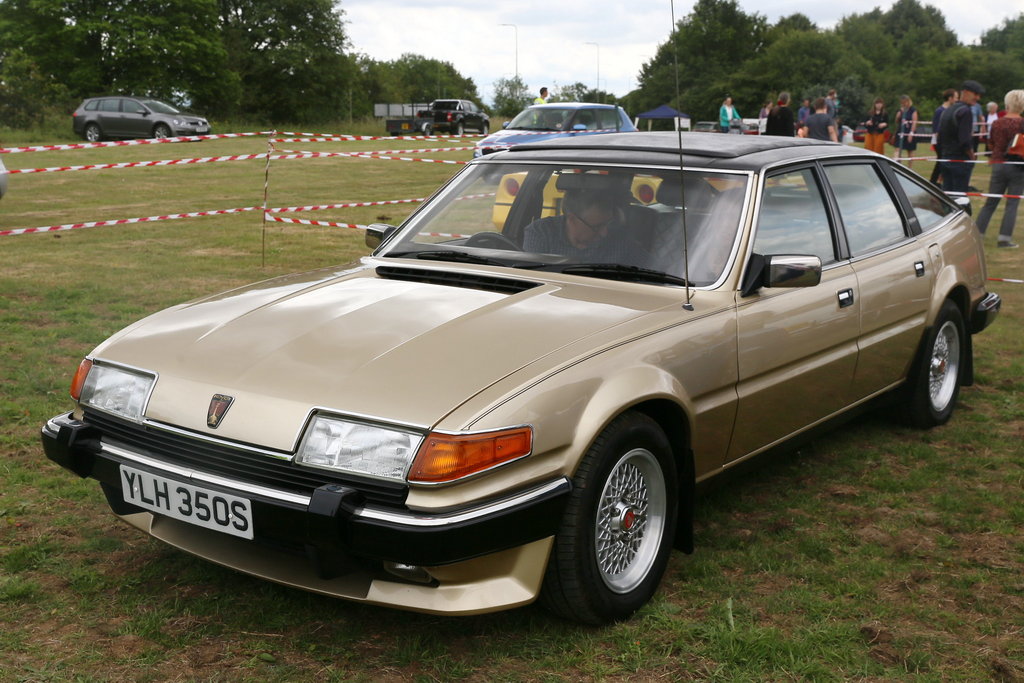
Rover SD1 3500
From an allegedly conservative maker, another styling shock – a 5-door hatchback Ferrari! Replaced the P5 and P6 and Triumph 2000 range. Underpiinings were simple: front McPherson struts and a live axle.
Years
1976-86
Engine
3528cc V8 OHV
Body Style
Saloon
Production
37,900
Power: Weight
Dimensions
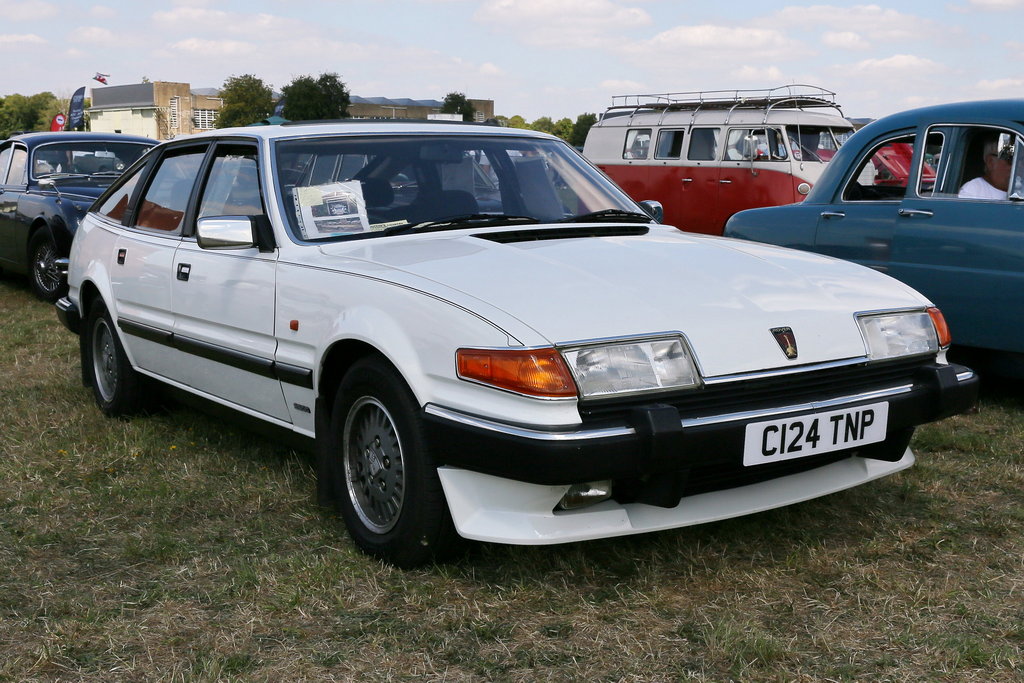
Rover SD1 2300 / 2600 / 2000 / Diesel
Slotting in to replace the smaller engined Rovers and Triumphs, with a probably under-developed new Triumph OHC engine. Five years on, the underpowered BL O-Series, and the even more underpowered VM 2400 diesel, were launched.
Years
1977-86
Engine
Body Style
Saloon
Production
57,980
Power: Weight
Dimensions
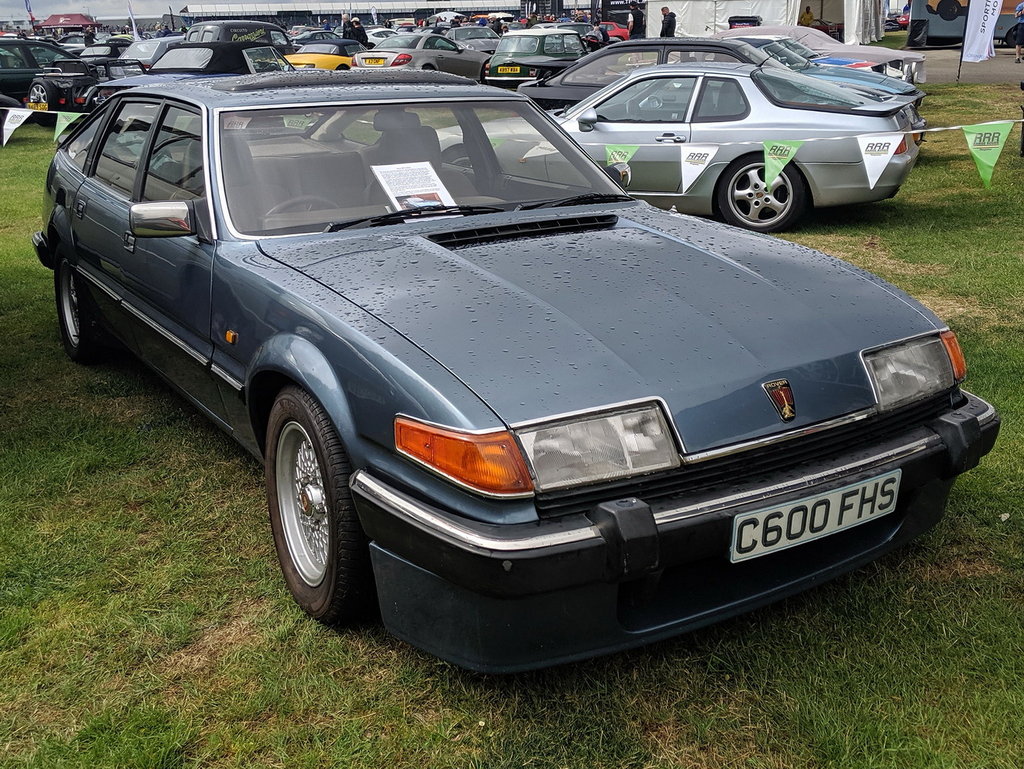
Rover SD1 Vitesse
Series 2 SD1 had many detailed improvements, including new front spoiler and improved rear visibility. Better build quality coinciding with move of production to Cowley. Vitesse was a fuel injected 190 bhp, with tuned suspension and aero.
Years
1982-86
Engine
3528cc V8 OHV
Body Style
Saloon
Production
Inc above
Power: Weight
Dimensions