Founded in Coventry in 1896, the British Daimler Company pioneered early motoring, quickly becoming the official vehicle supplier to the British Royal Family.
Early models relied on massive, clattering poppet-valve engines and chain drives. However, a pursuit of luxury refinement led Daimler to make a radical engineering pivot in 1908, adopting the ultra-quiet “Silent Knight” sleeve-valve engine and silent worm-gear final drives.
When World War I arrived in 1914, production shifted dramatically from royal limousines to the war effort, manufacturing thousands of robust commercial trucks, tractors, and aero engines that proved vital to Allied logistics.
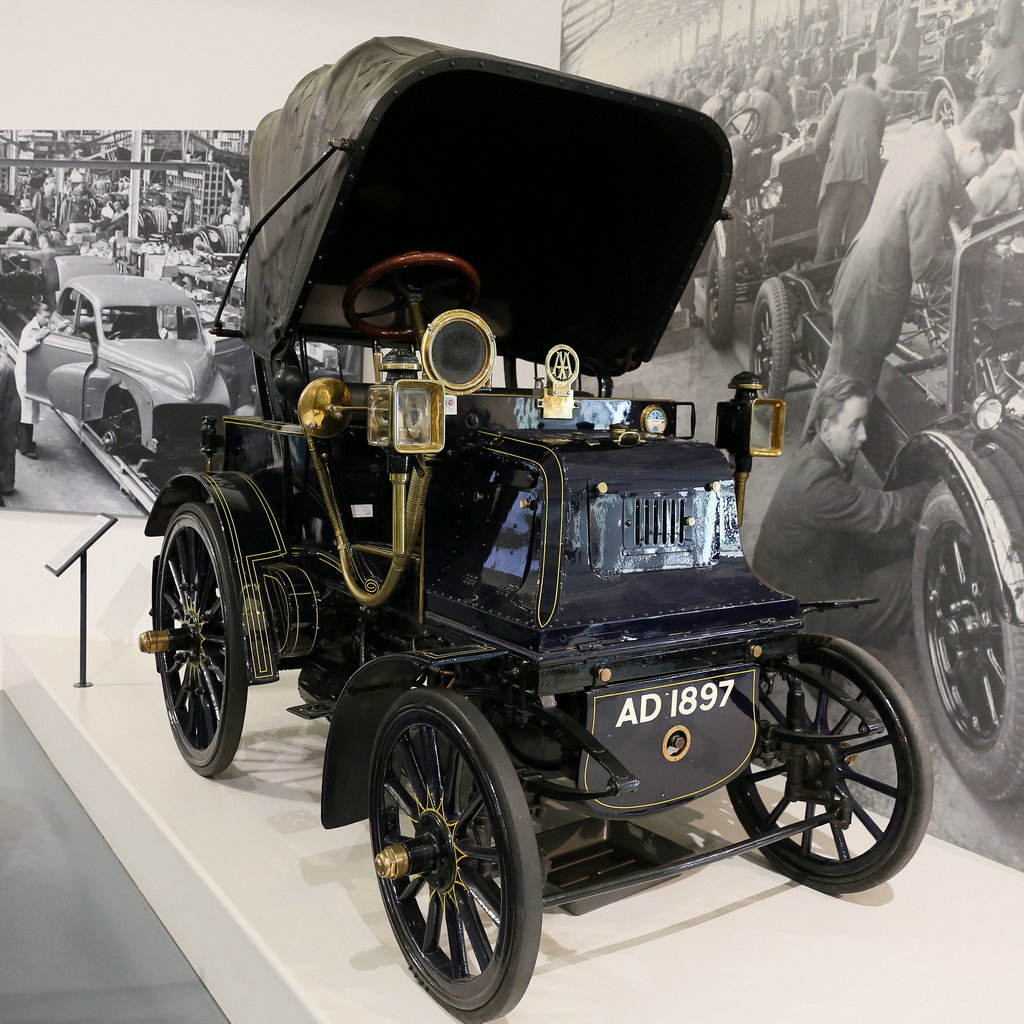
Daimler 4 HP, 6 HP
Daimler’s earliest vehicles, including the Grafton Phaeton, mimicked horse carriages. Powered by 4–6 hp twin-cylinder engines with hot-tube ignitions and tiller steering, these pioneer machines laid the foundations for British royal motoring history.
Years
1897
Engine
1500cc S2
Body Style
Wagonette (shown), various
Production
c. 70
Power: Weight
Dimensions
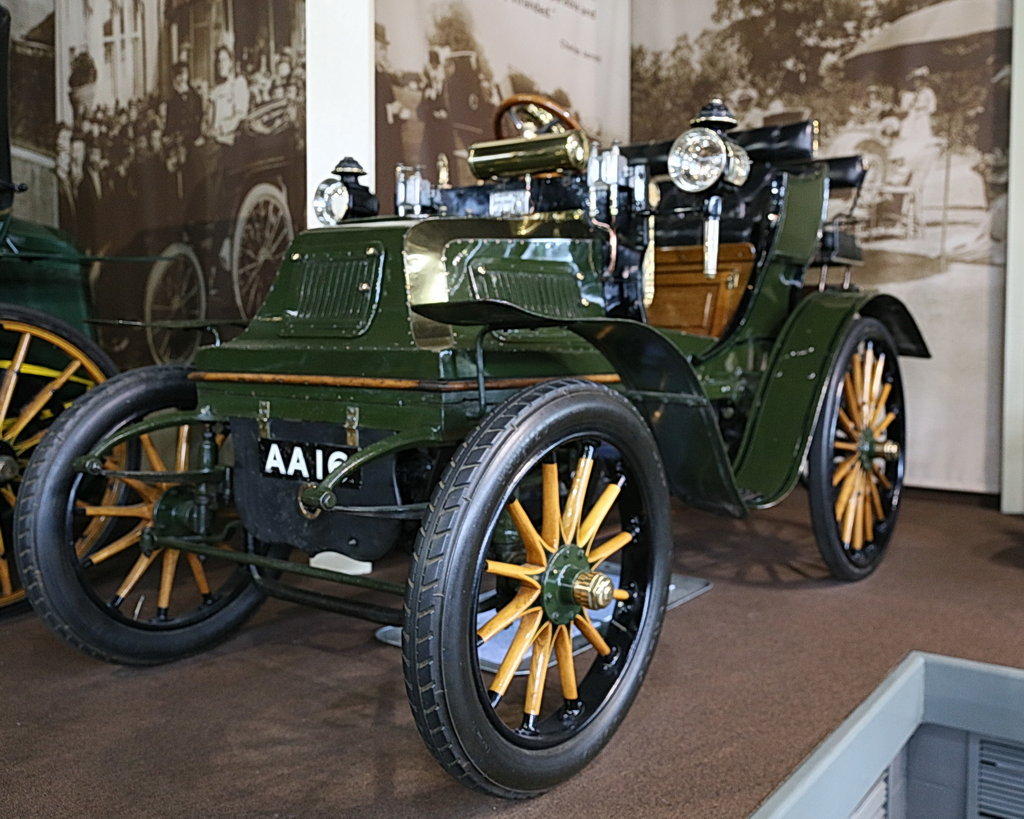
Daimler 12 HP (14, 16/20, 24)
These pioneering cars, with front-mounted, 4-cylinder engines (rated 6-28 HP) and early fluted radiators, defined luxury for speed-seeking Edwardian aristocrats. Engines (but not unstable chassis) under licence from Germany.
Years
1900-02
Engine
3053cc S4 (then 2200/3300/4500cc)
Body Style
Tourer
Production
c. 40 (60, 100, 140)
Power: Weight
.
Dimensions
.
This was bought by John Montagu in 1899, raced against Charles Rolls and in the 1900 Thousand Mile Trial. 2-cyl utility and postal vans available 1900-02 (c. 50)
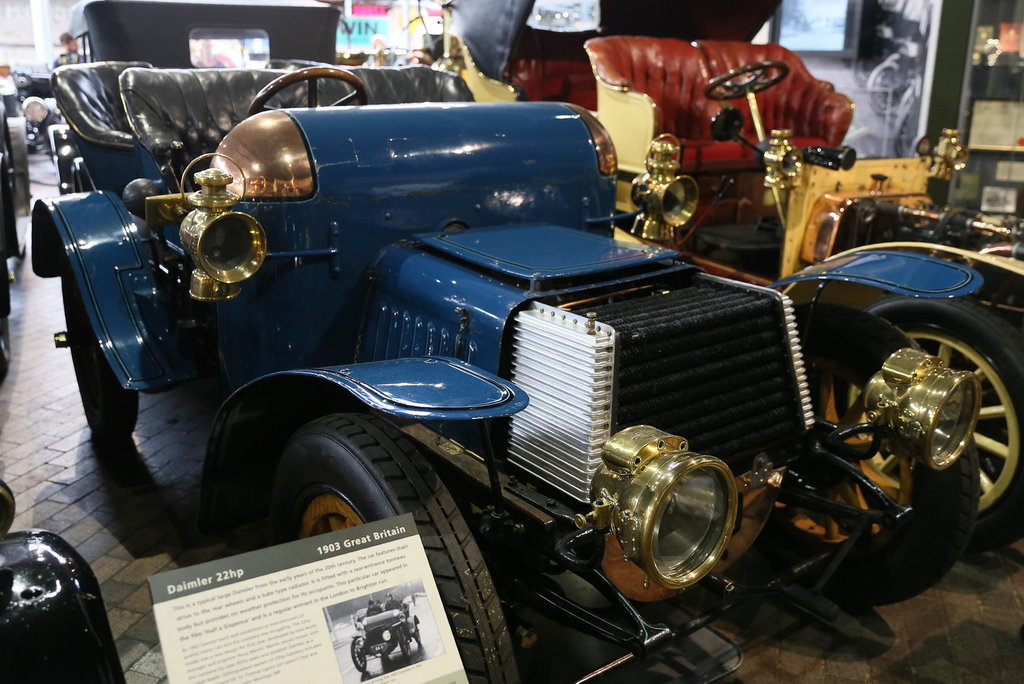
Daimler TA 22 HP
An over-engineered car, with short chassis and chain drive, and new hallmark finned radiator, which successfully secured the brand’s legendary status with British royalty. Throttle was by hand lever and a centrifugal cruise control!
Years
1902-03
Engine
4503cc S4 PV
Body Style
Tourer
Production
Power: Weight
Dimensions
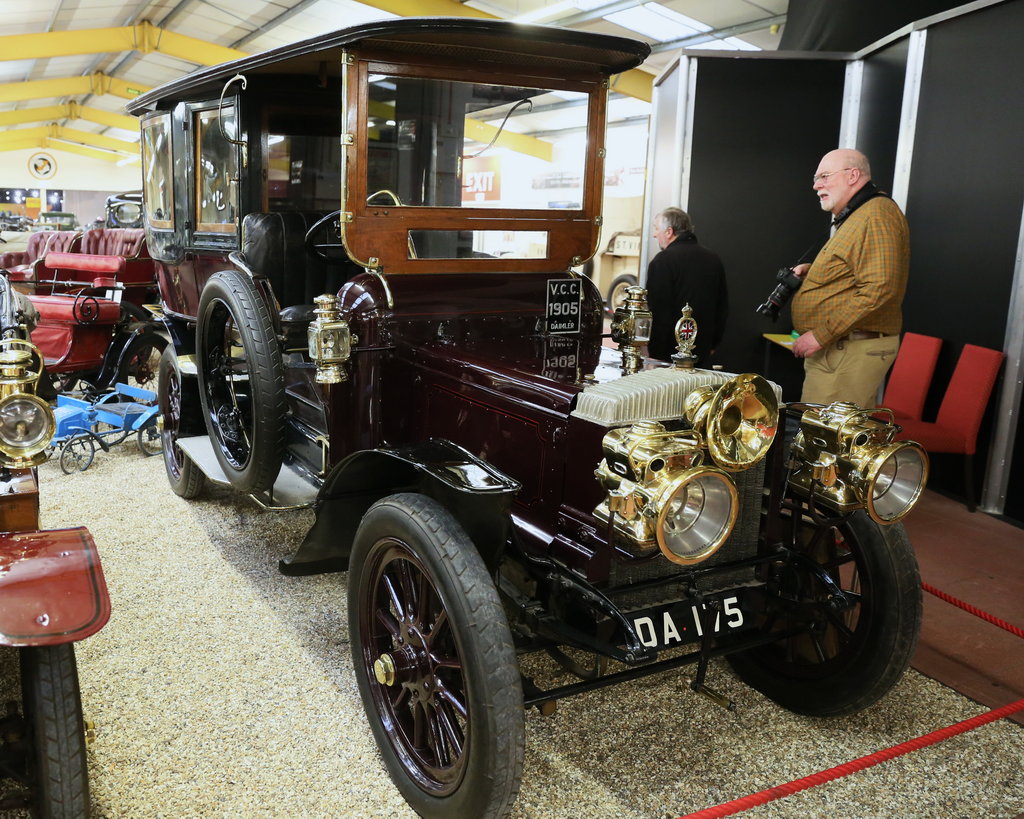
Daimler TL28/36, TO 30/40, TM35/45
TO and TM were chain-driven monsters with 150 mm stroke and >2-litres/cylinder. A quintessential Edwardian limousine, but as a tourer could hit 60 mph. Small wonder stripped-down racers dominated hill climbs and speed trials.
Years
1905
Engine
5702/8200/8462cc S4 PV
Body Style
Tourer, landaulets, special limos. LM was lighter; TM heavier.
Production
Power: Weight
Dimensions
The Detachable Top Limousine shown is the only survivor. The “top” is the entire passenger compartment, and could be changed for a summer tourer.
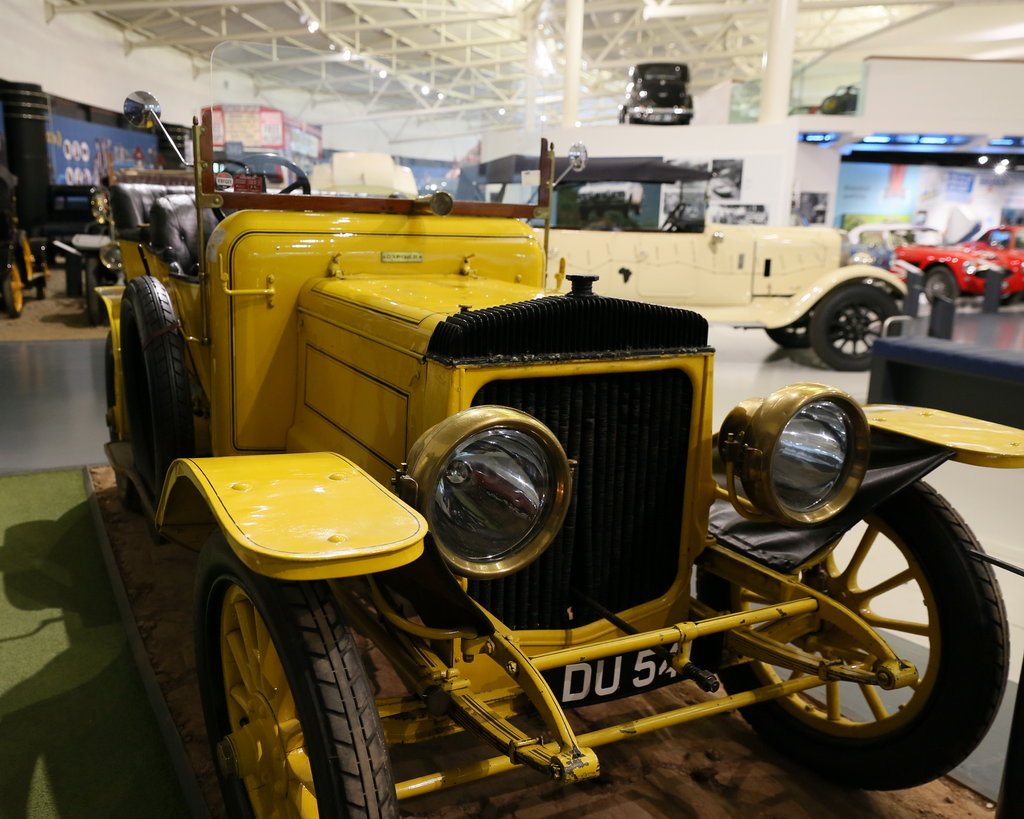
Daimler TP35
The official, factory-built works racing car. Stripped of heavy coachwork, its lightweight, short-wheelbase chassis housed a thunderous 8.5-litre poppet-valve engine, famously conquering early Shelsley Walsh hill climbs.
Years
1905; 1907
Engine
8462cc S4
Body Style
4-seater sports
Production
Power: Weight
Dimensions
The Gaydon car is a sister car identical to the 1905 Shelsley Walsh Hill Climb
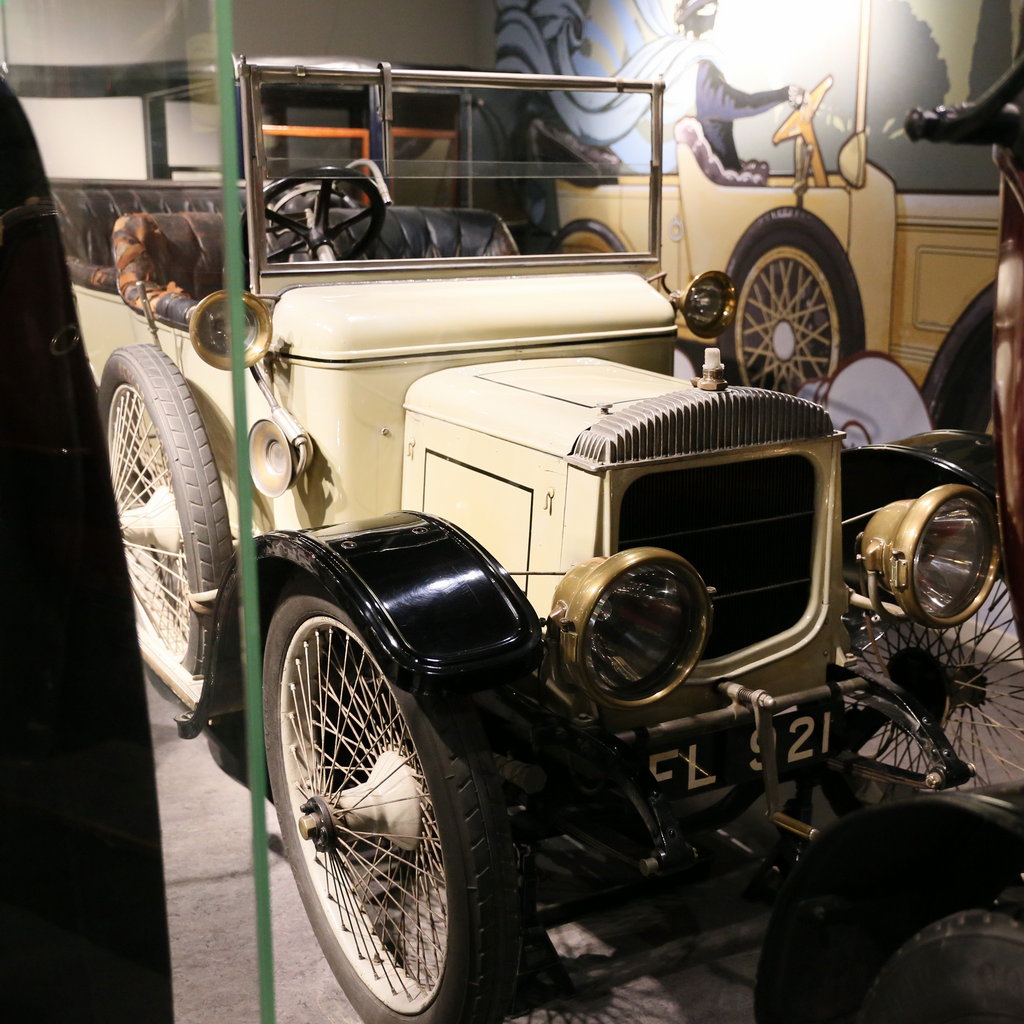
Daimler TB22; TA33; TA12 (15 HP)
The TB debuted Daimler’s whisper-quiet and vibration-free “Silent Knight” sleeve-valve engines, and torpedo bodies. From 1911 a smaller 4 was paired with silent worm-gear final drives. Transformed Edwardian passenger cars into luxury cruisers.
Years
1909-1910; 1910-11; 1911-14
Engine
3568/1691cc S4 5616cc S6 SV
Body Style
TA tourer, TB sports
Production
12, c. 60, c. 350
Power: Weight
Dimensions
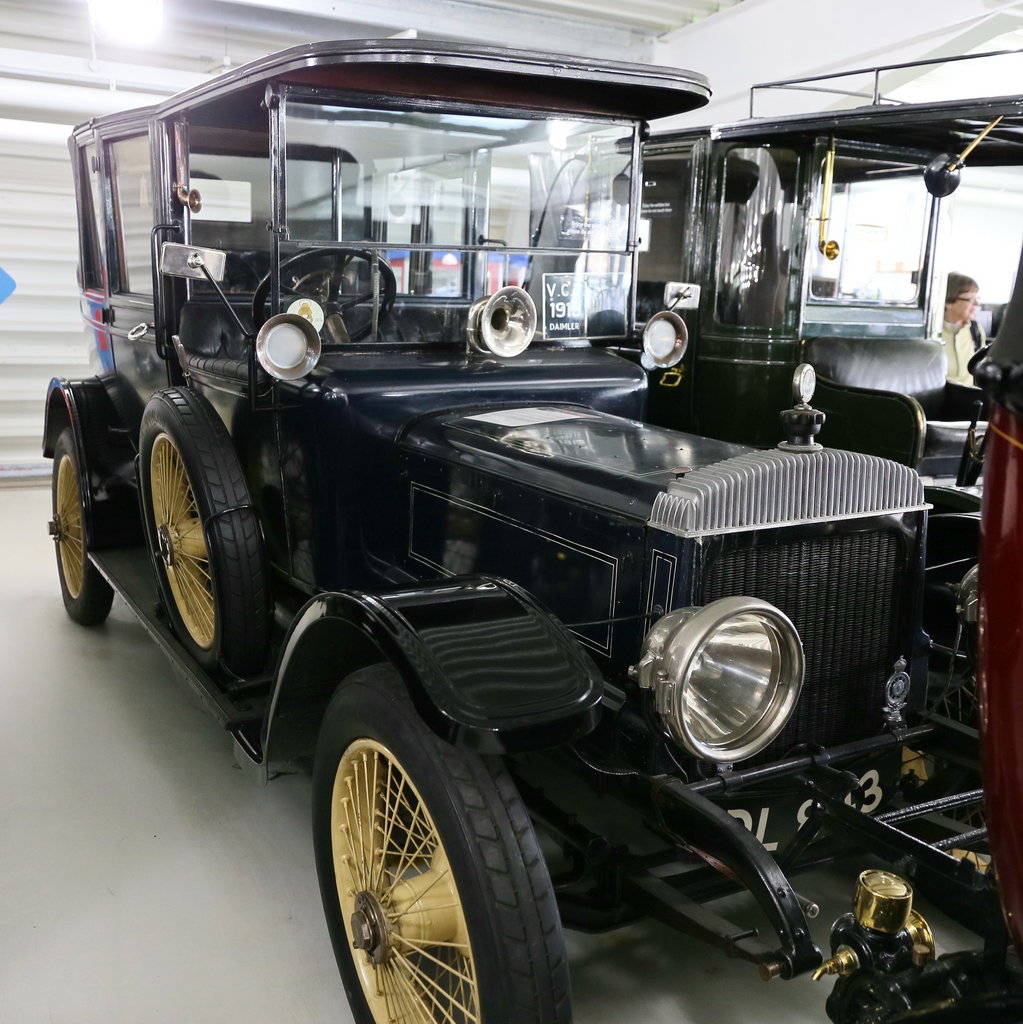
Daimler TC25, TC56; TD38; TE30, TH57
Transitioning from the rare 22hp four-cylinder and initial 9.4-litre TC56, production scaled into the refined 1913 TE30 six-cylinder and peaked with the monumental, 10.1-litre TH57 state carriage, defining unstrainable Edwardian luxury.
Years
1908-11; 1909-12; 1913-14; 1911-14
Engine
SV: 4156cc S4; 9421/6748/4960/10116 S6
Body Style
Limousines, landaulettes
Production
c. (450, 25; 330; 230, 70)
Power: Weight
Dimensions
The Gaydon TE30 was rescued from the St Petersburg via the Isle of Wight
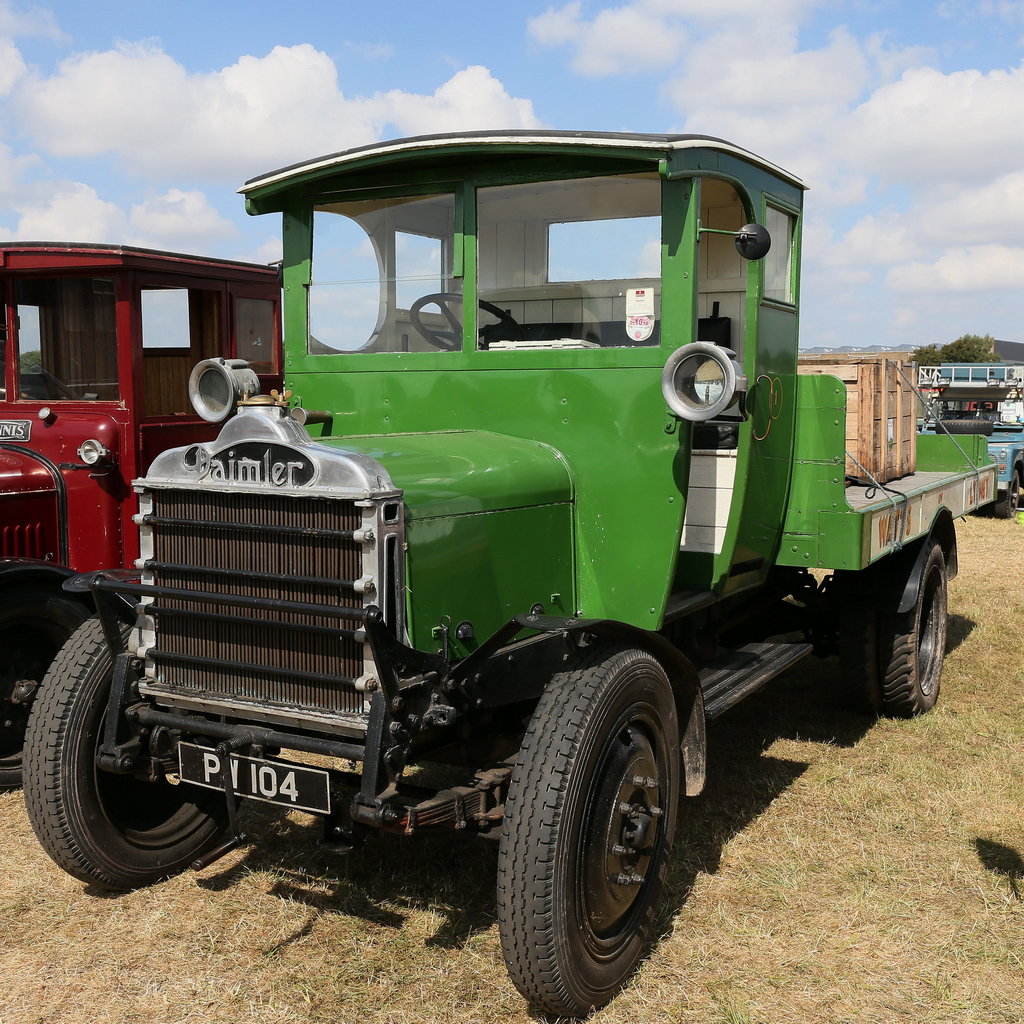
Daimler CB 40 HP
The rugged side-chain-driven CB and Daimler-engined AEC formed the backbone of Britain’s WWI light transport, hauling vital supplies at railheads and the muddy battlefield final mile. Not until 1917 did maintenance (and smoke) issues finally end it.
Years
1913-17
Engine
5702cc S4 SV
Body Style
3-ton flatbed lorry
Production
2000+ (+ 2799 AEC)
Power: Weight
Dimensions
This one saw war and postwar service – restored & maintained by Watts of Lydney
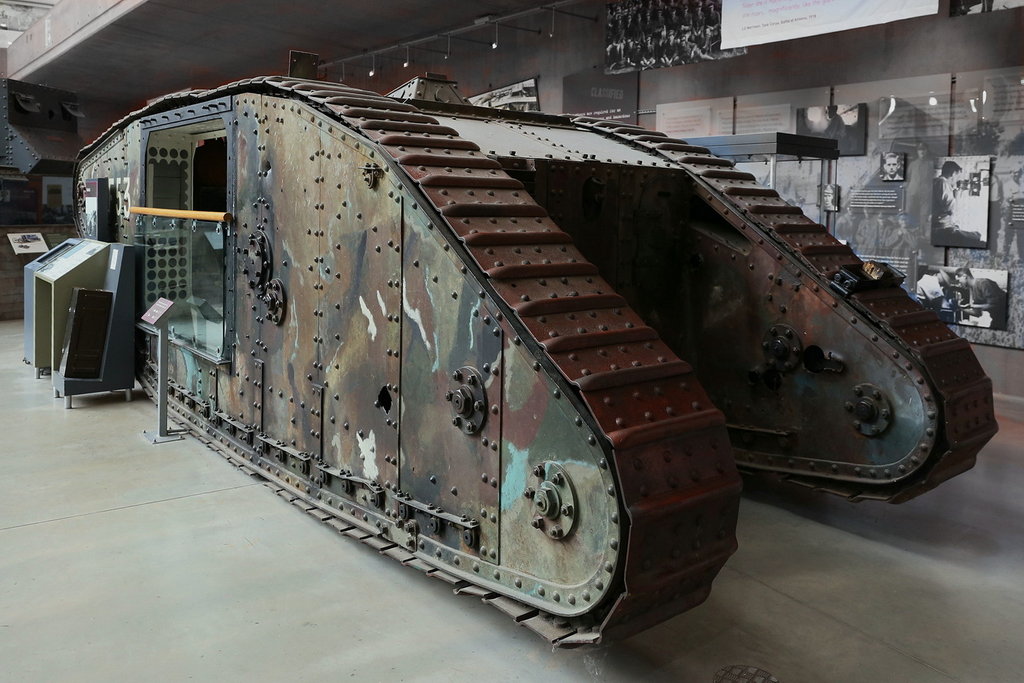
Daimler Engines: Mk I to Mk IV Tank
British Mark I to Mark IV tanks relied exclusively on Daimler’s massive sleeve-valve tractor engine. Mounted open inside the cabin, the low-revving powerplant delivered the brutal torque required to haul 28 tons of armour through the Somme mud.
Years
1916-17
Engine
14600 S6 SV
Body Style
3-ton flatbed lorry
Production
1422
Power: Weight
c. 105 HP
Dimensions
This one was delivered on Armstice Day, so saw 30 mins WWI flying time.
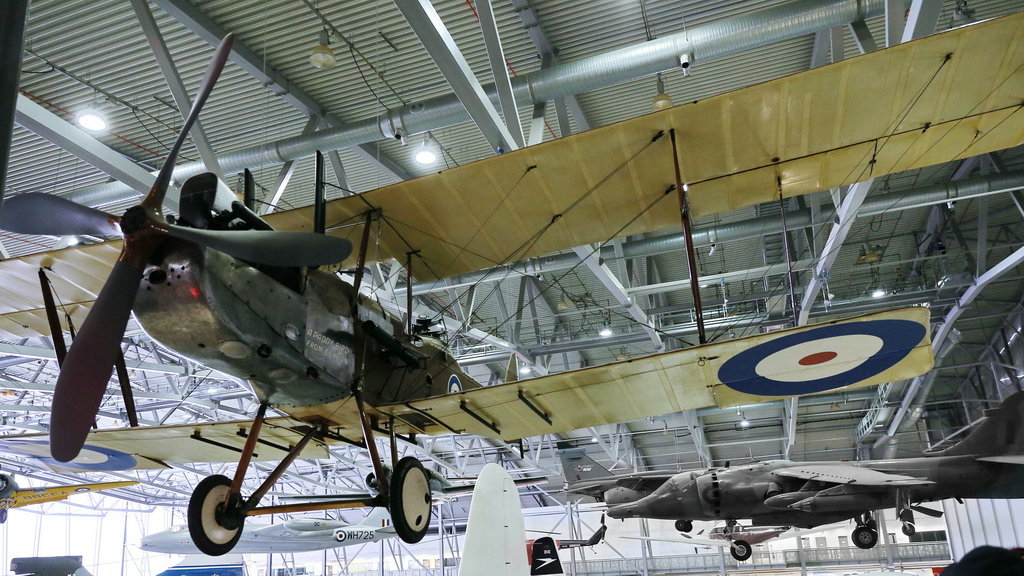
Daimler: Royal Aircraft Factory RE8
Daimler built hundreds of combat biplanes under government contracts, including the Bristol B.E.2, B.E.12, and the Royal Aircraft Factory R.E.8 reconnaissance bomber, as well as thousands of aircraft engines including Gnomes and BR2s.
Years
1916-18
Engine
13200cc V12 RAF4a
Body Style
Military biplane
Production
c. 500
Power: Weight
c. 150 HP
Dimensions
This one was delivered on Armstice Day, so saw 30 mins WWI flying time.